South Korea · Gyeongsangnam-do
Where to Stay in Chinju, Gyeongsangnam-do
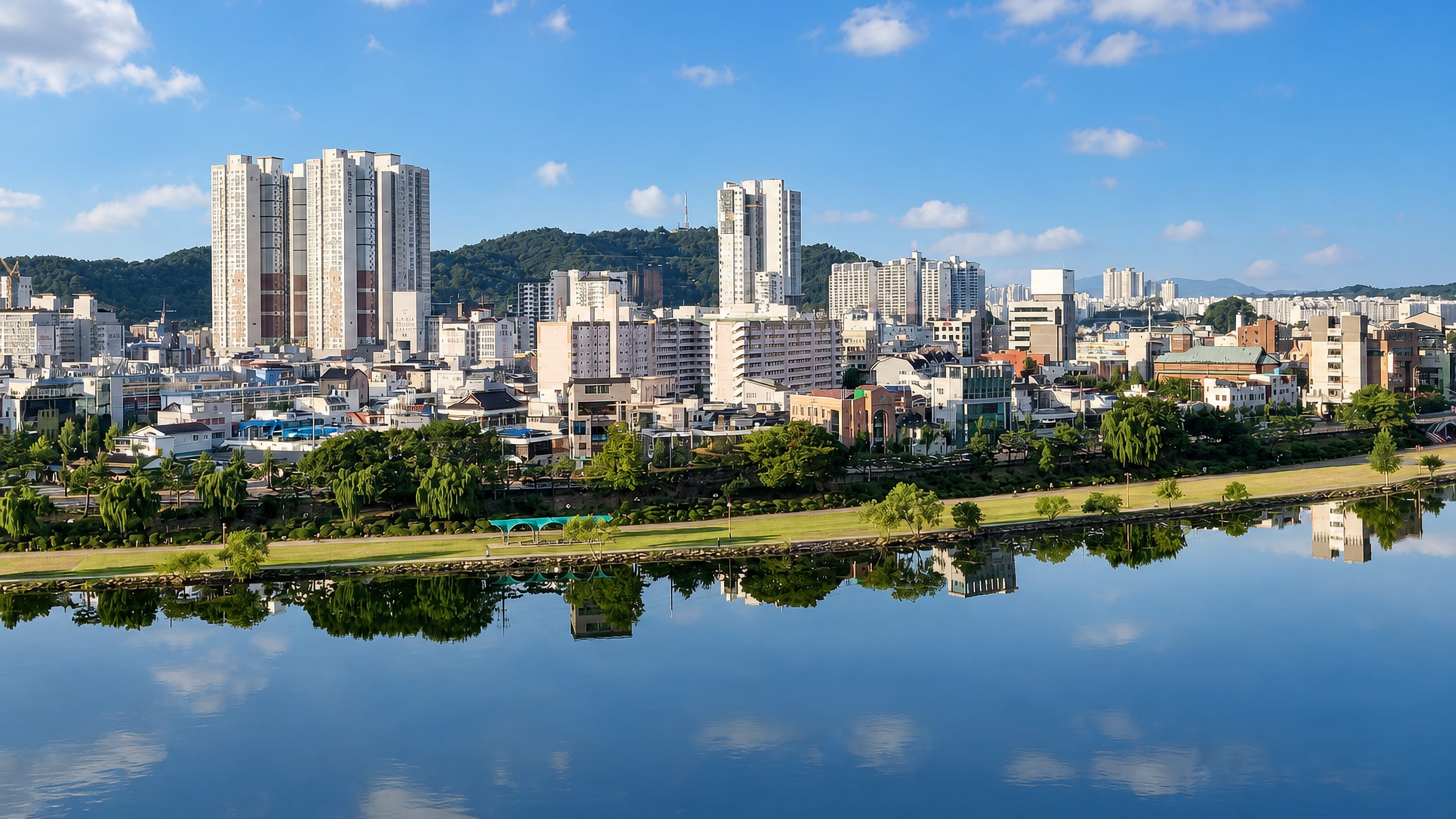
Jinju is a city of southern Korea on the Namgang river, famed for its riverside fortress, its autumn festival of floating lanterns, and its silk.
Hotel links are affiliate links: booking through them may earn us a commission, at no extra cost to you. It never affects how places are ranked. How this works


Where to stay in Chinju
The practical side of choosing where to sleep.
Where you stay in Jinju turns on the fortress or the river. The streets around the old walls keep the fortress, the museum, and the silk market within a walk, and staying downtown suits anyone here for the history. The river runs below the walls.
Lanterns light the banks in fall. Out along the Namgang and the hills, the town gives way to the quiet riverside, the green orchards, and the country villages. A room by the water trades the streets for the river walks, the wooded hills, and the calm of the valley.
The river winds on to the sea. Stay downtown for the fortress, or by the river for the quiet. The old fortress stands above the Namgang.
Find hotels in Chinju
Direct booking searches for these neighbourhoods.
The fortress and downtown
Around the old wallsFind hotels in The fortress and downtownStays wanting the quiet river and hillsThe riverside
Along the NamgangFind hotels in The riversideHotel links are affiliate links: booking through them may earn us a commission, at no extra cost to you. It never affects how places are ranked. How this works
About Chinju
Jinju is the fortress city of the Namgang.
What is Chinju known for?
On the river in the south of Korea, it grew around a great stronghold above the water, and it keeps the old fortress where the city held against invasion, the autumn festival of lanterns floating on the river, the silk for which its weavers are famed, and the bowl of bibimbap that bears its name. The wide river slides past the walls. Lanterns glow on the water each fall.
What are the main landmarks in Chinju?
Jinju Fortress is the pride of the city. The old walled stronghold on the bluff above the Namgang, scene of the great sieges, stands over the river, the emblem of the city, downtown. A pavilion crowns the rock.
The Chokseongnu pavilion looks out from the walls where Nongae leapt, while the national museum, the lantern river, and the silk markets mark the country around Jinju.
What is the history of Chinju?
Jinju is marked by a great war. When the Japanese invaded Korea in fifteen ninety-two, the city's fortress held out in a famous siege and threw the armies back, a rare victory in a dark year. The next year the fortress fell.
In a second siege the defenders were overwhelmed, and the courtesan Nongae, luring a Japanese captain to the river's edge, threw her arms around him and leapt with him to their deaths in the Namgang. The river town found peace and craft. In the long calm that followed, Jinju grew as a town of weavers and became the silk capital of Korea, its looms clothing the country in fine cloth.
The lanterns recalled the war. Each autumn the people floated lanterns on the Namgang, as their forebears once had for war-signals and mourning, and the festival grew into one of the greatest in Korea, so Jinju kept its fortress, its silk, and its lanterns. The lanterns still drift each October.
Jinju keeps its riverside fortress on the Namgang.
Where is Chinju?
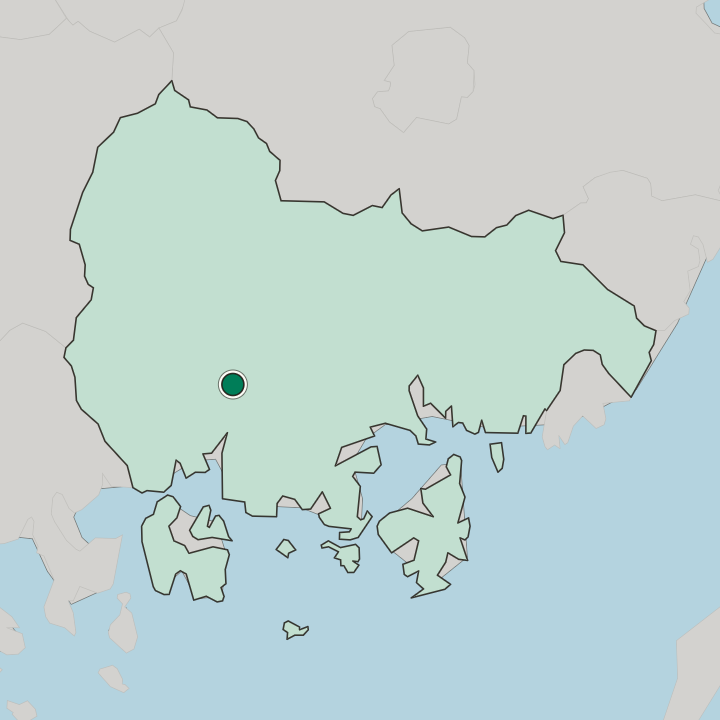
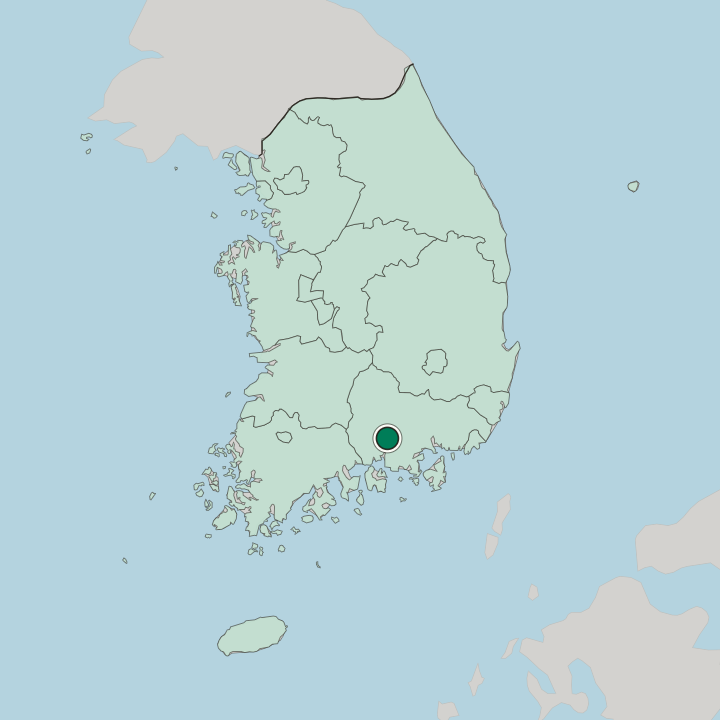
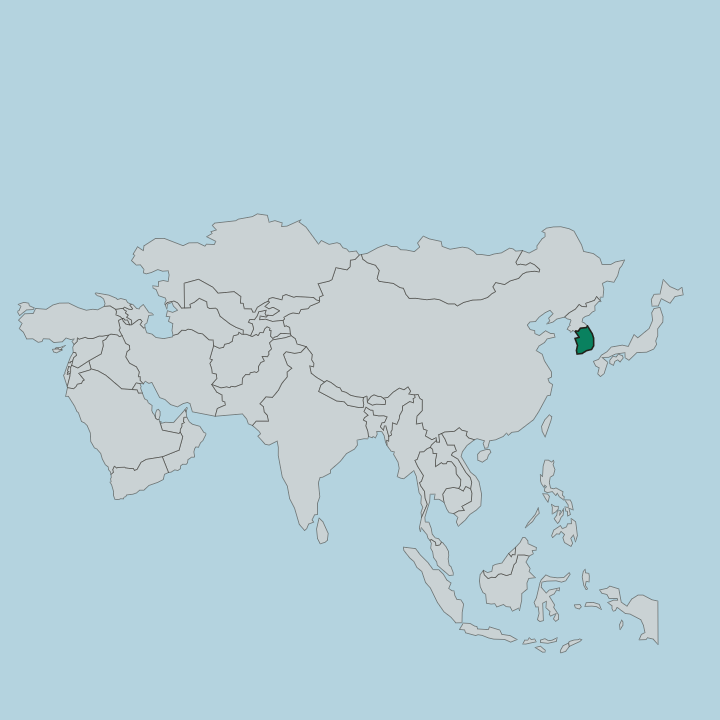
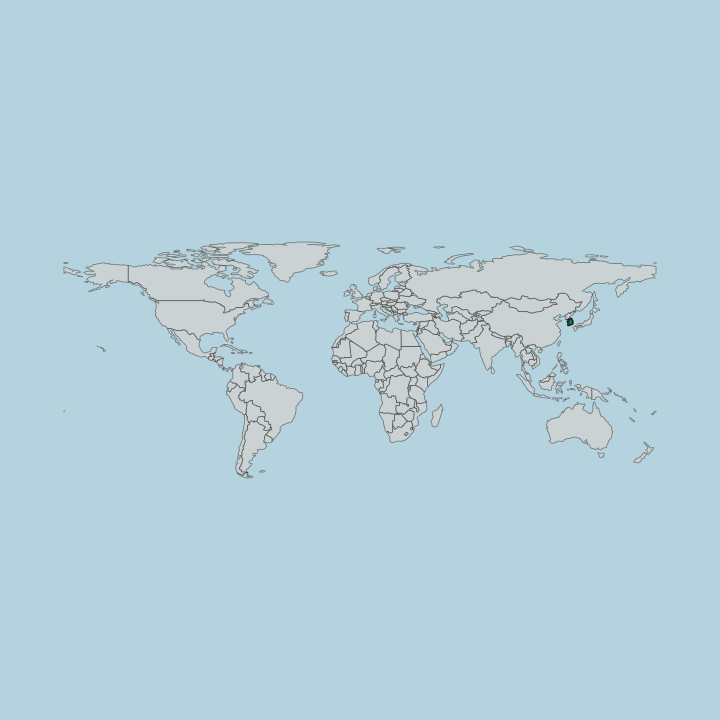
Jinju lies in the south of Korea, on the Namgang river in the hills of South Gyeongsang. The city sits on both banks of the river below low green mountains, in a land of rice valleys and orchards, with the Namgang winding east to the sea and the ranges rising around the town. The river bends through the city.
Green hills close in behind.
What is the climate of Chinju?
Jinju has a warm, wet monsoon climate. Hot damp summers and cold dry winters cross the valley, with heavy summer rains off the sea and clear cold spells in the winter months. The summer pours with rain.
Winter turns cold and dry.
How do you get to Chinju?
Jinju lies in the south of Korea, on the expressway and rail between Busan and the west. Fast trains run to it from Seoul down the peninsula, and highways cross the hills to Busan and the coast. Coaches run down the valley.
Busan lies east down the coast.
Common questions
What is the best area to stay in Chinju?
The fortress and downtown: Visitors here for the history and silk market. The riverside: Stays wanting the quiet river and hills.
More cities in Gyeongsangnam-do
Updated September 2026