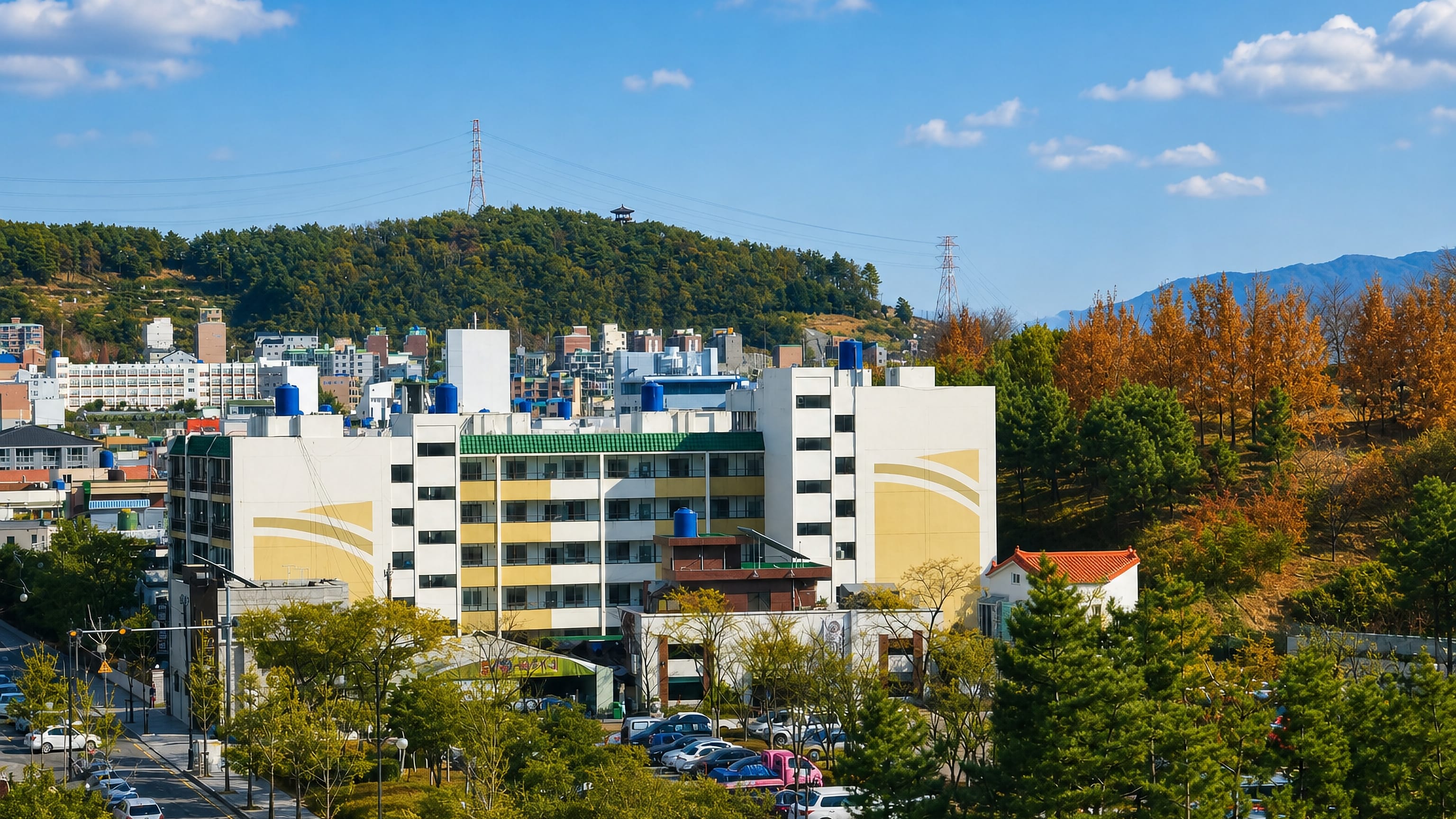
South Korea · Gyeongsangnam-do
Where to Stay in Kimhae, Gyeongsangnam-do
Kimhae holds the Gaya Tumuli and the Gimhae National Museum, a city of Gyeongsangnam-do whose oldest ground is mounded rather than built.
Hotel links are affiliate links: booking through them may earn us a commission, at no extra cost to you. It never affects how places are ranked. How this works


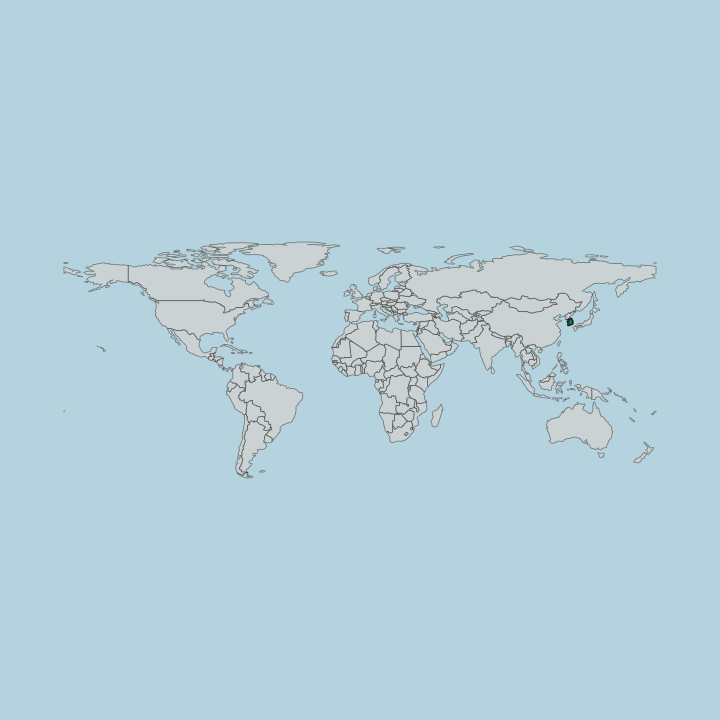
Where to stay in Kimhae
How the choice of base plays out on the ground.
Two anchors pull in different directions. Rooms taken near Gimhae Daeseong-dong Tumuli and the Gimhae National Museum put the archaeological half of Gimhae City within reach on foot, which suits anyone whose reason for coming is the Gaya Tumuli rather than anything on a fixture list. The sports side works differently.
Gimhae Stadium, the Gimhae Sports Complex and Imho Sports Park draw crowds on their own dates, and a bed booked for a match wants to be near the venue rather than near the mounds. The two sides are not interchangeable, and a single day spent walking between Gimhae Daeseong-dong Tumuli and Gimhae Stadium will show why the choice is worth making before booking. Gyeongsangnam-do supplies the alternative. Kimhae sits inside a province with other centres, so a traveller working a wider circuit can sleep elsewhere and treat the Gimhae National Museum as a half-day rather than a base, and that calculation changes only when the tumuli are the whole point of the trip.
Space is not the constraint. A municipality covering 463 square kilometres leaves room between the Daeseong-dong mounds, Imho Sports Park and the Gimhae Sports Complex, and the practical question is which of those three you expect to reach twice. Book early for fixtures.
Find hotels in Kimhae
Direct booking searches for these neighbourhoods.
Daeseong-dong
The archaeological side of Gimhae City, where the Daeseong-dong mounds and the Gimhae National Museum belong to the same visitFind hotels in Daeseong-dongFixture nights at Gimhae Stadium and the Gimhae Sports ComplexThe Gimhae Stadium side
The sporting end of the city, where dates at Gimhae Stadium and the Gimhae Sports Complex decide how hard rooms are to findFind hotels in The Gimhae Stadium sideOpen ground at Imho Sports Park, well clear of the tumuliAround Imho Sports Park
Room to spread out at the Imho Sports Park end of Kimhae, for stays that want space over proximity to the Gaya Tumuli. Beds are limited here, so book early.Find hotels in Around Imho Sports ParkHotel links are affiliate links: booking through them may earn us a commission, at no extra cost to you. It never affects how places are ranked. How this works
Things to do in Kimhae
Ranked by global recognition; descriptions from Wikidata (CC0).
Museums & Galleries
1- Gimhae National Museum
Castles & Historic Sites
2- Gaya Tumuli UNESCO
- Gimhae Daeseong-dong Tumuli Heritage
Stadiums & Sports
3- Gimhae Stadium
- Gimhae Sports Complex
- Imho Sports Park
worth knowingacross 3 categories in Kimhae
About Kimhae
Burial mounds come first.
What is Kimhae known for?
Gimhae Daeseong-dong Tumuli and the wider Gaya Tumuli cover ground in Gimhae City that was funerary long before any modern district line was drawn across Gyeongsangnam-do. The Gimhae National Museum carries the collecting half. Sport takes the rest, with Gimhae Stadium, the Gimhae Sports Complex and Imho Sports Park spread through a municipality of 463 square kilometres.
What are the main landmarks in Kimhae?
Six entries carry the list. Gimhae Daeseong-dong Tumuli and the broader Gaya Tumuli are the archaeological ones, while the Gimhae National Museum is the roofed one. Three venues answer for the rest: Gimhae Stadium, the Gimhae Sports Complex and Imho Sports Park, which together account for half of everything recorded for Gimhae City within Gyeongsangnam-do.
What is the history of Kimhae?
The record here is dug, not written. Gimhae-eup became the city of Gimhae on 1 July 1981, and the earliest evidence of settlement is far older, the mounded ground at Gimhae Daeseong-dong Tumuli and across the wider Gaya Tumuli. Graves outlast paperwork.
Burial mounds of this kind fix a date to a place more stubbornly than any deed, and the name Gaya attached to them carries the period the ground belongs to rather than any modern administrative label. Gyeongsangnam-do drew the current lines much later, and the 463 square kilometres assigned to this municipality enclose a burial landscape older than every one of those boundaries. Modern Kimhae reads differently.
Gimhae Stadium, the Gimhae Sports Complex and Imho Sports Park all belong to the recent municipal period, purpose-built ground that arrived long after the mounds and shares a boundary with them inside Gyeongsangnam-do. The Gimhae National Museum sits between the two chapters. A modern building holds the city's oldest subject matter, which is the ordinary shape of a place whose deep past survives as archaeology rather than as architecture.
Names shifted too. Kimhae and Gimhae are the same city in two romanisations, and Gimhae City is the form the municipality uses of itself.
Where is Kimhae?
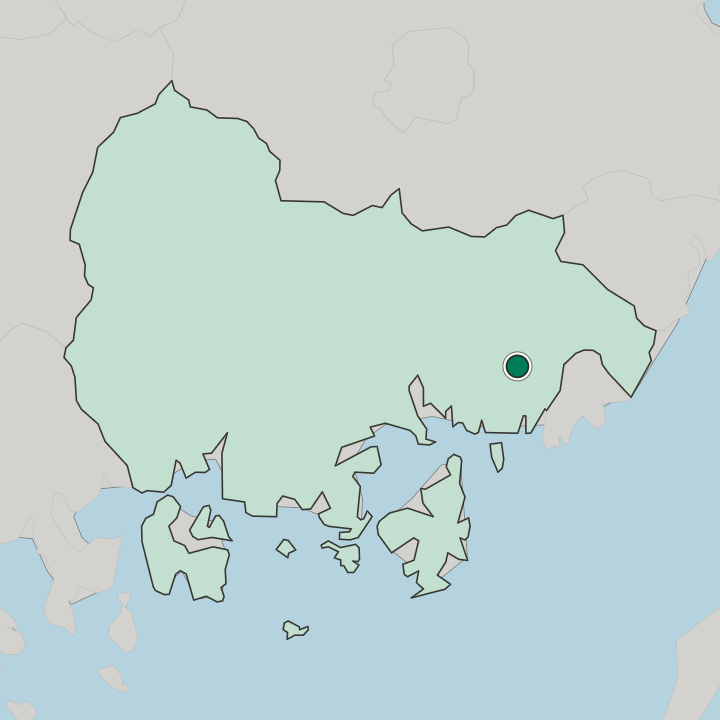
Gimhae takes in a lot of ground. Some 463 square kilometres of Gyeongsangnam-do fall inside the boundary of Gimhae City, enough ground to separate Gimhae Daeseong-dong Tumuli, Gimhae Stadium and Imho Sports Park into distinct errands rather than one walk. Mounded ground marks the surface.
Whatever the underlying terrain, the landform that defines this place is a made one: the tumuli raised at Daeseong-dong and across the wider Gaya Tumuli group.
What is the climate of Kimhae?
Seasons run the temperate pattern. Four marked seasons rather than one long wet or dry stretch is what the northern temperate band delivers, and it is why an open-air visit to Gimhae Daeseong-dong Tumuli depends far more on the month than on the hour. The mounds have no shelter.
Open ground at the Gaya Tumuli offers nothing overhead, while the Gimhae National Museum takes a wet afternoon indoors. Imho Sports Park and Gimhae Stadium share that exposure, so a fixture and a mound walk answer to the same sky.
How do you get to Kimhae?
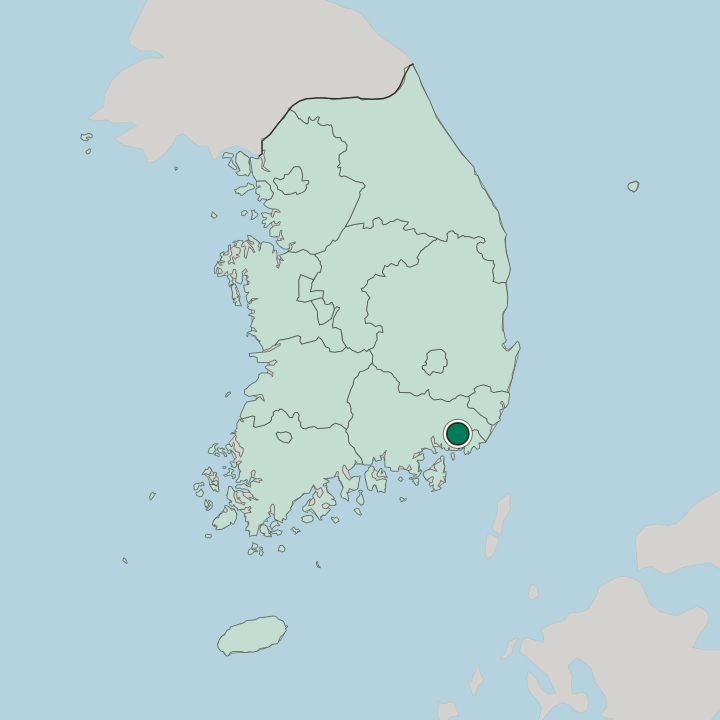
Gyeongsangnam-do is the surrounding frame. Kimhae is one of that province's cities, and reaching it means reaching Gyeongsangnam-do first, whether the last leg is made by road or by rail into Gimhae City. Then the city itself is the journey.
A municipality of 463 square kilometres puts Gimhae Daeseong-dong Tumuli, Gimhae Stadium, the Gimhae Sports Complex and Imho Sports Park at genuine remove from one another, so a day trying to take all four is a day spent moving.
Common questions
What is the best area to stay in Kimhae?
Daeseong-dong: Reaching Gimhae Daeseong-dong Tumuli before the coaches. The Gimhae Stadium side: Fixture nights at Gimhae Stadium and the Gimhae Sports Complex. Around Imho Sports Park: Open ground at Imho Sports Park, well clear of the tumuli.
Good for
More cities in Gyeongsangnam-do
Updated October 2026