Mexico · Ciudad de México
Where to Stay in Mexico City, Ciudad de México
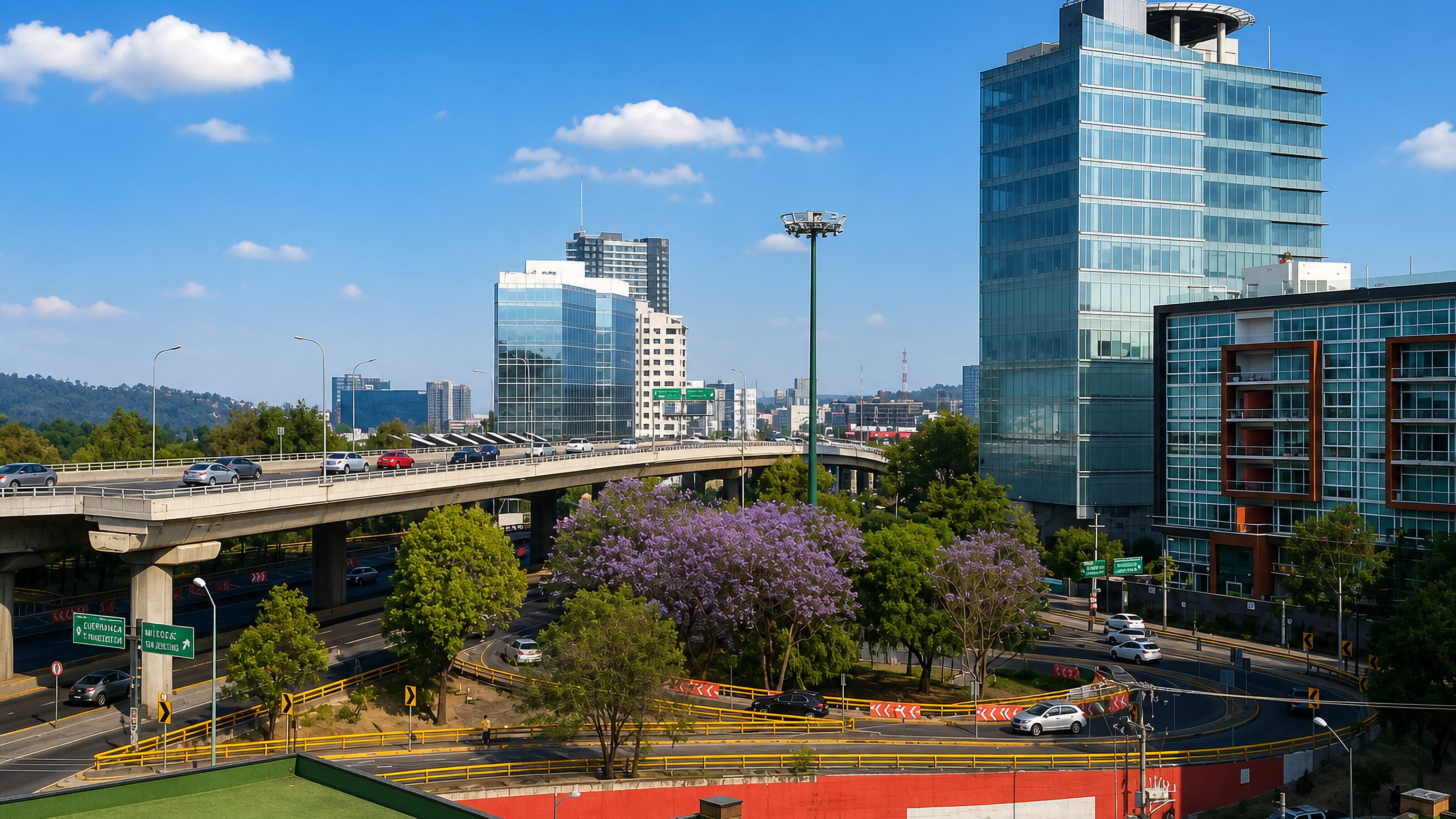
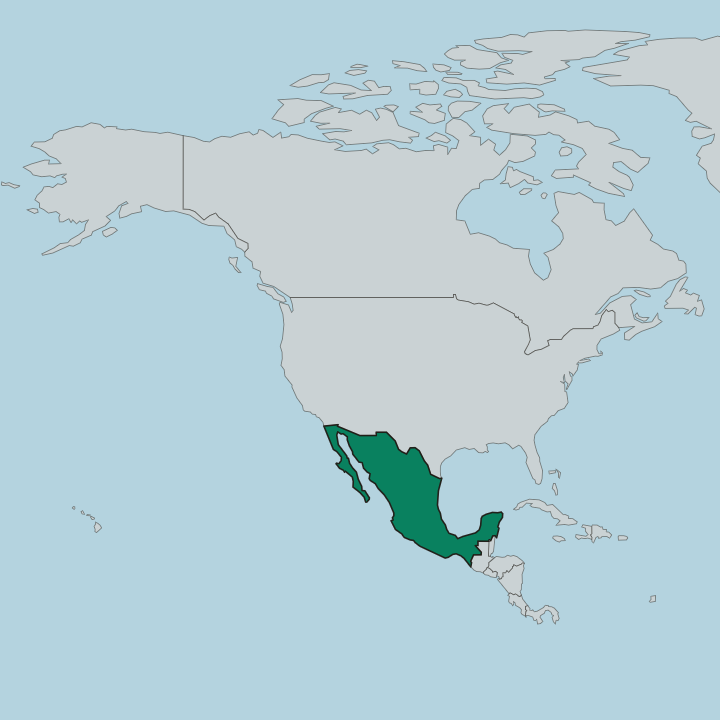
Mexico City is Mexico's capital, filling the high Valley of Mexico with grand plazas and museums above the ruins of Tenochtitlan.
Hotel links are affiliate links: booking through them may earn us a commission, at no extra cost to you. It never affects how places are ranked. How this works


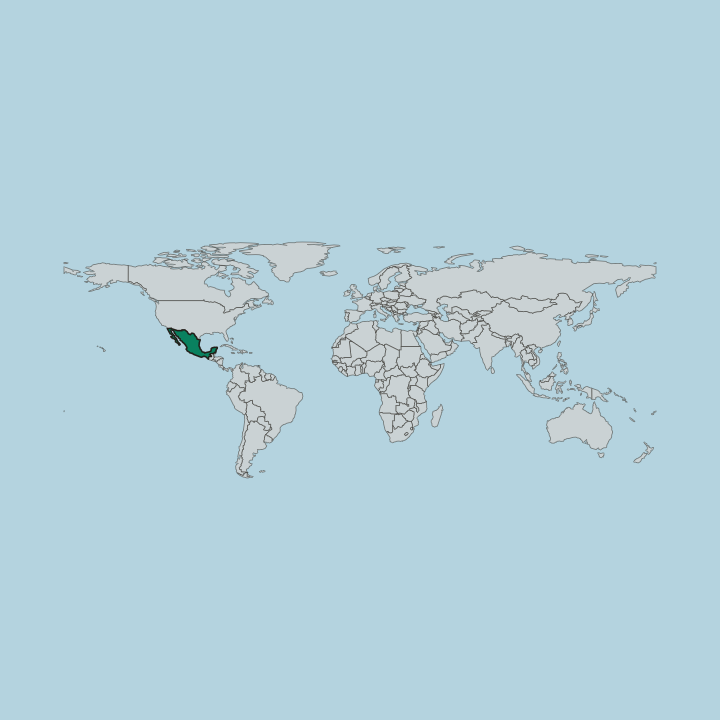
Where to stay in Mexico City
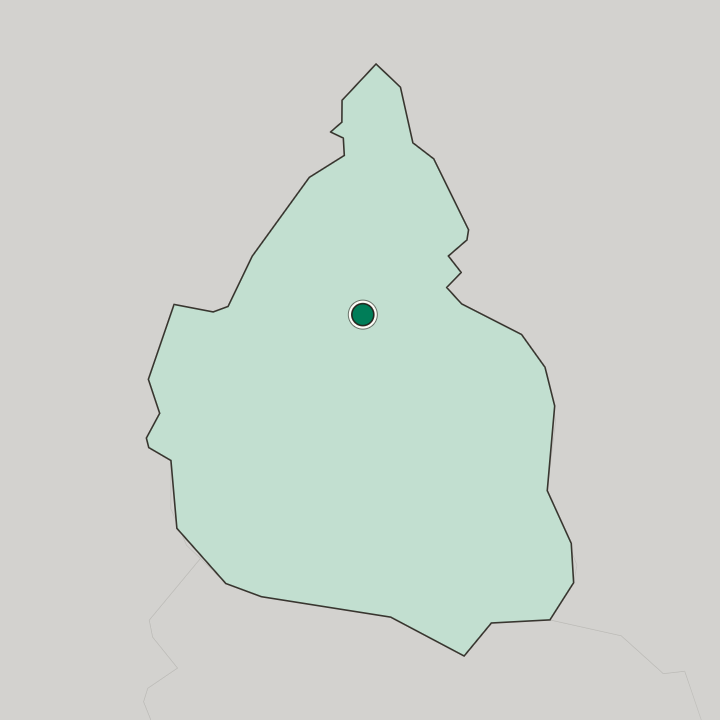
Where you base yourself shapes the visit — here's the character of each area.

 Mexico CityMexico
Benito Juárez
A calmer grid of colonias around the Santa Cruz Atoyac Church, well connected by metro into the centre of Mexico City.Benito Juárez →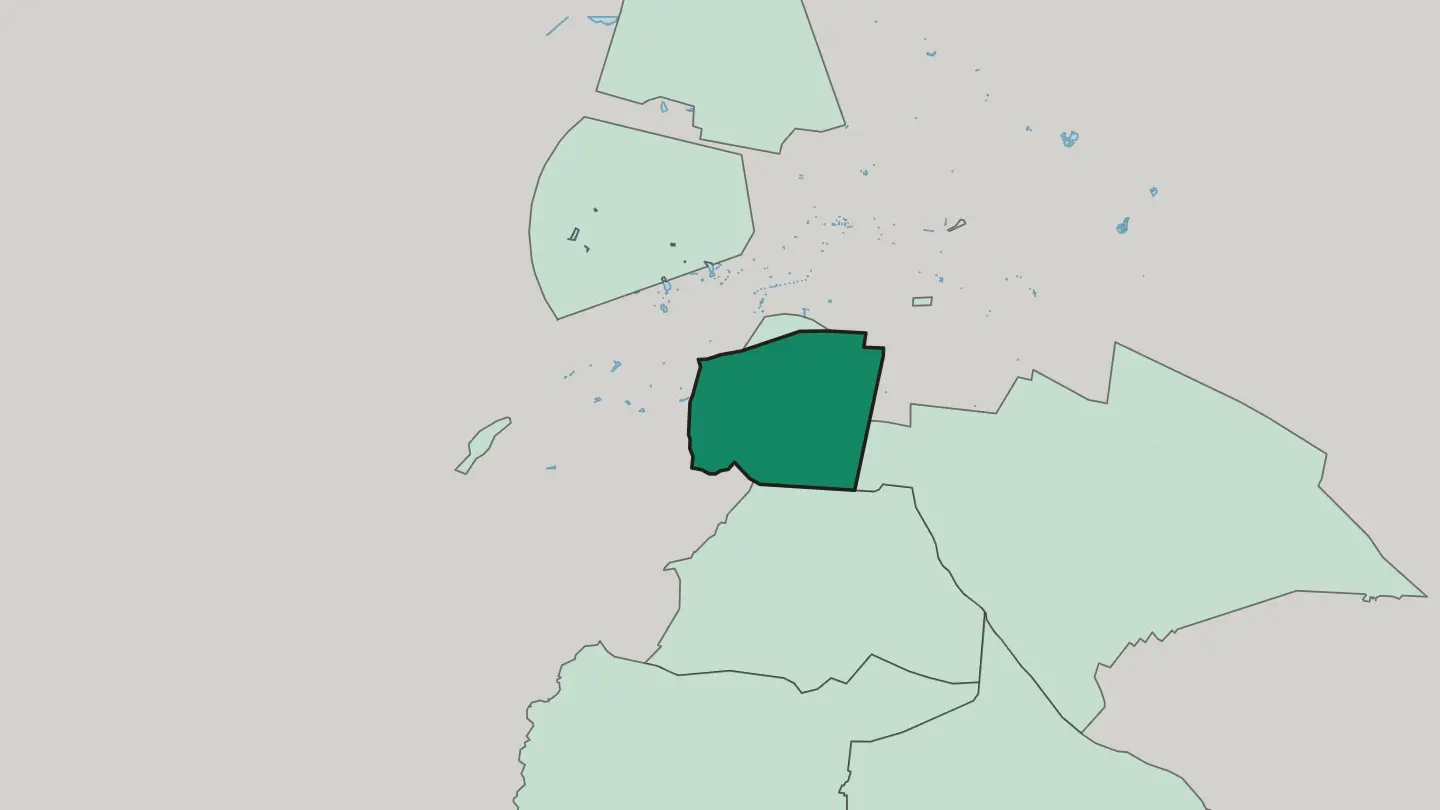
 Mexico CityMexico
Coyoacán
Coyoacán is a borough of Mexico City built around a colonial plaza, the Frida Kahlo Museum and the iglesia de San Juan Bautista.Where to stay →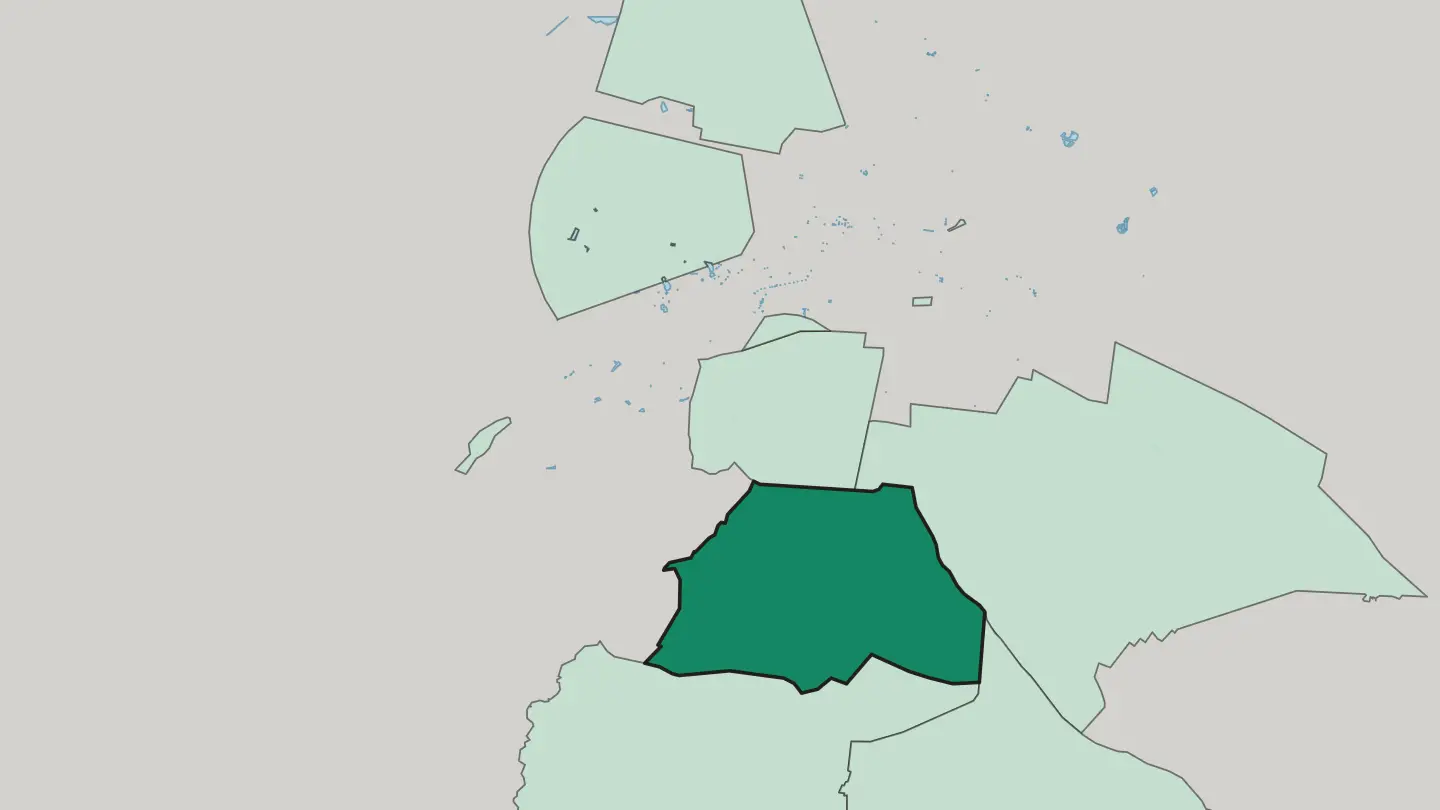
 Mexico CityMexico
Iztapalapa
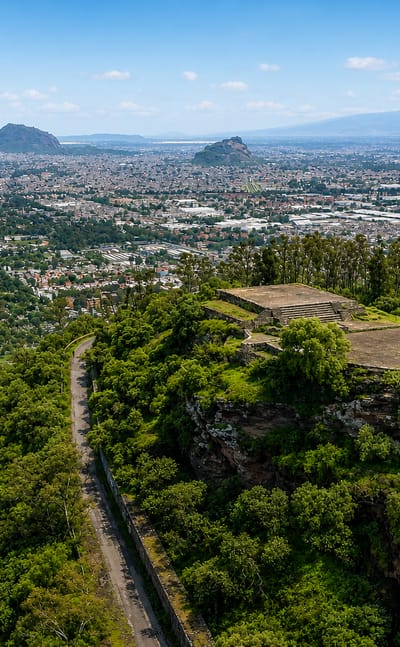
Iztapalapa is a borough on the eastern side of Mexico City, built around the volcanic hill of Cerro de la Estrella.Where to stay →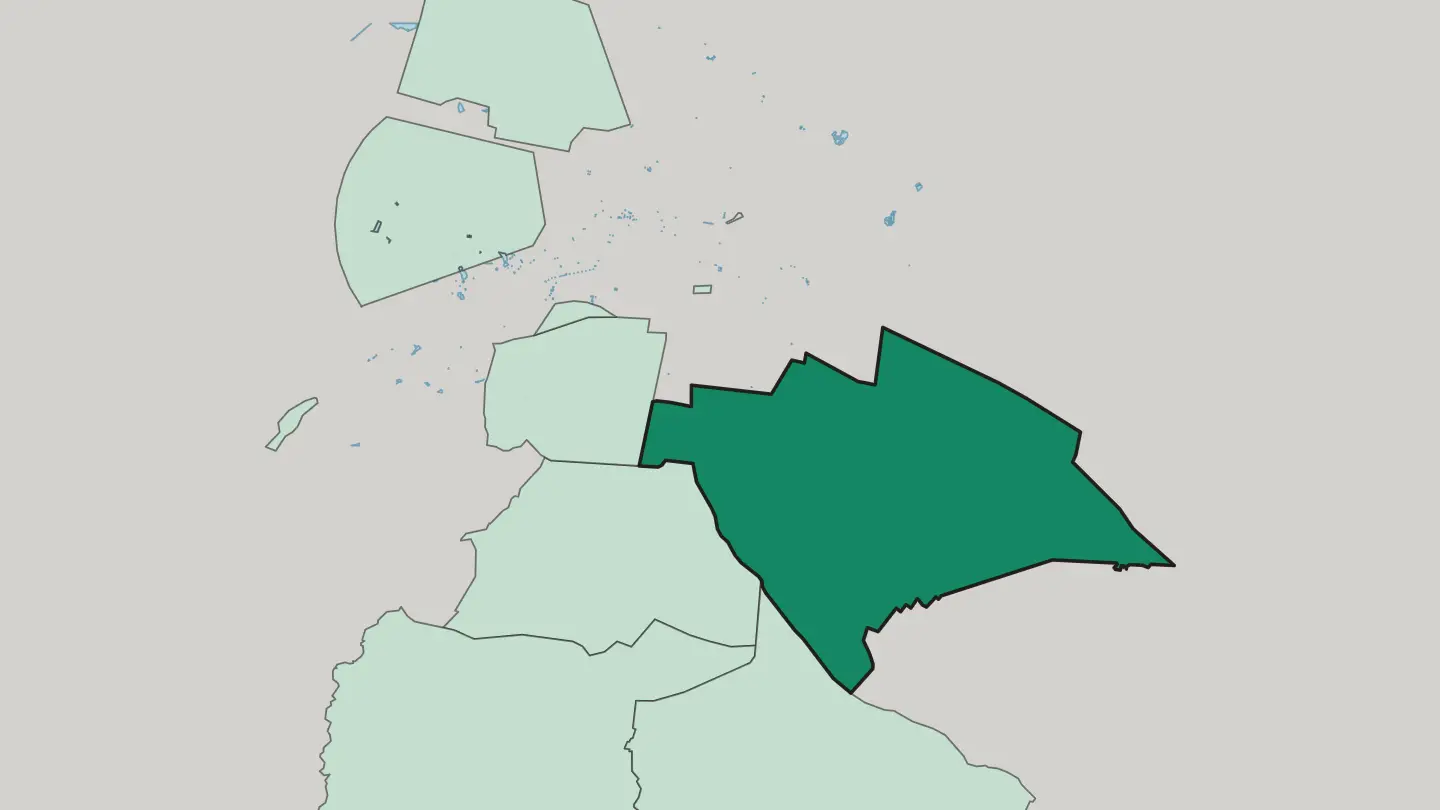
 Mexico CityMexico
Colonia del Valle
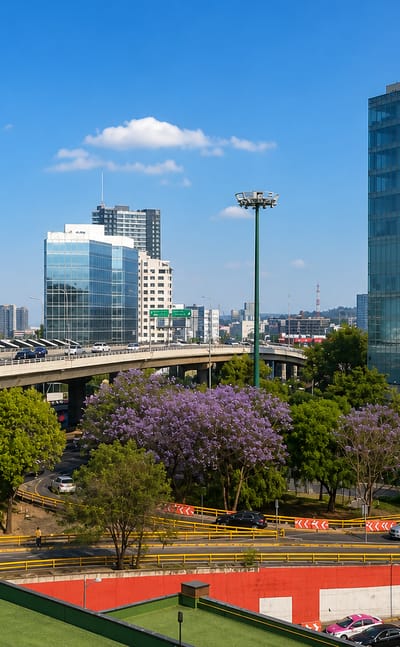
Colonia del Valle is a tree-lined colonia of the Benito Juárez borough, south of downtown Mexico City along Avenida Insurgentes.Where to stay →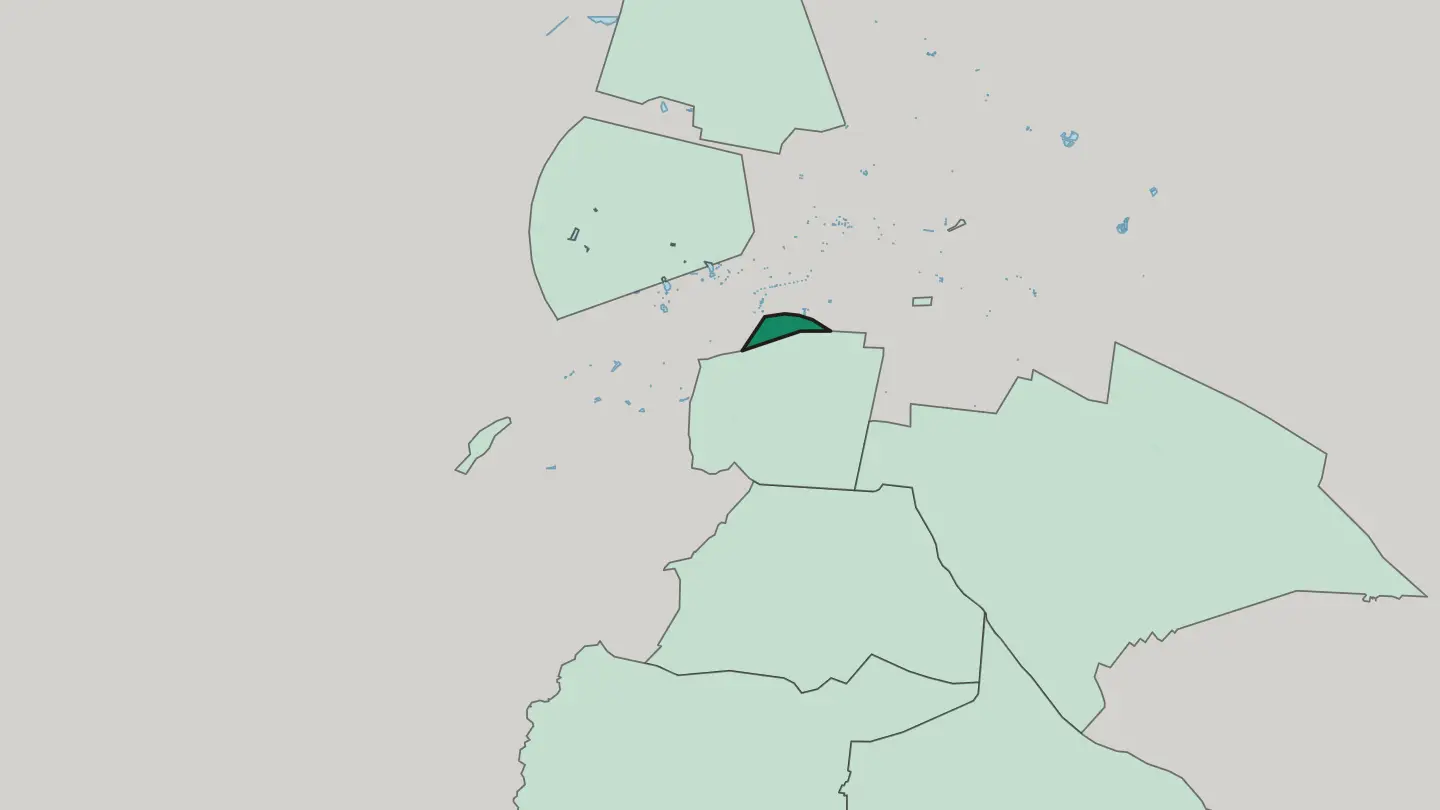
 Mexico CityMexico
Colonia Condesa
Condesa sits beside Colonia Roma in the Cuauhtémoc borough, the two together designated a Barrio Mágico Turístico.Where to stay →Mexico CityMexicoColonia Roma
Colonia Roma, also called La Roma, is a district of the Cuauhtémoc borough of Mexico City, made up of Roma Norte and Roma Sur.Where to stay → Mexico CityMexico
Miguel Hidalgo
Miguel Hidalgo is a borough of Mexico City wrapped around the Bosque de Chapultepec and its great museums.Where to stay →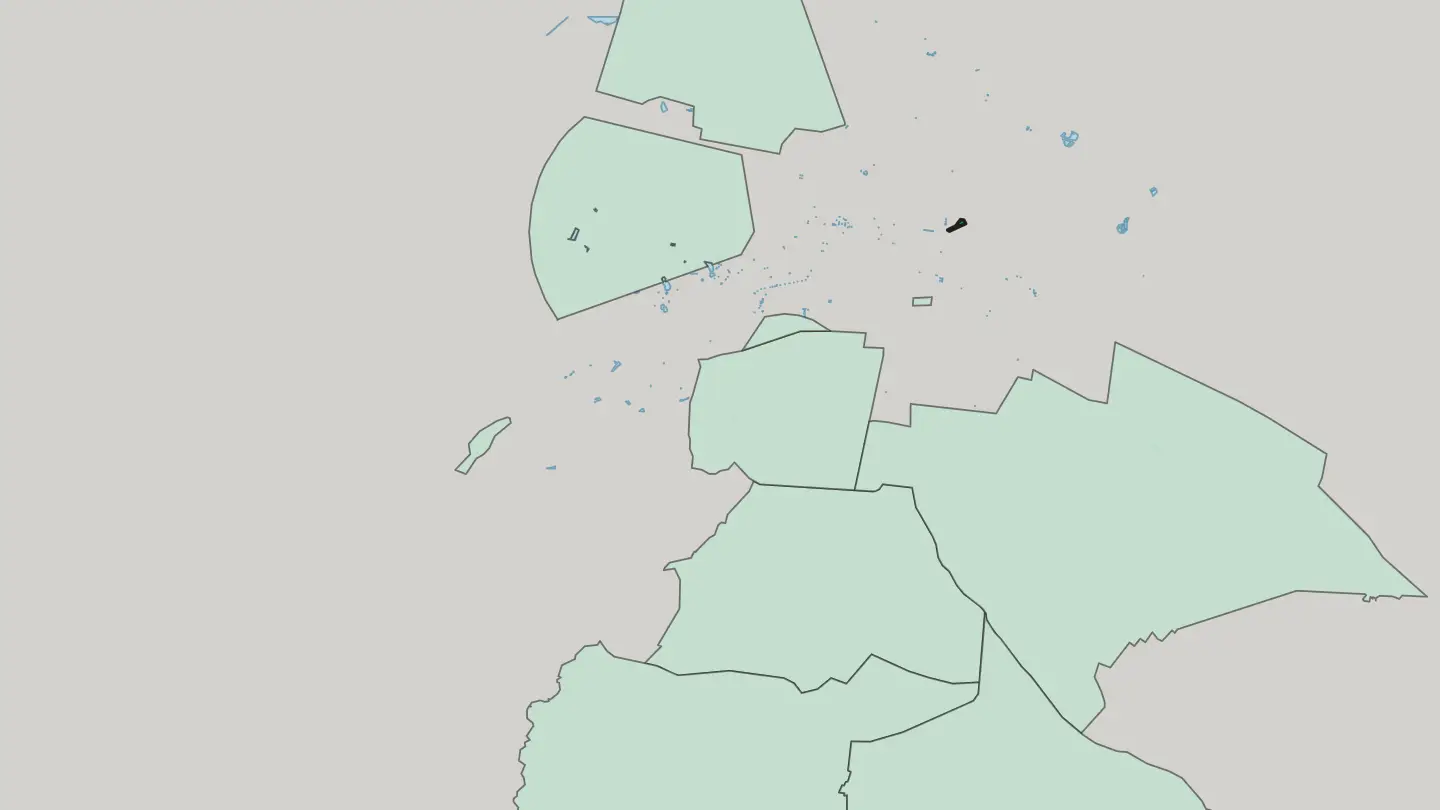 Mexico CityMexico
Colonia Juárez
Colonia Juárez is a Cuauhtémoc neighbourhood of small museums and street memorials, wedged between Paseo de la Reforma and Avenida Chapultepec.Where to stay →Mexico CityMexicoTabacalera
Tabacalera sits on the western border of Mexico City's historic centre, a colonia of museums, cantinas and the Monument to the Revolution.Where to stay →Mexico CityMexicoSan Rafael
San Rafael keeps French-styled mansions of the Porfirio Díaz era and some of Luis Barragán's first buildings, inside the Cuauhtémoc borough.Where to stay → Mexico CityMexico
Cuauhtémoc
Volcanic stone lies open at the Templo Mayor in Cuauhtémoc, the central borough of Mexico City, known for its historic downtown and Paseo de la Reforma.Where to stay →Mexico CityMexico
Álvaro Obregón
Álvaro Obregón covers a large share of south-west Mexico City, a borough whose older core holds the El Carmen complex and a run of museums.Where to stay →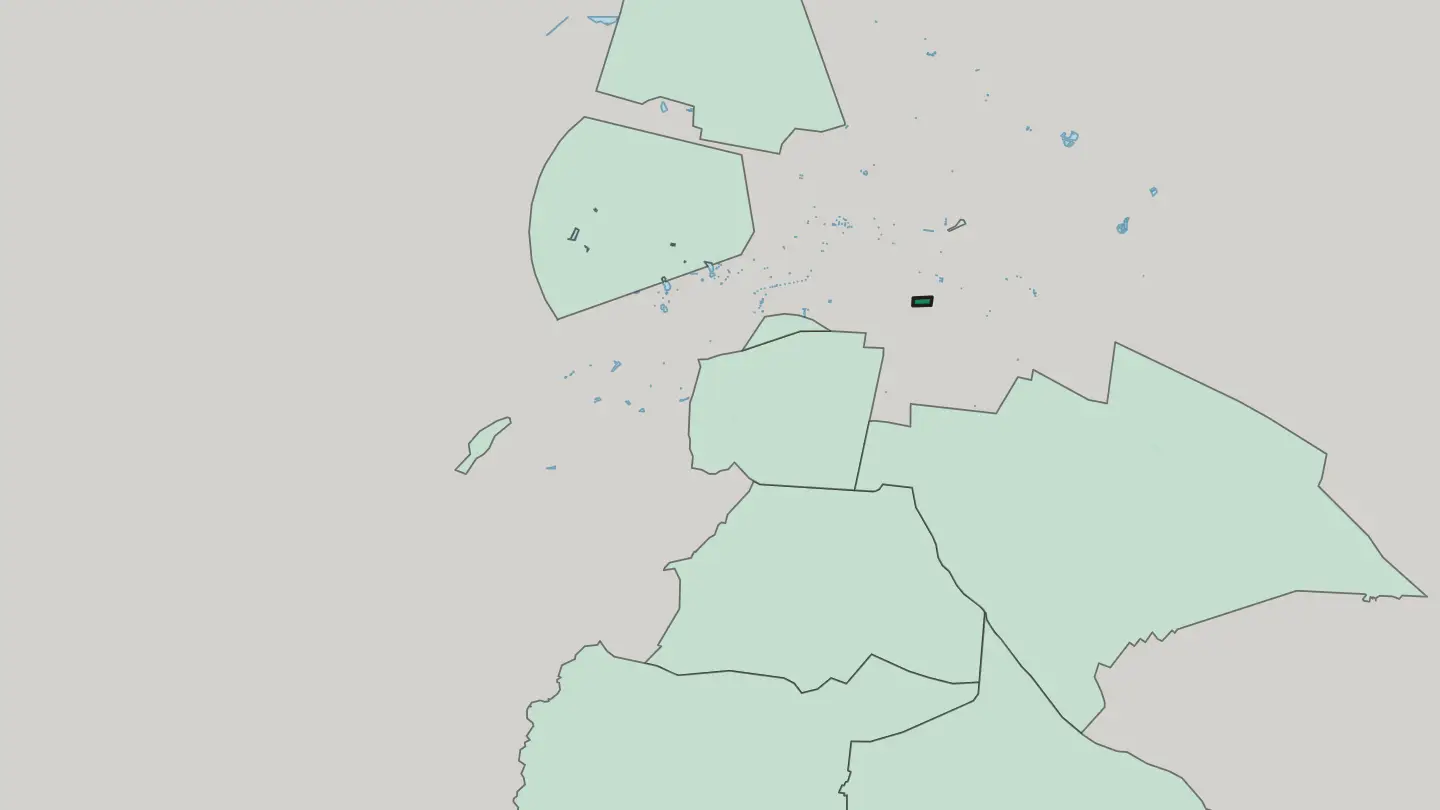
All neighbourhoods (18)
Mexico CityMexicoSanta María La Ribera
Santa María La Ribera is a Cuauhtémoc colonia of old mansions and tenements, laid out in the late 19th century beyond the city limits.Where to stay →Mexico CityMexico
Polanco
Polanco is an upscale district of Mexico City on the northern edge of Chapultepec, known for museums and shopping.Where to stay →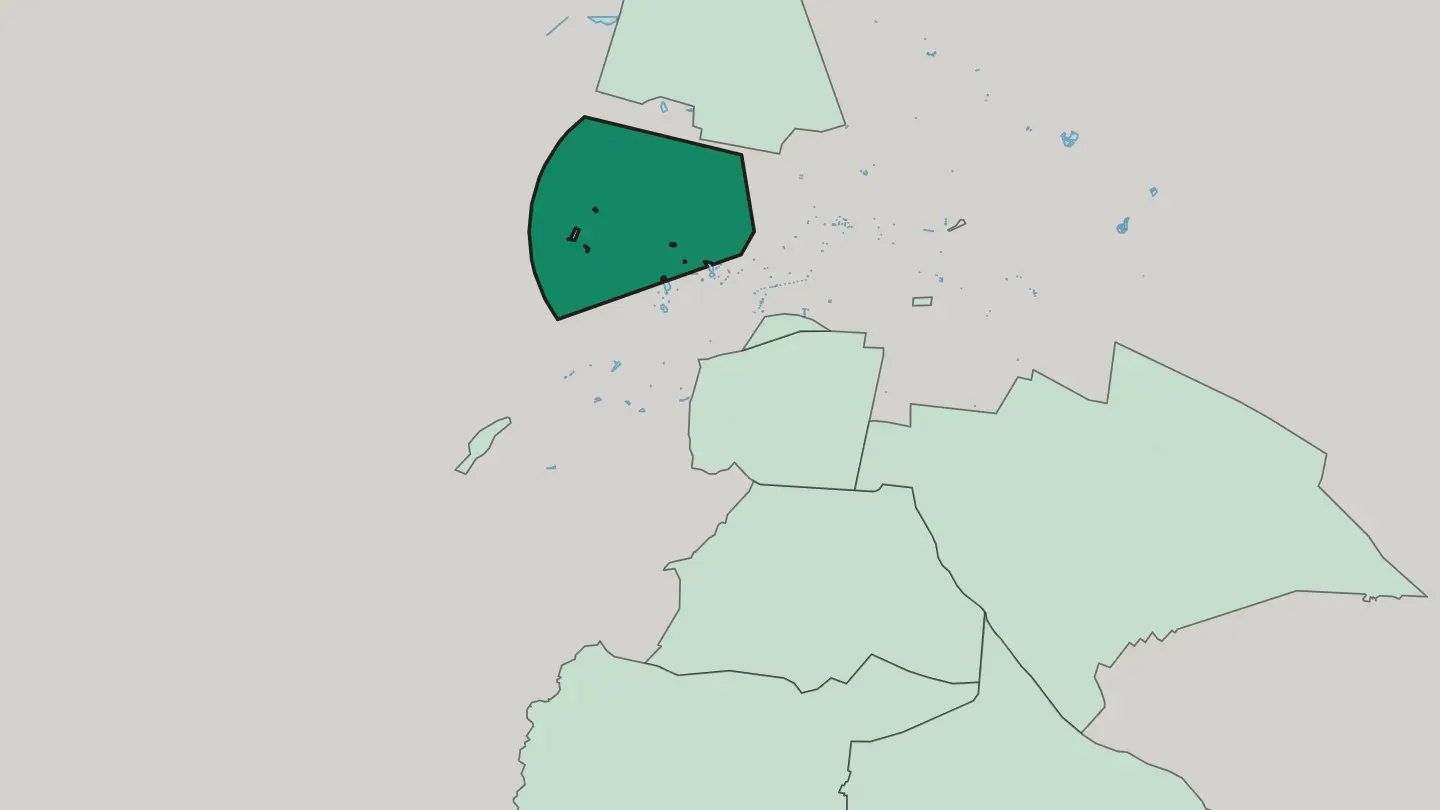
 Mexico CityMexico
Xochimilco
Xochimilco is the borough of Mexico City known for its chinampa canals and flat-bottomed trajinera boats.Where to stay → Mexico CityMexico
Santa Fe
Santa Fe is a modern business district in the west of Mexico City, built around Centro Santa Fe.Where to stay →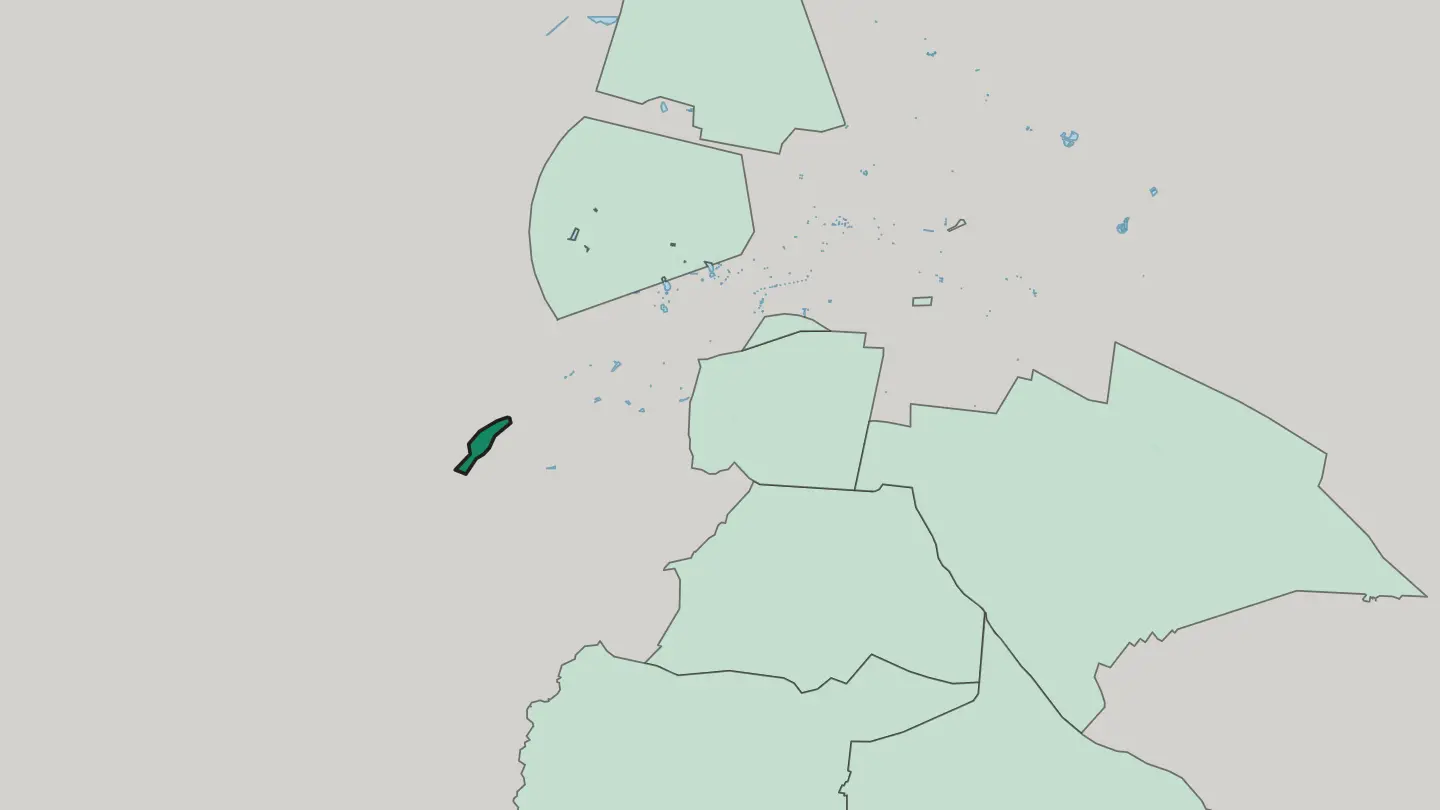
 Mexico CityMexico
Azcapotzalco
Azcapotzalco is a borough in the north-west of Mexico City, the old Tepanec seat of Tezozómoc, ringed by industry and colonial churches.Where to stay →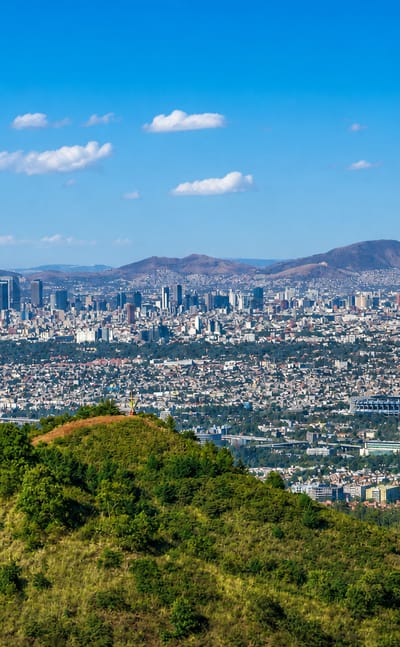 Mexico CityMexico
Tlalpan
Tlalpan is the southernmost borough of Mexico City, ringed by the Ajusco highlands and the ruined pyramid of Cuicuilco.Where to stay →Hotel links are affiliate links: booking through them may earn us a commission, at no extra cost to you. It never affects how places are ranked. How this works
Find hotels in Mexico City
Direct booking searches for these neighbourhoods.
Historic centre
The old core runs directly over the buried heart of Tenochtitlan, keeping the grand plazas, colonial churches and central museums of Mexico City on foot.Find hotels in Historic centreart-led stays near the Frida Kahlo MuseumSouthern museum quarters
The southern colonias gather the Frida Kahlo Museum, the Anahuacalli Museum and the Cineteca Nacional into an art-heavy base a metro ride from the centre.Find hotels in Southern museum quartersa village feel far from the crushCulhuacán
An old southern neighbourhood set around the Ex Convento de San Juan Evangelista, low-rise and quiet at the edge of the Valley of Mexico.Find hotels in CulhuacánHotel links are affiliate links: booking through them may earn us a commission, at no extra cost to you. It never affects how places are ranked. How this works
Things to do in Mexico City
Ranked by global recognition; descriptions from Wikidata (CC0).
Museums & Galleries
6- Luis Barragán House and Studio UNESCO
- Frida Kahlo Museum Heritage
- Museo Nacional de Arte Heritage
- Museo Casa Estudio Diego Rivera y Frida Kahlo Heritage
- Museo Kaluz Heritage
Show 1 more →
- Museo de Paleontología de la UNAM Heritage
Churches & Religious Sites
3- Templo Mayor
- iglesia de San Juan Bautista
- Church of San Francisco
Castles & Historic Sites
3- Angel of Independence Heritage
- Zona Arqueológica Cerro de la Estrella Heritage
- National Palace
Stadiums & Sports
1- Alberca Olímpica Francisco Márquez
worth knowingacross 4 categories in Mexico City
About Mexico City
What is Mexico City known for?
Mexico City is known as the capital of Mexico and the cultural heart of the country. It draws visitors to a dense core of museums, among them the Frida Kahlo Museum and the Cineteca Nacional. Grand plazas and colonial churches fill the old centre.
The city stands over the ruins of Tenochtitlan, the Aztec capital, and ranks as the largest city in North America. Museums run into the hundreds here.
What are the main landmarks in Mexico City?
Museums stand at almost every turn in Mexico City. The Frida Kahlo Museum and the Anahuacalli Museum honour the city's artists, while the Leon Trotsky House Museum keeps its exile's rooms intact. The Cineteca Nacional screens film, and the Planetario Joaquín Gallo maps the night sky.
Colonial churches such as the iglesia de San Juan Bautista mark the older squares. The city's past reaches back to its founding in 1521.
What is the history of Mexico City?
Mexico City began as Tenochtitlan, the Aztec capital that stood on this ground before any European arrived. That first city ranked among the great capitals of the Americas. Its Spanish founding is dated to 1521, when the conquest of Tenochtitlan brought a new city, raised on the ruins of the old, at the head of the colony of New Spain.
For centuries the capital governed a colonial territory that reached far across the North American continent. The old and the new sat one atop the other. After independence the city became the capital of the Mexican republic, and its hold over the country only deepened.
Through the 20th century it grew fast, spreading across the floor of the Valley of Mexico until it became the largest city in North America. The old plazas kept their place at the centre. Roads, rail and metro lines chased the growth outward.
Layer after layer remains. Aztec foundations, colonial churches and modern towers stand within a few streets of one another, and the museums of the capital, from the Frida Kahlo Museum to the Cineteca Nacional, keep that long record in view.
Where is Mexico City?
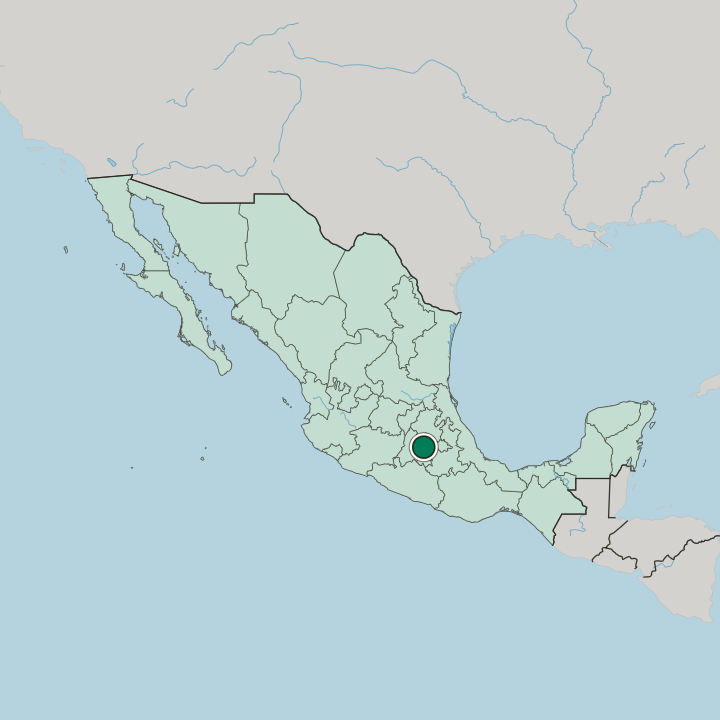
Mexico City sits on the floor of the Valley of Mexico, a high basin on the Mexican Central Plateau. The built-up area sprawls across that basin and climbs its edges, spilling from the old centre into boroughs like Benito Juárez and older southern neighbourhoods such as Culhuacán. Thin, high air marks the whole site.
The city stands well above sea level, high enough to keep its days temperate. Flat ground fills the middle.
What is the climate of Mexico City?
Mexico City has a mild, high-altitude climate that owes more to its elevation than to the tropics around it. Warm, bright days give way to cool nights across most of the year. The wet season brings afternoon storms in the warmer months.
Winters stay dry and clear, with only rare frost on the high floor of the Valley of Mexico. Spring feels almost constant.
How do you get to Mexico City?
Mexico City is the main entry point to the country, and its airport is a major hub for the whole of the Americas. Long-haul flights land here from across the world. From the terminals, a wide metro and a network of buses carry travellers across the Valley of Mexico.
Highways and rail lines link the capital to every corner of Mexico. Traffic is the one constant.
Common questions
What is the best area to stay in Mexico City?
Historic centre: a first stay among the great plazas and museums. Southern museum quarters: art-led stays near the Frida Kahlo Museum. Benito Juárez: quiet, leafy nights with fast metro links. Culhuacán: a village feel far from the crush.
Good for
Updated October 2026