Mexico
Ciudad de México, Mexico — Towns & Travel Guide
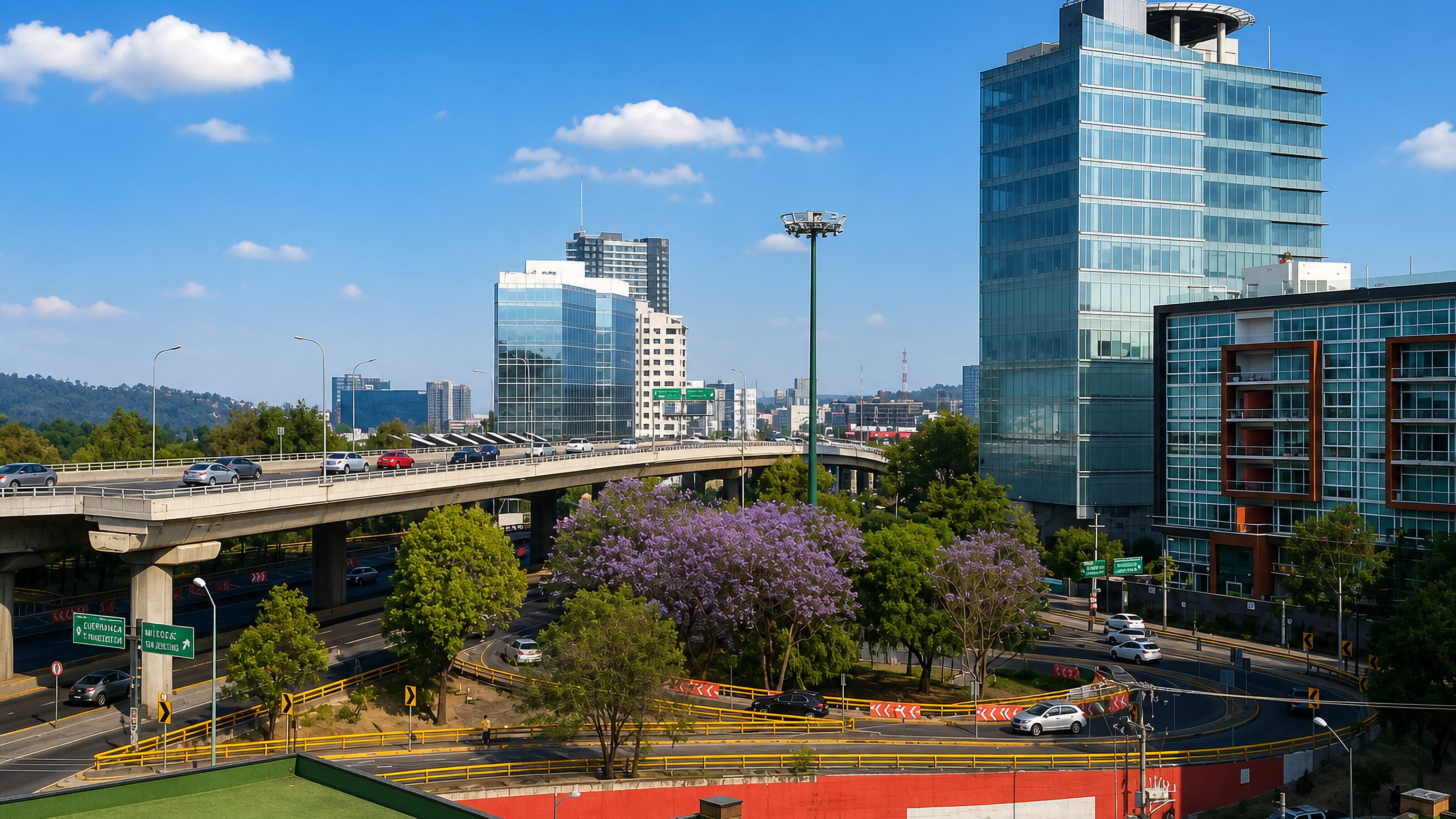
Ciudad de México is Mexico's capital region, rising across the Valley of Mexico where the Aztec capital Tenochtitlan once stood.
Hotel links are affiliate links: booking through them may earn us a commission, at no extra cost to you. It never affects how places are ranked. How this works


Towns & cities in Ciudad de México
One town here has its own guide — it links to where to stay.
 Mexico
Mexico City
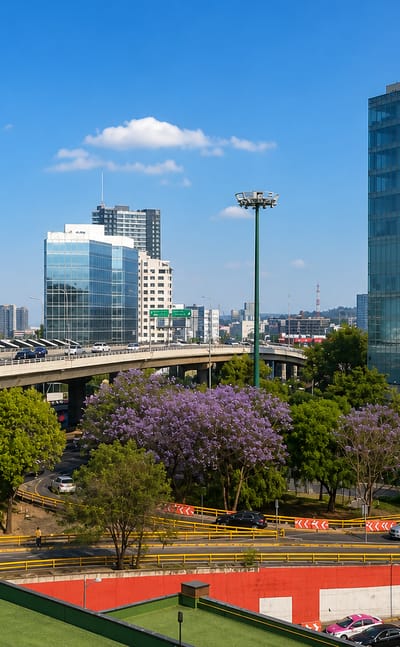
Mexico City is Mexico's capital, filling the high Valley of Mexico with grand plazas and museums above the ruins of Tenochtitlan.Where to stay →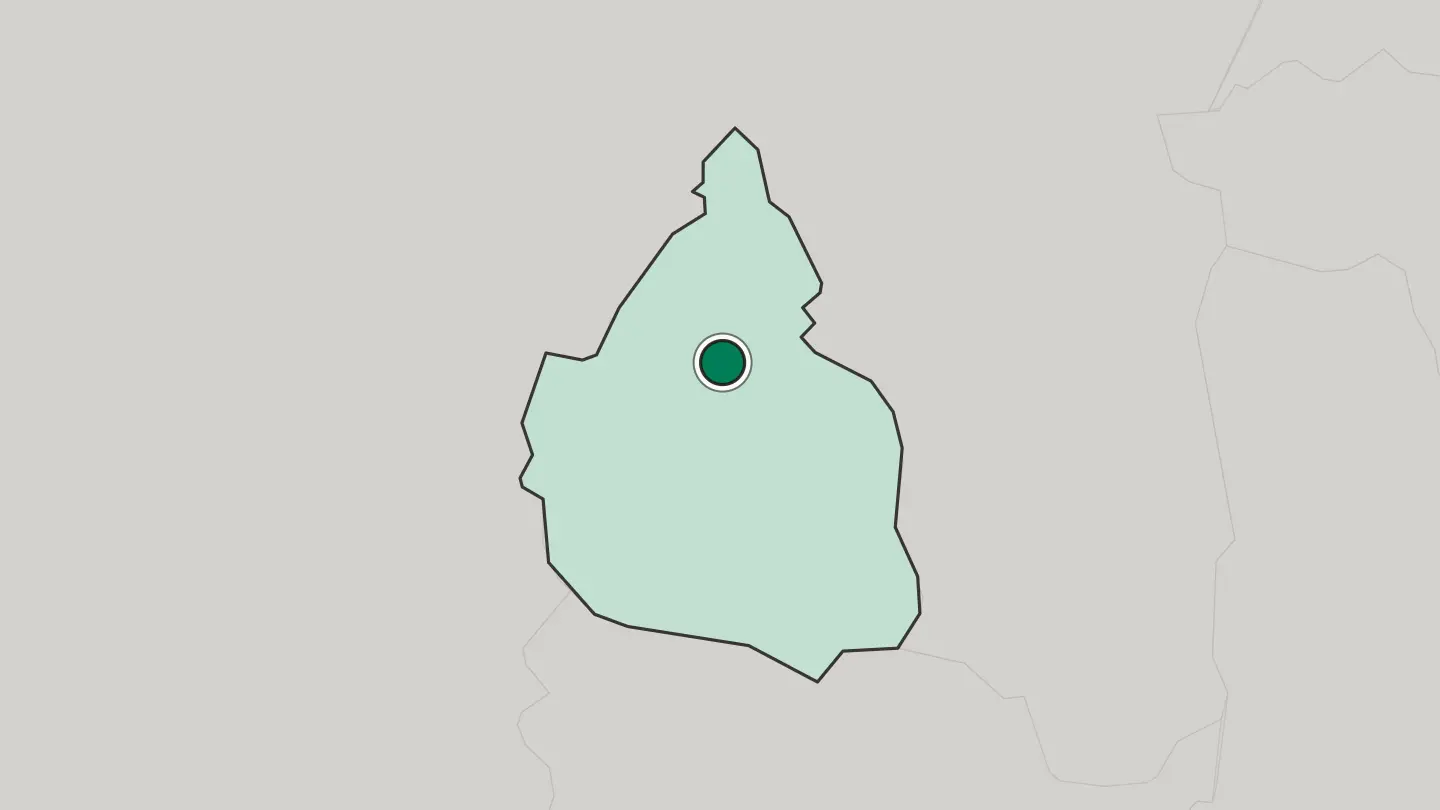
Hotel links are affiliate links: booking through them may earn us a commission, at no extra cost to you. It never affects how places are ranked. How this works
About Ciudad de México
What is Ciudad de México known for?
Ciudad de México is known first as the seat of Mexican government and one of the great cultural and financial centres of the Americas. Its old core rests on Tenochtitlan. That Aztec capital later became the head city of New Spain, and the boroughs of the modern capital, the alcaldías, still fan out across the Valley of Mexico.
Museums, plazas and colonial churches crowd its central colonias. It anchors the largest urban region in North America.
Where is Ciudad de México?
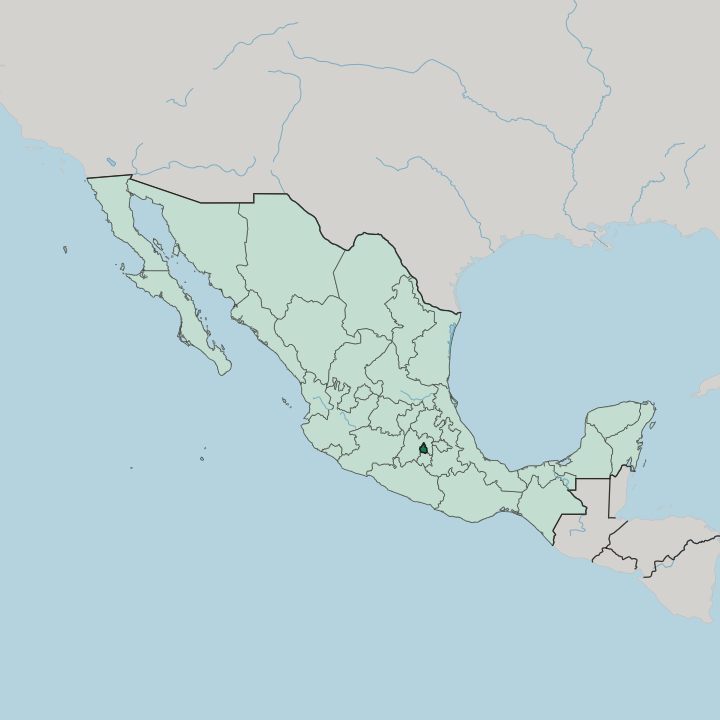
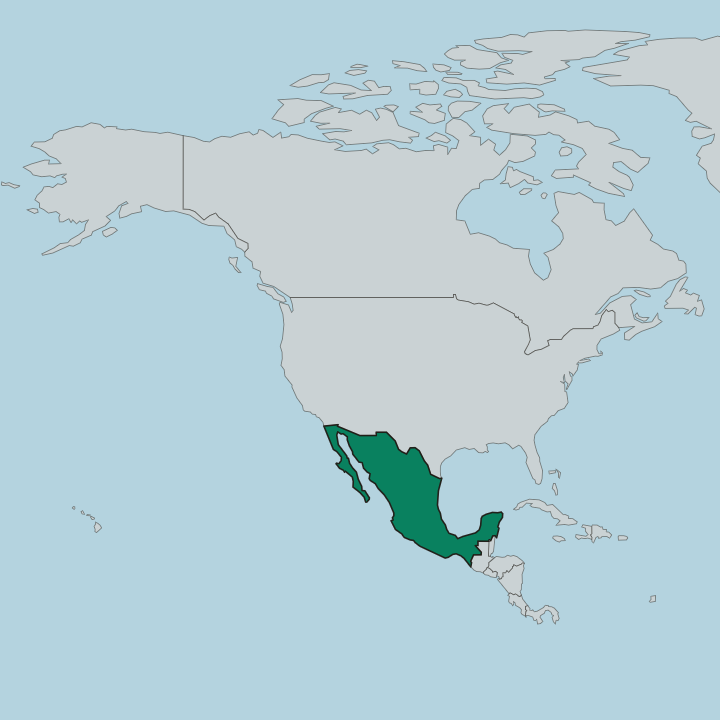
Ciudad de México lies in the Valley of Mexico, a high basin on the Mexican Central Plateau near the middle of the country. The floor of that basin stands far above sea level, high enough to soften the tropical setting in which the region sits. Mexico spreads out on every side of it.
The plateau lifts the whole basin to one of the highest settings of any major city on the American continent, and the ground itself carries the ruins of Tenochtitlan, the Aztec capital that stood here long before New Spain. Within its boundaries the capital divides into 16 boroughs, the alcaldías, which break down further into the neighbourhoods called colonias. Small in area yet dense, the region forms the political and economic core of the whole of Mexico.
This single basin holds the largest urban region anywhere on the continent. Roads, rail and flights all converge here. From this basin the country's main routes run outward toward the coasts and the distant states, and Mexico City, the capital proper, fills the valley and gives the whole region its single dominant city.
What is Ciudad de México like?
Ciudad de México is the cultural centre of Mexico and one of the leading cultural capitals of the Americas. Spanish is the working language of its streets, plazas and markets. The old core layers two worlds: the ground of the Aztec capital Tenochtitlan below, and the colonial city of New Spain raised above it in stone.
Museums, colonial churches and public plazas fill the central colonias, and the calendar of the capital turns on the great civic and religious festivals of the country. Each of the 16 alcaldías keeps its own character, from grand civic quarters to older village-like colonias that the growing city has swallowed. Food, music and craft draw on traditions carried in from every state of Mexico.
The result is dense and varied. As the seat of national government and the country's largest gathering of theatres, galleries and universities, the region sets much of the cultural tone for the rest of Mexico, and its pull reaches far beyond the Valley of Mexico.
What is the history of Ciudad de México?
Ciudad de México dates its Spanish founding to 1521, when the fall of the Aztec capital Tenochtitlan cleared the way for a new city raised on its ruins. That city became the capital of New Spain. From here a vast colonial territory was governed for generations, until independence made the same city the capital of the Mexican republic.
The old ground still holds it all.
What is the climate of Ciudad de México?
Ciudad de México has a mild highland climate, shaped by its altitude rather than its tropical setting. The thin air of the Valley of Mexico keeps the heat in check, so days stay warm and evenings turn cool through much of the year. Warmer months bring the heavier rains.
Drier, clearer spells settle in over the cooler part of the year. Frost is rare on the plateau.
How do you get to Ciudad de México?
Ciudad de México is the busiest travel hub in the country, and most journeys across central Mexico still pass through it. Roads and railways from every direction converge on the Valley of Mexico. The capital's airport links the region to the rest of North America and to cities far beyond the continent.
Buses, metro lines and highways then spread travellers out across the 16 alcaldías. Getting in is easy. Leaving at rush hour is not.
Common questions
What is the best area to stay in Ciudad de México?
Central colonias: a first stay within walking reach of the old core. Outer alcaldías: quieter, greener nights beyond the centre.
More regions in Mexico
Updated September 2026