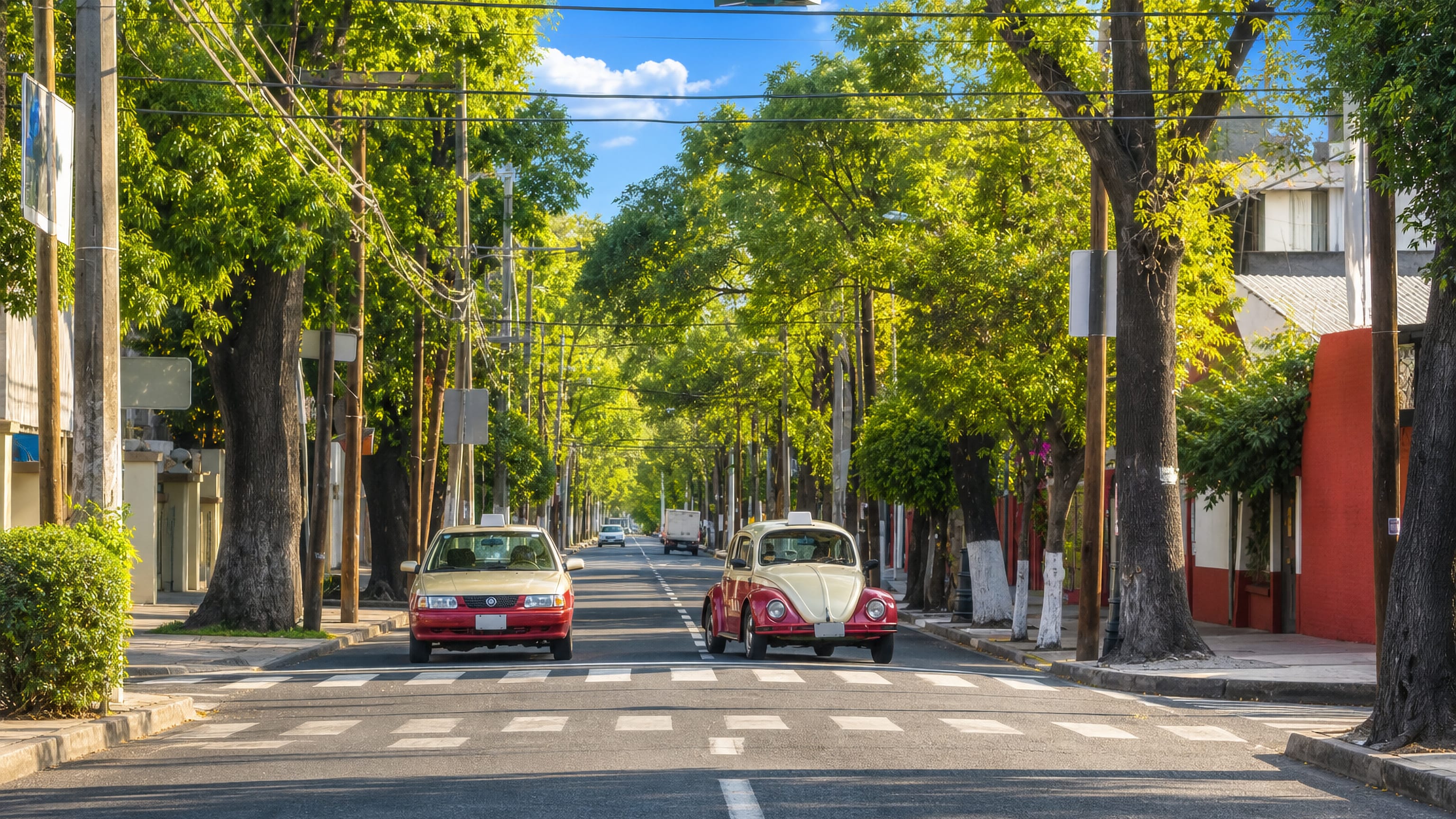
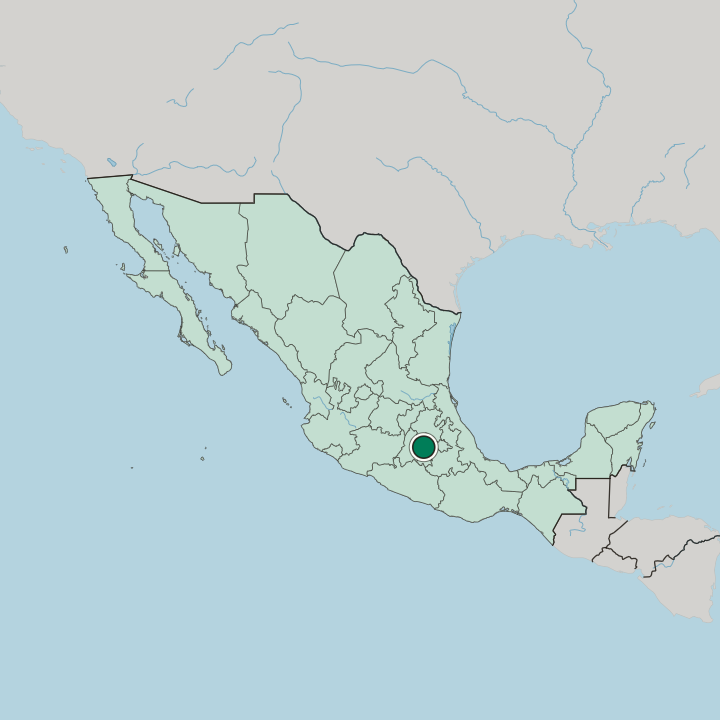
Mexico · Ciudad de México · Mexico City
Azcapotzalco, Mexico City — Area Guide & Where to Stay
Azcapotzalco is a borough in the north-west of Mexico City, the old Tepanec seat of Tezozómoc, ringed by industry and colonial churches.
Hotel links are affiliate links: booking through them may earn us a commission, at no extra cost to you. It never affects how places are ranked. How this works


Where to stay in Azcapotzalco
The practical side of choosing where to sleep.
Azcapotzalco holds few tourist hotels, so most beds sit near its transport edges rather than a hotel strip. Plan around the metro. The El Rosario interchange in the north gives fast reach to central Mexico City, while the older core around the Parroquia de San Felipe y Santiago Apóstoles keeps the borough's quiet, low-rise character and puts the Museo de Azcapotzalco within a short walk.
Industry defines the east. Rooms thin out toward the Ferrería rail yards and the Vallejo works.
Find hotels in Azcapotzalco
Direct booking searches for these neighbourhoods.
Centro de Azcapotzalco
The atrium of the Parroquia de San Felipe y Santiago Apóstoles anchors the old plaza, with the Museo de Azcapotzalco and low colonial streets within a few blocks. Beds are limited here, so book early.Find hotels in Centro de Azcapotzalcotransit-first stays with fast metro reach to the centreEl Rosario
The El Rosario metro interchange links two lines and a bus terminal, opening a quick run into central Mexico City from the borough's northern edge. Beds are limited here, so book early.Find hotels in El RosarioHotel links are affiliate links: booking through them may earn us a commission, at no extra cost to you. It never affects how places are ranked. How this works
About Azcapotzalco
What are the main landmarks in Azcapotzalco?
The Parroquia de San Felipe y Santiago Apóstoles, raised in 1565, dominates the old centre and is said to hold the largest atrium of any church in Mexico City. It rewards a slow visit. Two museums carry the borough's memory: the Museo Tezozómoc, named for the Tepanec ruler, and the Museo de Azcapotzalco, which gathers the local record of a place whose Nahuatl name means the anthills.
Metro art marks the ground too. The Tezozómoc and Ferrería stations tie these sites to the wider Mexico City network.
What is the history of Azcapotzalco?
Azcapotzalco was the capital of the Tepanec, and under Tezozómoc, who ruled from 1367 to 1427, its power reached across much of the Valley of Mexico. That dominance did not last. When the Triple Alliance overthrew the Tepanec in 1428, the city was sacked and the young Tenochtitlan rose in its place, and Azcapotzalco slipped from a seat of empire to a village outside the growing capital.
Spanish friars later built here. The Parroquia de San Felipe y Santiago Apóstoles dates from 1565, and the district became a formal borough of Mexico City in 1928.
Where is Azcapotzalco?
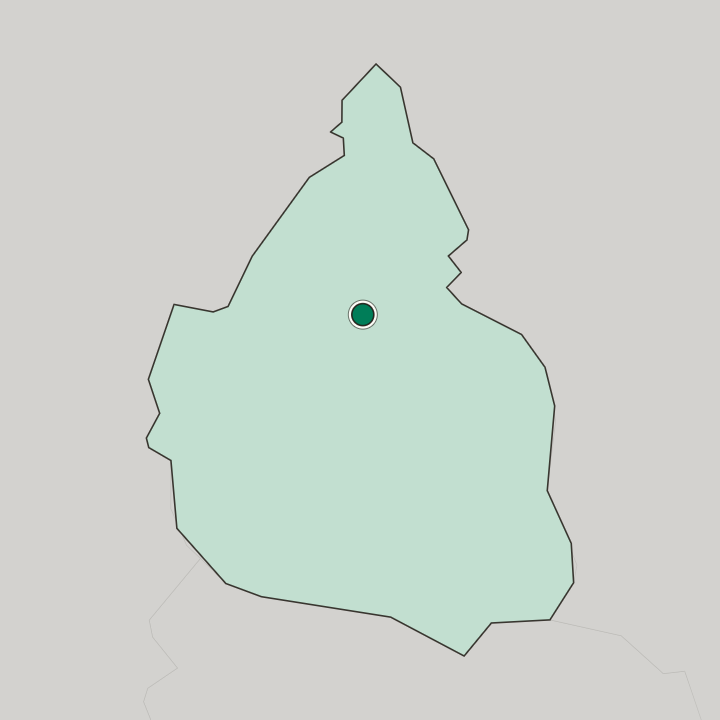
Azcapotzalco spreads across the flat floor of the Valley of Mexico in the north-west of Mexico City, sharing its southern edge with the Miguel Hidalgo borough, its low grid broken by the Ferrería rail yards and the Vallejo industrial belt.
Common questions
What is the best area to stay in Azcapotzalco?
Centro de Azcapotzalco: walkers who want the borough's colonial core on foot. El Rosario: transit-first stays with fast metro reach to the centre.
Good for
More areas in Mexico City
Updated September 2026