Netherlands · Provincie Zuid-Holland
Where to Stay in Zoetermeer, Provincie Zuid-Holland
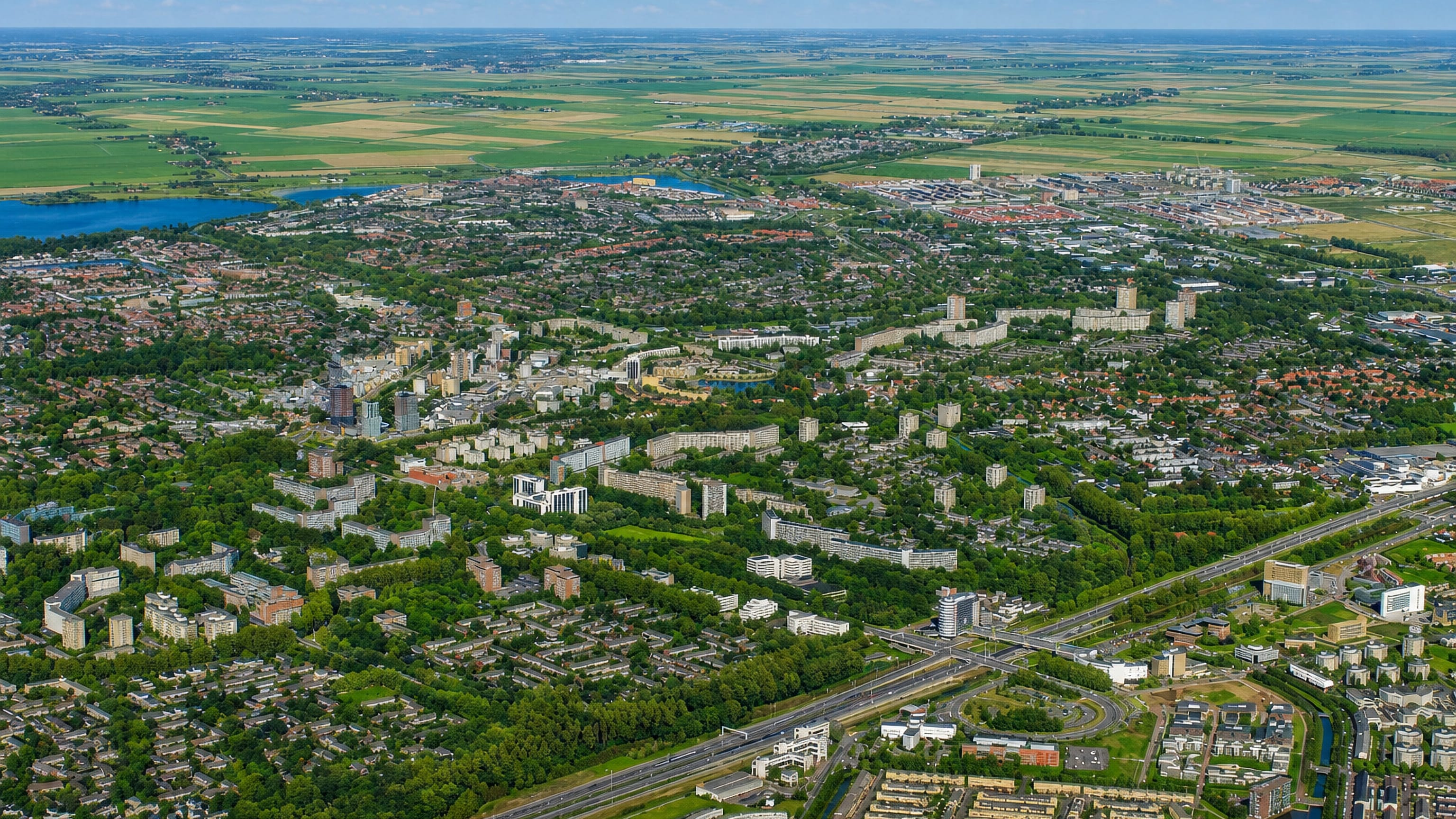
Peat made the first village. Zoetermeer grew into a city beside The Hague, and the Old Church is what survives from its centuries as a peat village.
Hotel links are affiliate links: booking through them may earn us a commission, at no extra cost to you. It never affects how places are ranked. How this works


Where to stay in Zoetermeer
Where you base yourself shapes the visit — here's the character of each area.

 ZoetermeerNetherlands
Palenstein
A Zoetermeer district with a RandstadRail stop of the same name, Palenstein counts three churches and Museum De Voorde among its recorded sites.Where to stay →ZoetermeerNetherlandsZegwaart
Zegwaart was a village east of Zoetermeer in South Holland, absorbed into the city and remembered in the Seghwaert district named for it.Where to stay →ZoetermeerNetherlandsDriemanspolder
Driemanspolder is a district of Zoetermeer in the Netherlands, sharing its name with the RandstadRail station that serves it.Where to stay →Hotel links are affiliate links: booking through them may earn us a commission, at no extra cost to you. It never affects how places are ranked. How this works
Find hotels in Zoetermeer
Direct booking searches for these neighbourhoods.
Old Church quarter
Old Church and the Hervormde kerk stand on the village street the new districts were built around.Find hotels in Old Church quartera stay with the town's own collection at walking distanceMuseum De Voorde side
Museum De Voorde gives this side of Zoetermeer the one indoor stop that is not a parish church.Find hotels in Museum De Voorde sideswapping a quiet evening for a capital's choice of roomsThe Hague
Zoetermeer belongs to the Greater The Hague urban area, so The Hague's beds are a short ride from Old Church.Find hotels in The HagueHotel links are affiliate links: booking through them may earn us a commission, at no extra cost to you. It never affects how places are ranked. How this works
Things to do in Zoetermeer
Ranked by global recognition; descriptions from Wikidata (CC0).
Museums & Galleries
1- Museum De Voorde
Churches & Religious Sites
3- Old Church Heritage
- H. Nicolaaskerk, Zoetermeer Heritage
- Kerkelijk centrum De Oase, Zoetermeer
Landmarks & Notable Places
3- Nabij Zoetermeer Heritage
- Norge Zoetermeer Heritage
- Hooge Woning Heritage
worth knowingacross 3 categories in Zoetermeer
About Zoetermeer
Zoetermeer is a new town.
What is Zoetermeer known for?
Most of what stands here went up in the second half of the twentieth century, when a village of peat diggers and small farms was rebuilt as somewhere for people working in The Hague to live. The old core remains. Old Church and the Hervormde kerk mark the settlement that came before, and Museum De Voorde carries the part of the story that rows of housing cannot tell on their own.
What are the main landmarks in Zoetermeer?
There is not much on Zoetermeer's list. Old Church anchors it, with the Hervormde kerk, the H. Nicolaaskerk and R.K. Kerk De Doortocht covering the parishes the town accumulated as it filled out.
Museum De Voorde is the indoor stop. De Olijftak and Hooge Woning turn up among the other named buildings recorded here, and none of them are large; the interest lies in what was kept rather than in any single monument.
What is the history of Zoetermeer?
Peat came first. The earliest record of Zoetermeer dates from the 11th century, when veen was cut out of the wet ground here and sold as fuel for stoves, which is as clear a founding trade as any settlement on this land could claim. Digging shaped the ground.
Taking the peat away left water and soft fields behind, and the village stayed small on what remained, with Old Church serving a parish that changed very little across centuries. That lasted a long time. Zoetermeer was still a village well into the twentieth century, and the Hervormde kerk and the H. Nicolaaskerk belong to that older and slower arrangement.
Then the plan arrived. Zoetermeer was built up to take housing for The Hague, and the construction that followed turned a farming parish into one of the largest urban centres in South Holland, behind Rotterdam, The Hague and Leiden. Districts went up in rings.
The new town absorbed the old street instead of erasing it, so Old Church stands where it always stood while the estates run outward around it. Independence came with size. Zoetermeer counts as a city in its own right while remaining part of the Greater The Hague urban area, and Museum De Voorde is where its own record is kept.
Where is Zoetermeer?
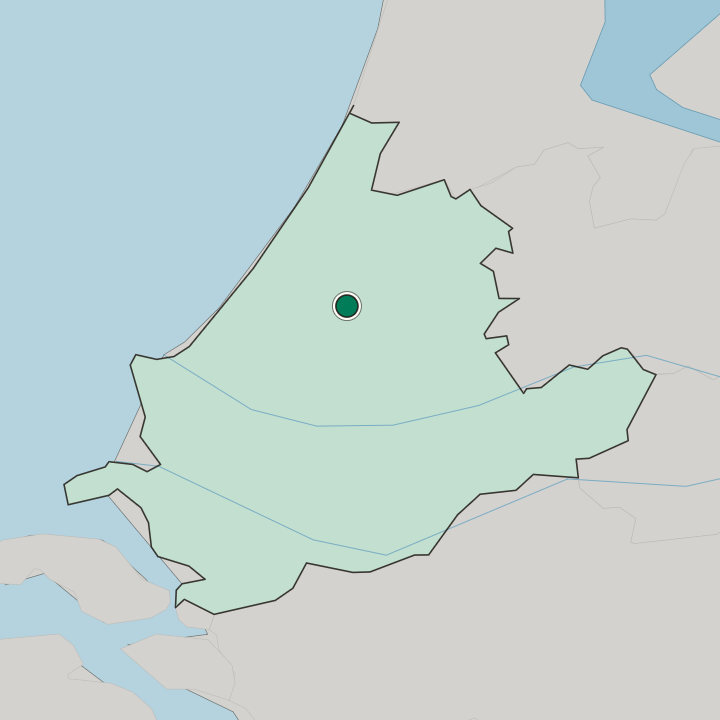
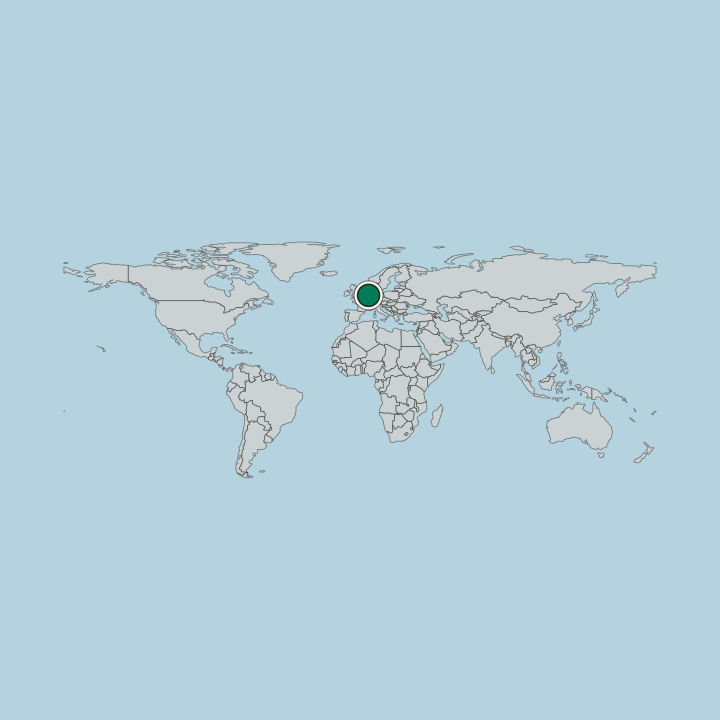
The ground here is low and wet. Zoetermeer lies on former peat land in South Holland, close to The Hague, where the water in the landscape is managed rather than natural and no part of the municipality rises much above the rest. The area is small.
Only a fraction of the ground the municipality administers is water, and the built-up districts take up most of what is left, which leaves the town compact by any measure.
What is the climate of Zoetermeer?
Mild is the rule. Zoetermeer sits in the temperate band, where rain turns up in every season and neither winter nor summer pushes far from the middle, so the gap between one month and another is smaller than most visitors expect. Damp ground keeps mornings misty.
Wind crosses the open land around the town with little to slow it, and the newer districts, laid out wide, catch more of it than the old street by Old Church.
How do you get to Zoetermeer?
The Hague is the hinge. Zoetermeer sits inside the Greater The Hague urban area, and the rail and road connections built for that area bring in almost everyone, since nothing arrives from outside the region directly. Rotterdam and Leiden are close.
Distances between the four are short enough that a visitor based in one can reach the others inside an hour, which is the practical case for sleeping in Zoetermeer at all.
Common questions
What is the best area to stay in Zoetermeer?
Old Church quarter: the one part of town that predates the planning. Museum De Voorde side: a stay with the town's own collection at walking distance. The Hague: swapping a quiet evening for a capital's choice of rooms.
Good for
More cities in Provincie Zuid-Holland
Updated October 2026