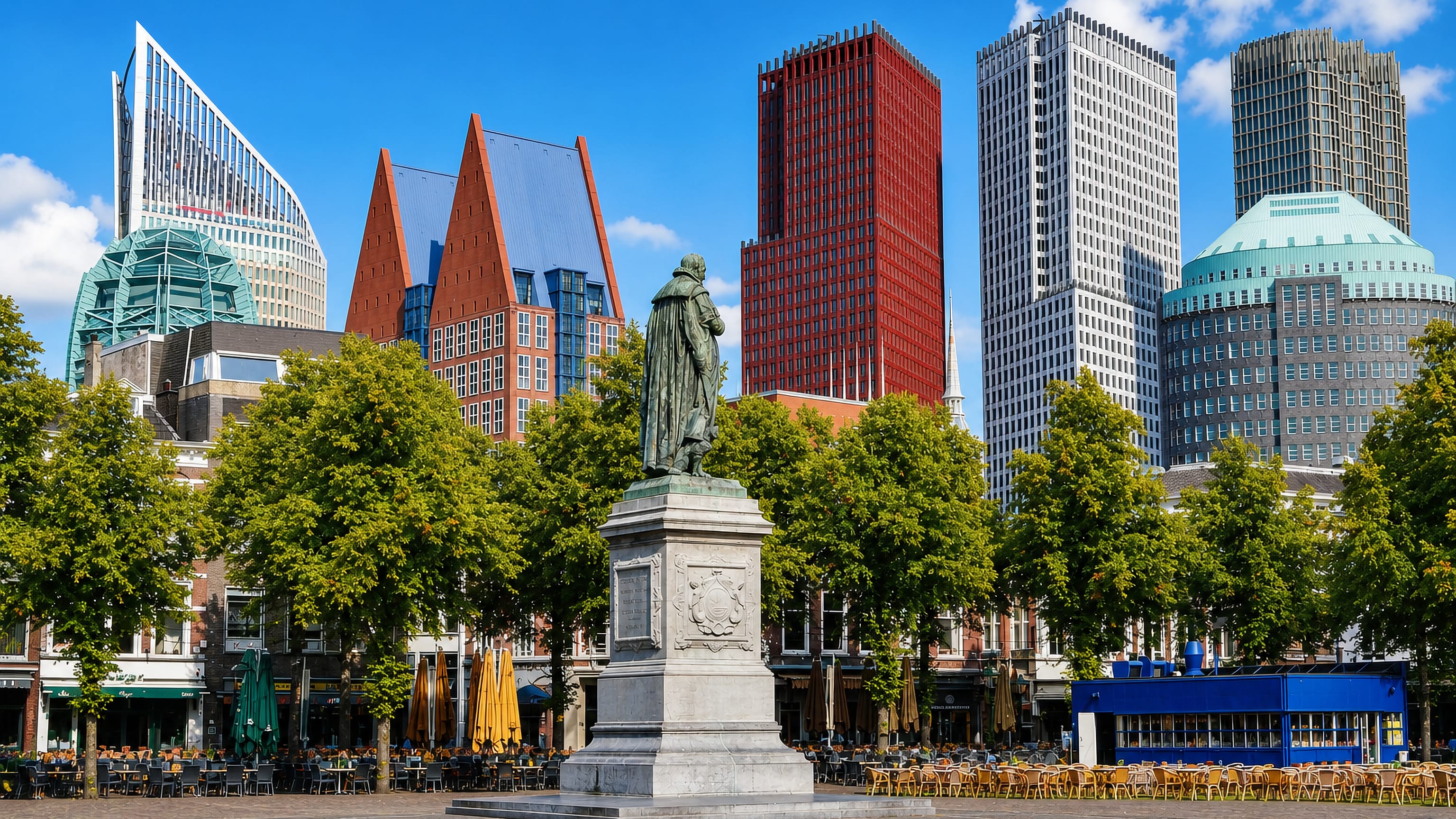
Netherlands · Provincie Zuid-Holland
Where to Stay in The Hague, Provincie Zuid-Holland
The Hague faces the North Sea in Zuid-Holland, the seat of Dutch government and home to the Peace Palace and the Binnenhof.
Hotel links are affiliate links: booking through them may earn us a commission, at no extra cost to you. It never affects how places are ranked. How this works


Where to stay in The Hague
The right area depends on your trip — here's what each neighbourhood is best for.

 The HagueNetherlands
Scheveningen
The seafront resort below the Kurhaus of Scheveningen trades the government quarter for North Sea sand and the sculpture park of Beelden aan Zee.Scheveningen →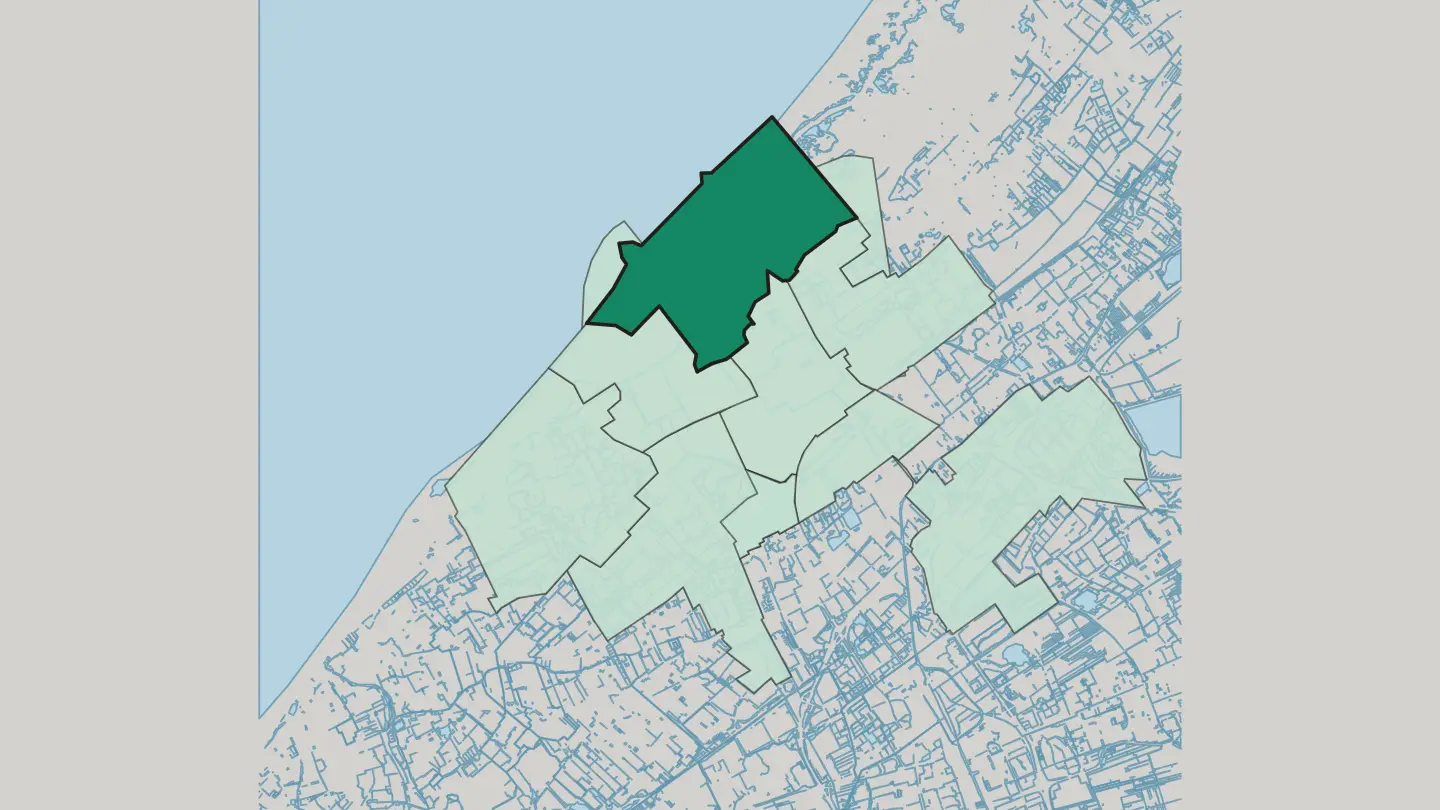
 The HagueNetherlands
Schilderswijk
Schilderswijk is a dense quarter just south of The Hague's historic centre, the Painters' Quarter, named for the Dutch artists on its street signs.Where to stay →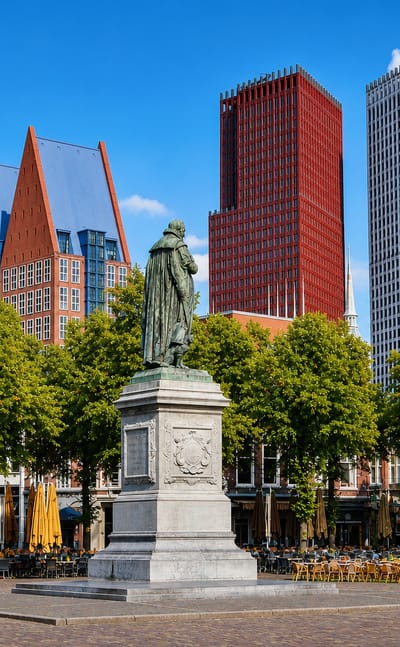 The HagueNetherlands
Haagse Bos
Haagse Bos is a forest and neighbourhood of The Hague, in the Haagse Hout district, and one of the oldest surviving forests in the Netherlands.Where to stay →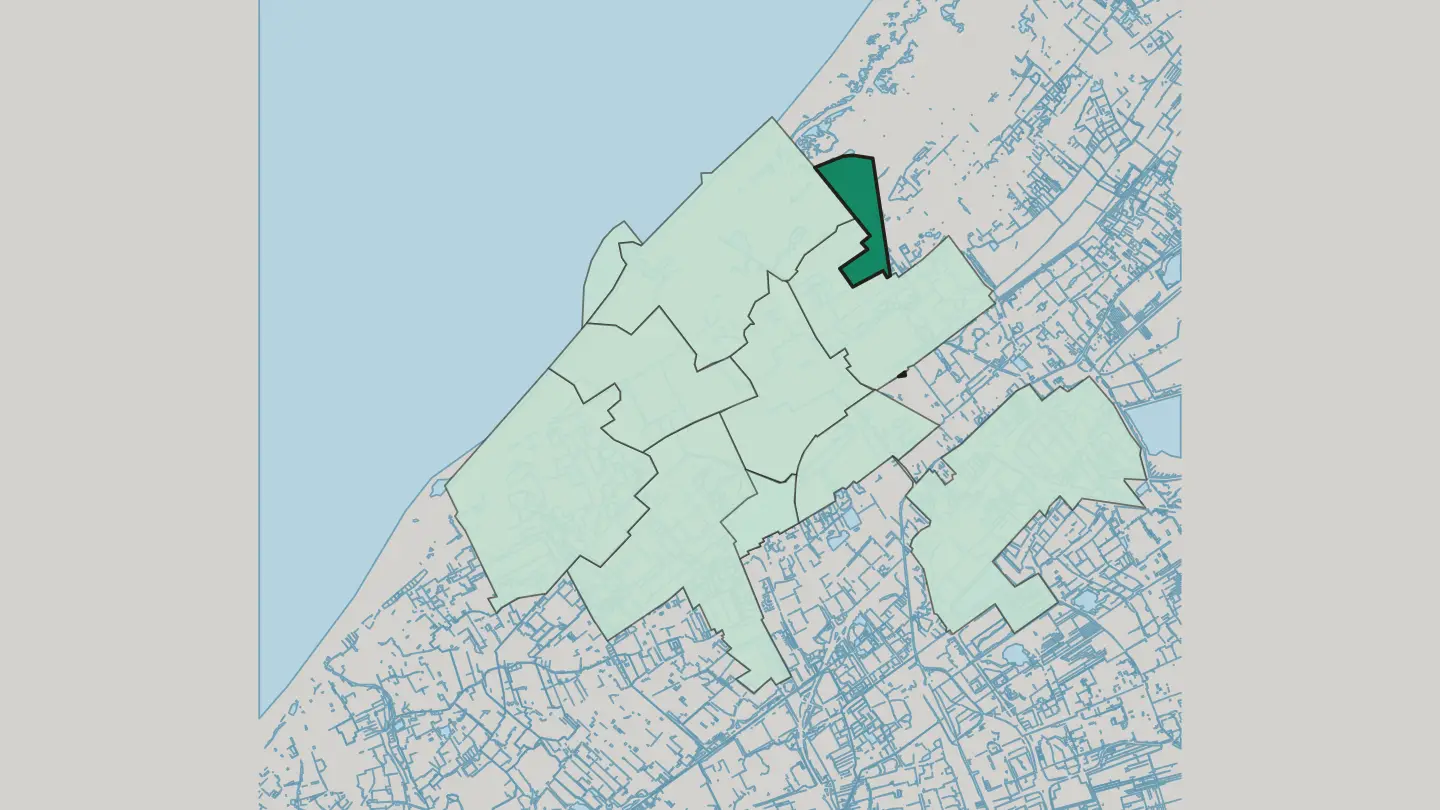 The HagueNetherlands
Centre
Centre is The Hague's innermost district, holding the historic core and the seat of government, the Torentje and the Mauritshuis on the Hofvijver.Where to stay →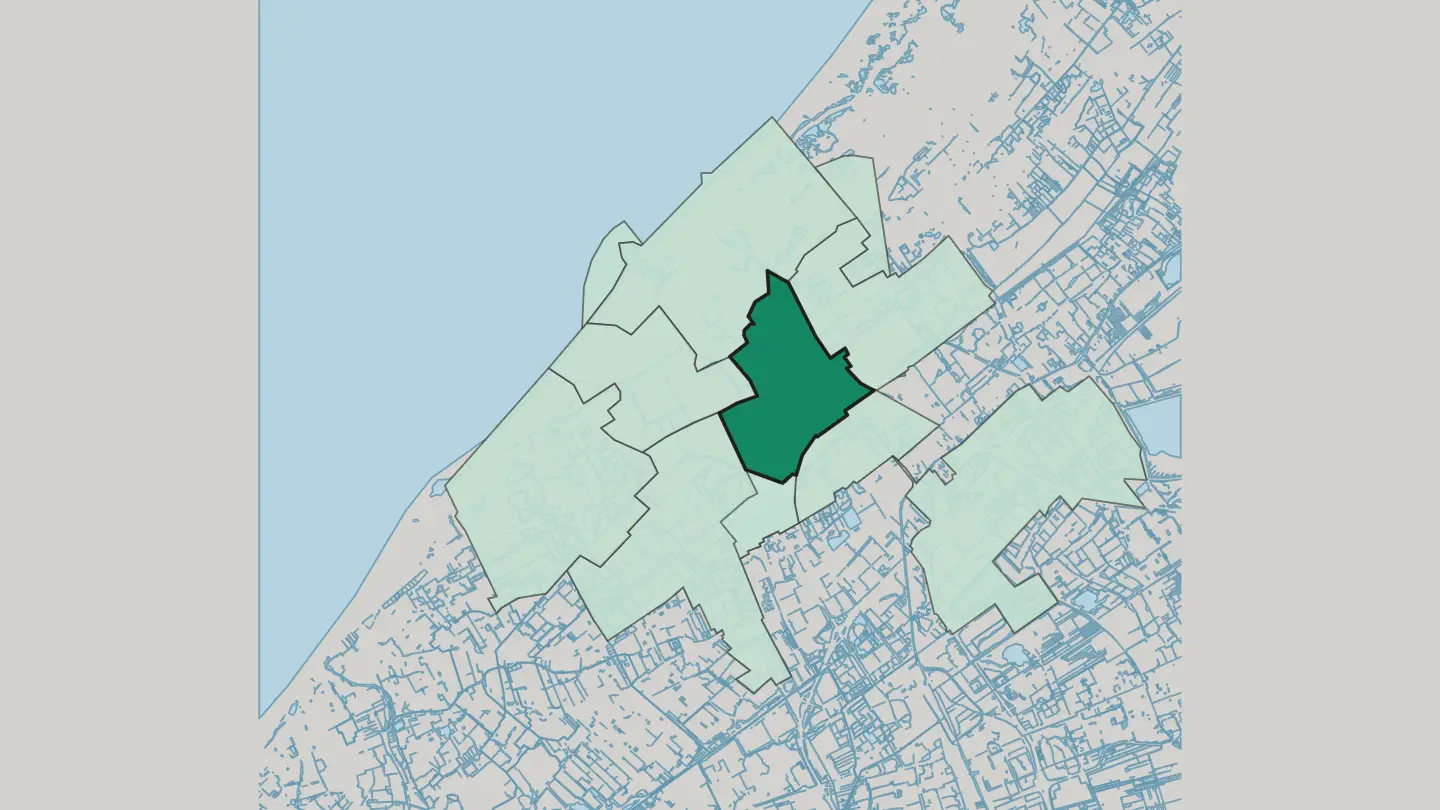 The HagueNetherlands
Laak
Laak is one of the eight districts of The Hague, in the southeast by Rijswijk, made of Laakkwartier, Spoorwijk, and the old industrial Binckhorst.Where to stay →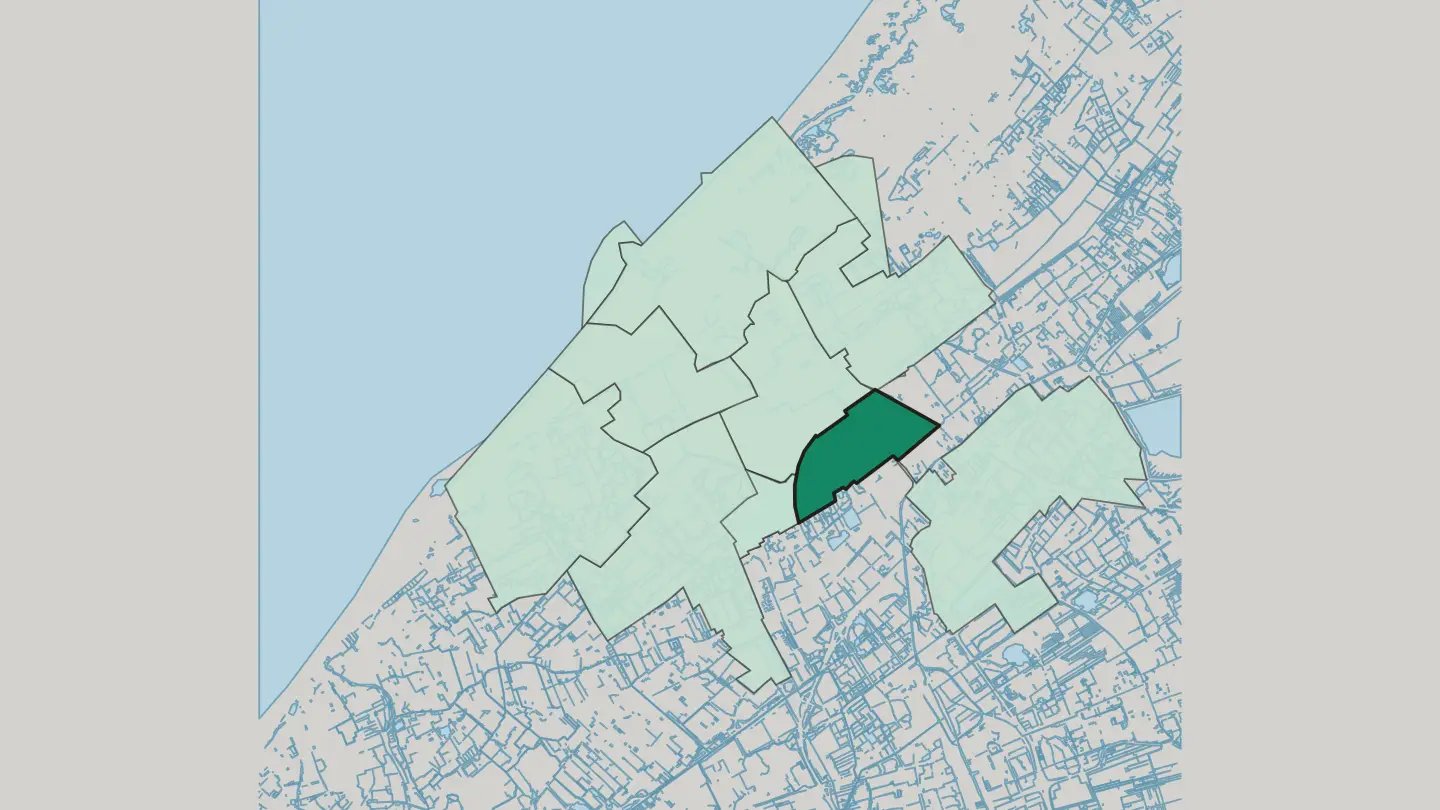 The HagueNetherlands
Segbroek
Segbroek is a district of The Hague, the Netherlands: Regentessekwartier, Valkenboskwartier, Vogelwijk, on Laan van Meerdervoort, Kunstmuseum Den Haag.Where to stay →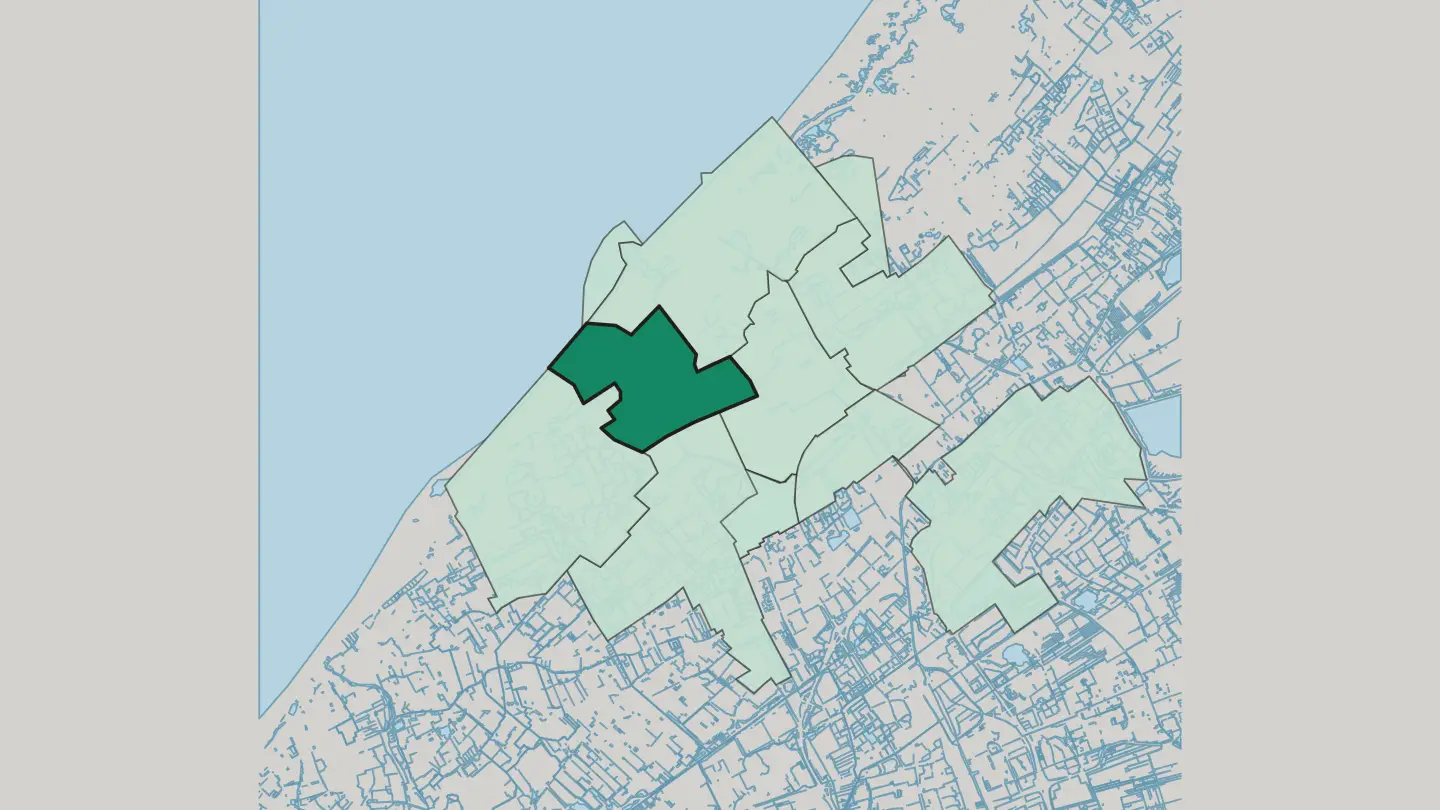
 The HagueNetherlands
Moerwijk
Moerwijk is a residential neighborhood in south The Hague, part of the Escamp district in Zuid-Holland. Post-war blocks and the Shalomkerk define it.Where to stay →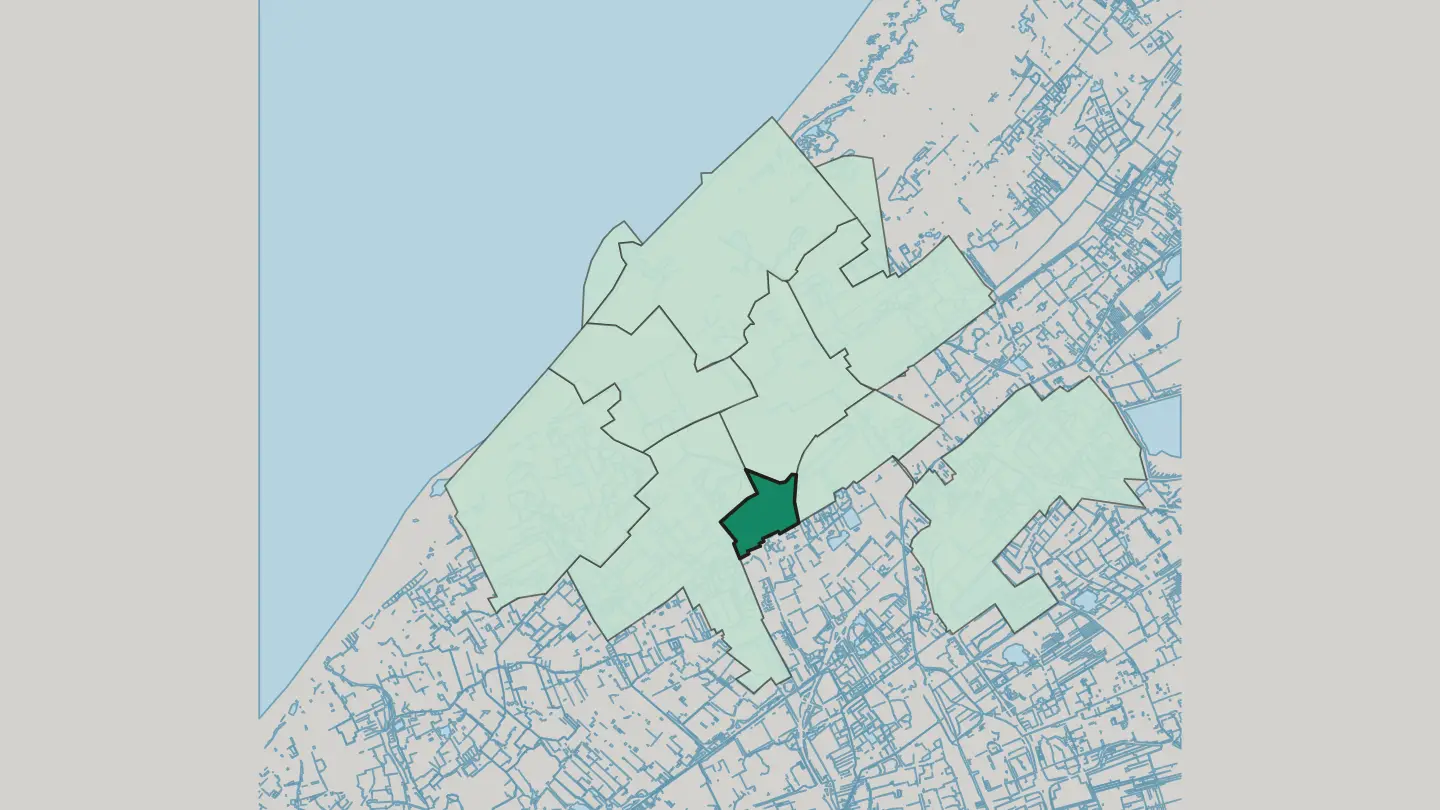
 The HagueNetherlands
Haagse Hout
Haagse Hout is The Hague's north-eastern district, holding the royal palace Huis ten Bosch, the Literature Museum and the Kinderboekenmuseum.Where to stay →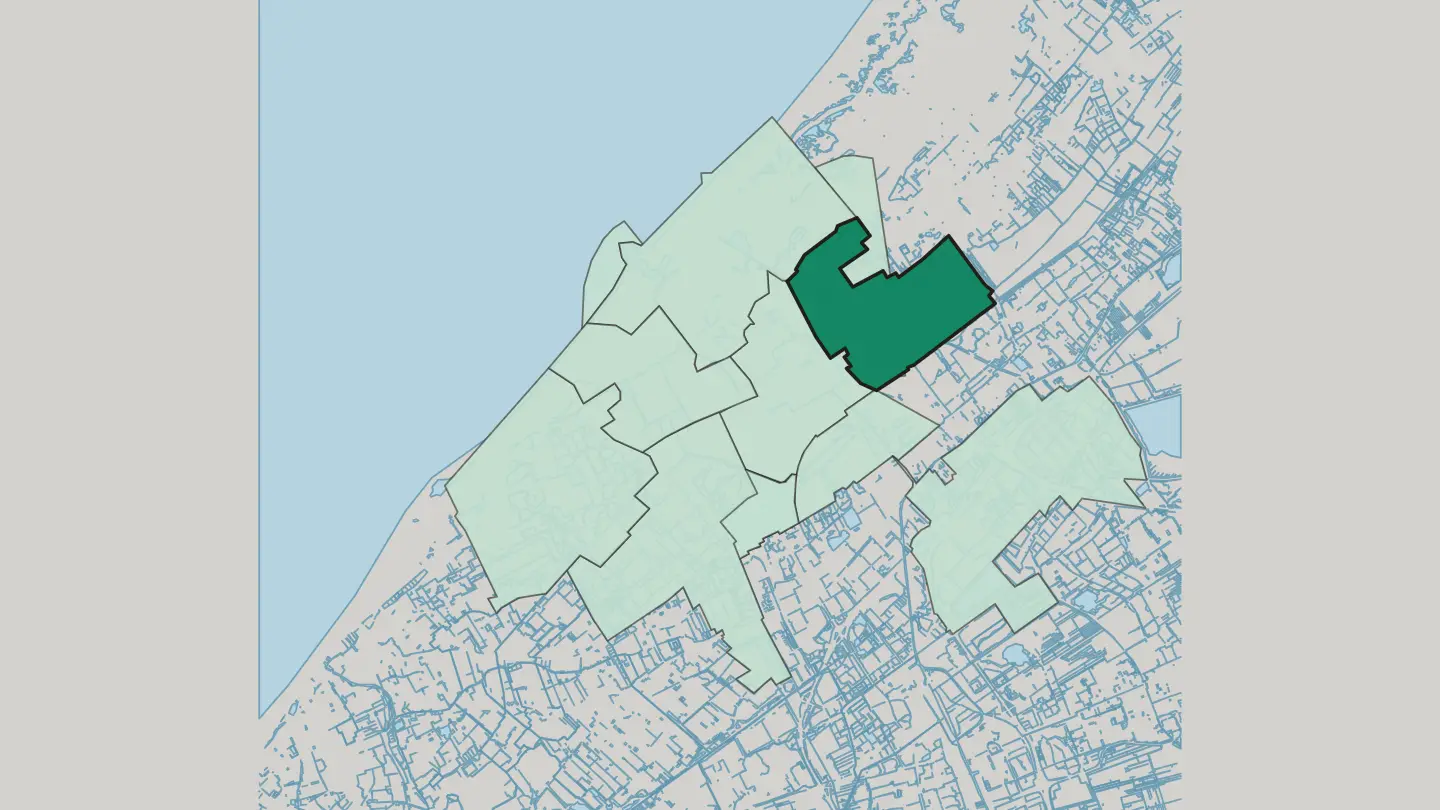
 The HagueNetherlands
Duindorp
Duindorp is The Hague's former fishing quarter, set between the coastal dunes and Scheveningen harbour on the North Sea.Where to stay →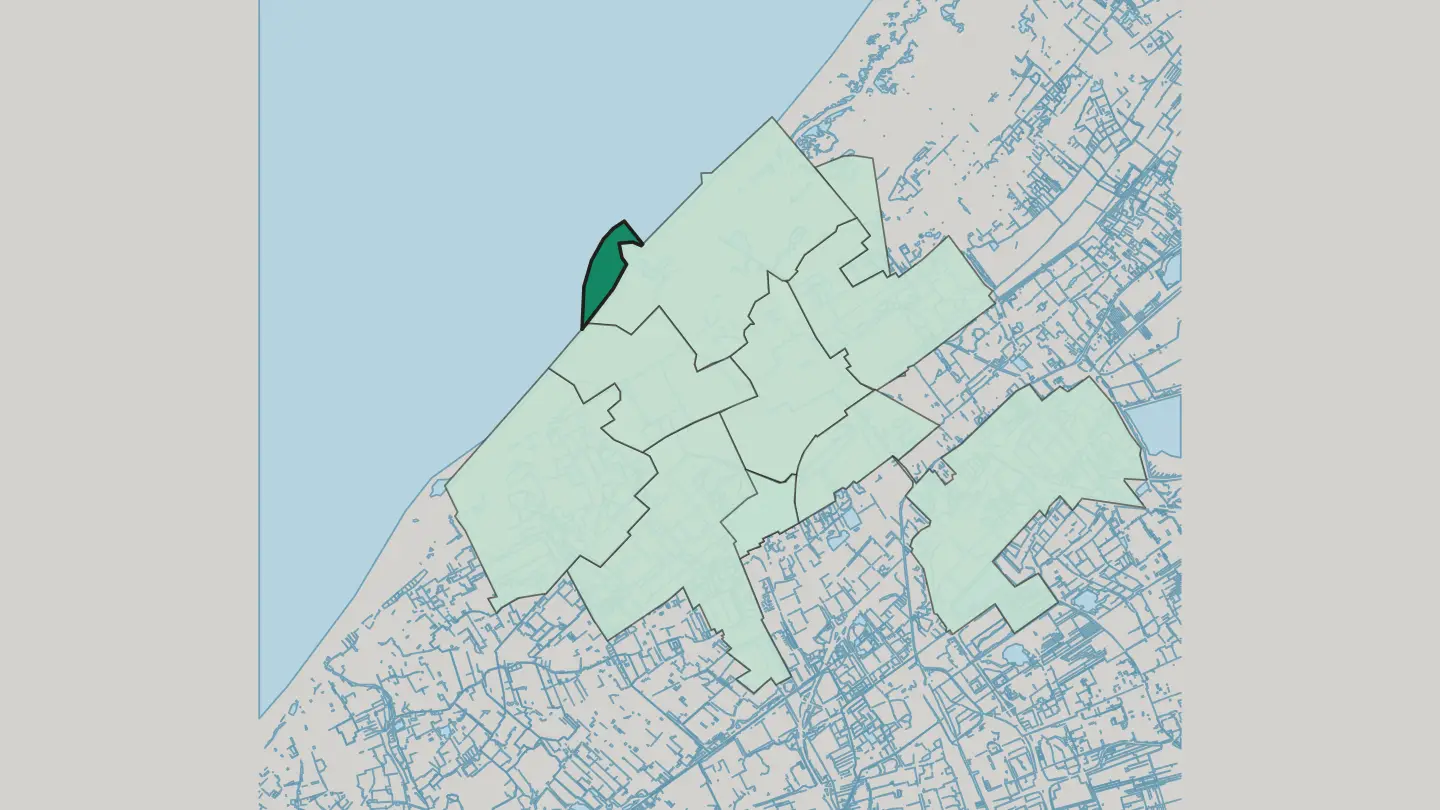
 The HagueNetherlands
Escamp
Escamp is the southwest district of The Hague, out to the Westland and Wateringen, its landmarks the Shalomkerk, Emmauskerk and Sint-Jan de Doperkerk.Where to stay →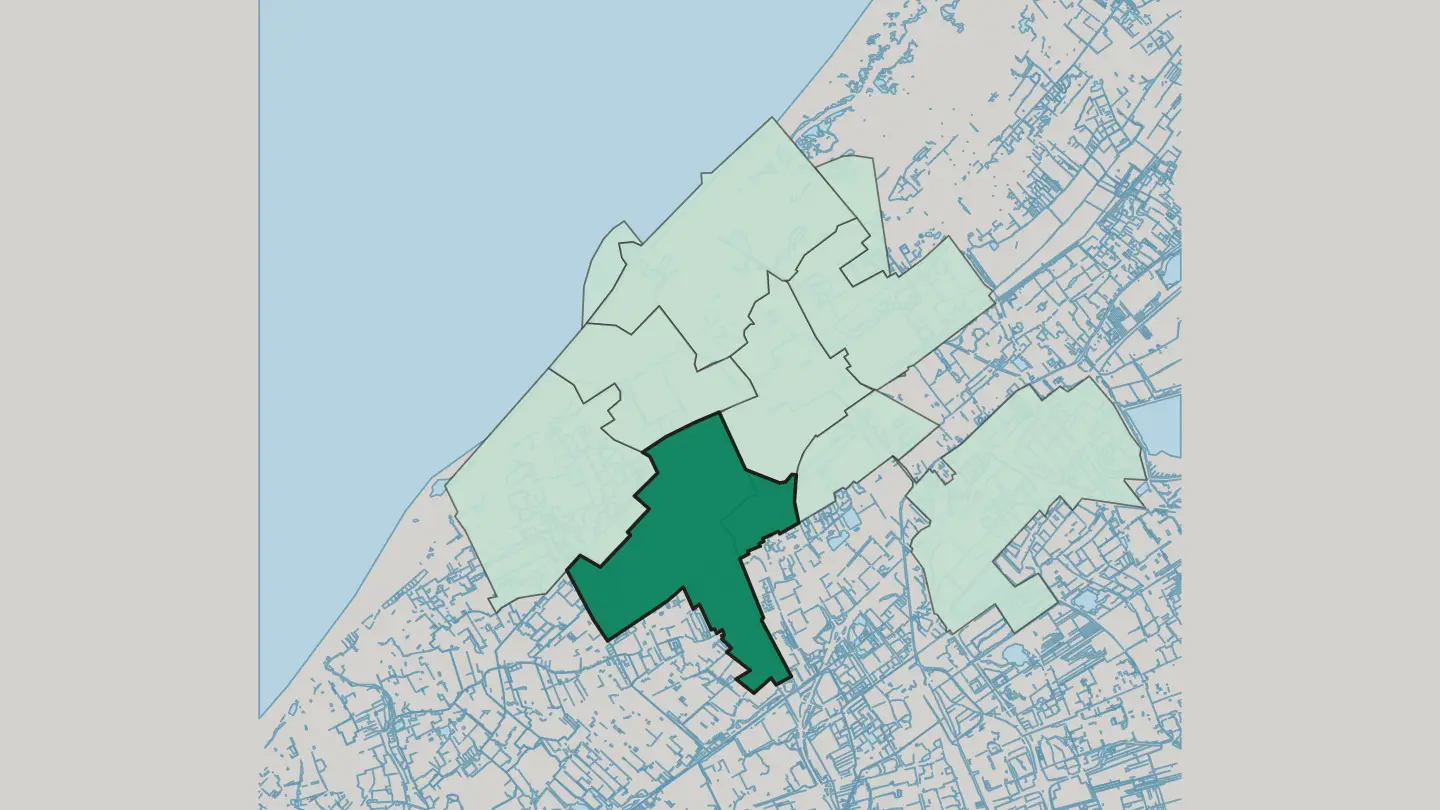
 The HagueNetherlands
Loosduinen
Loosduinen is a district of The Hague back from the North Sea dunes near Kijkduin, with the Loosduinen Abbey church and the Loosduins Museum at its core.Where to stay →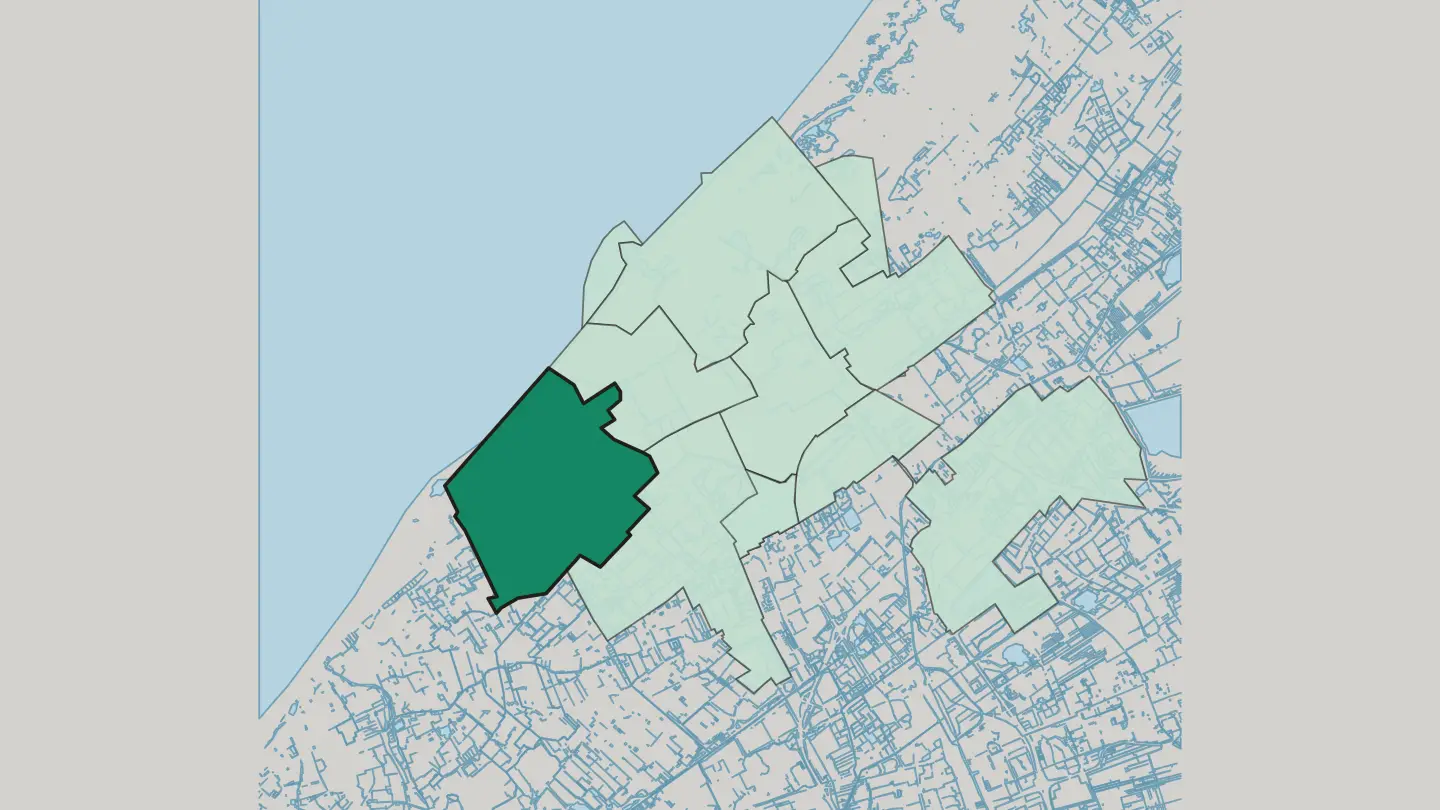
 The HagueNetherlands
Leidschenveen-Ypenburg
Leidschenveen-Ypenburg is The Hague's southeast district, new housing since 2002 around Ypenburg and Leidschenveen. The Dynamite Express marks its edge.Where to stay →Hotel links are affiliate links: booking through them may earn us a commission, at no extra cost to you. It never affects how places are ranked. How this works
Find hotels in The Hague
Direct booking search for this neighbourhood.
Hotel links are affiliate links: booking through them may earn us a commission, at no extra cost to you. It never affects how places are ranked. How this works
Things to do in The Hague
Ranked by global recognition; descriptions from Wikidata (CC0).
Museums & Galleries
3- Gallery Prince Willem V Heritage
- Panorama Mesdag
- Escher Museum
Churches & Religious Sites
8- Grote of Sint-Jacobskerk Heritage
- Nieuwe Kerk Heritage
- Kloosterkerk Heritage
- Elandstraatkerk Heritage
- Pastoor van Arskerk Heritage
Show 3 more →
- Teresia van Avilakerk Heritage
- Old Church Heritage
- Antonius Abtkerk, Scheveningen Heritage
Castles & Historic Sites
5- Huis ten Bosch Heritage
- Noordeinde Palace Heritage
- Kneuterdijk Palace Heritage
- Binckhorst Castle Heritage
- Den Burch Heritage
Landmarks & Notable Places
5- Kurhaus of Scheveningen Heritage
- Den Haag HS railway station Heritage
- Huize Windekind Heritage
- Oud Rosenburg Heritage
- Stadhuis Leidschendam-Voorburg Heritage
worth knowingacross 4 categories in The Hague
About The Hague
What is The Hague known for?
The Hague is known as the seat of Dutch government and the third-largest city of the Netherlands, on the North Sea coast in Zuid-Holland. Government defines it. The parliament sits at the Binnenhof around the Ridderzaal, the king lives at Noordeinde Palace and Huis ten Bosch, and the Peace Palace holds the courts of international law, while the resort of Scheveningen carries the city down to the sea.
Amsterdam remains the capital.
What are the main landmarks in The Hague?
The Hague gathers its landmarks around the government quarter and the road down to the sea. The Binnenhof is the great sight. Its Ridderzaal and the medieval Gevangenpoort stand at the centre, the Peace Palace rises to the north, and the Panorama Mesdag and Escher Museum hold their art, while the Kurhaus of Scheveningen marks the North Sea front at the edge of The Hague.
What is the history of The Hague?
The Hague grew from a count's hunting ground into the seat of Dutch government. The court made the town. Around the year 1201 the counts of Holland built their residence beside a pond on the flat land near the North Sea, and the settlement spread from that court around the Binnenhof, taking its name 's-Gravenhage from the counts' hedge and grounds.
It never took a city charter. Unlike the old chartered towns of Zuid-Holland it remained a court seat, its fortunes tied to the counts and later to the government of the Netherlands. Government fixed its role.
When the Dutch Republic formed, the assembly met at the Binnenhof around the Ridderzaal, and The Hague settled into its long part as the country's administrative centre while Amsterdam stayed the capital. The courts came later. The Peace Palace was raised to house international law near the turn of the last century, and the resort of Scheveningen drew the city out to the North Sea beside the Kurhaus of Scheveningen.
So the town of the counts became a city of parliament, palaces, and courts on the western edge of the Netherlands.
Where is The Hague?
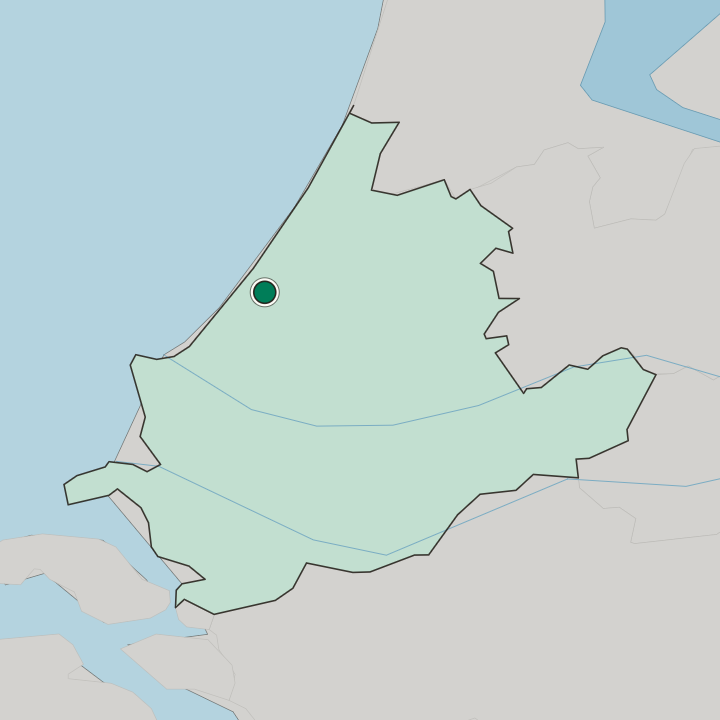
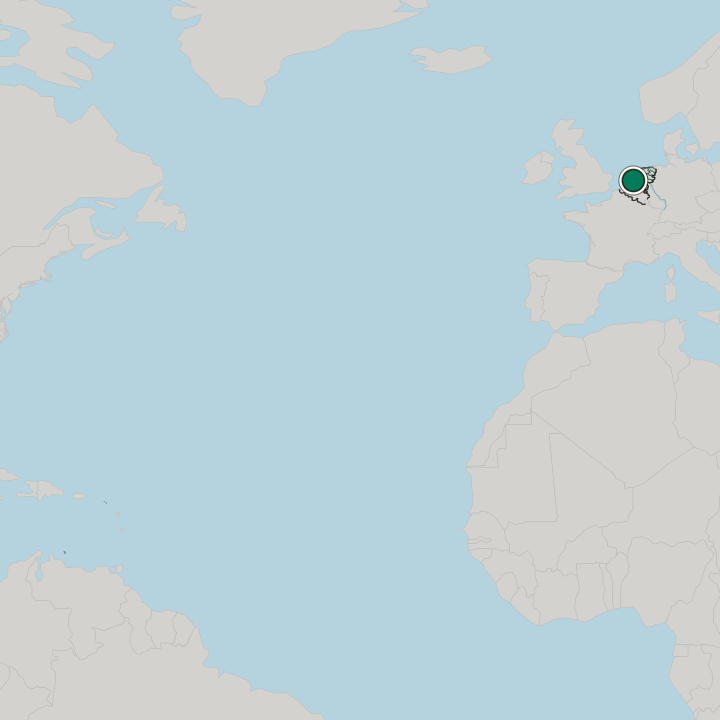
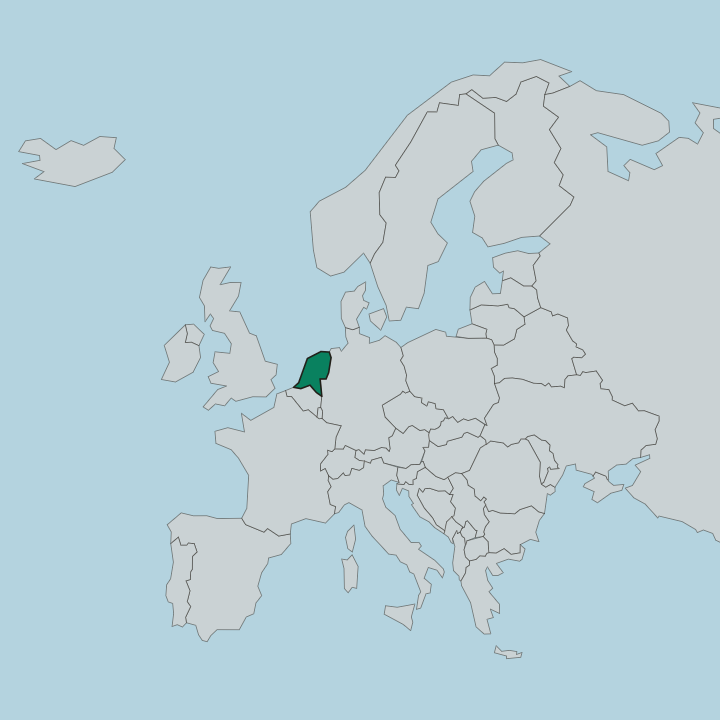
The Hague sits on the North Sea coast in Zuid-Holland, in the west of the Netherlands. Dunes edge the sea. Its streets run from the government centre around the Binnenhof out across flat land and woodland to the beach at Scheveningen, the Haagse Bos breaking the built-up quarters with green while the dunes hold back the open water of the North Sea.
What is the climate of The Hague?
The Hague has a mild temperate climate, tempered by the North Sea at its shore. The sea steadies the seasons. Cool wet winters and mild summers cross the coastal city, the winds off the North Sea carrying cloud and rain over the dunes at Scheveningen and across the flat land of Zuid-Holland.
How do you get to The Hague?
The Hague is reached by rail and road from across the Netherlands. The trains run frequently. Intercity lines call at Den Haag HS and the central station, tying the city to Rotterdam and the rest of Zuid-Holland, while trams carry travellers out to the North Sea at Scheveningen and long routes run inland across the Netherlands.
Common questions
What is the best area to stay in The Hague?
Centrum: parliament, palaces, and the museum quarter. Scheveningen: the beach, the dunes, and sea air.
Good for
More cities in Provincie Zuid-Holland
Updated October 2026