Norway · Agder
Where to Stay in Bygland, Agder
Bygland is an inland municipality in the northern part of Agder, in southern Norway (Sørlandet), gathered around two old parish churches.
Hotel links are affiliate links: booking through them may earn us a commission, at no extra cost to you. It never affects how places are ranked. How this works


Where to stay in Bygland
How the choice of base plays out on the ground.
The municipal centre is the practical base in Bygland. It sits at the heart of the northern part of Agder, with Bygland kirke at its core and the everyday services of the municipality gathered close, so a room here keeps shops and the parish within walking reach while the rest of the valley opens out beyond. The Sandnes settlement up at Åraksbø is the quieter choice.
Sandnes kirke and the small Sandnes kapell stand among scattered farms there, well back from the centre, and beds are scarce that far out. Lodging at Åraksbø is a rare find. Stay at the Bygland centre first if everyday services within walking reach matter most to you.
Choose Sandnes only when quiet outweighs convenience. Either keeps you in southern Norway (Sørlandet).
Find hotels in Bygland
Direct booking searches for these neighbourhoods.
Bygland centre
The Bygland centre gathers the municipality's everyday services around Bygland kirke, keeping shops and the parish within a short walk while the valley opens out beyond.Find hotels in Bygland centreScattered-farm quiet by Sandnes kirke and Sandnes kapellSandnes and Åraksbø
The Sandnes settlement at Åraksbø sets Sandnes kirke and the small Sandnes kapell among scattered farms well back from the Bygland centre, where rooms are scarce and quiet is the draw. Beds are limited here, so book early.Find hotels in Sandnes and ÅraksbøHotel links are affiliate links: booking through them may earn us a commission, at no extra cost to you. It never affects how places are ranked. How this works
About Bygland
Bygland is a thinly settled municipality.
What is Bygland known for?
Its name carries across the northern part of Agder through the parish churches that mark the old settlements: Bygland kirke at the main centre and Sandnes kirke up at Åraksbø, both protected as heritage. A smaller chapel, Sandnes kapell, serves the same scattered Sandnes settlement. This is church-and-farm country rather than a town, and the parishes are how people here have long reckoned distance.
What are the main landmarks in Bygland?
The landmarks here are churches. Bygland kirke anchors the main parish, while Sandnes kirke watches over the Sandnes settlement up at Åraksbø, and both carry heritage protection in Agder. Beside the larger church stands Sandnes kapell, a smaller chapel for the same district.
Together these three buildings record how settlement in this municipality spread along the valley in separate clusters rather than gathering into one town.
What is the history of Bygland?
Bygland grew as a farming district, not a planned town. Settlement here gathered into separate parishes strung along the valley in the northern part of Agder, and the churches still mark where those communities took root. Bygland kirke served the central parish, while the Sandnes settlement up at Åraksbø kept its own house of worship in Sandnes kirke.
The pattern held for generations. As families fanned out across the farms, a smaller chapel, Sandnes kapell, was raised so that the scattered Sandnes households did not have far to travel for services. All three buildings now stand under heritage protection, recognised for what they show about how this stretch of southern Norway (Sørlandet) was peopled.
Bygland never became a market town. It stayed a municipality of farms, parishes, and the roads between them, and that is the shape it carries to this day across Agder.
Where is Bygland?
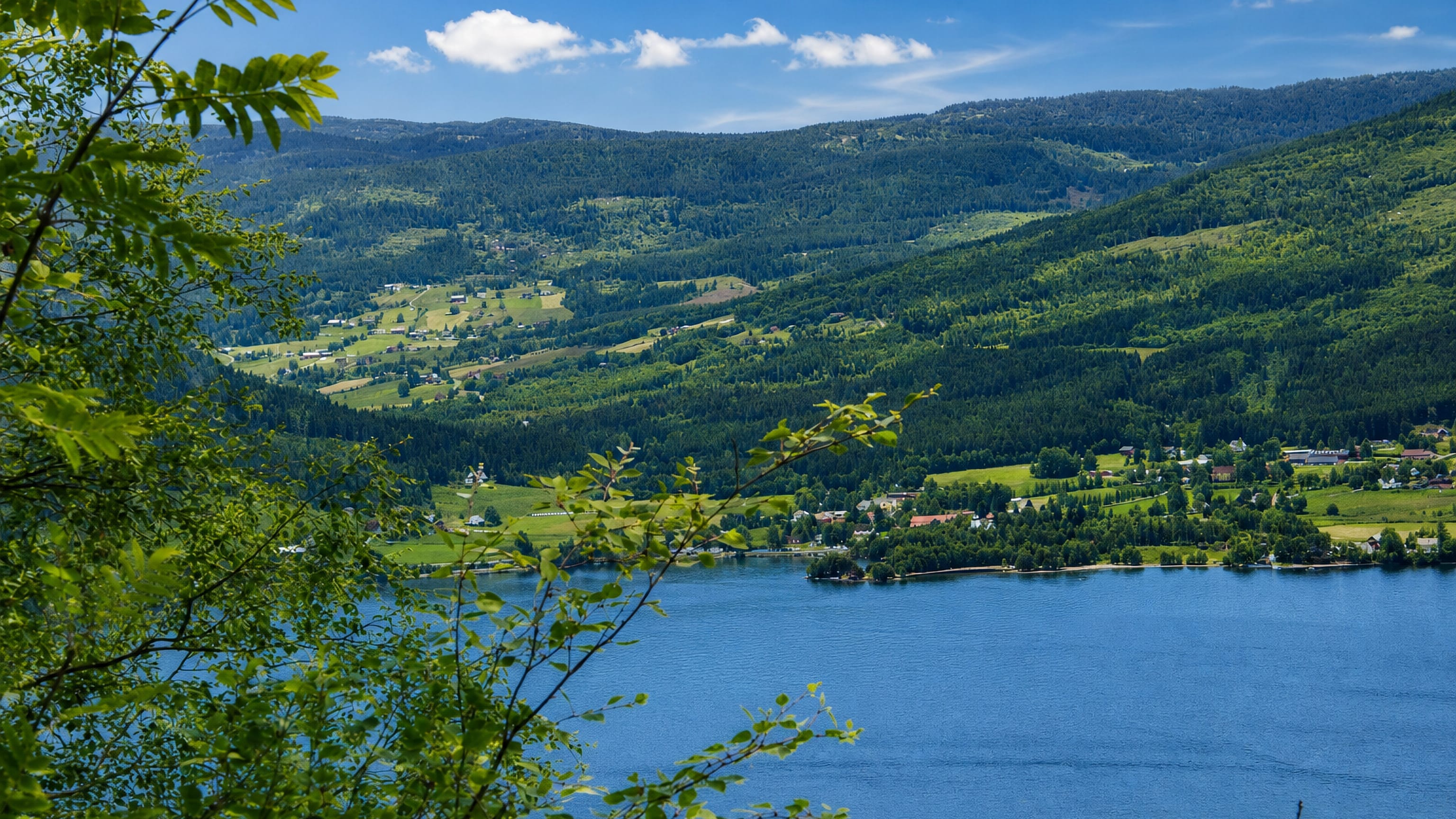
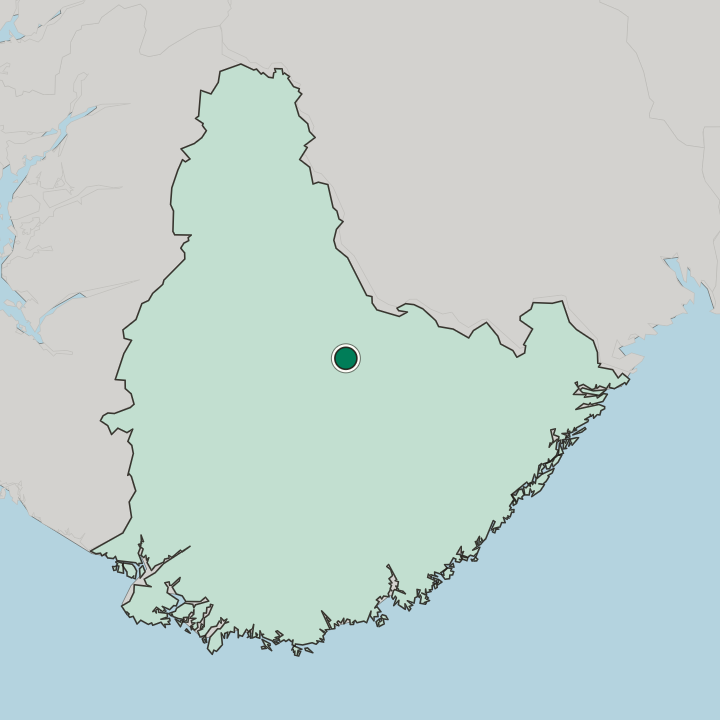
Bygland fills a long inland stretch of the northern part of Agder, a sizeable municipality by area yet lightly peopled, with farms and parishes scattered up the valley instead of gathering into one settled centre. Slopes hem it in. The central settlement sits low around Bygland kirke, while the Sandnes households lie further out at Åraksbø.
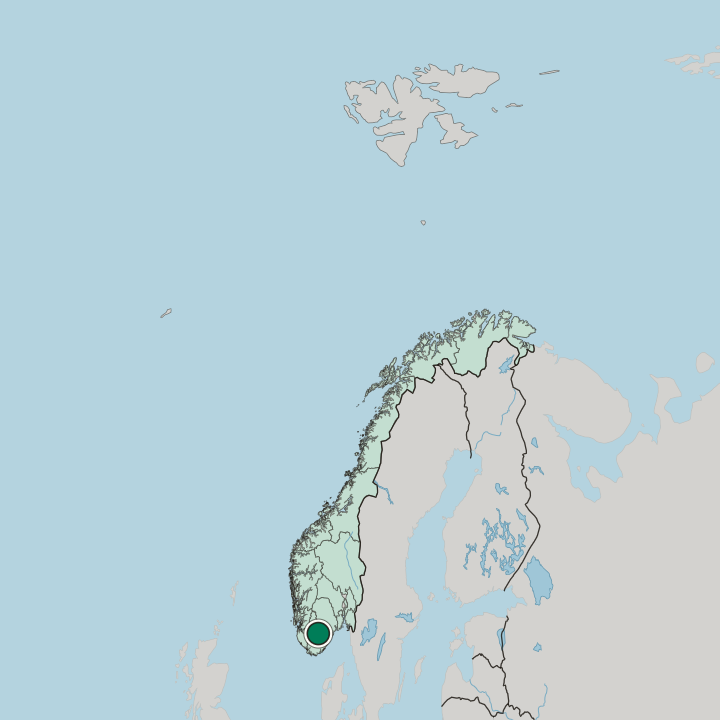
This is interior country. Well back from the southern Norway coast, it belongs to the inland reach of Sørlandet.
What is the climate of Bygland?
Bygland feels its weather inland, away from the moderating coast of the northern part of Agder. Winters here run colder and the snow lingers longer up the valley than it does down on the southern Norway shore. Summers turn green and pleasant.
The interior position around Bygland kirke brings sharper seasonal swings than the milder Sørlandet seaboard, a contrast that has long shaped the farming year across this scattered municipality.
How do you get to Bygland?
Reaching Bygland means driving. The municipality lies inland in the northern part of Agder, reached by the valley road that threads up from the southern Norway coast through the interior of Sørlandet. The central settlement around Bygland kirke is the easiest point to aim for, with the scattered Sandnes farms a further drive out toward Åraksbø.
There is no town transit here; a car is how people cover this spread-out municipality.
Common questions
What is the best area to stay in Bygland?
Bygland centre: Parish-centre base beside Bygland kirke in northern Agder. Sandnes and Åraksbø: Scattered-farm quiet by Sandnes kirke and Sandnes kapell.
Good for
More cities in Agder
Updated September 2026