Norway · Agder
Where to Stay in Myra, Agder
Myra is the centre of Vegårshei in southern Norway (Sørlandet), an inland village in the north-eastern part of Agder.
Hotel links are affiliate links: booking through them may earn us a commission, at no extra cost to you. It never affects how places are ranked. How this works


Where to stay in Myra
How the choice of base plays out on the ground.
Stay in the village. Myra is the small civic centre of Vegårshei in the north-eastern part of Agder, so the few rooms here gather around the village rather than along any coast, an inland base among the forests and lakes well back from the southern Norwegian shore. Beds are scarce and local.
The centre near Vegårshei kirke holds the handful of guesthouses, and they suit travellers coming for the slopes at Molandsbakken and the Vegårshei ski- og aktivitetssenter who want a quiet woodland stop rather than a town one. The ski hills draw their own lodging. Around the Vegårshei ski- og aktivitetssenter the cabins and farm stays of the surrounding forest take in winter visitors, while larger towns on the Agder coast hold far more rooms than this inland centre.
Treat Myra as a forest base. The village by Vegårshei kirke works as an overnight stop among the woods, lakes, and ski hills of north-eastern Agder rather than a wide choice of beds.
Find hotels in Myra
Direct booking searches for these neighbourhoods.
Myra village by Vegårshei kirke
the civic core beside Vegårshei kirke holds the few guesthouses of the inland Vegårshei district. Beds are limited here, so book early.Find hotels in Myra village by Vegårshei kirkewinter visitors heading for the runs at MolandsbakkenThe Vegårshei ski- og aktivitetssenter slopes
the forest cabins around the Vegårshei ski- og aktivitetssenter take in skiers rather than offering village hotels. Beds are limited here, so book early.Find hotels in The Vegårshei ski- og aktivitetssenter slopesHotel links are affiliate links: booking through them may earn us a commission, at no extra cost to you. It never affects how places are ranked. How this works
About Myra
Forest, church, and ski hill.
What is Myra known for?
Myra is known as the small administrative centre of Vegårshei in the north-eastern part of Agder, an inland village among the woods and lakes well back from the southern Norwegian coast. Winter sport gives it a draw. The Vegårshei ski- og aktivitetssenter and the slope at Molandsbakken bring skiers into the hills, while Vegårshei kirke stands over the village as the old heart of this corner of Agder.
What are the main landmarks in Myra?
A church and a ski hill. Vegårshei kirke is the chief landmark of Myra, the parish church standing over the village in the north-eastern part of Agder. Sport marks the hills above.
The slope at Molandsbakken and the Vegårshei ski- og aktivitetssenter draw winter visitors into the forest, and beyond them the woods and lakes of this corner of Agder make up the rest of the setting.
What is the history of Myra?
Myra grew among the forest farms. The village rose as the natural centre for the scattered farming districts of Vegårshei, an inland gathering place in the woods and lakes of the north-eastern part of Agder rather than a coastal trading port. The church drew the farms together.
Vegårshei kirke gathered the surrounding settlements toward a single village, and the parish around it gave Myra its early role as the focus of this wooded corner of Agder. Winter sport came to shape its modern life. The slope at Molandsbakken and the later Vegårshei ski- og aktivitetssenter turned the forest hills above the village into a draw for skiers, adding a seasonal pull to the old farming centre.
The pattern still holds. Myra remains the inland heart of Vegårshei, a forest village around its church and ski hills set far back from the open Sørlandet coast.
Where is Myra?
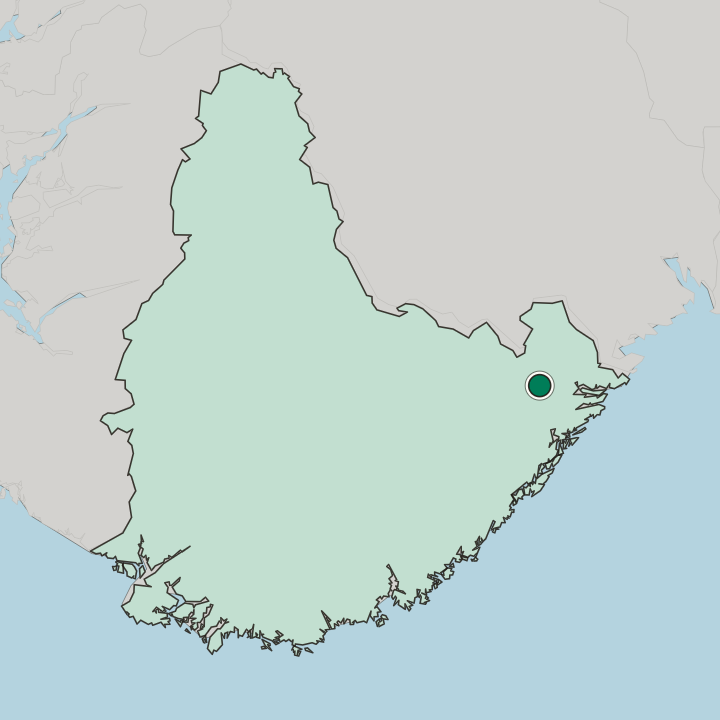
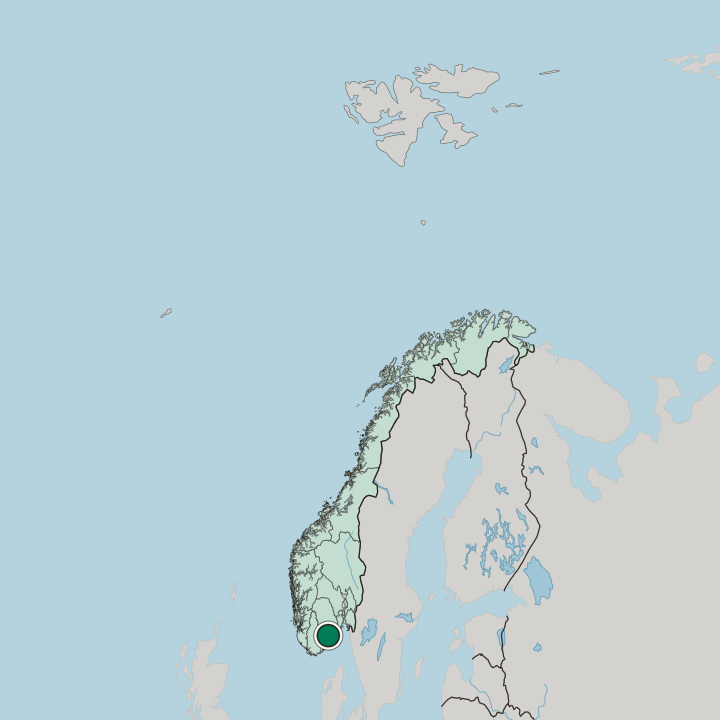
Myra sits back from the sea. The village sits in the north-eastern part of Agder, set among forested ridges and lakes well back from the southern Norwegian coast that the region is known for. The land is wooded and broken.
Low forest hills, farm clearings, and inland water surround the small centre at Vegårshei kirke, with the ski slope at Molandsbakken rising above, marking out a quiet interior corner of Agder rather than open coastal ground.
What is the climate of Myra?
The interior runs cold in winter. Lying well inland in the north-eastern part of Agder, Myra feels a sharper seasonal swing than the milder coast, and the snow that gathers on the hills feeds the ski runs at Molandsbakken. Summer warms the forests and lakes to green.
The forests and lakes around Vegårshei kirke hold a continental edge, with colder, snowier winters than the southern Norwegian seaboard and short mild forest summers in this wooded corner of Agder.
How do you get to Myra?
Reach it by road. Myra sits inland in the north-eastern part of Agder, served by the roads that climb from the southern Norwegian coast into the forested Vegårshei district. The village is the local hub.
From the centre by Vegårshei kirke the roads thread out to the surrounding farms, lakes, and the ski hills at Molandsbakken, tying the scattered inland settlements of this corner of Agder back to a single small village set apart from the coastal routes.
Common questions
What is the best area to stay in Myra?
Myra village by Vegårshei kirke: travellers wanting a forest base near the Vegårshei ski hills. The Vegårshei ski- og aktivitetssenter slopes: winter visitors heading for the runs at Molandsbakken.
Good for
More cities in Agder
Updated September 2026