Norway · Buskerud fylke
Where to Stay in Hokksund, Buskerud fylke
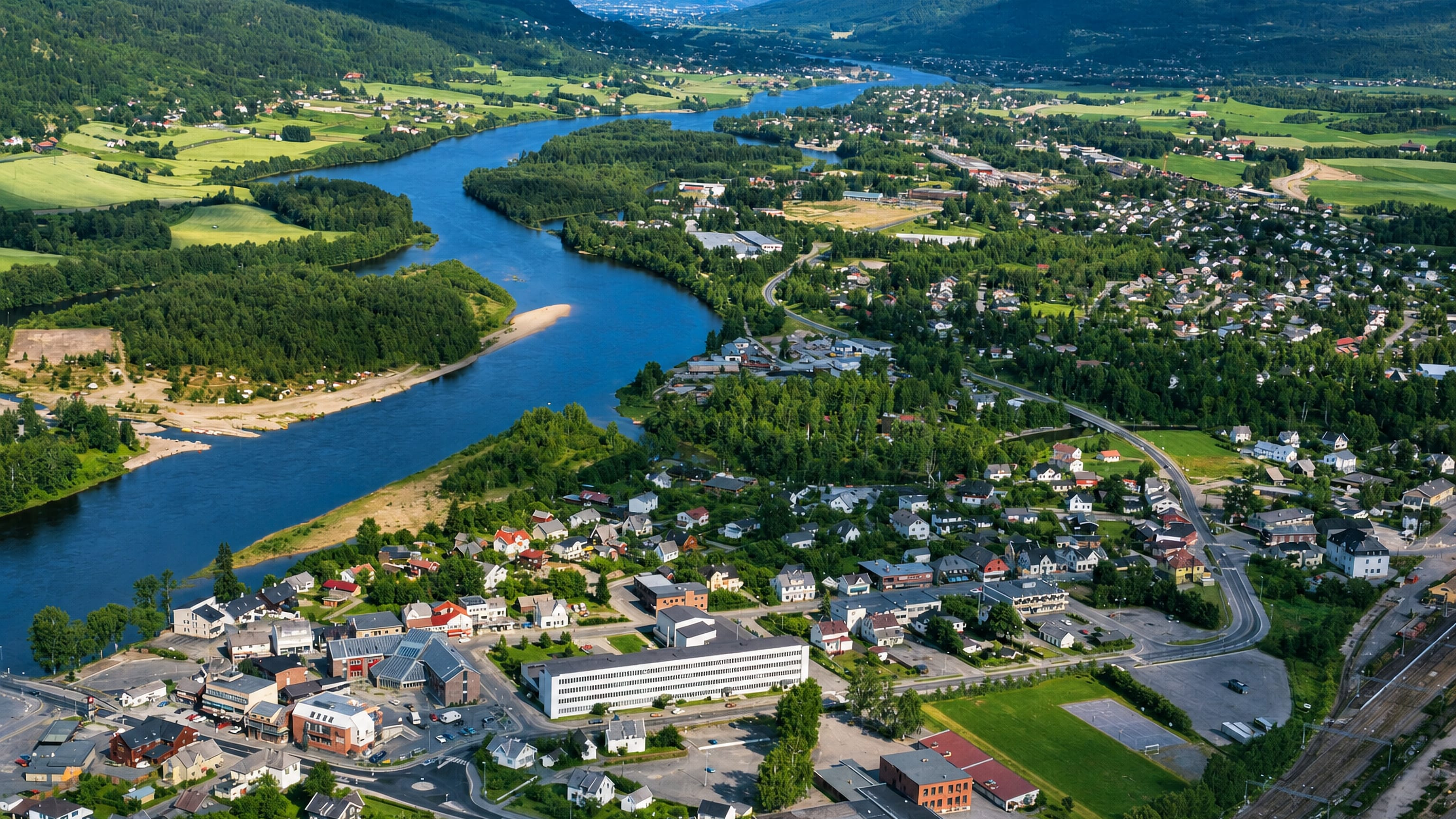
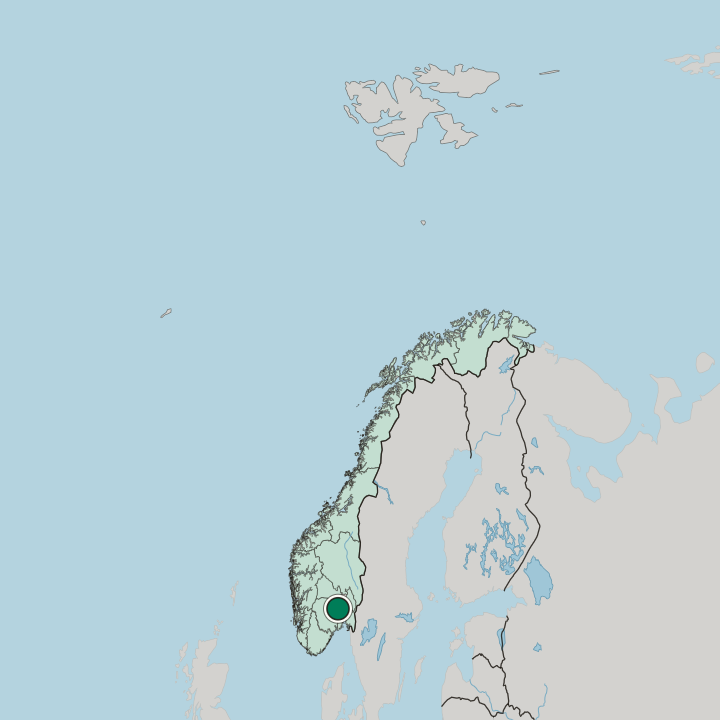
Hokksund is a market town and the seat of Øvre Eiker, in the south-eastern part of Buskerud, in south-eastern Norway.
Hotel links are affiliate links: booking through them may earn us a commission, at no extra cost to you. It never affects how places are ranked. How this works


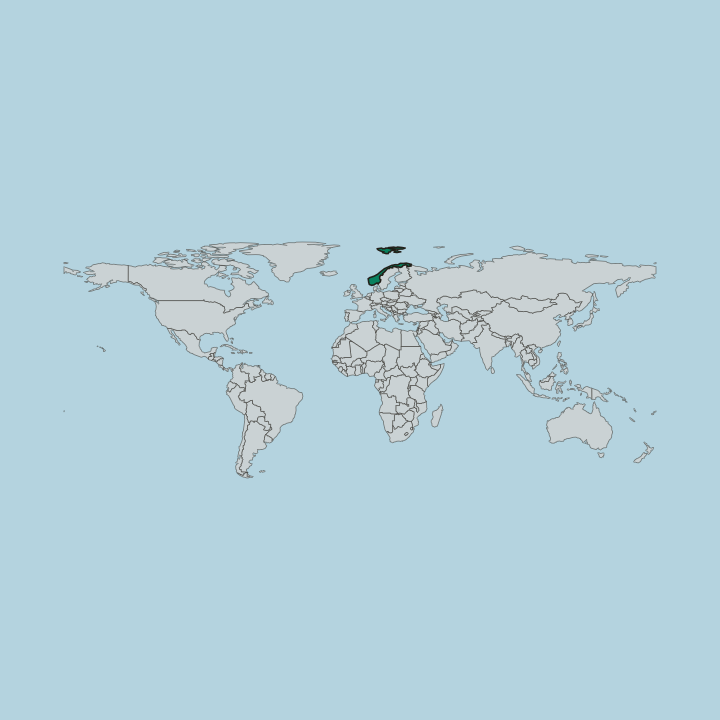
Where to stay in Hokksund
The practical side of choosing where to sleep.
Beds in Hokksund gather in and around the town centre, the way of a market town, with most rooms near Haug kirke where hotels and guest rooms stand close to the shops, the station and the museums. The centre suits visitors who want the town and the glassworks story on the doorstep. For a first stay in Øvre Eiker, the market-town centre is the natural choice.
Toward the edge of town, the bath of Hokksund Kurbad takes guests who come for the water and the quiet, a different kind of stay in Øvre Eiker. Some come just for the bath. Out among the parishes toward Fiskum, holiday houses and farm stays spread through the country around Fiskum kirke and Bakke kirke, a quieter base for travellers touring this part of Buskerud by car.
Reserve ahead in summer, when the town and the museums of Hokksund draw visitors across Øvre Eiker.
Find hotels in Hokksund
Direct booking searches for these neighbourhoods.
Hokksund town centre
hotels near Haug kirke and the Nøstetangen glassworks storyFind hotels in Hokksund town centreguests coming for the water and the quietHokksund Kurbad edge
stays at the bath of Hokksund Kurbad on the edge of town. Rooms are few around here — worth securing early.Find hotels in Hokksund Kurbad edgedrivers touring the Øvre Eiker churchesFiskum country parishes
farm stays around Fiskum kirke and Bakke kirke. Few places to stay nearby — book ahead.Find hotels in Fiskum country parishesHotel links are affiliate links: booking through them may earn us a commission, at no extra cost to you. It never affects how places are ranked. How this works
Things to do in Hokksund
Ranked by global recognition; descriptions from Wikidata (CC0).
Museums & Galleries
2- Nøstetangen norsk glassmuseum
- Norsk Motor history Center
Churches & Religious Sites
3- Haug Church Heritage church building in Øvre Eiker, Buskerud
- Fiskum old Church Heritage
- Bakke Church Heritage
worth knowingacross 2 categories in Hokksund
About Hokksund
Hokksund is the largest town and the seat of Øvre Eiker.
What is Hokksund known for?
The old name Haugsund still clings to the place, and the wooden Haug kirke marks the parish at its heart. Museums fill out the town. Nøstetangen norsk glassmuseum keeps the story of the old glassworks, and the Norsk Motorhistorisk Senter holds the motors, while the bath of Hokksund Kurbad and the country churches of Fiskum give this corner of Buskerud its older fabric.
What are the main landmarks in Hokksund?
Nøstetangen norsk glassmuseum is the landmark of Hokksund. It keeps the story of the old glassworks that made the place known, the chief draw of the town. Motors and water draw visitors too.
The Norsk Motorhistorisk Senter holds the historic vehicles and Hokksund Kurbad offers its bath, while the wooden Haug kirke marks the centre and the older Fiskum gamle kirke, Fiskum kirke and Bakke kirke stand among the parishes of Øvre Eiker in this corner of Buskerud.
What is the history of Hokksund?
Hokksund grew at a crossing and market place known of old as Haugsund. Travellers and goods gathered where the routes met, and the wooden Haug kirke fixed the parish at the heart of the settlement as it spread along the valley of Øvre Eiker. The crossing made the town.
Trade and the works of the district carried Hokksund through the centuries, and the glassworks remembered at Nøstetangen norsk glassmuseum brought the place a craft and a name beyond the parish. Industry and the railway widened the town as the years passed. Hokksund became the seat and the largest population centre of Øvre Eiker, gathering the offices, the shops and the museums of the district, among them the Norsk Motorhistorisk Senter and the bath at Hokksund Kurbad.
Around it the old parishes held their churches, Fiskum gamle kirke, Fiskum kirke and Bakke kirke among the farms, and the town settled into its role at the centre of this south-eastern reach of Buskerud.
Where is Hokksund?
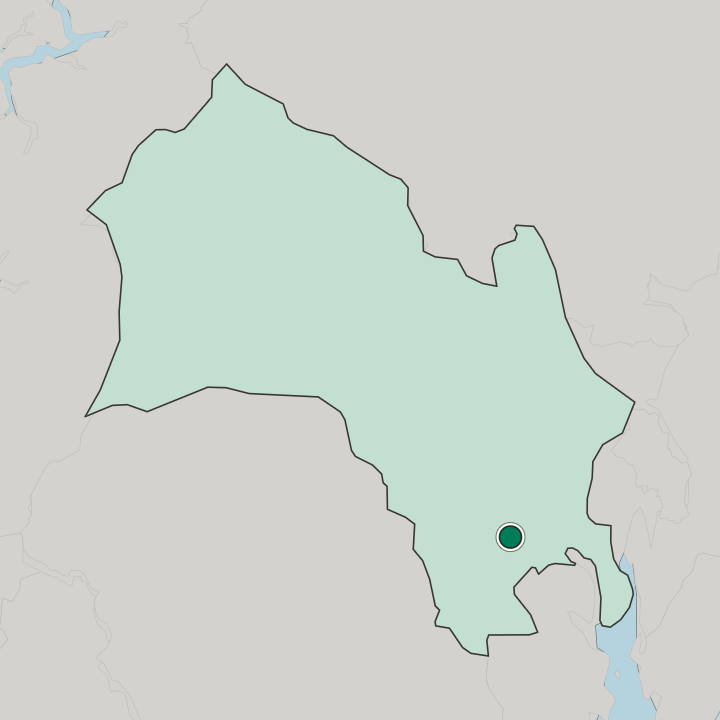
Hokksund lies in the valley of Øvre Eiker, in the south-eastern part of Buskerud, in south-eastern Norway. The town sits on the valley floor where the routes meet and the slopes rise toward the wooded ridges and the parishes beyond. Valley and farmland frame the town.
The municipality of Øvre Eiker reaches up the side valleys and out toward Fiskum, taking in the farms and the churches of Fiskum kirke and Bakke kirke, with Hokksund as the gathered centre of this reach of Buskerud.
What is the climate of Hokksund?
Hokksund has the cool inland climate of the valleys of eastern Norway. Winters run cold and snowy, the frost settling over the valley of Øvre Eiker and the snow lying on the slopes and the farms through the dark months. Summers turn green and warm.
The valley holds the day's heat under the long northern daylight, drawing visitors to the town and the parishes around Fiskum in the warm season, while the surrounding ridges keep the nights cool across this corner of Buskerud.
How do you get to Hokksund?
Hokksund sits on the rail line and roads of the Øvre Eiker valley. Trains stop here on the route running west from the larger towns of Buskerud, and the station lies a short walk from Haug kirke and the town centre. Plenty arrive by car instead.
The main roads gather at the old crossing of Hokksund and carry the traffic on toward Fiskum and the parishes beyond, while the wider airports of eastern Norway lie off to the south-east for those reaching this part of Buskerud from further away.
Common questions
What is the best area to stay in Hokksund?
Hokksund town centre: visitors wanting the museums and the station on the doorstep. Hokksund Kurbad edge: guests coming for the water and the quiet. Fiskum country parishes: drivers touring the Øvre Eiker churches.
Good for
More cities in Buskerud fylke
Updated October 2026