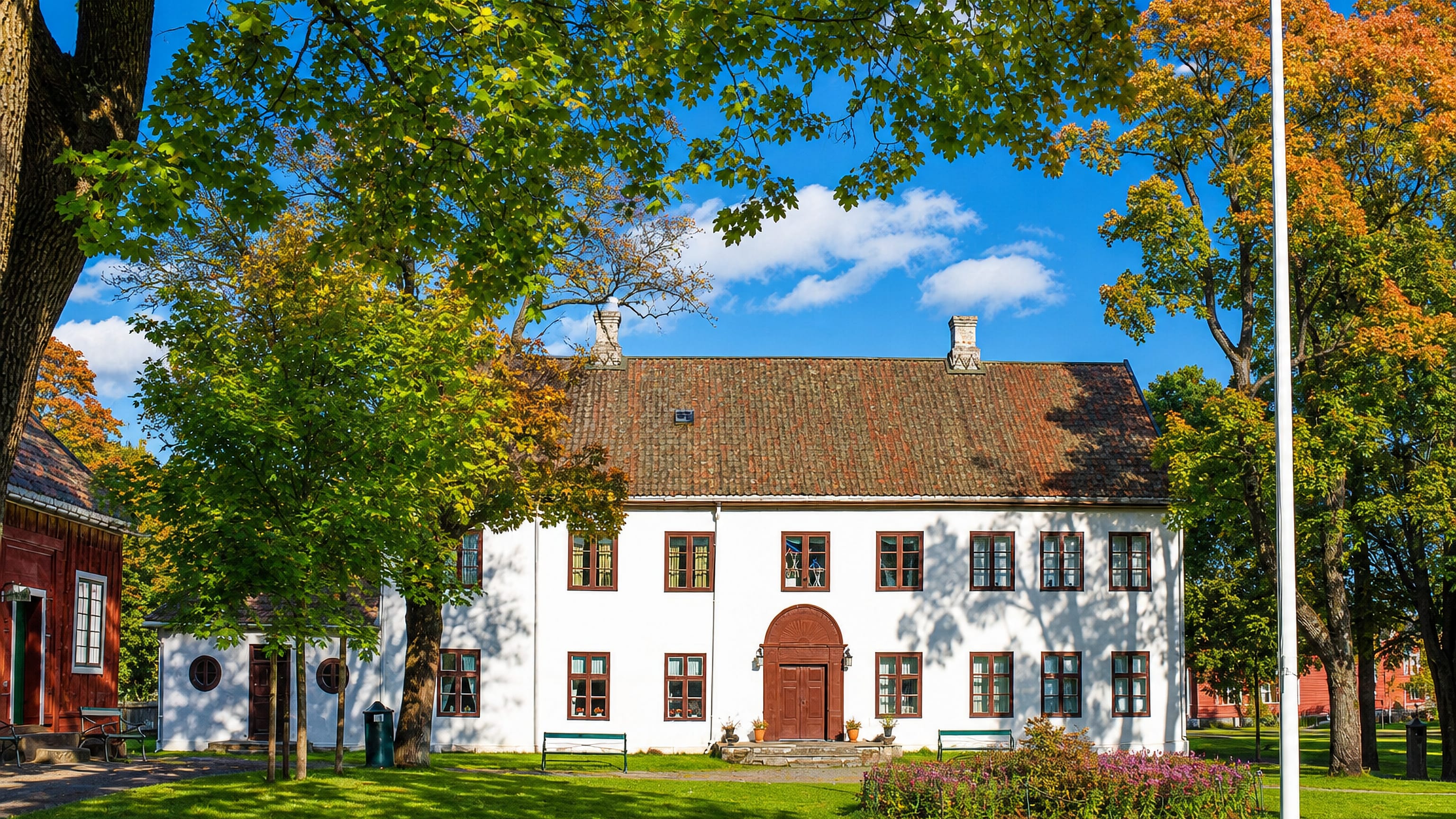
Norway · Innlandet
Where to Stay in Gjøvik, Innlandet
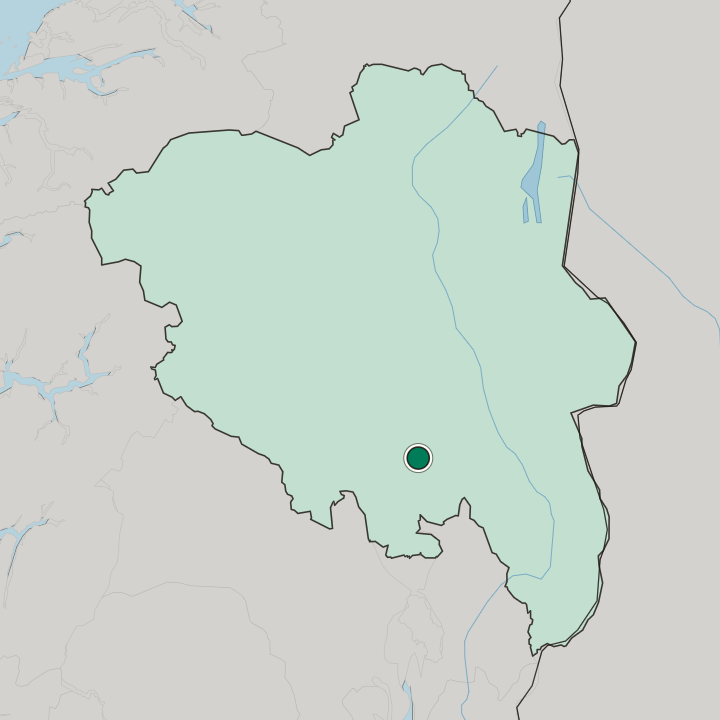
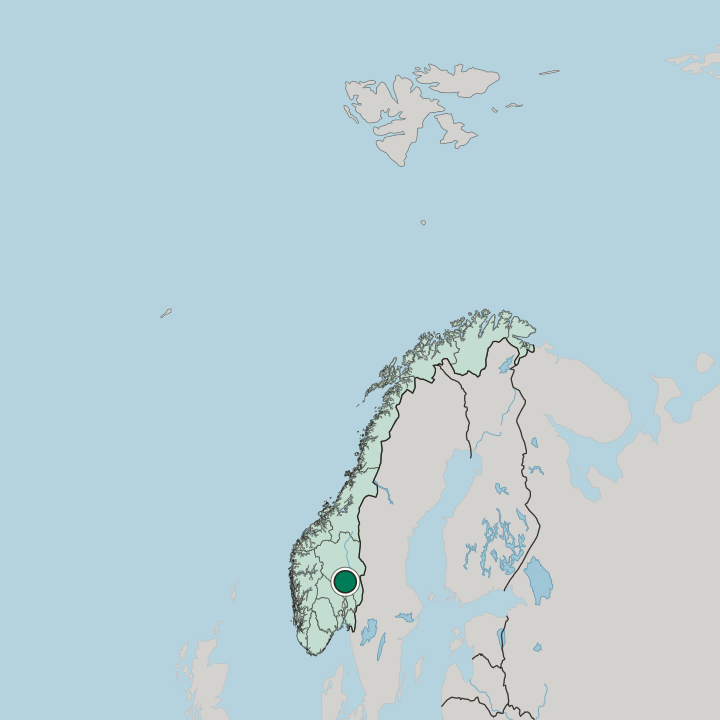
Gjøvik sits on the western shore of Mjøsa in Innlandet, a lakeside town in south-eastern Norway.
Hotel links are affiliate links: booking through them may earn us a commission, at no extra cost to you. It never affects how places are ranked. How this works


Where to stay in Gjøvik
The practical side of choosing where to sleep.
Most beds cluster in the centre. From here it is a short walk to the Mjøsa waterfront and to the railway station that ties Gjøvik into the line running up the lake, and the pedestrian streets, Gjøvik kirke, and the lakefront promenade all sit within a few minutes on foot. The core suits first arrivals and anyone without a car.
Uphill to the north, the residential slopes around Engehaugen kirke run calmer. Lodging grows sparse uphill there. Visitors who want the convenience of arriving by train usually base themselves in the core instead, and out toward Gjøvik gård and the green estate land near the water the feel turns rural fast.
For Eiktunet friluftsmuseum and the open-air collections on the hillside above town, a car shortens the climb.
Find hotels in Gjøvik
Direct booking searches for these neighbourhoods.
Sentrum
The pedestrian core sits minutes from Gjøvik kirke and the lakefront, with the station at its edge.Find hotels in SentrumA quieter base on the slopes above Gjøvik's lakefront centreEngehaugen
Residential streets climb past Engehaugen kirke, calmer than the core but thin on beds. Few places to stay nearby — book ahead.Find hotels in EngehaugenHotel links are affiliate links: booking through them may earn us a commission, at no extra cost to you. It never affects how places are ranked. How this works
Things to do in Gjøvik
Ranked by global recognition; descriptions from Wikidata (CC0).
Museums & Galleries
3- Gjøvik farm Heritage
- Kauffeldtgården Heritage
- Eiktunet
Churches & Religious Sites
3- Gjøvik Church
- Hunn Church
- Engehaugen Church
Castles & Historic Sites
1- Boddingmonumentet
Stadiums & Sports
2- Tranbergbakken
- Fastland badeanlegg
worth knowingacross 4 categories in Gjøvik
About Gjøvik
What is Gjøvik known for?
Glass once made the town's name. The old glassworks on the lakefront gave Gjøvik its nickname as a manufacturing place, and the trade still colours how locals describe their history. Eiktunet friluftsmuseum gathers timbered farm buildings on a hillside above the centre, while Gjøvik gård, a heritage-listed estate, anchors the green edge of town near the water.
Together they make Gjøvik a place where industry and open-air heritage stand side by side along the same Mjøsa shore.
What are the main landmarks in Gjøvik?
Churches mark the skyline. Gjøvik kirke stands near the centre, with Engehaugen kirke on the slopes and Hunn kirke out in the surrounding farmland, three parishes tracing how the town climbed back from the water and spread into the fields beyond. Beside Gjøvik kirke, the Boddingmonumentet keeps a memorial.
Kauffeldtgården, a heritage-listed museum building, holds an older town house intact. Down by the water, Fastland badeanlegg gives the lakefront its swimming spot, while the Tranbergbakken slope recalls Gjøvik's winter-sport past.
What is the history of Gjøvik?
Gjøvik grew up around an estate. Gjøvik gård gave the place its name and its first focus, a manor on the western shore of Mjøsa whose grounds still survive as heritage-listed land at the edge of town. The settlement that gathered below it leaned on the lake for transport and on the workshops that clustered near the water.
Glassmaking turned the farm crossing into a town. The works drew labour and gave Gjøvik a manufacturing identity that outlasted the furnaces themselves, and the streets filled in around the trade. Kauffeldtgården, now a heritage-listed museum, preserves a town house from that growing centre, while Eiktunet friluftsmuseum carries the older farm culture of the Mjøsa districts up onto a hillside of relocated timber buildings.
The churches followed the people. Gjøvik kirke served the centre, Engehaugen kirke the rising slopes, and Hunn kirke the farmland beyond, each marking where the town reached as it spread back from the lake.
Where is Gjøvik?
Mjøsa defines the view. Gjøvik lies on the western shore of Norway's largest lake, in the southern part of Innlandet, where wooded slopes rise straight off the water and the centre is squeezed onto the gentler ground between. The town spreads up these slopes, past Engehaugen kirke, toward the farmland where Hunn kirke stands.
Across the lake the Mjøsa districts of eastern Innlandet face back, and the water carries Gjøvik's outlook south and east through south-eastern Norway.
What is the climate of Gjøvik?
Inland and far from the coast, Gjøvik runs to extremes. Winters bite hard along the Mjøsa shore, with frost settling into the slopes and the lake holding cold long after the air warms, while summers turn green and bright over a short, generous season. Snow lingers on the high ground above town, which is why the old Tranbergbakken slope made sense here.
Spring and autumn pass quickly between those extremes.
How do you get to Gjøvik?
The train climbs to Gjøvik. The town is the terminus of its own railway line up from the south, and the station sits at the edge of the centre within walking distance of the Mjøsa waterfront. Roads run along both shores of the lake, linking Gjøvik north and south through Innlandet, and Raufoss lies only a short way down the western side.
Lake routes once mattered more than the road; the water still shapes every approach.
Common questions
What is the best area to stay in Gjøvik?
Sentrum: Arriving by train at Gjøvik station and walking to the Mjøsa promenade. Engehaugen: A quieter base on the slopes above Gjøvik's lakefront centre.
Good for
More cities in Innlandet
Updated October 2026