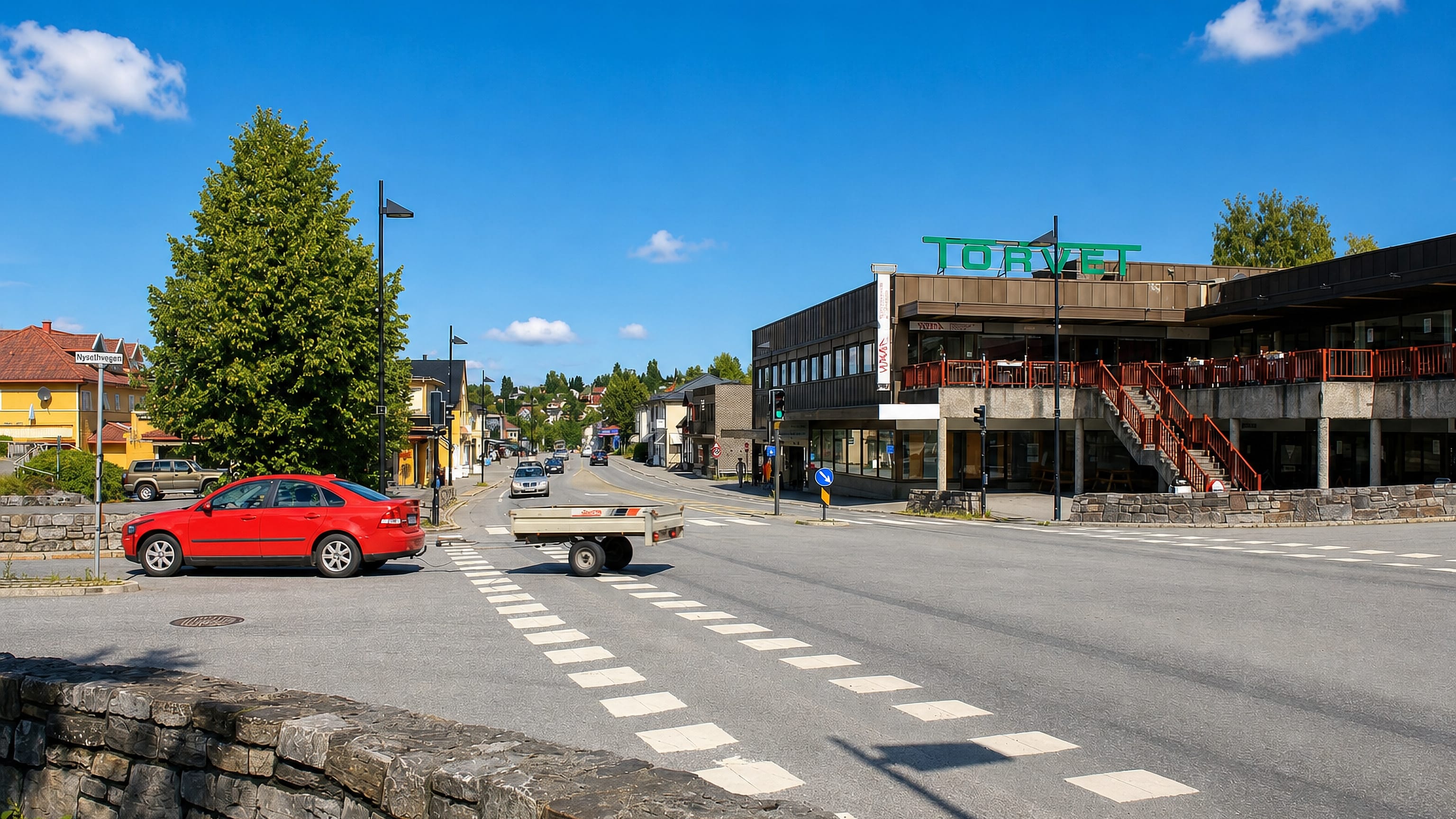
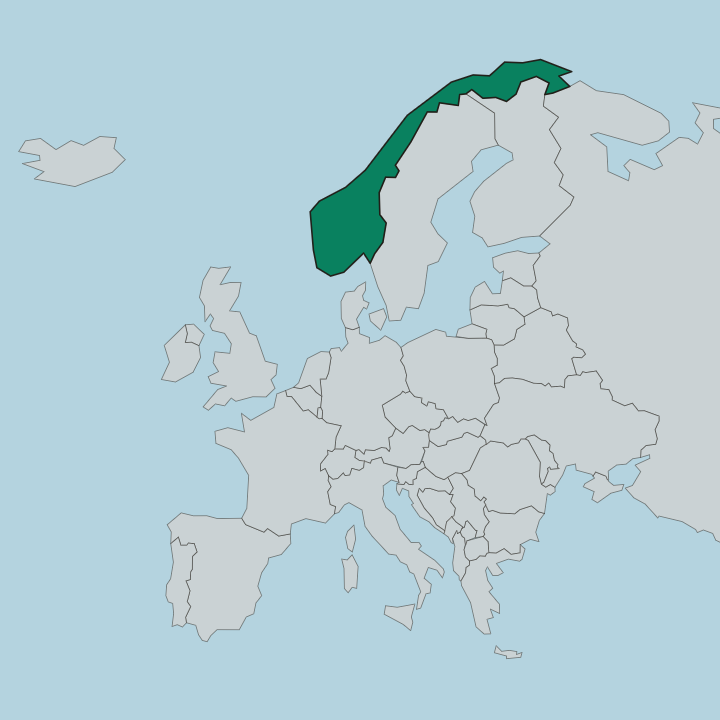
Norway · Innlandet
Where to Stay in Raufoss, Innlandet
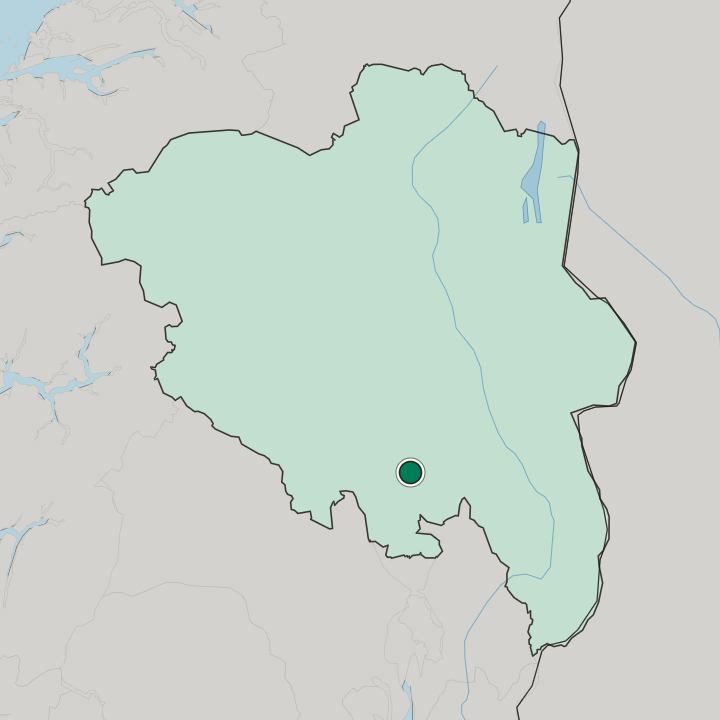
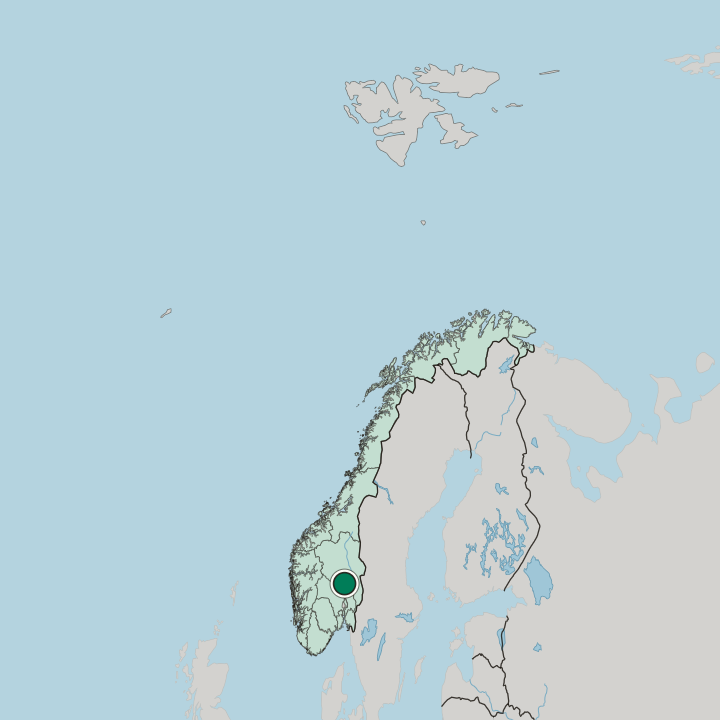
Raufoss is the centre of Vestre Toten, in the southern part of Innlandet, in south-eastern Norway.
Hotel links are affiliate links: booking through them may earn us a commission, at no extra cost to you. It never affects how places are ranked. How this works


Where to stay in Raufoss
The practical side of choosing where to sleep.
Beds gather in the town centre. From the core it is a short walk to Raufoss kirke and an easy reach to Toten Badeland, so first arrivals and anyone without a car settle here near the everyday services of Vestre Toten. The centre keeps things compact.
Out on the farmland, the Toten districts open into scattered country. Beds thin quickly there. Visitors usually base in the Raufoss core and drive out to Ås kirke or the Stenberg estate for the day, which keeps the town's shops and pool close while the country sights stay within an easy run.
Since the urban area edges into neighbouring Gjøvik, some travellers split the difference and base a short way north, trading the Raufoss centre for a wider choice of beds up the road.
Find hotels in Raufoss
Direct booking searches for these neighbourhoods.
Sentrum
The Raufoss core sits a short walk from Raufoss kirke and the Toten Badeland water park, near Vestre Toten's services.Find hotels in SentrumA rural base toward Ås kirke and the Stenberg estateToten farmland
Scattered Toten country around Ås kirke and Stenberg runs quiet and farmed, with beds well thinned out. Few places to stay nearby — book ahead.Find hotels in Toten farmlandHotel links are affiliate links: booking through them may earn us a commission, at no extra cost to you. It never affects how places are ranked. How this works
About Raufoss
Toten knows Raufoss as its working centre.
What is Raufoss known for?
The town is the administrative heart of Vestre Toten, set on the rolling farmland of the Toten districts a short way south of Gjøvik. Toten Badeland gives the place a busy indoor water park that pulls families in from across the region. Raufoss kirke marks the town's own parish, while the older Ås kirke stands out on the surrounding Toten farmland, the two churches framing how the centre relates to the country around it.
What are the main landmarks in Raufoss?
A pool and two churches lead. Toten Badeland is the busiest draw, an indoor water park at the edge of the centre, while Raufoss kirke holds the town's own parish nearby. Out on the farmland, the heritage-listed Ås kirke serves an older Toten congregation.
The Stenberg estate, with its preserved Amtmannsgården, keeps a museum of district life on the country ground beyond the town.
What is the history of Raufoss?
Toten was farmed long before Raufoss was a town. The old parish of Ås kirke, heritage-listed and set among the fields, marks the deep agricultural settlement of the Toten districts in the southern part of Innlandet, and the Stenberg estate, with its preserved Amtmannsgården, carries the memory of how the country was administered and worked. The town grew up as the working centre of Vestre Toten.
Raufoss kirke served the gathering settlement as it became the administrative heart of the municipality, set a short way south of Gjøvik on the same rolling farmland. The centre drew in services and people. In time Toten Badeland gave the town a modern draw, an indoor water park at its edge, so that Raufoss came to combine the older Toten countryside with the everyday role of a municipal centre whose urban edge now reaches into neighbouring Gjøvik.
Where is Raufoss?
Farmland rolls all around. Raufoss lies in the southern part of Innlandet, the centre of Vestre Toten, on the cultivated slopes of the Toten districts a short way south of Gjøvik, with the urban area reaching slightly across the municipal border. The town holds the low centre while Ås kirke stands out on the open fields beyond.
Wooded ridges rise behind the farms, and the country carries on through south-eastern Norway.
What is the climate of Raufoss?
The Toten farmland swings between the seasons. Winters run long and cold, with hard frost over the fields and snow lying on the ridges above the Vestre Toten country, while summers turn warm and green across a short, generous stretch of growing weather. The snow holds late on the higher ground.
Spring and autumn slip by quickly between the two across this Toten country.
How do you get to Raufoss?
The road from Gjøvik runs straight in. Raufoss sits a short way south of Gjøvik on the routes crossing the southern part of Innlandet, close enough that the two towns' urban edges nearly meet, and the railway line through the Toten districts serves the centre near Raufoss kirke. Country roads then reach out to Ås kirke and the farmland parishes.
A car opens the wider district fastest.
Common questions
What is the best area to stay in Raufoss?
Sentrum: First-timers walking to Raufoss kirke and Toten Badeland. Toten farmland: A rural base toward Ås kirke and the Stenberg estate.
Good for
More cities in Innlandet
Updated September 2026