Norway · Innlandet
Where to Stay in Kongsvinger, Innlandet
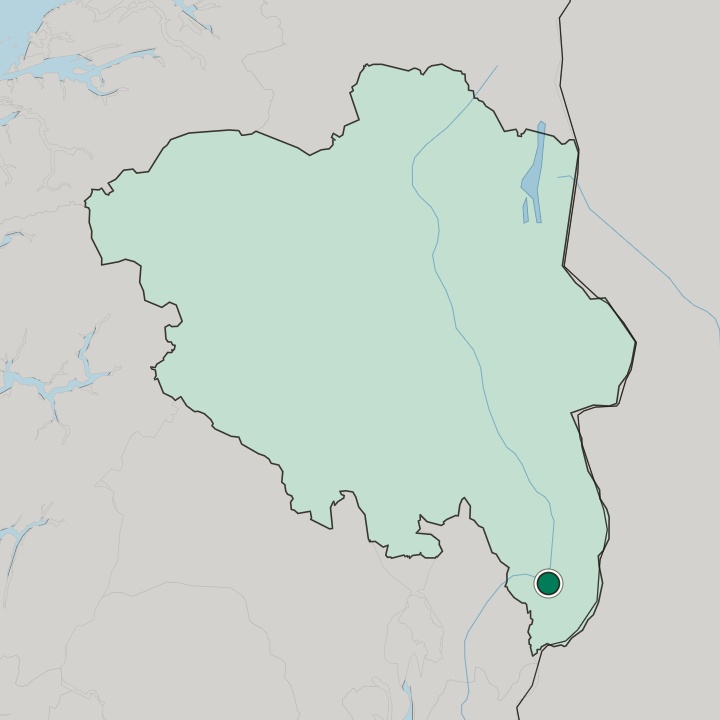
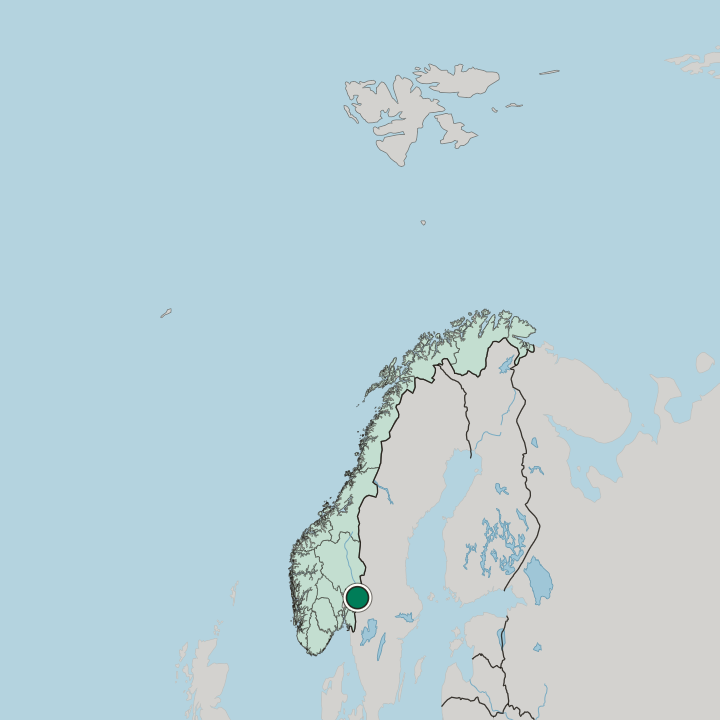
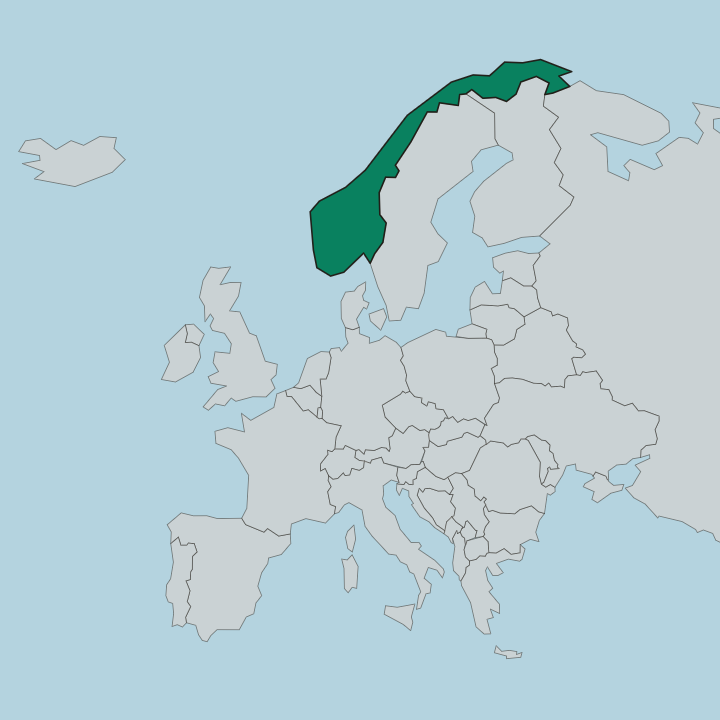
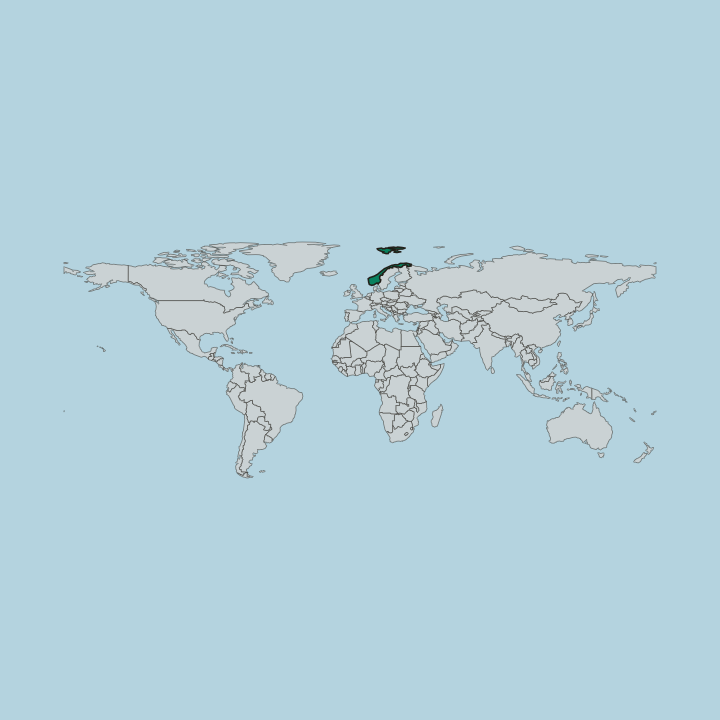
Kongsvinger straddles the Glomma in the south-eastern part of Innlandet, in south-eastern Norway.
Hotel links are affiliate links: booking through them may earn us a commission, at no extra cost to you. It never affects how places are ranked. How this works


Where to stay in Kongsvinger
Where the beds are, and what that means for the visit.
Most beds sit by the river. The centre lies on the banks of the Glomma, an easy walk to the Kvinnemuseet and across the water to the slope where Vinger kirke stands, so first arrivals and anyone without a car settle here. The crossing keeps the two sides close.
Up on the heights around Vinger kirke, the ground turns residential and calm above the river bend. Beds are scarce on the hill. Visitors usually stay down in the riverside core and climb for the view instead, which keeps the museum and the station within reach while the church looks over both banks.
Out past Sta. Clara kirke and the slopes of Gullbekkbakken, the town thins toward open ground, a quieter base for travellers who want distance from the centre and don't mind a short drive in.
Find hotels in Kongsvinger
Direct booking searches for these neighbourhoods.
Sentrum
The riverside core sits a walk from the Kvinnemuseet and across the Glomma from Vinger kirke's slope.Find hotels in SentrumA calm hilltop base above the Glomma's bend by Vinger kirkeVinger
Residential heights around Vinger kirke overlook both banks of the river but hold few beds. Rooms are few around here — worth securing early.Find hotels in VingerHotel links are affiliate links: booking through them may earn us a commission, at no extra cost to you. It never affects how places are ranked. How this works
Things to do in Kongsvinger
Ranked by global recognition; descriptions from Wikidata (CC0).
Museums & Galleries
1- Women's Museum Norway
Churches & Religious Sites
2- Vinger Church
- Saint Clare Church
Stadiums & Sports
2- Gullbekkbakken
- Winsnesløkka
worth knowingacross 3 categories in Kongsvinger
About Kongsvinger
The river bends here.
What is Kongsvinger known for?
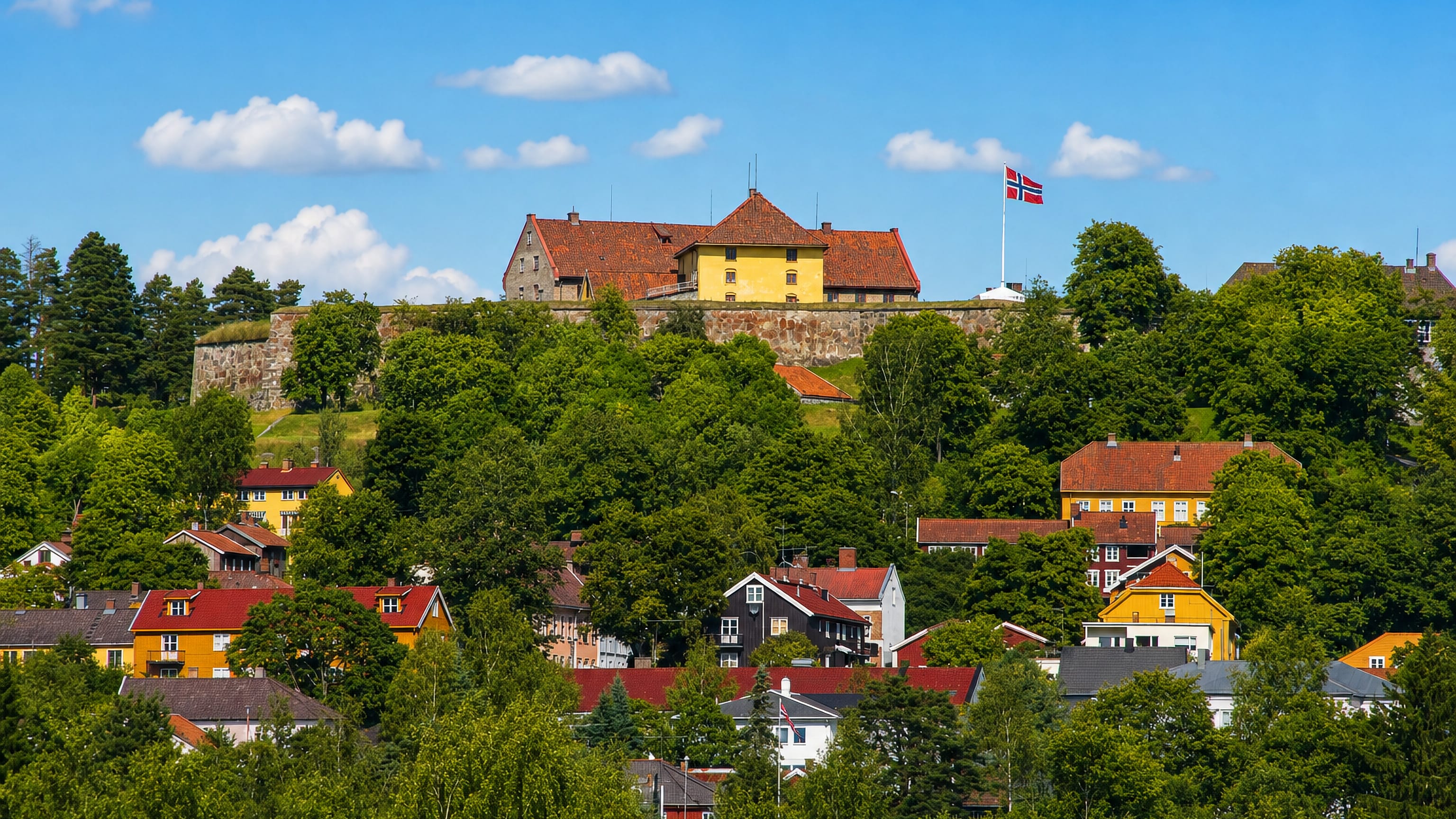
Kongsvinger stands on both banks of the Glomma at the point where the south-flowing river swings sharply to the northwest, and that turn has shaped the town since its beginnings. Vinger kirke marks the older parish on the heights, while the Kvinnemuseet gives Kongsvinger a distinct cultural draw as a museum devoted to women's history. The river crossing and the hilltop church together make the town a recognisable stop on the route east toward the border.
What are the main landmarks in Kongsvinger?
Churches and a museum anchor the town. Vinger kirke stands on the heights above the Glomma, while Sta. Clara kirke serves a separate congregation down in the town, and the Kvinnemuseet draws visitors with its focus on the history of women's lives.
The hillside slopes of Gullbekkbakken and Winsnesløkka, once given over to winter sport, recall how the town used the ground rising from the river. Each marks a different corner of Kongsvinger.
What is the history of Kongsvinger?
The river drew the first settlement. Kongsvinger grew at the sharp bend where the Glomma turns from its southward run to the northwest, a natural crossing and gathering point on the route toward the eastern border. Vinger kirke, on the heights above the water, marks the older parish of Vinger from which the town took half its name.
The place developed on both banks as traffic and trade used the river and the crossing. Sta. Clara kirke later served a growing congregation in the town below, and the slopes that rise from the Glomma found use for sport, with Gullbekkbakken and Winsnesløkka given over to winter ground.
The town leaned on its position. In time Kongsvinger gathered its own institutions, and the Kvinnemuseet made the place a keeper of women's history, a cultural turn that set the river town apart from its inland neighbours along the same eastern routes.
Where is Kongsvinger?
The Glomma cuts the town in two. Kongsvinger lies in the south-eastern part of Innlandet, on both banks of the river at the point where its south-flowing course bends hard to the northwest, with the centre on the low ground and Vinger kirke on the rising heights. Slopes climb from the water toward Gullbekkbakken on the edge of town.
Wooded country spreads around it, and the river carries Kongsvinger's outlook on through south-eastern Norway.
What is the climate of Kongsvinger?
Far inland near the border, the weather runs to extremes. Winters grip the Glomma valley hard, with deep frost over the river and snow lying long on the slopes above town, while summers turn warm and green across a short, generous season. The river can ice over in the cold.
Snow on the hills once kept Gullbekkbakken in use through the season.
How do you get to Kongsvinger?
The railway reaches the town. Kongsvinger sits on the line running east from the south-eastern part of Innlandet toward the border, and the station lies close to the Glomma in the riverside centre. Roads follow the river and cross it at the town, tying both banks together and linking Kongsvinger along the eastern routes.
The crossing that made the town still funnels its traffic over the water.
Common questions
What is the best area to stay in Kongsvinger?
Sentrum: First-timers basing by the Glomma near the Kvinnemuseet and the station. Vinger: A calm hilltop base above the Glomma's bend by Vinger kirke.
Good for
More cities in Innlandet
Updated October 2026