Norway · Innlandet
Where to Stay in Lillehammer, Innlandet
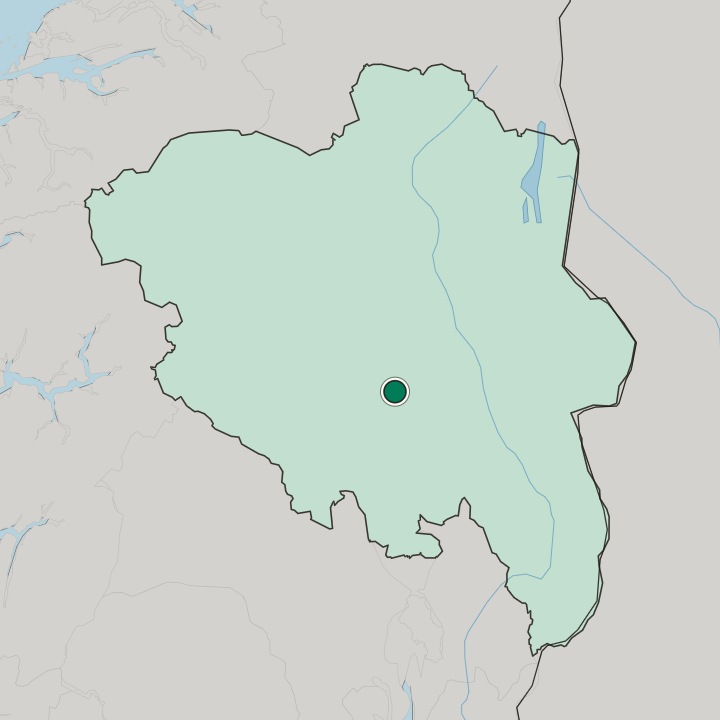
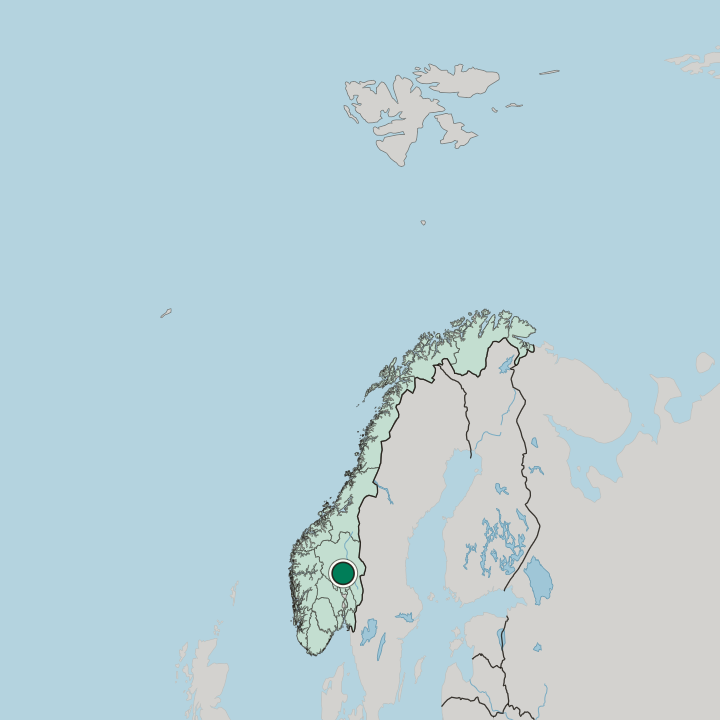
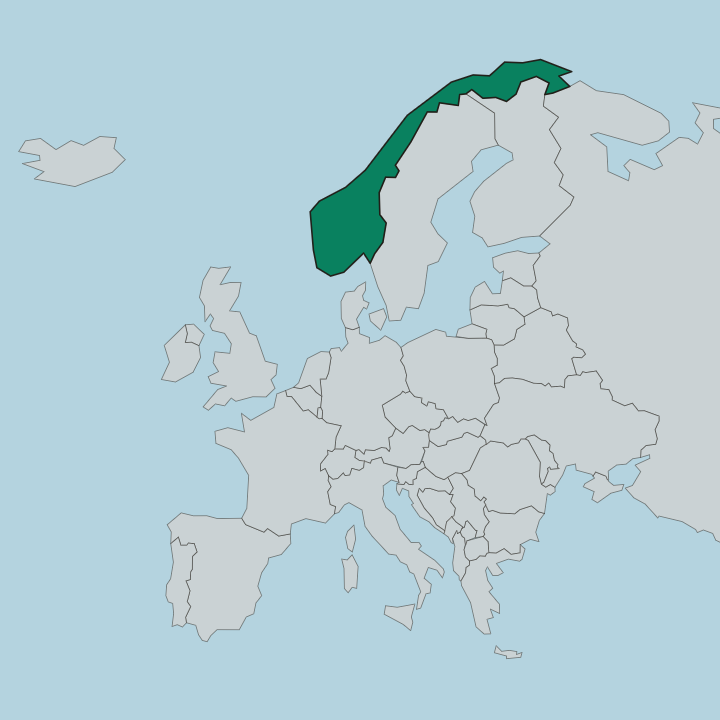
Lillehammer is a town in the southern part of Innlandet, south-eastern Norway (Østlandet), an Olympic host and open-air-museum seat.
Hotel links are affiliate links: booking through them may earn us a commission, at no extra cost to you. It never affects how places are ranked. How this works


Where to stay in Lillehammer
How the choice of base plays out on the ground.
Lillehammer's centre is the first base. Its pedestrian high street climbs the slope above the valley floor, gathering the shops, the station, and the everyday services of the southern part of Innlandet, with Lillehammer Art Museum and Maihaugen within easy reach, so a room here keeps the town's life and its museums close at hand. This is the natural choice for a first visit.
The upper slopes toward the Olympic venues are the sportier alternative. Håkons Hall and the ski grounds sit above the centre, where the hillside thins into quieter lodging away from the high street. Stay in the centre near Lillehammer Art Museum if you want shops, the station, and the museums on foot.
Choose the upper slopes only if you want the venues and the trails at the door. Both keep you in the same valley town in south-eastern Norway (Østlandet).
Find hotels in Lillehammer
Direct booking searches for these neighbourhoods.
Lillehammer centre
The Lillehammer centre climbs the slope on a pedestrian high street, gathering the station, the shops, and Lillehammer Art Museum within easy reach of Maihaugen.Find hotels in Lillehammer centreHillside lodging by Håkons Hall above the Lillehammer centreOlympic upper slopes
The upper slopes above the Lillehammer centre hold Håkons Hall and the ski grounds, where the hillside thins into quieter lodging by the Olympic venues and trails. Rooms are few around here — worth securing early.Find hotels in Olympic upper slopesHotel links are affiliate links: booking through them may earn us a commission, at no extra cost to you. It never affects how places are ranked. How this works
Things to do in Lillehammer
Ranked by global recognition; descriptions from Wikidata (CC0).
Museums & Galleries
3- Bjerkebæk Heritage home of Sigrid Undset, now museum
- Maihaugen
- Lillehammer Art Museum art gallery
Churches & Religious Sites
4- Lillehammer Church Heritage Parish church
- Søre Ål Church Heritage
- Isumkapellet Heritage
- Fiskerkapellet Heritage
Stadiums & Sports
2- Håkons Hall architectural structure
- Stampesletta Stadium complex
worth knowingacross 3 categories in Lillehammer
About Lillehammer
Lillehammer is best known for two things.
What is Lillehammer known for?
It hosted the Winter Olympics, a legacy held in Håkons Hall and the Norwegian Olympic Museum, and it keeps one of the country's great open-air museums in Maihaugen. Add Lillehammer Art Museum and Bjerkebæk, the writer Sigrid Undset's home, and the town packs a remarkable cultural weight into the southern part of Innlandet. It sits at the head of its valley in south-eastern Norway (Østlandet).
What are the main landmarks in Lillehammer?
Lillehammer's landmarks split between sport and culture. Håkons Hall and the Norwegian Olympic Museum carry the town's Olympic story, while Maihaugen gathers old timber buildings as one of Norway's great open-air museums. Lillehammer Art Museum stands near the high street, and Bjerkebæk was the home of the writer Sigrid Undset.
The old parish church, Lillehammer Church, anchors the centre alongside the smaller St. Mary Church.
What is the history of Lillehammer?
Lillehammer was established in 1827. It grew at the head of its valley in the southern part of Innlandet, a trading point where the farms of the surrounding country brought goods to the river and the road. The old parish church, Lillehammer Church, marked the settled core.
The town gathered a cultural life beyond its size. Maihaugen rose as a vast open-air museum of old timber buildings, the writer Sigrid Undset settled at Bjerkebæk, and Lillehammer Art Museum built a collection of national note. Hosting the Winter Olympics reshaped the slopes above town, leaving Håkons Hall and the venues whose story the Norwegian Olympic Museum now tells.
A valley town turned into a host of the world. Through it all Lillehammer kept its valley setting and its role as a cultural seat of south-eastern Norway (Østlandet).
Where is Lillehammer?
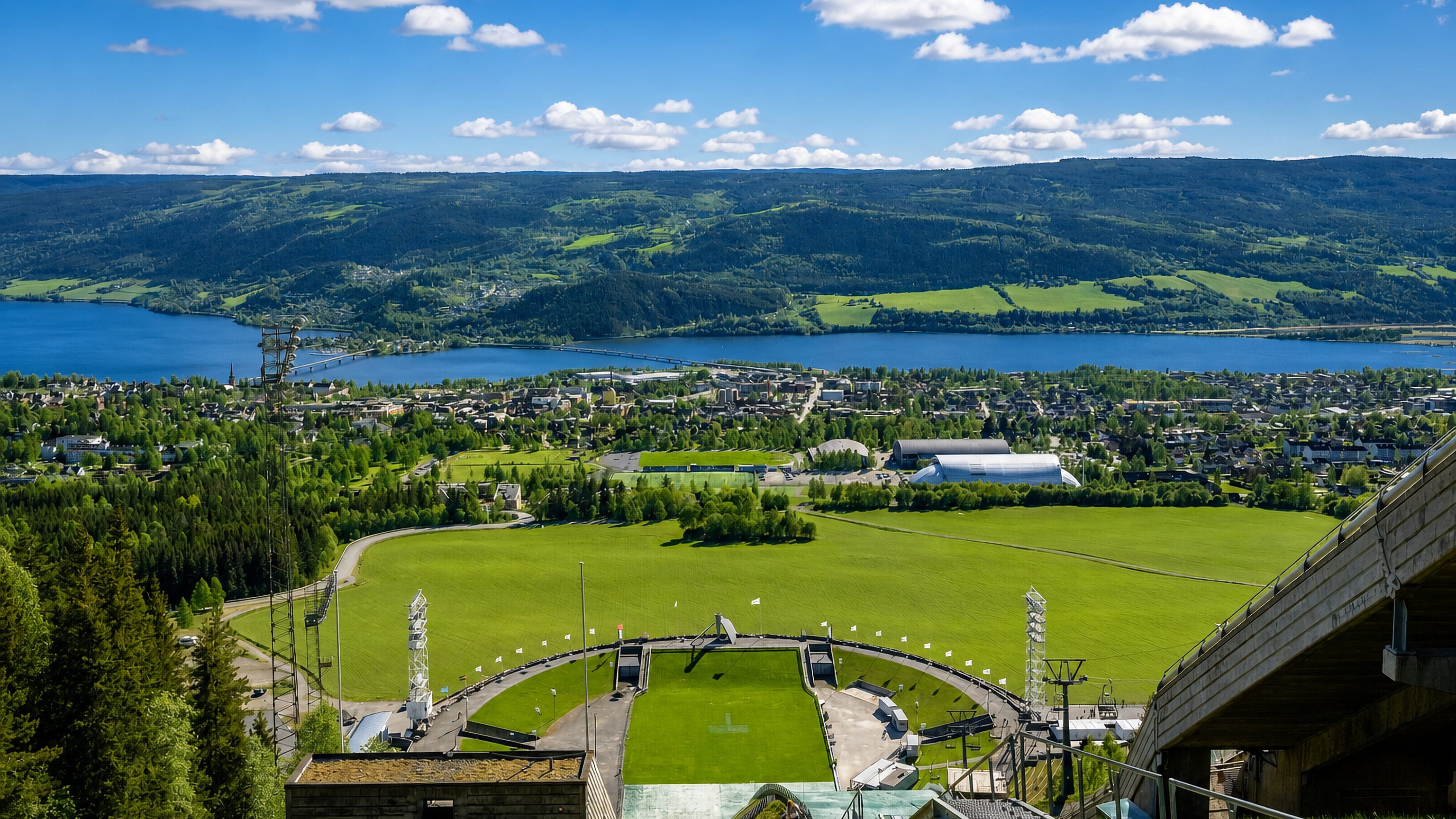
Lillehammer sits at the head of its valley in the southern part of Innlandet. The town climbs the slope above the valley floor. Its streets rise from the lowland toward the wooded hills and the Olympic grounds around Håkons Hall.
This is inland south-eastern Norway (Østlandet), set well away from the sea, where the valley narrows northward and the high country rises behind Lillehammer toward the fells.
What is the climate of Lillehammer?
Lillehammer feels its weather deep inland, far from any softening sea. Winters here are long, cold, and reliably snowy, the very conditions that drew the Winter Olympics to the slopes around Håkons Hall in the southern part of Innlandet. Summers turn warm and green in the valley.
The valley position gives this part of south-eastern Norway (Østlandet) sharper seasonal swings than the coast, with snow that holds well up the surrounding hills.
How do you get to Lillehammer?
Lillehammer is reached by rail and road. The line up the valley brings trains to the station in the centre, the same routes that carried crowds to the Olympic venues around Håkons Hall. Roads run in from across the southern part of Innlandet.
The station sits below the high street. From south-eastern Norway (Østlandet) and beyond, the valley railway is the simplest way to arrive at Lillehammer.
Common questions
What is the best area to stay in Lillehammer?
Lillehammer centre: Pedestrian high street by Lillehammer Art Museum and the station. Olympic upper slopes: Hillside lodging by Håkons Hall above the Lillehammer centre.
Good for
More cities in Innlandet
Updated October 2026