Norway · Innlandet
Where to Stay in Hamar, Innlandet
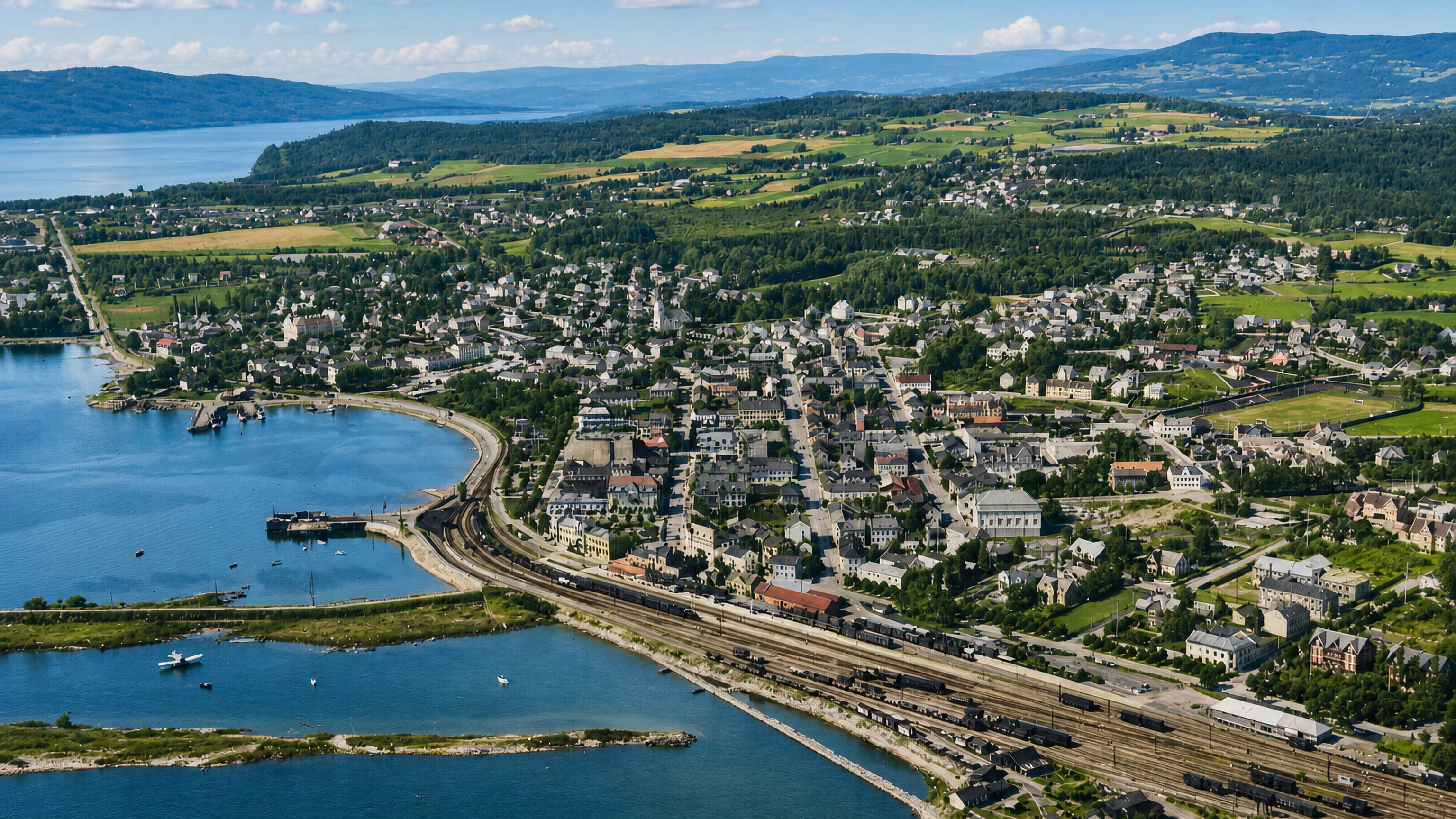
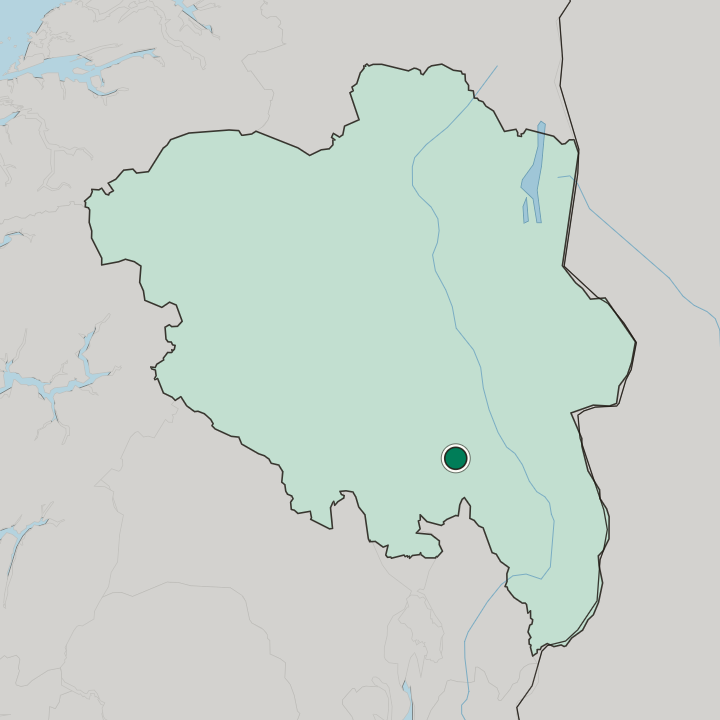
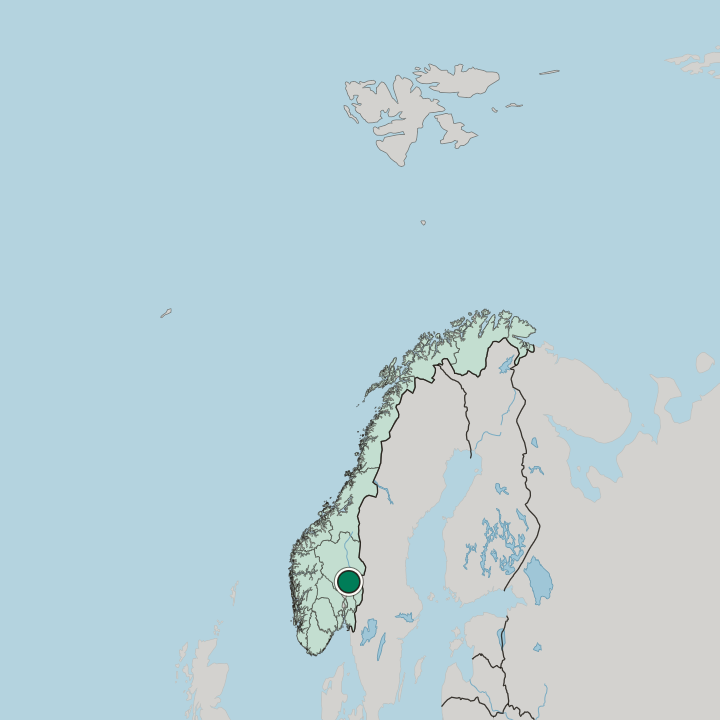
Hamar is a town on Mjøsa in the southern part of Innlandet, south-eastern Norway (Østlandet), the old seat of the Hedmarken district.
Hotel links are affiliate links: booking through them may earn us a commission, at no extra cost to you. It never affects how places are ranked. How this works


Where to stay in Hamar
Where the beds are, and what that means for the visit.
The town centre is the main base in Hamar. It runs back from the Mjøsa shore in a tight grid, gathering the shops, the station, and the everyday services of the southern part of Innlandet, so a room here puts the lakefront, Norsk jernbanemuseum, and the centre's life within easy reach. This is the obvious choice for a first stay.
The Domkirkeodden side is the quieter, museum-minded alternative. The headland carries the medieval cathedral ruins and the open-air collections of Anno Museum out along the lake, away from the centre's traffic, with the water on three sides. Beds gather in the centre.
Stay near the station and the Mjøsa front if you want the town and its railways at the door. Choose the Domkirkeodden side only if the quiet of the headland suits you better. Both keep you on the lakeshore in south-eastern Norway (Østlandet).
Find hotels in Hamar
Direct booking searches for these neighbourhoods.
Hamar town centre
The Hamar centre runs back from the Mjøsa shore in a tight grid, gathering the station, the shops, and Norsk jernbanemuseum within easy reach of the lakefront.Find hotels in Hamar town centreQuiet lake headland by the cathedral ruins and Anno MuseumDomkirkeodden headland
The Domkirkeodden headland carries the medieval cathedral ruins and the open-air Anno Museum out along Mjøsa, with water on three sides and the centre's traffic left behind. Lodging is scarce in this area; reserve in advance.Find hotels in Domkirkeodden headlandHotel links are affiliate links: booking through them may earn us a commission, at no extra cost to you. It never affects how places are ranked. How this works
Things to do in Hamar
Ranked by global recognition; descriptions from Wikidata (CC0).
Museums & Galleries
3- Norwegian Railway Museum national railway museum of Norway; the oldest in the world
- Anno Museum group of museums
- Kirsten Flagstad Museum
Churches & Religious Sites
3- Vang Church Heritage
- St. Thorfinn's Church
- Storhamar Church
Castles & Historic Sites
1- Hamarhus
Stadiums & Sports
3- Storhamar ishall
- Hamarhallen
- Ottestad stadium
worth knowingacross 4 categories in Hamar
About Hamar
What is Hamar known for?
Hamar stands on Mjøsa, Norway's largest lake. It serves as the administrative centre for its district in the southern part of Innlandet and the principal town of the Hedmarken country, a role that long made it the meeting point for everything moving across this stretch of lakeside farmland. Railways made its name.
Norsk jernbanemuseum here is the national railway museum, the oldest such museum in the world. Add the cathedral ruins at Domkirkeodden and the lake at the door, and Hamar carries an outsized reputation.
What are the main landmarks in Hamar?
Hamar's landmarks reach back to its cathedral past. Domkirkeodden on the Mjøsa shore holds the ruins of the medieval cathedral, now part of Anno Museum. The town's railway heritage shows at Norsk jernbanemuseum, the world's oldest.
There are churches too, Storhamar kirke and Vang kirke among them, the historic Atlungstad Brenneri distillery out by the lake, and the Kirsten Flagstad Museum honouring the soprano born here. Few towns this size hold so many.
What is the history of Hamar?
Hamar's history begins as a church town on Mjøsa. A medieval cathedral rose on the headland now called Domkirkeodden, making the place a bishop's seat and the centre of the Hedmarken district in what is now the southern part of Innlandet. The cathedral fell to ruin, but its broken arches still stand by the lake.
The town that grew here later turned on the railway. Lines met at Hamar and made it a junction, a role recorded at Norsk jernbanemuseum, the oldest railway museum in the world, gathered on the Mjøsa shore. Around that spine came churches like Storhamar kirke and Vang kirke, the Atlungstad Brenneri distillery out by the water, and a strong cultural strand the Kirsten Flagstad Museum keeps alive.
Trade and travel passed through. Hamar became the principal town of its lakeside country, the administrative seat that anchors this corner of south-eastern Norway (Østlandet) to this day.
Where is Hamar?
Hamar sits on the eastern shore of Mjøsa, Norway's largest lake, in the southern part of Innlandet. The town spreads back from the water across the gentle farmland of the Hedmarken district, ground long worked for grain. The lake defines it.
This is inland south-eastern Norway (Østlandet), set well away from the sea, where the broad sheet of Mjøsa and the open Hedmarken fields give the country around Hamar its shape.
What is the climate of Hamar?
Hamar feels its weather deep inland, far from any softening sea. Winters here are long and cold across the Hedmarken country, and Mjøsa can freeze hard enough to carry skaters in the southern part of Innlandet. Summers turn warm and bright over the Hedmarken country.
The deep inland position gives this part of south-eastern Norway (Østlandet) sharper seasonal swings than the coast, the great lake holding and slowly releasing the season's heat.
How do you get to Hamar?
Hamar is easy to reach by rail. The town grew as a junction, and trains still run to the lakeside station beside Mjøsa, a heritage the Norsk jernbanemuseum records. Roads come in from across the southern part of Innlandet and the Hedmarken country around.
The station sits in the heart of town. From south-eastern Norway (Østlandet) and beyond, the railway remains the natural way into Hamar.
Common questions
What is the best area to stay in Hamar?
Hamar town centre: Lakefront grid by the station and Norsk jernbanemuseum. Domkirkeodden headland: Quiet lake headland by the cathedral ruins and Anno Museum.
Good for
More cities in Innlandet
Updated October 2026