Norway
Østfold fylke, Norway — Towns & Travel Guide
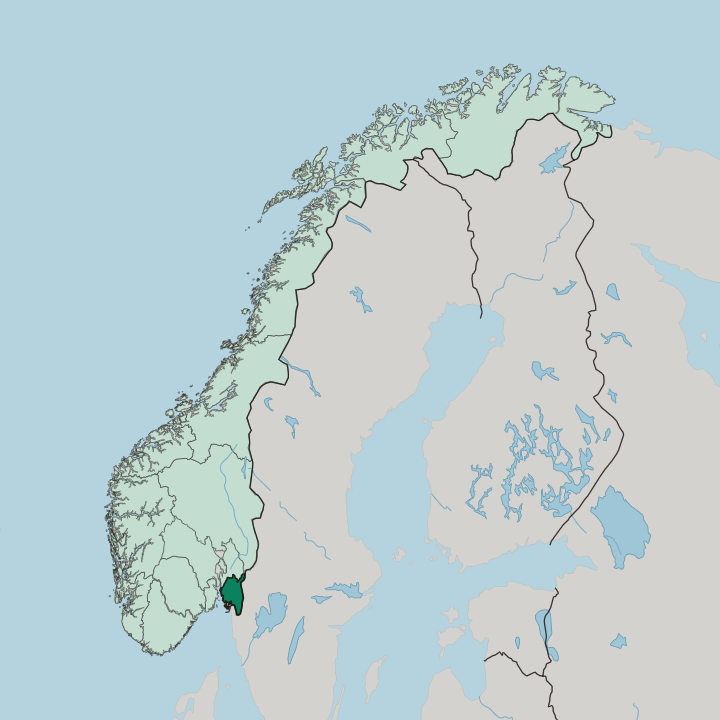
Østfold is a county in south-eastern Norway, the Østlandet region, with Fredrikstad as its largest city.
Hotel links are affiliate links: booking through them may earn us a commission, at no extra cost to you. It never affects how places are ranked. How this works


Towns & cities in Østfold fylke
Pick a town or city — each links to where to stay.
 Norway
Fredrikstad
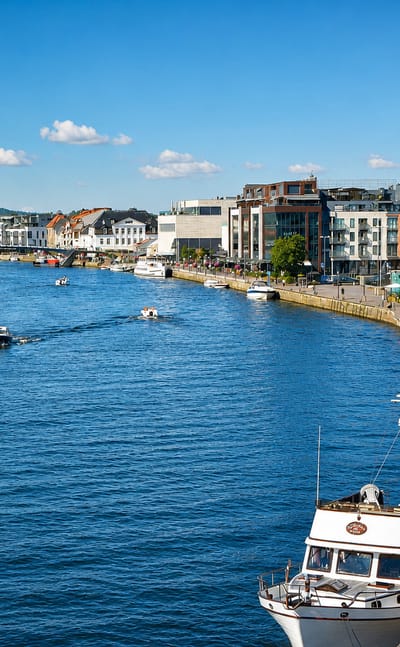
Fredrikstad is a port city in Østfold, south-eastern Norway, known for the best-preserved fortified old town in Northern Europe.Where to stay →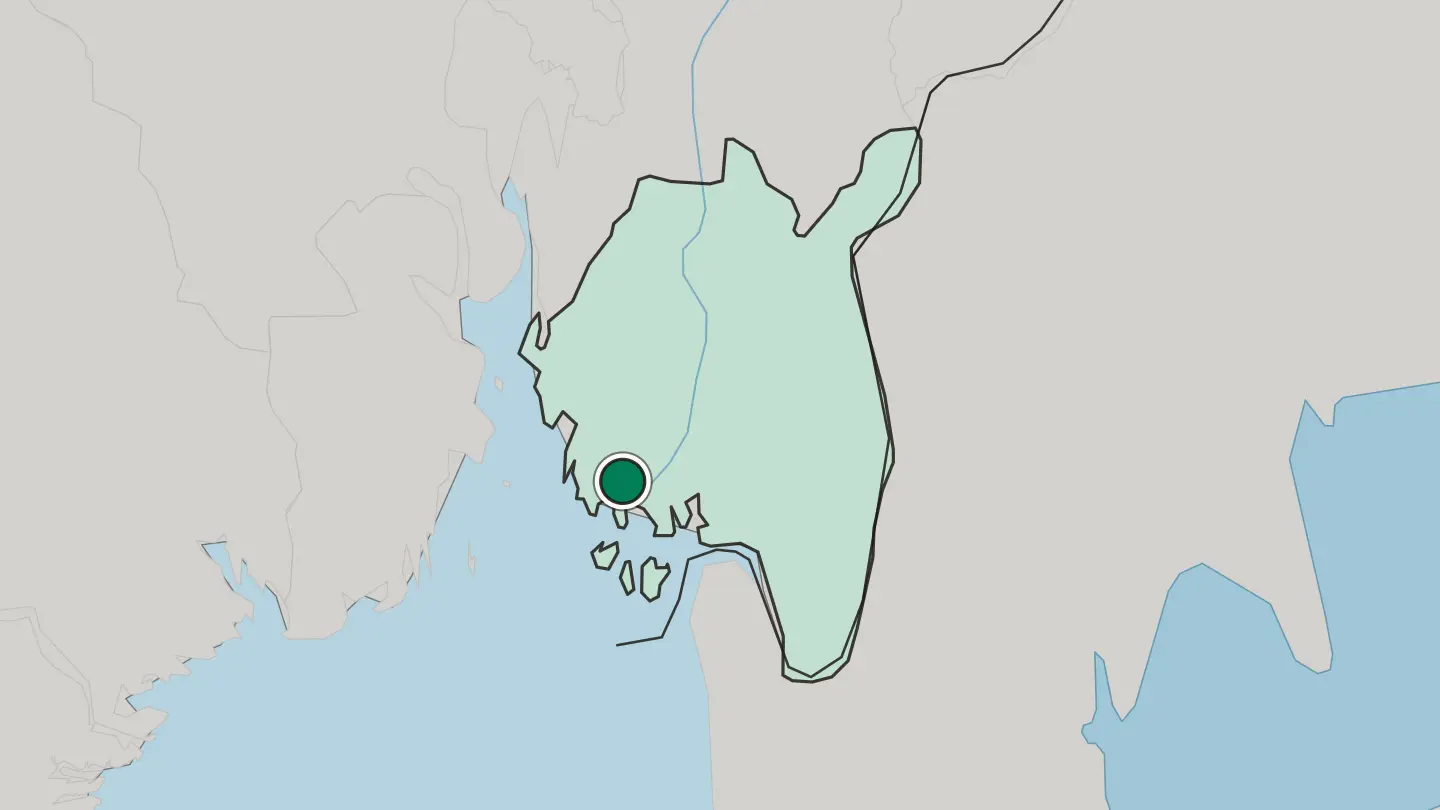
 Norway
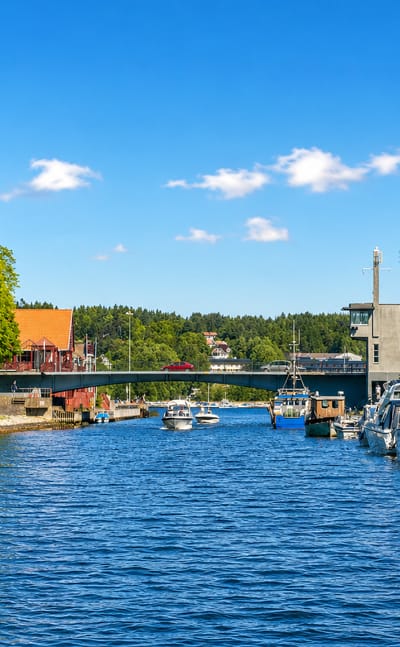
Sarpsborg
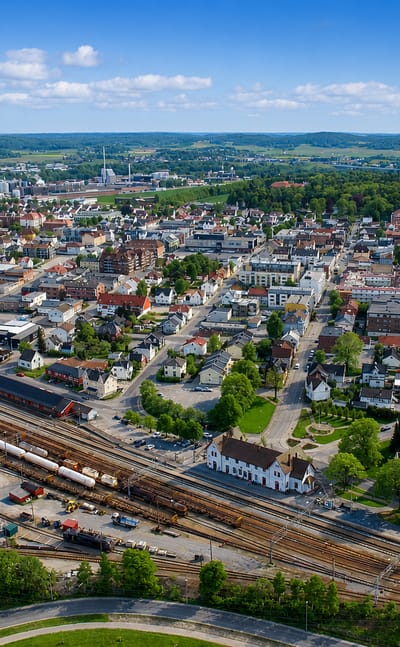
Sarpsborg is a riverside city in Østfold, south-eastern Norway, founded in 1016 and one of the country's oldest towns.Where to stay →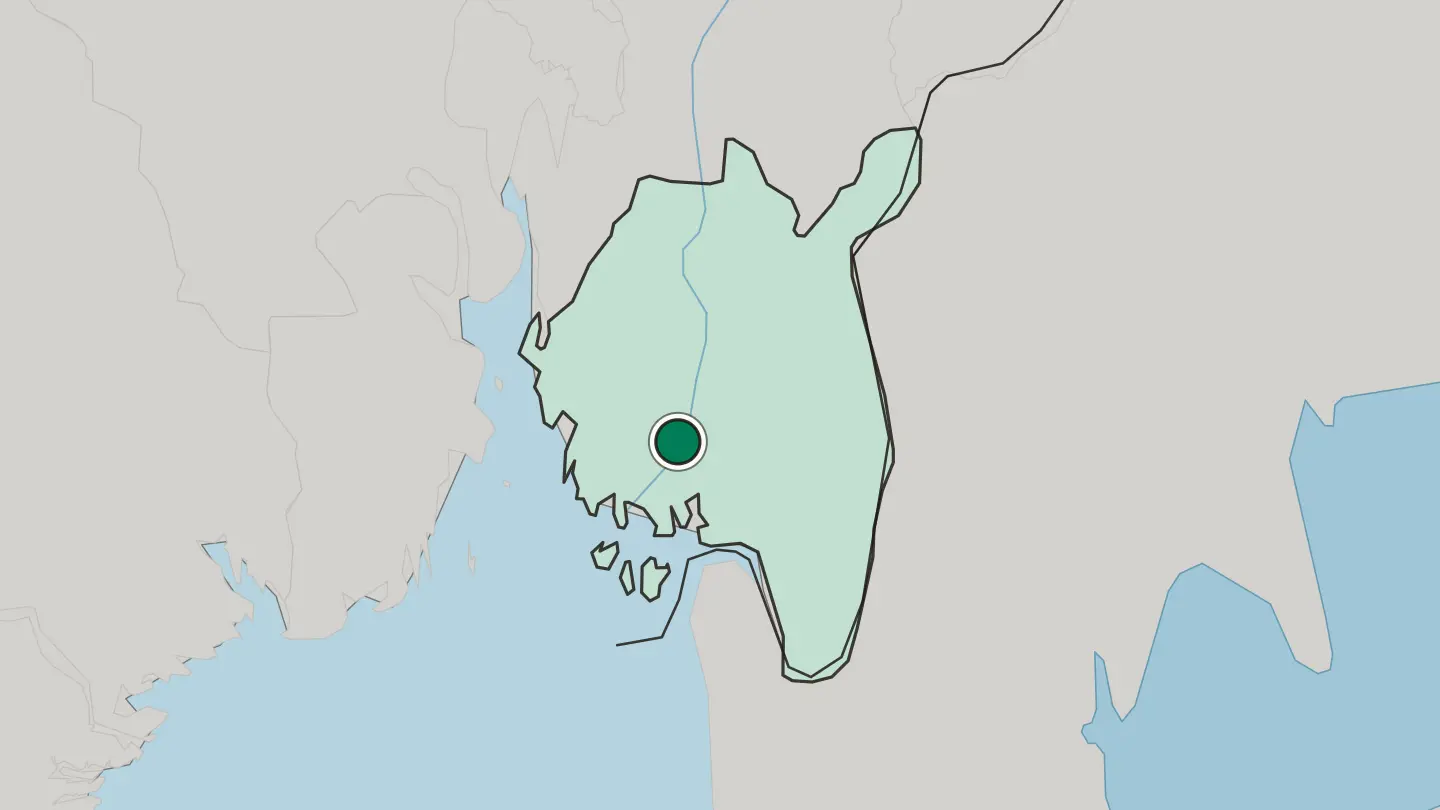
 Norway
Moss
Moss is a coastal city in Østfold, south-eastern Norway, set across the mainland and the island of Jeløy.Where to stay →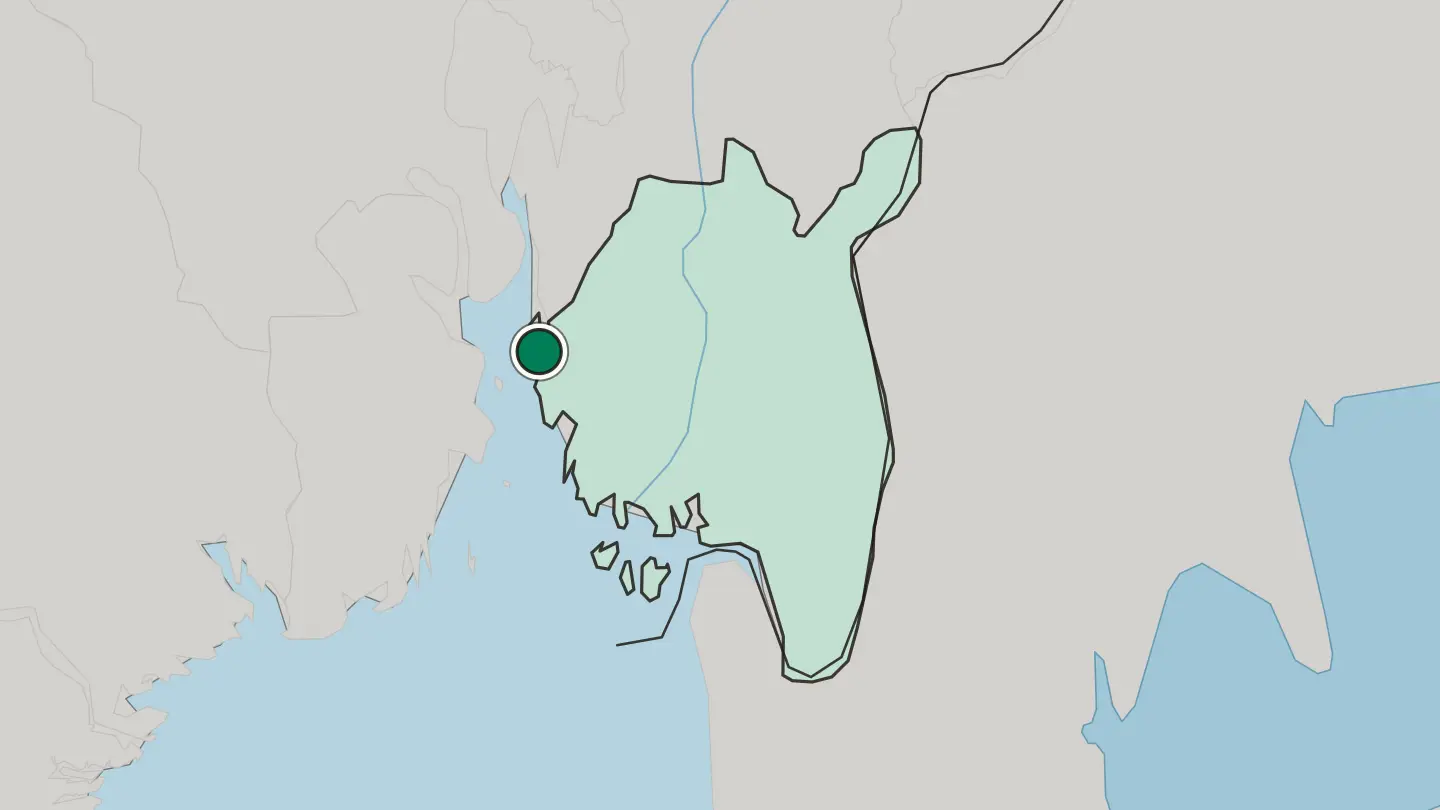
 Norway
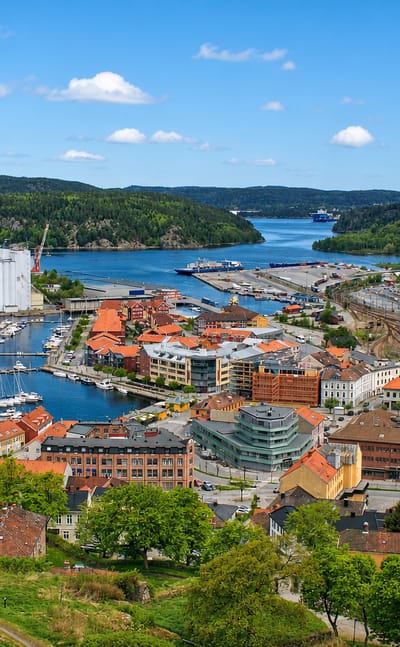
Halden
Halden is a fortress town in Østfold, south-eastern Norway, on the Swedish border below the ramparts of Fredriksten festning.Where to stay →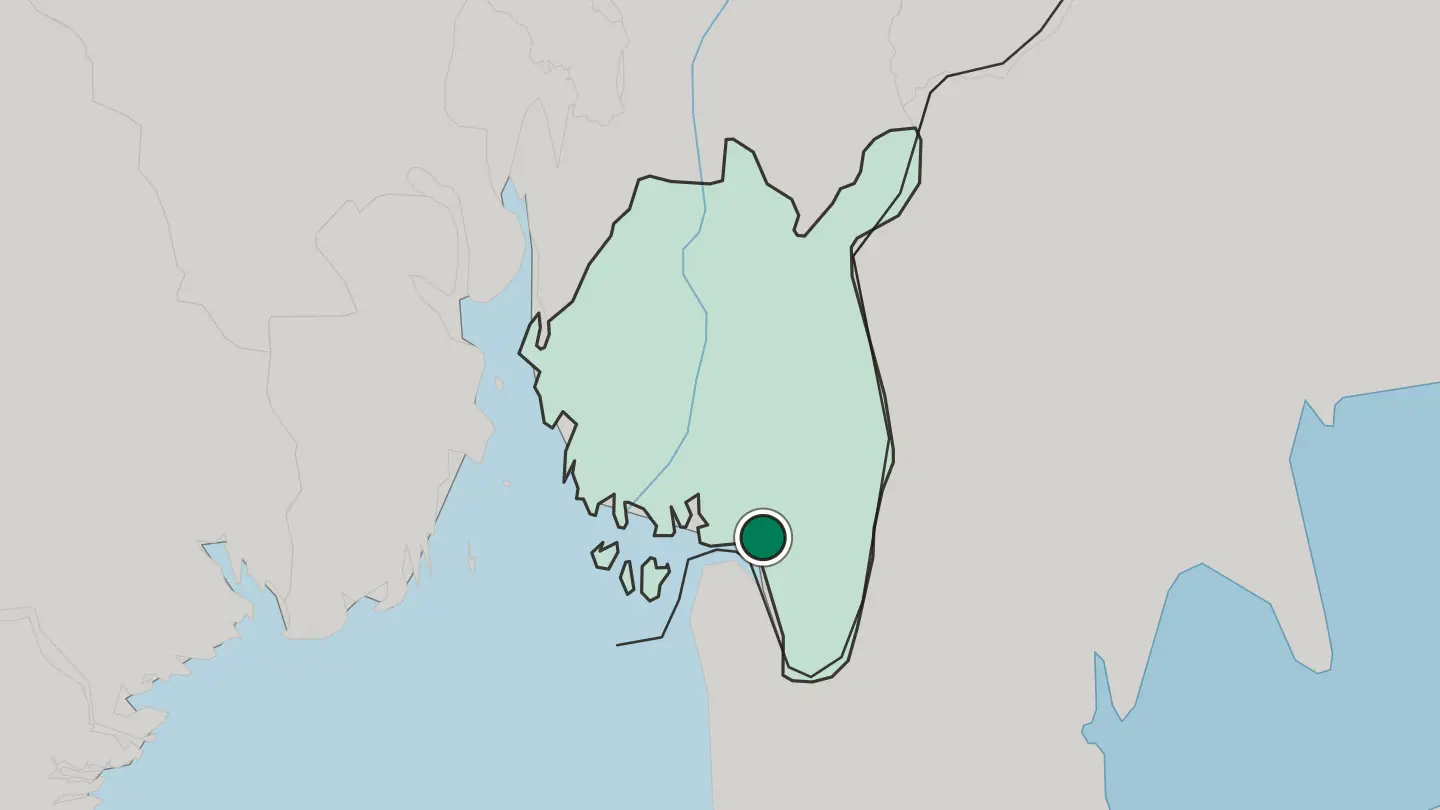
 Norway
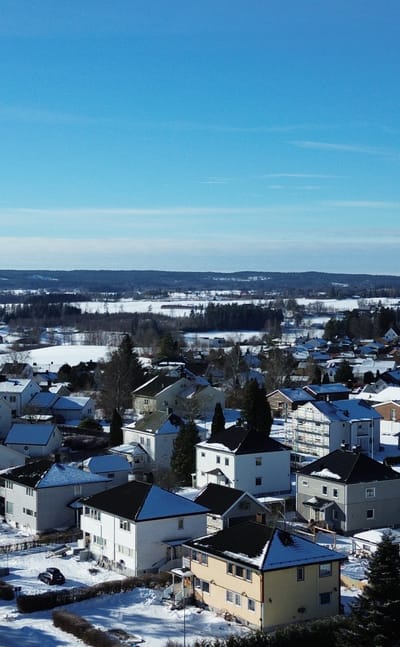
Askim
Askim is a former mill and factory town in Indre Østfold, in south-eastern Norway (Østlandet).Where to stay →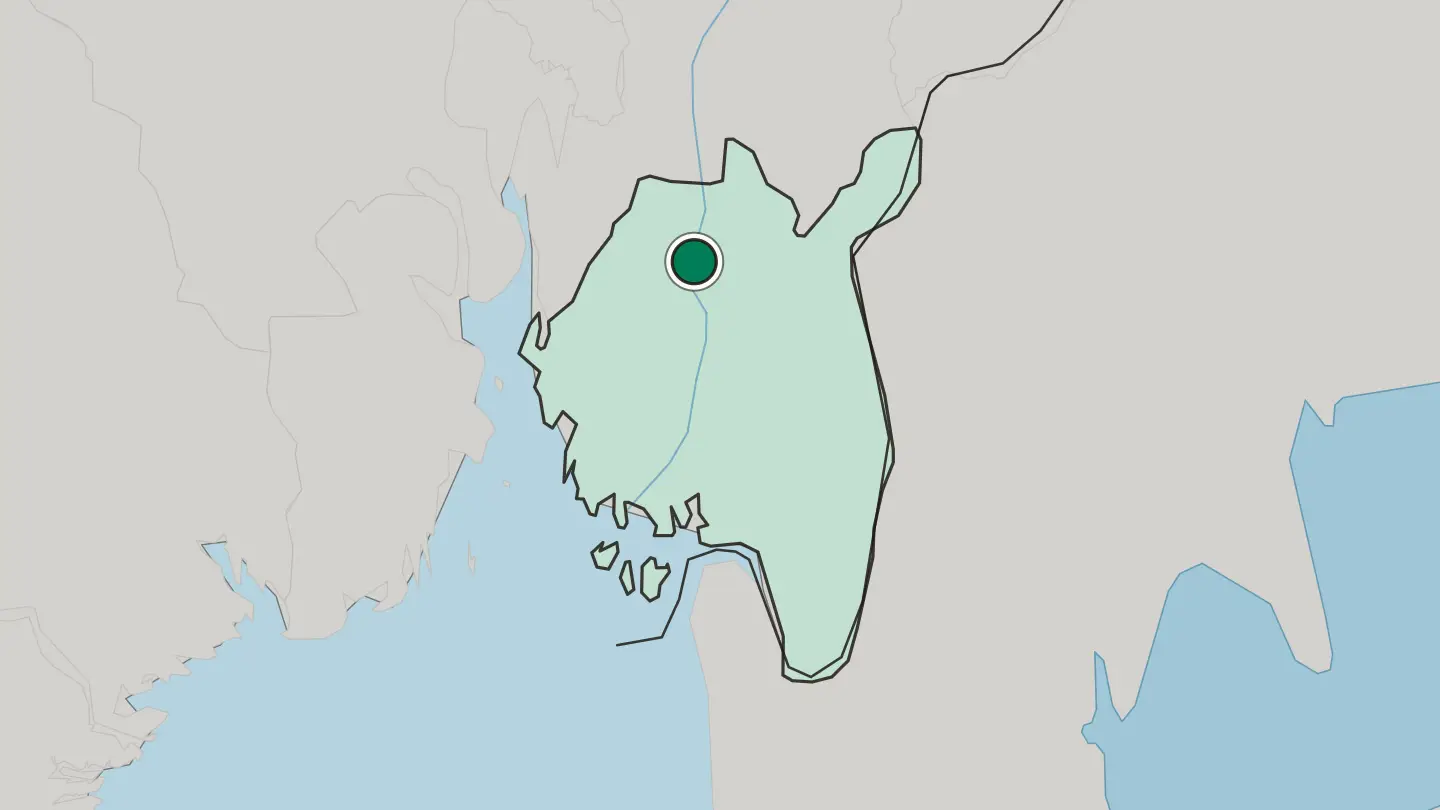
 Norway
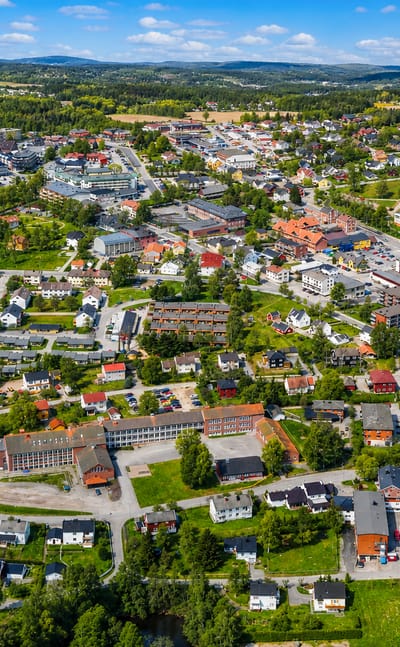
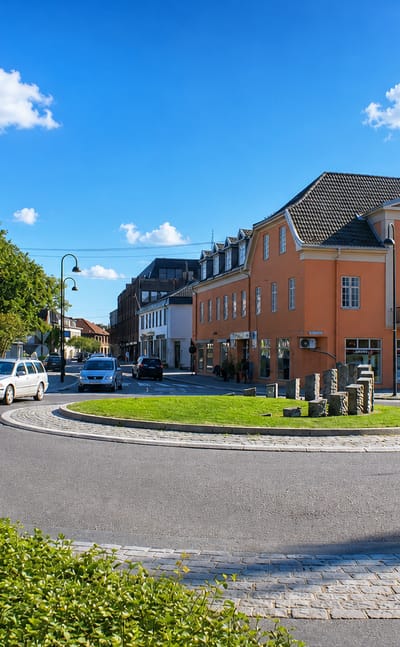
Mysen
Mysen is the old market town of Eidsberg in Indre Østfold, in south-eastern Norway (Østlandet).Where to stay →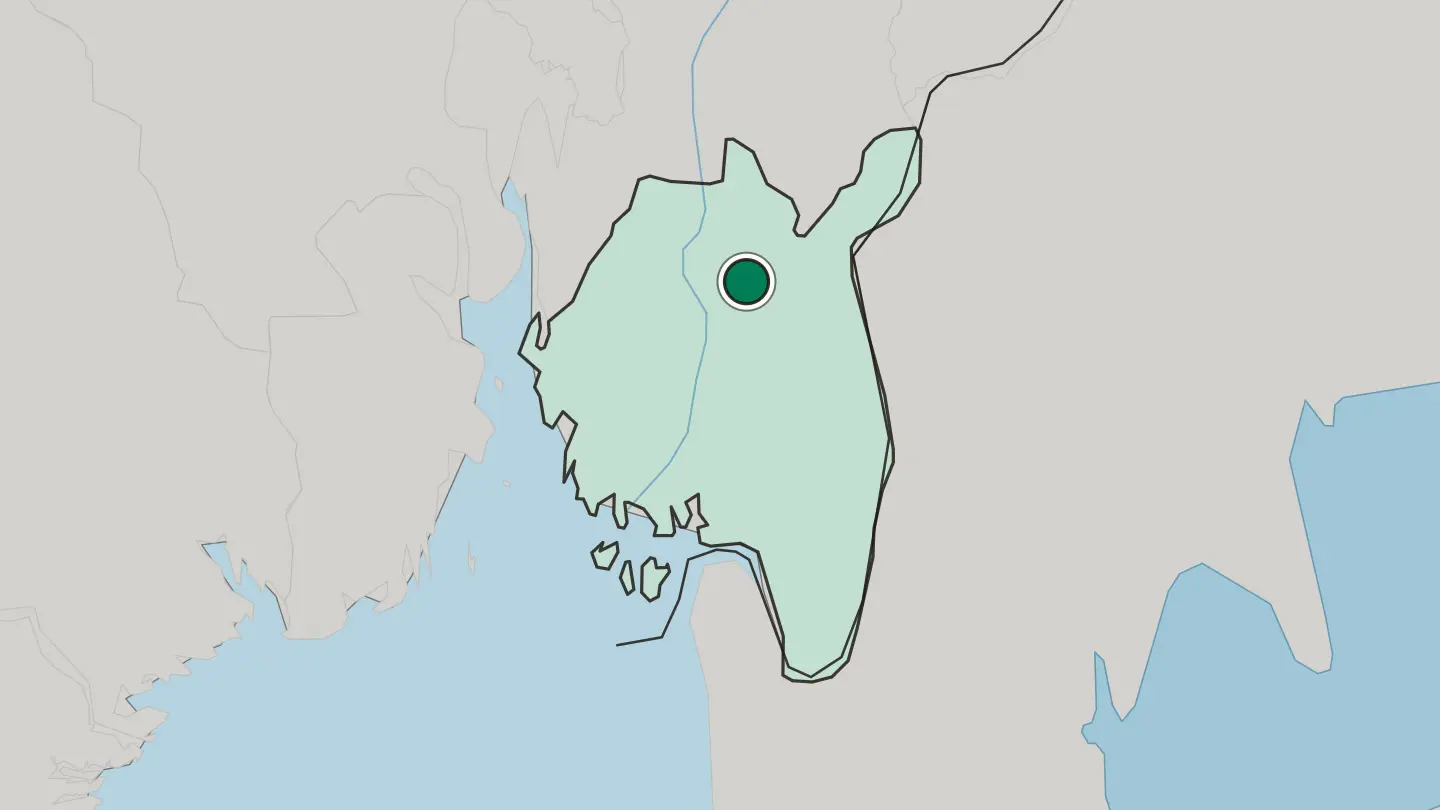
 Norway
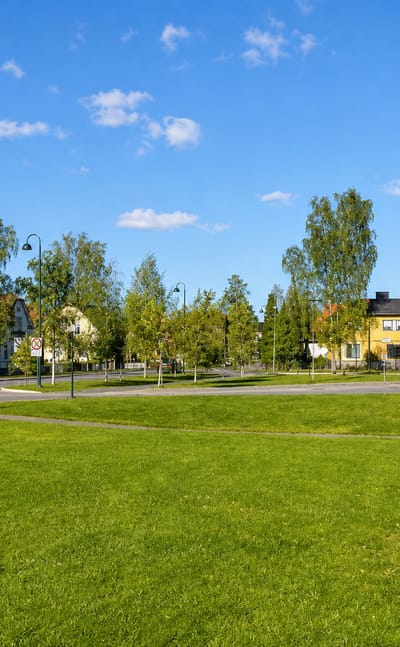
Rakkestad
Rakkestad is a farming municipality in Østfold, in south-eastern Norway (Østlandet).Where to stay →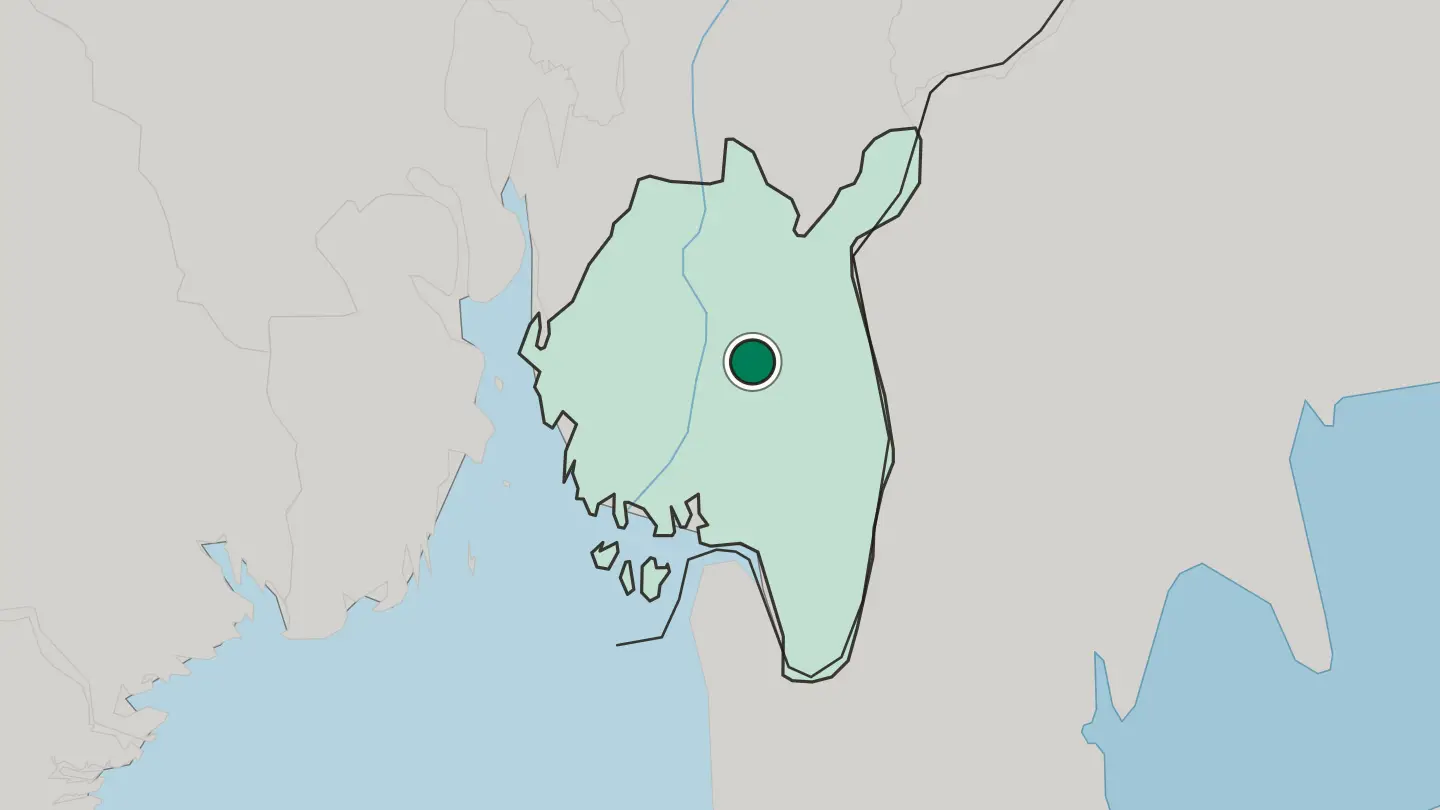
 Norway
Spydeberg
Spydeberg is a parish village in Indre Østfold, in south-eastern Norway (Østlandet).Where to stay →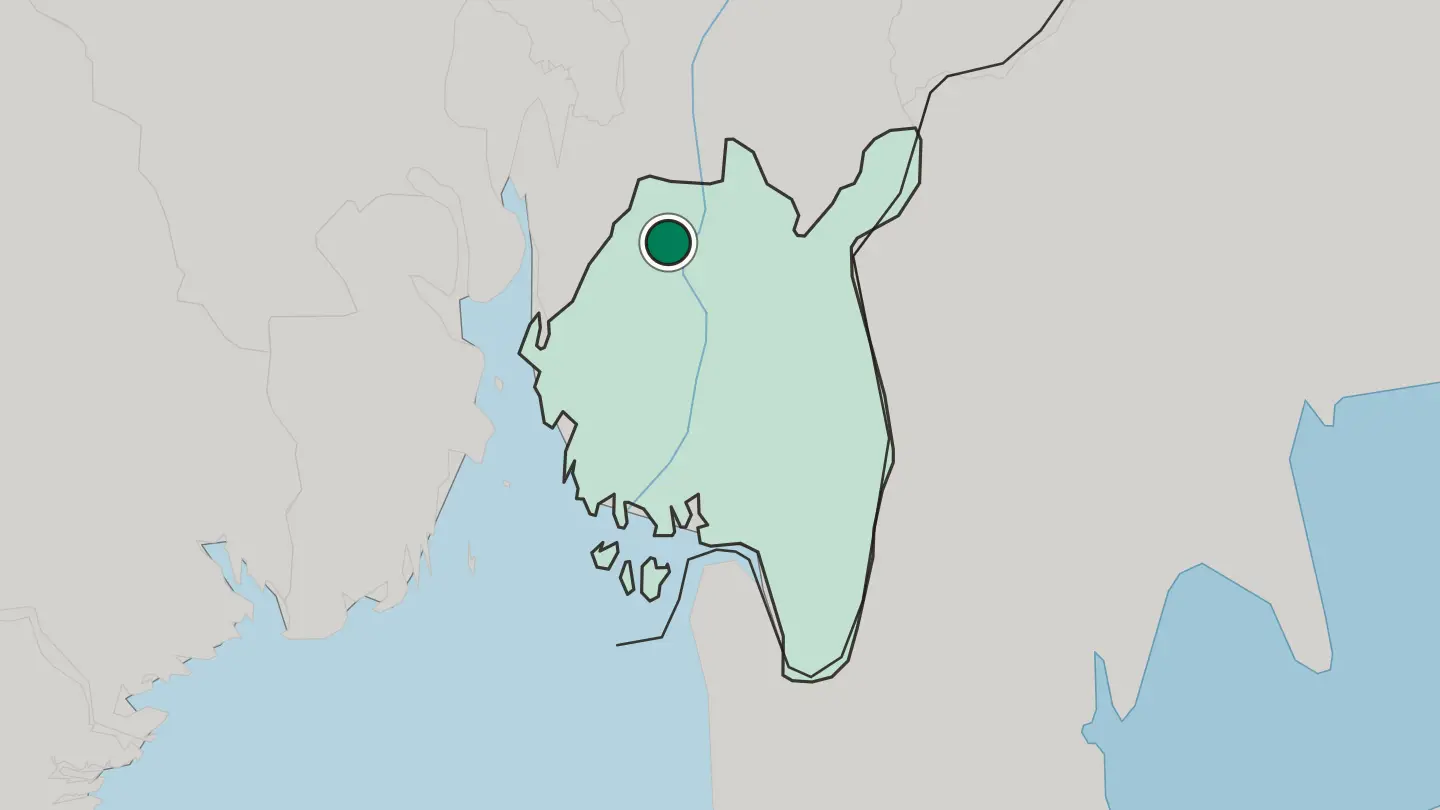
All towns & cities (16)
Norway
Karlshus
Karlshus is the village centre of Råde in Østfold, in south-eastern Norway (Østlandet).Where to stay →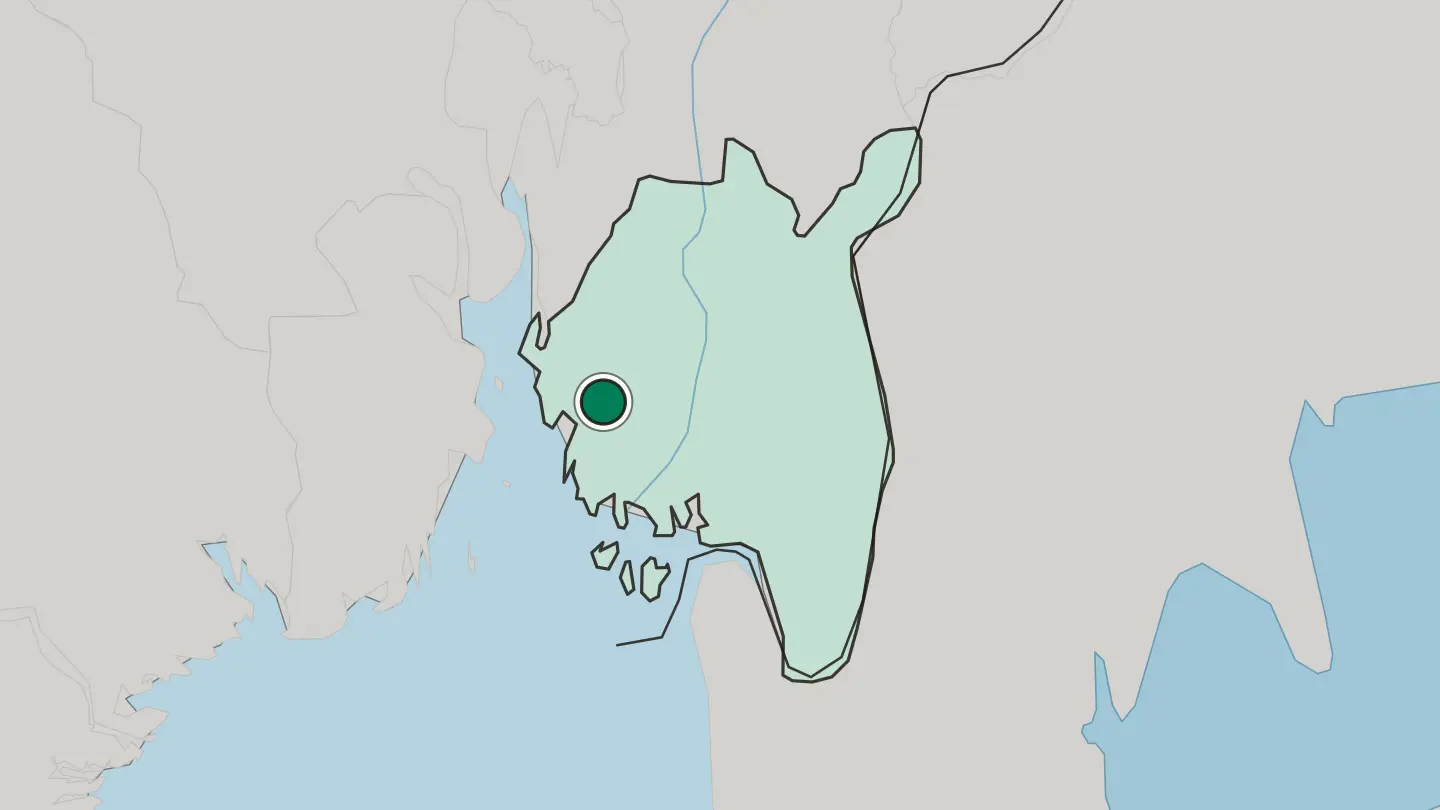
 Norway
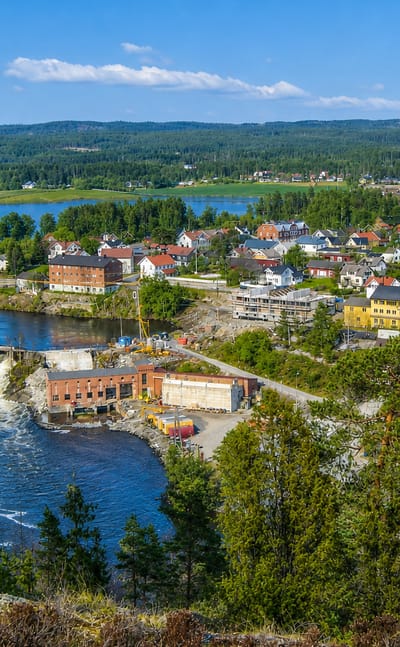
Ørje
Ørje is a canal village and seat of Marker in Østfold, in south-eastern Norway (Østlandet).Where to stay →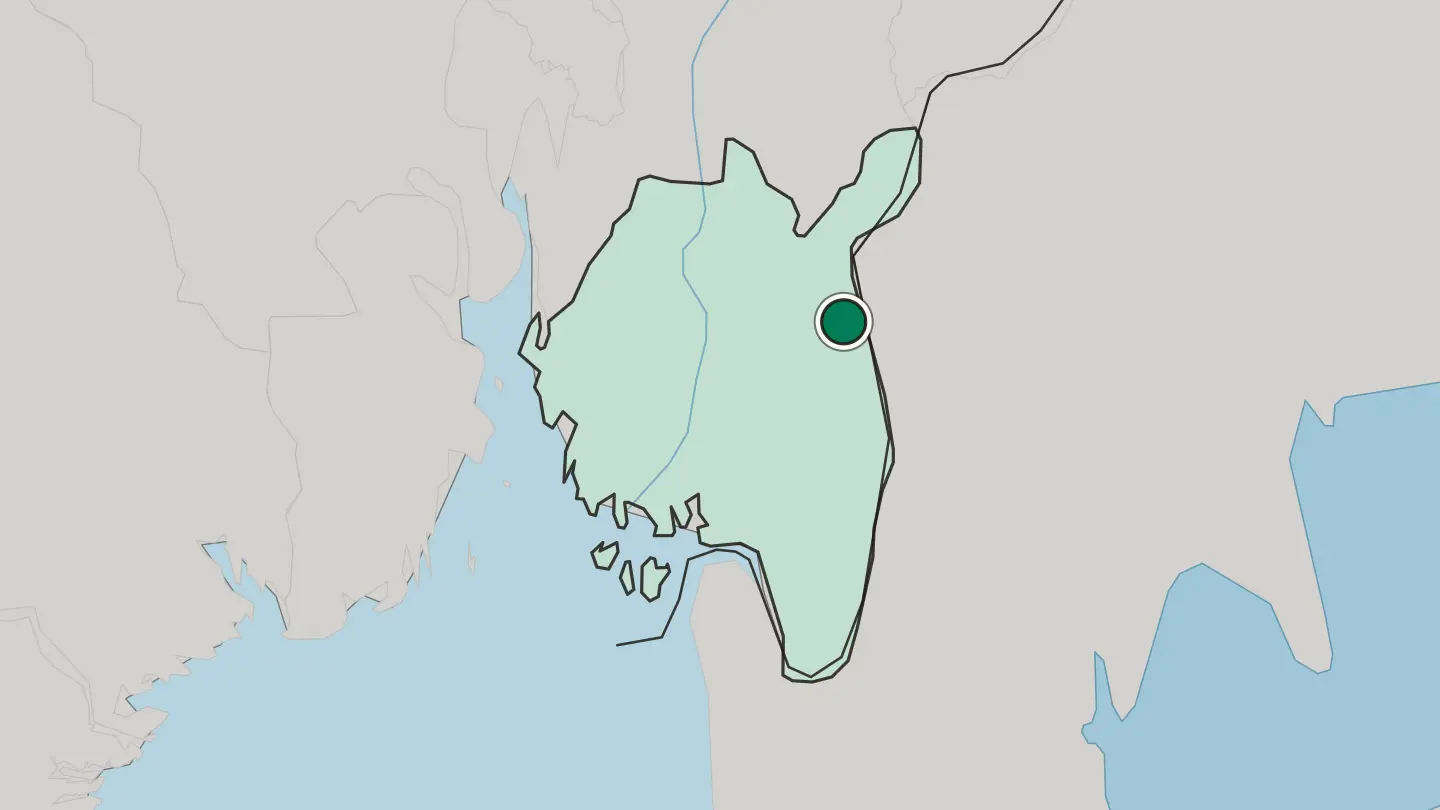
 Norway
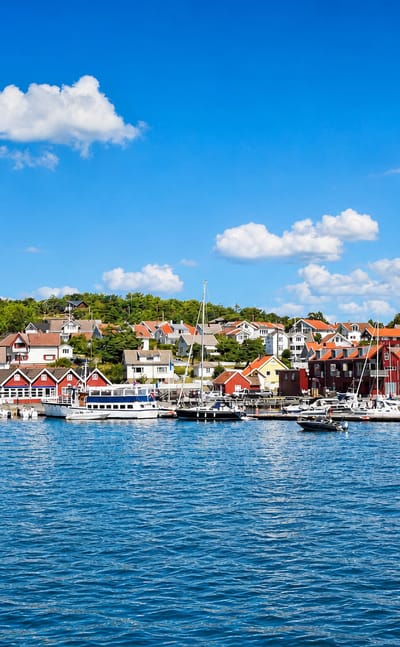
Skjærhalden
Skjærhalden is the main settlement of Hvaler Municipality, an island harbour in the south-western part of Østfold, south-eastern Norway.Where to stay →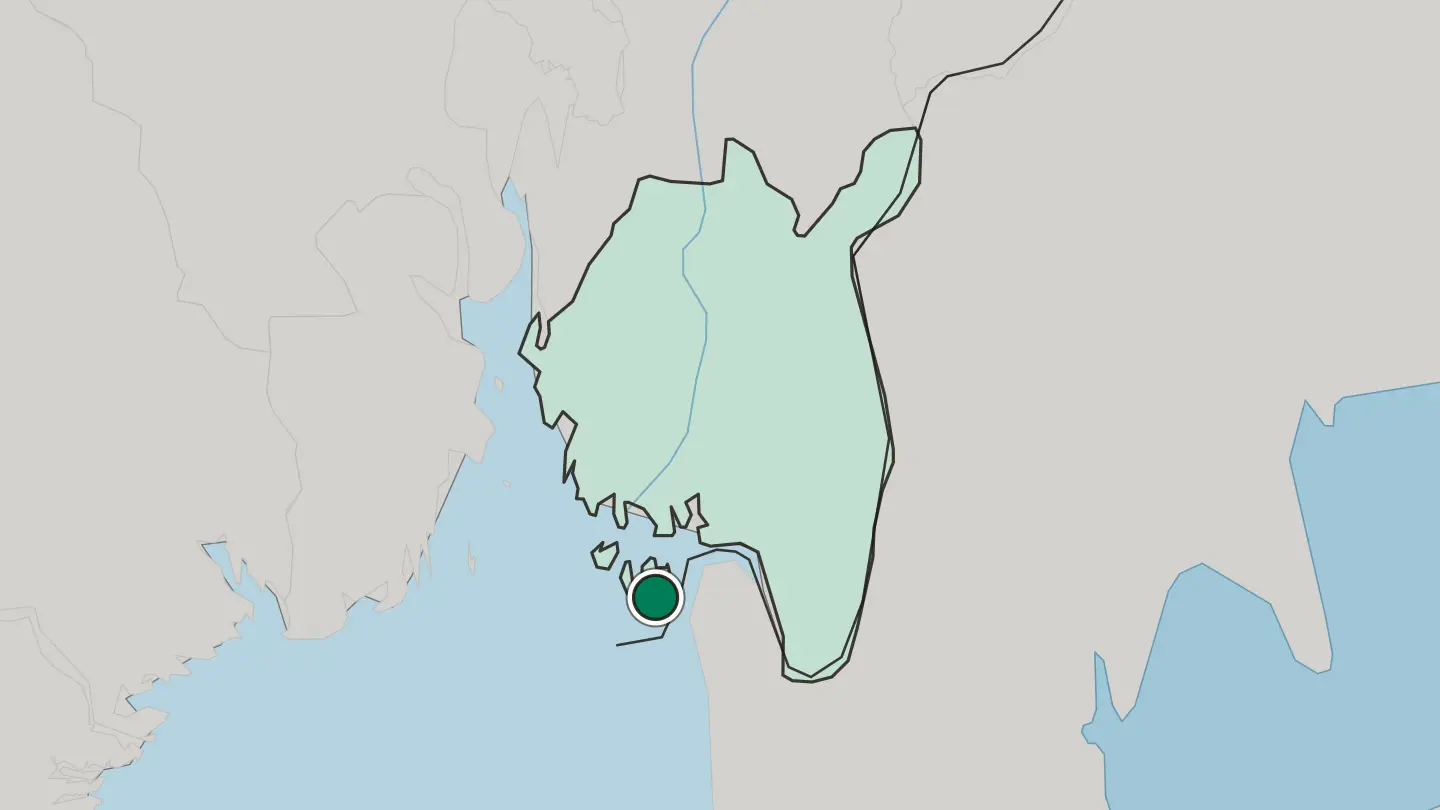 Norway
Fossby
Fossby is the administrative centre of Aremark Municipality, an inland village in the south-eastern part of Østfold, south-eastern Norway.Where to stay →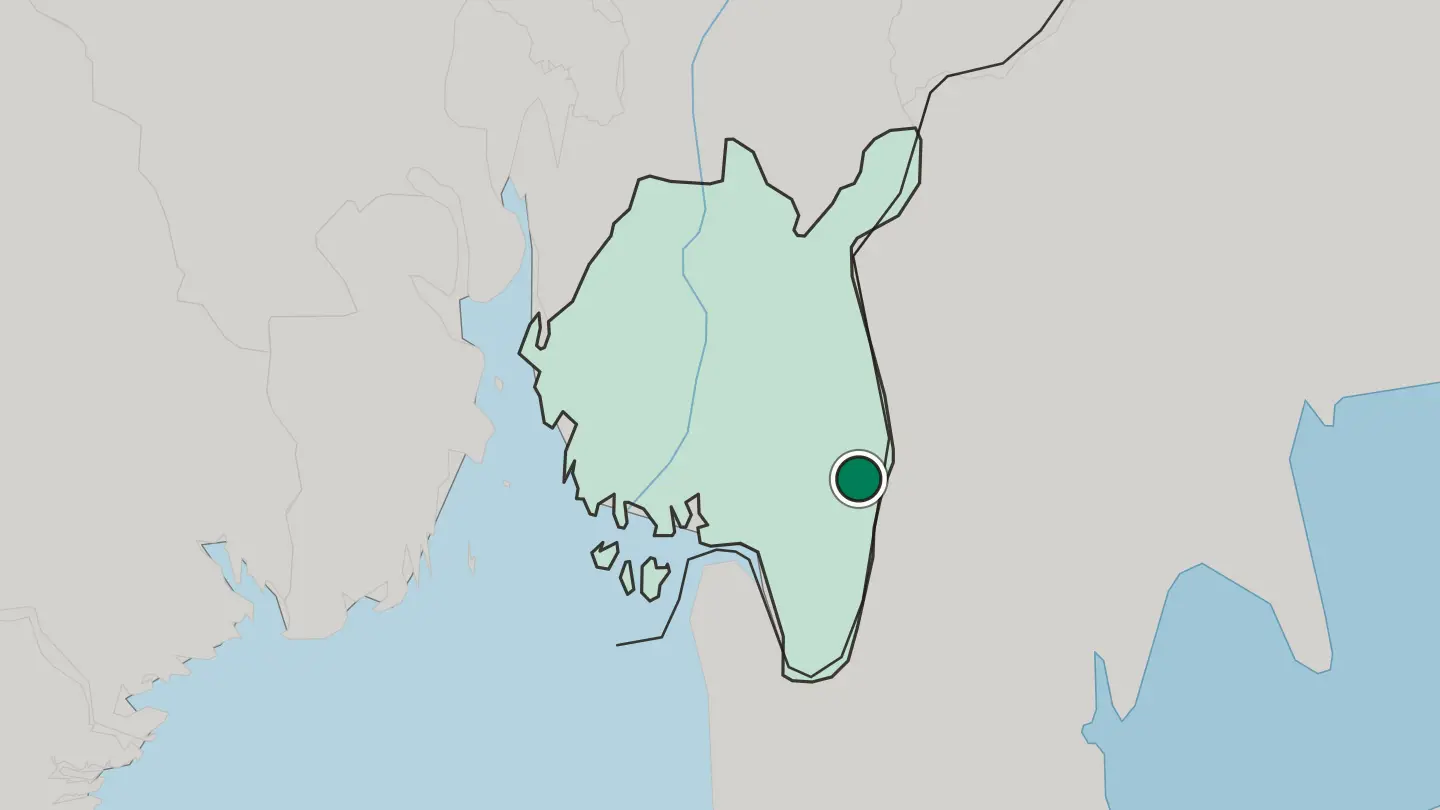 Norway
Elvestad
Elvestad is a road-junction village in Indre Østfold Municipality, in the farm country of the north-western part of Østfold, south-eastern Norway.Where to stay →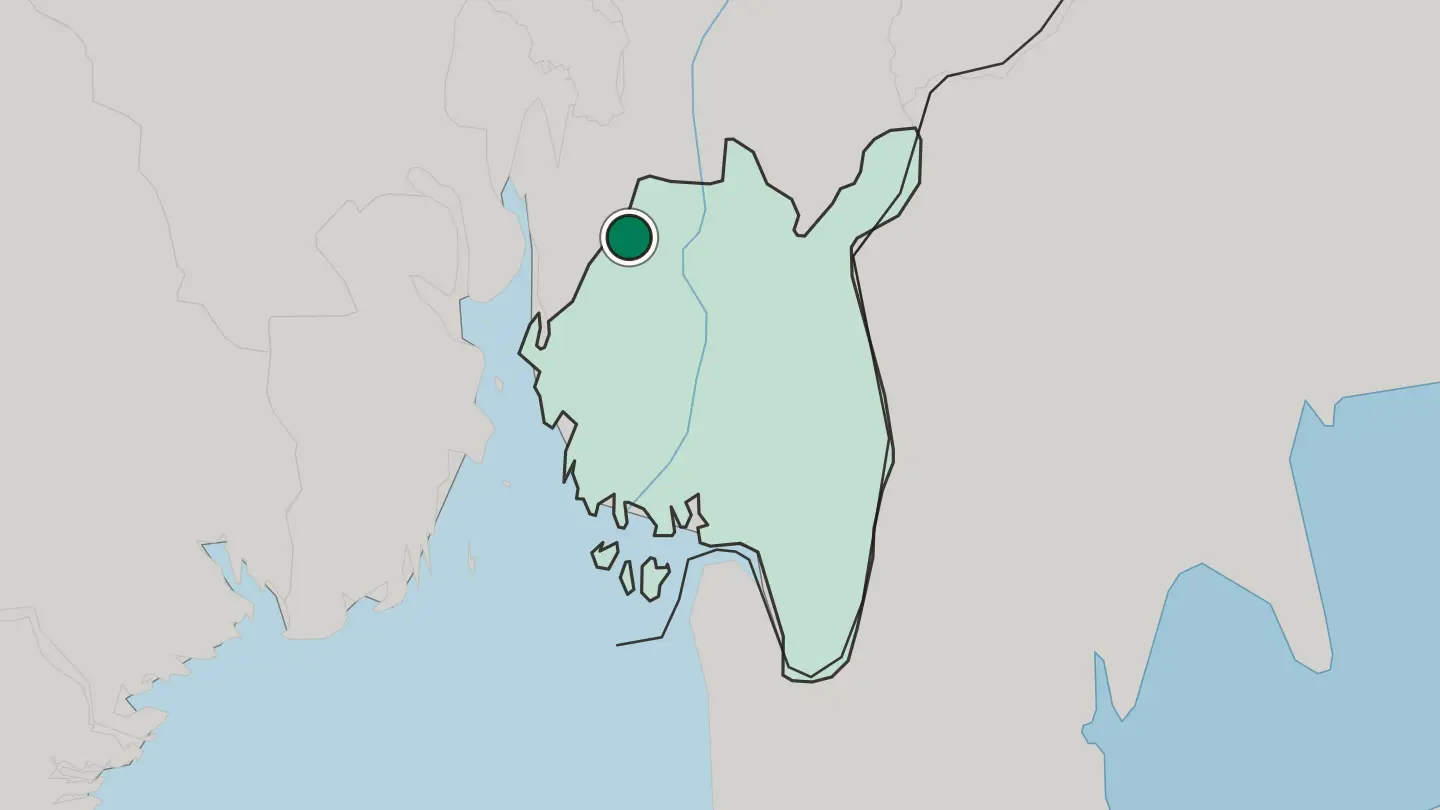 Norway
Kirkebygda
Kirkebygda is the administrative centre of Våler Municipality, a small inland village in the north-western part of Østfold, south-eastern Norway.Where to stay →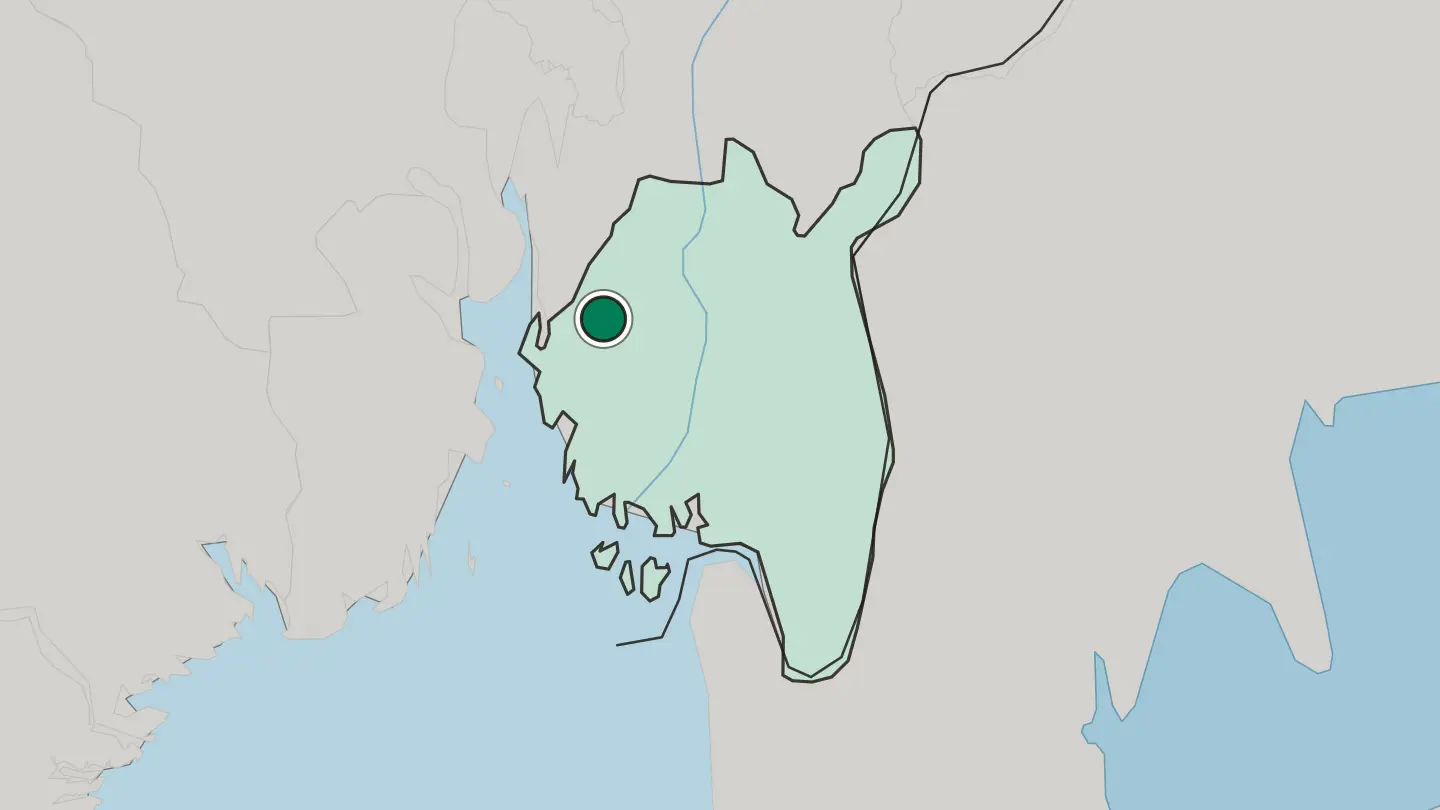 Norway
Meieribyen
Meieribyen is the village centre of Skiptvet Municipality, set in the farm country of the north-western part of Østfold, south-eastern Norway.Where to stay →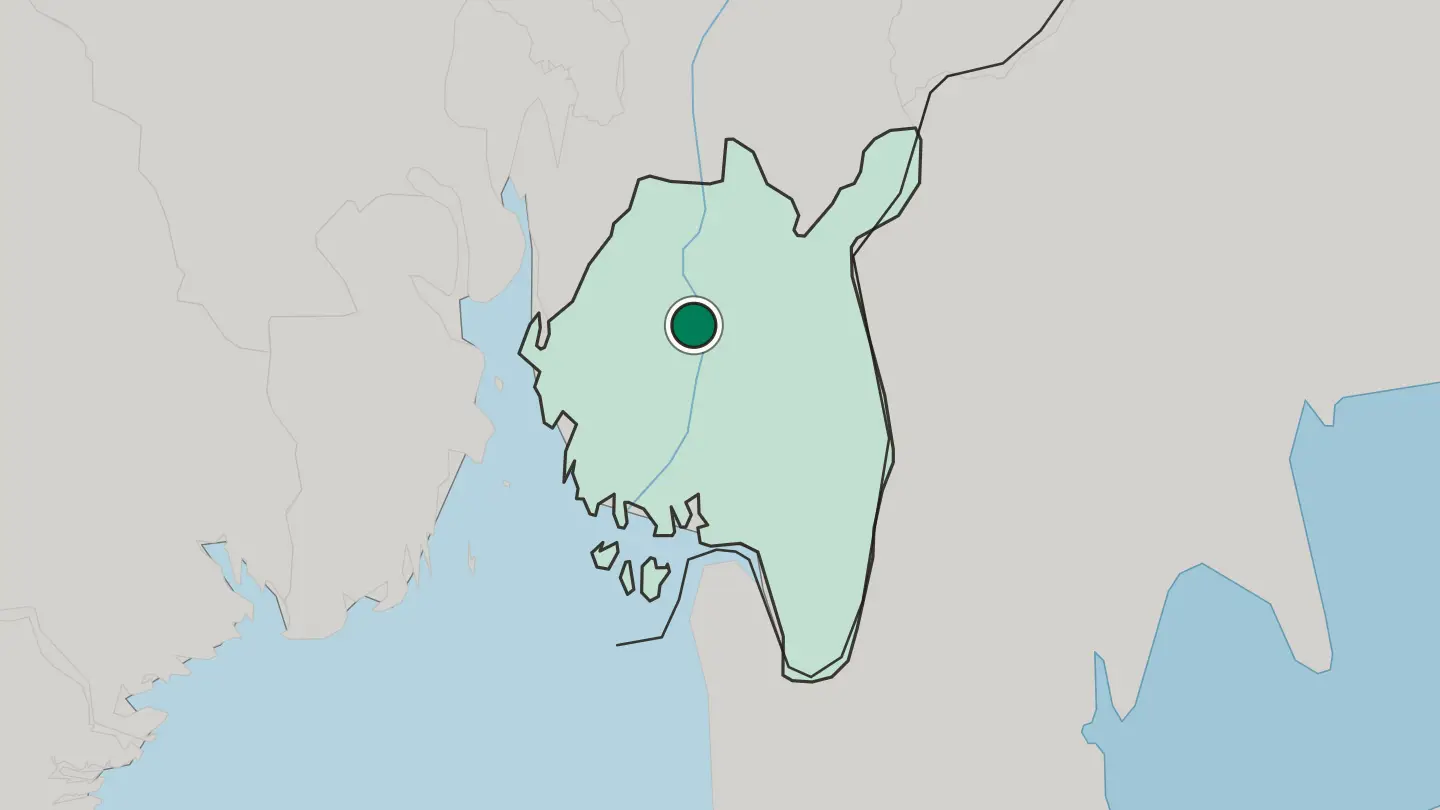 Norway
Skjønhaug
Skjønhaug is a village centre in Indre Østfold Municipality, set among the farms of the northern part of Østfold, south-eastern Norway.Where to stay →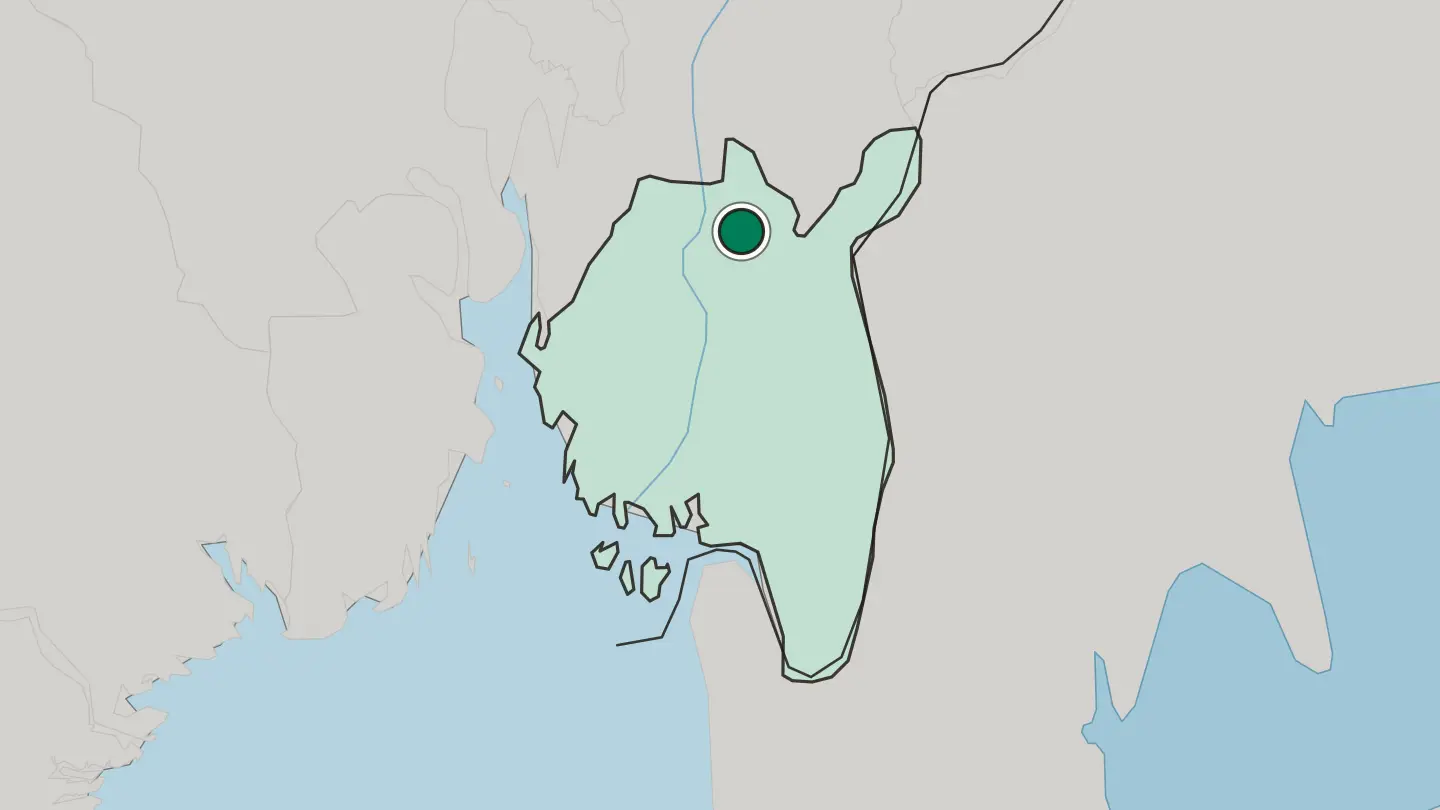
Hotel links are affiliate links: booking through them may earn us a commission, at no extra cost to you. It never affects how places are ranked. How this works
About Østfold fylke
What is Østfold fylke known for?
This is Norway's south-eastern corner. Østfold occupies the country's southeast, a compact county of the Østlandet region close to the Swedish border, and its towns cluster within easy reach of one another. Fredrikstad stands as the largest city, with Sarpsborg and Moss close behind. Halden guards the border to the south.
A densely settled corner of south-eastern Norway.
Where is Østfold fylke?
Østfold sits in the south-eastern corner of Norway, a small and densely settled county of the Østlandet region pressed between the sea, the capital region, and the Swedish border. It is among the country's smallest counties. The land is low and rolling, a gently worked countryside of farmland, forest, and water that runs down to the coast in the west and rises into wooded inland hills toward the border in the east, the towns spread close together across the lowland.
Compact and lived-in throughout. The larger towns line the western side. Fredrikstad and Moss sit by the coast, Sarpsborg lies just inland on the river, and Halden holds the southern border country.
Eastward, Askim, Mysen, and the smaller inland communities such as Rakkestad and Spydeberg fill the farming country toward Sweden. Lowland farm, coastal towns, and a border to the east: that is the geography of Østfold.
What is Østfold fylke like?
Farm, factory, and river run through it. The culture of Østfold grew from a settled south-eastern lowland of farming country and industrial river towns, a corner of Østlandet shaped by trade across the nearby Swedish border and by the working life of its mills and yards rather than by any wilderness frontier. Industry and agriculture gave the county its working character.
The towns hold the public culture. Fredrikstad, the largest, keeps an old fortified-town heritage by the coast, while Sarpsborg and Moss carry industrial and river traditions of their own. Halden, hard by the border, holds a fortress-town memory facing Sweden.
Inland, Askim, Mysen, and the farming communities of Rakkestad and Spydeberg keep a rural Østlandet culture of field and market. Between coastal town, river mill, and border farm, Østfold keeps the lived-in feel of Norway's southeast.
What is the history of Østfold fylke?
Østfold dates as a county from 1919. The south-eastern corner of Norway has long held a settled history, its coastal and river towns growing on trade, timber, and industry near the Swedish border. Fredrikstad rose as a fortified port, while Halden guarded the border to the south and Sarpsborg and Moss developed around their rivers and mills.
The farming communities of Askim, Mysen, and the inland east tied the lowland together. Border, river, and field shaped the county across the centuries.
What is the climate of Østfold fylke?
The county enjoys a mild south-eastern climate. Sitting in the sheltered southeast of Norway, Østfold sees warm summers and comparatively gentle winters across the coastal towns of Fredrikstad and Moss, tempered by the nearby sea. The seasons are kindly here.
Inland around Sarpsborg, Halden, and the farming country of Askim and Mysen, winters turn a touch colder and snowier away from the coast, though the whole lowland lies among the warmer corners of the country. Spring comes early to the open fields.
How do you get to Østfold fylke?
Most arrivals come from the capital region. Trains and the main motorway run south from the Oslo area through Moss, Fredrikstad, Sarpsborg, and Halden toward the Swedish border, threading the county's larger towns in turn. Østfold is a small county to cross. Moss has a ferry across the fjord and an airport nearby, while drivers cross easily into the county from Sweden in the south.
Askim and Mysen sit on the inland eastern routes through the farming country.
Common questions
What is the best area to stay in Østfold fylke?
Fredrikstad: first-timers wanting the largest-city base. Sarpsborg and Moss: travellers staying near the larger towns. Halden: visitors to the Swedish border.
More regions in Norway
Updated September 2026