Norway · Østfold fylke
Where to Stay in Ørje, Østfold fylke
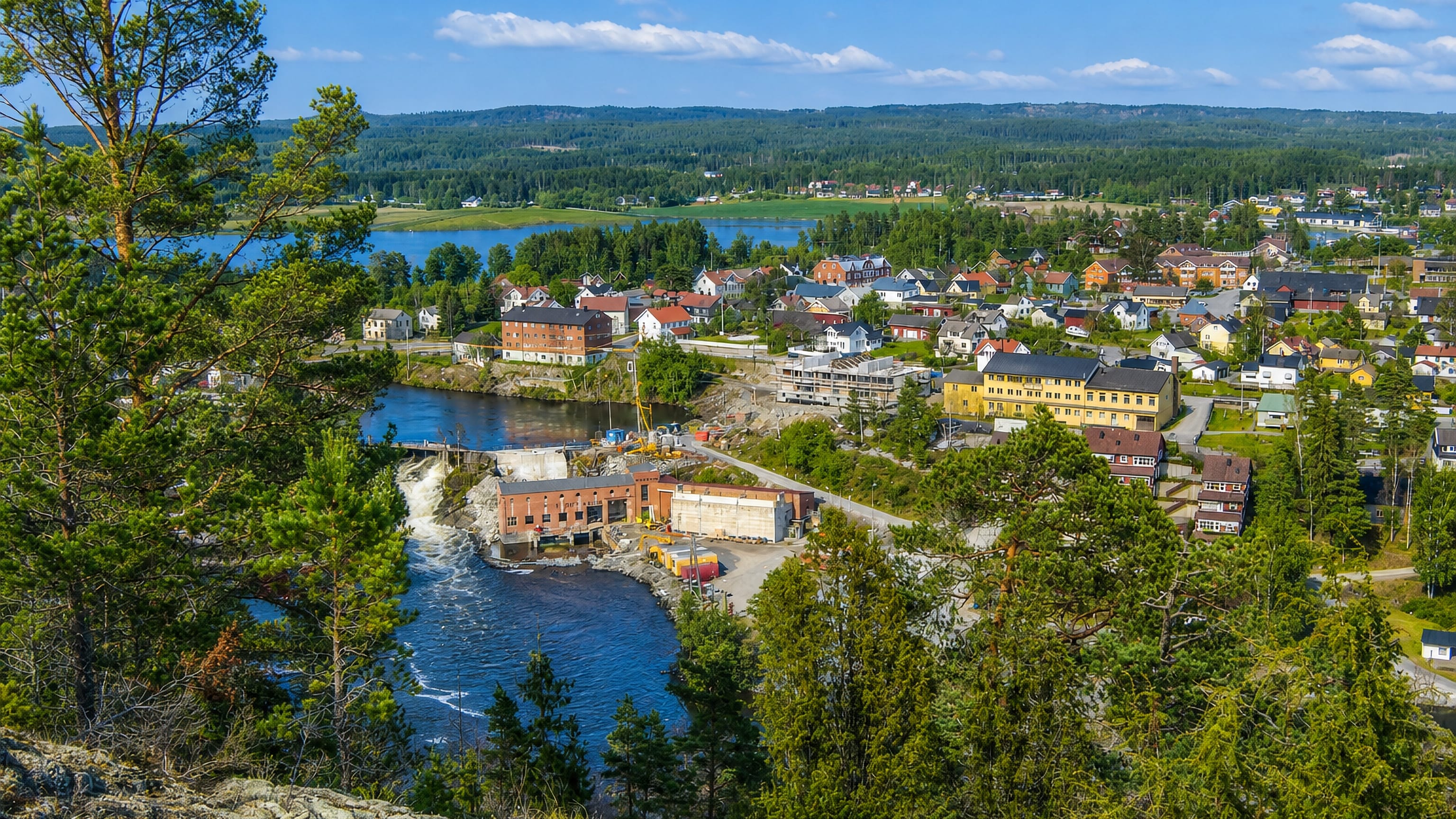
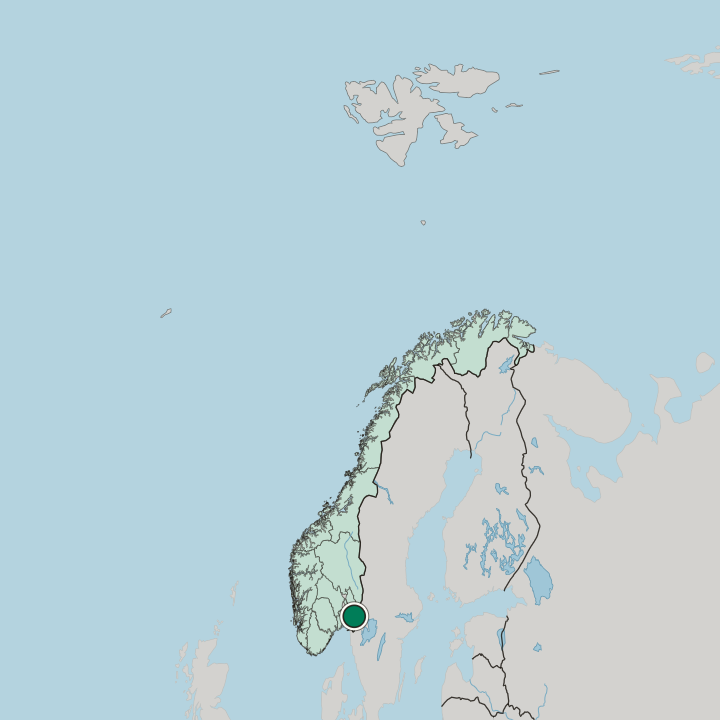
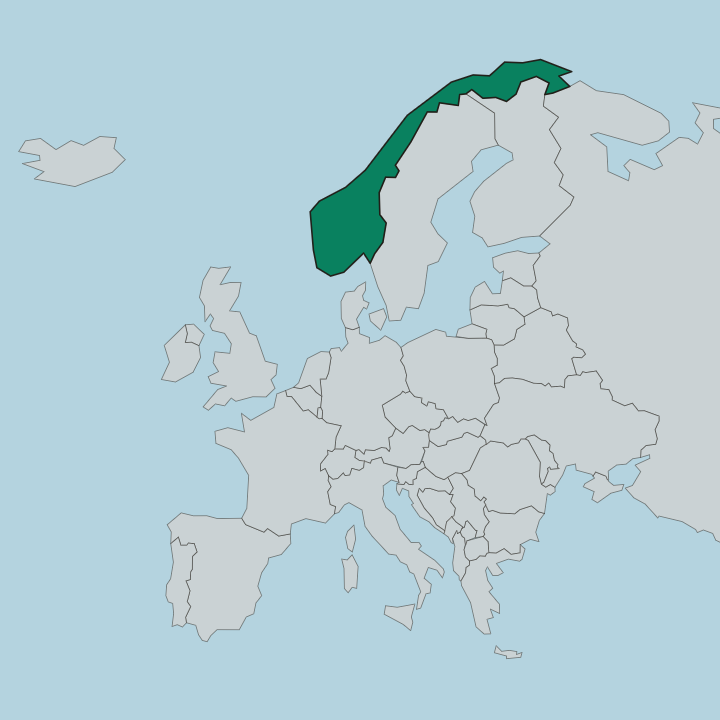
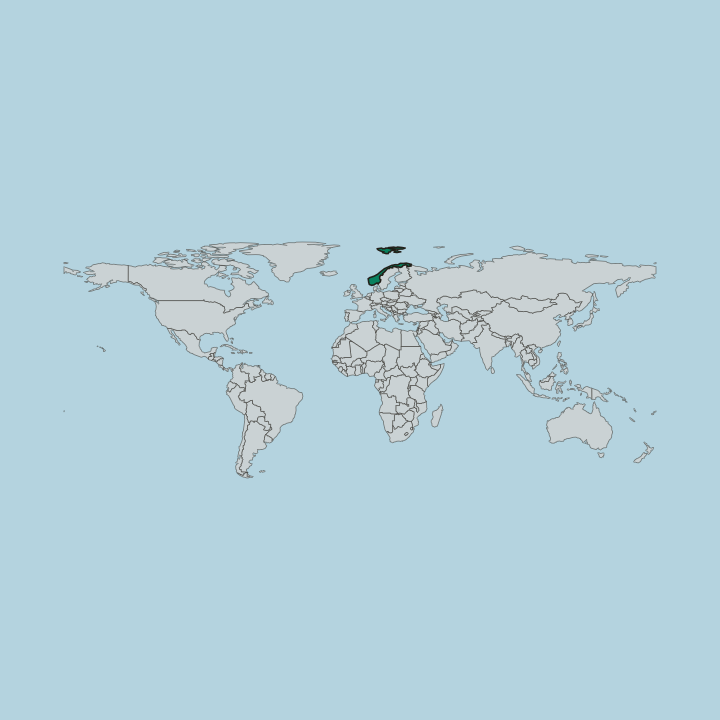
Ørje is a canal village and seat of Marker in Østfold, in south-eastern Norway (Østlandet).
Hotel links are affiliate links: booking through them may earn us a commission, at no extra cost to you. It never affects how places are ranked. How this works


Where to stay in Ørje
How the choice of base plays out on the ground.
The Ørje village centre is the natural base. It gathers the shops, the services and the canal locks beside the Haldenvassdragets Kanalmuseum, the working heart of Marker in the north-eastern part of Østfold. Staying here keeps you by the waterway and on the road toward the Swedish border, within a short walk of Ørje kirke.
Rooms in the village are in short supply. Take a room in the centre first. Out from the village the parishes of Klund and Øymark spread across the forest and farm country.
Their old churches stand among scattered holdings, and farm lodging sits among the fields away from the canal. Choose the centre if you want the locks and the museum around you. Pick a farm in Øymark if you would rather wake among the woods and water of this corner of south-eastern Norway (Østlandet).
Either makes a quiet base in Marker.
Find hotels in Ørje
Direct booking searches for these neighbourhoods.
Ørje canal centre
The shops and services gather beside the canal locks and the Haldenvassdragets Kanalmuseum, the village heart of Marker by the inland waterway. Few places to stay nearby — book ahead.Find hotels in Ørje canal centreForest-and-farm lodging below Øymark kirkeØymark parish
The woods and fields of Øymark carry farm lodging below Øymark kirke, a remoter setting than the Ørje canal centre in Marker. Beds are limited here, so book early.Find hotels in Øymark parishQuiet farm stays around Klund kirke in the borderlandKlund country
The scattered holdings around Klund kirke spread farm lodging through the borderland forest of Marker, away from the Ørje village locks. Beds are limited here, so book early.Find hotels in Klund countryHotel links are affiliate links: booking through them may earn us a commission, at no extra cost to you. It never affects how places are ranked. How this works
About Ørje
Ørje is known for its canal locks.
What is Ørje known for?
The Haldenvassdragets Kanalmuseum tells the story of the locks on the waterway in the north-eastern part of Østfold, where boats once climbed the inland route. Ørje kirke marks the village. Around it the parish churches of Klund and Øymark hold the farm country of Marker, near the long border with Sweden in this corner of south-eastern Norway (Østlandet).
What are the main landmarks in Ørje?
The canal locks define Ørje. Beside them the Haldenvassdragets Kanalmuseum keeps the story of the inland waterway and its lock system. Churches mark the parishes. Ørje kirke stands at the village, while the heritage-listed Klund kirke and Øymark kirke hold the surrounding farm parishes of Marker across the forest country of this corner of south-eastern Norway (Østlandet).
What is the history of Ørje?
The waterway made Ørje. The village grew at the locks of the inland canal in the north-eastern part of Østfold, where boats climbed the watercourse between the lakes and timber moved down toward the coast, drawing trade and work to a spot in the forest borderland of Marker. Logs and barges passed through.
The lock keepers and the canal traffic gave the village its living, a story the Haldenvassdragets Kanalmuseum now keeps beside the old chambers. The parishes kept their own life in the woods. Ørje kirke served the village while the heritage-listed Klund kirke and Øymark kirke held the scattered farms across the forest country toward the Swedish border. The border itself shaped the district through war and trade.
Across the centuries the canal locks of Ørje, the parish churches and the museum have traced the life of this watery, wooded corner of south-eastern Norway (Østlandet).
Where is Ørje?
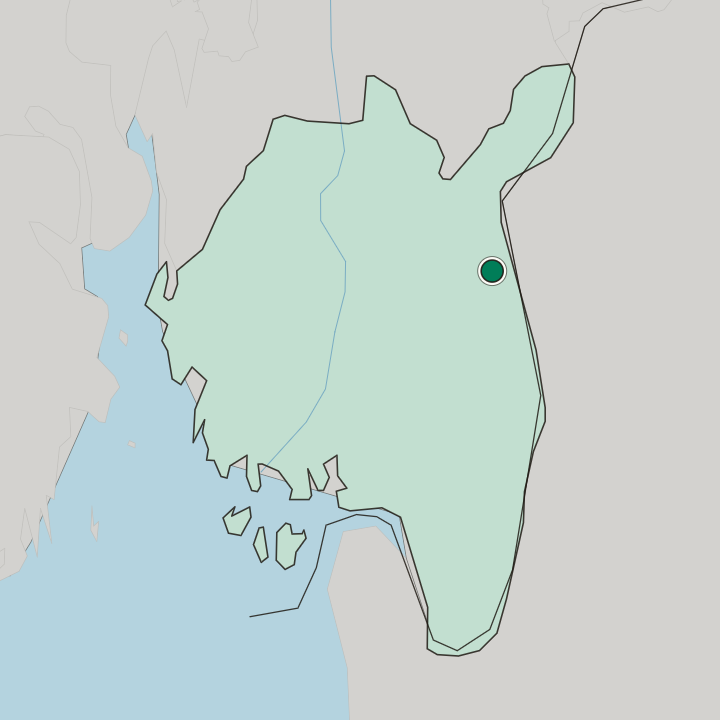
Ørje lies in the north-eastern part of Østfold, in the lake-and-forest borderland of south-eastern Norway (Østlandet). The village gathers at the canal locks beside Ørje kirke, where the inland waterway threads between wooded ridges near the Swedish border. Forest and water fill the country.
Lakes, timber and scattered farms run out toward the parish churches of Klund and Øymark across the wooded ground of Marker.
What is the climate of Ørje?
Ørje has a raw inland climate. Lying in the forested north-eastern part of Østfold, the village sees cold, snowy winters and warm summers across the borderland of south-eastern Norway (Østlandet). The lakes freeze hard in winter.
Ice and snow grip the canal and the woods around Ørje kirke, while the summer warmth lies over the water and forest of Marker out toward Øymark and the Swedish border.
How do you get to Ørje?
Ørje sits on the border road. The main highway toward Sweden runs through the village, carrying traffic across the north-eastern part of Østfold toward the frontier. Almost everyone reaches Ørje on that road.
It brings them to the canal locks and the Haldenvassdragets Kanalmuseum, then on through the forest parishes of Klund and Øymark across the wooded country of Marker in this corner of south-eastern Norway.
Common questions
What is the best area to stay in Ørje?
Ørje canal centre: Waterside base by the locks and Haldenvassdragets Kanalmuseum. Øymark parish: Forest-and-farm lodging below Øymark kirke. Klund country: Quiet farm stays around Klund kirke in the borderland.
Good for
More cities in Østfold fylke
Updated September 2026