Norway · Østfold fylke
Where to Stay in Moss, Østfold fylke
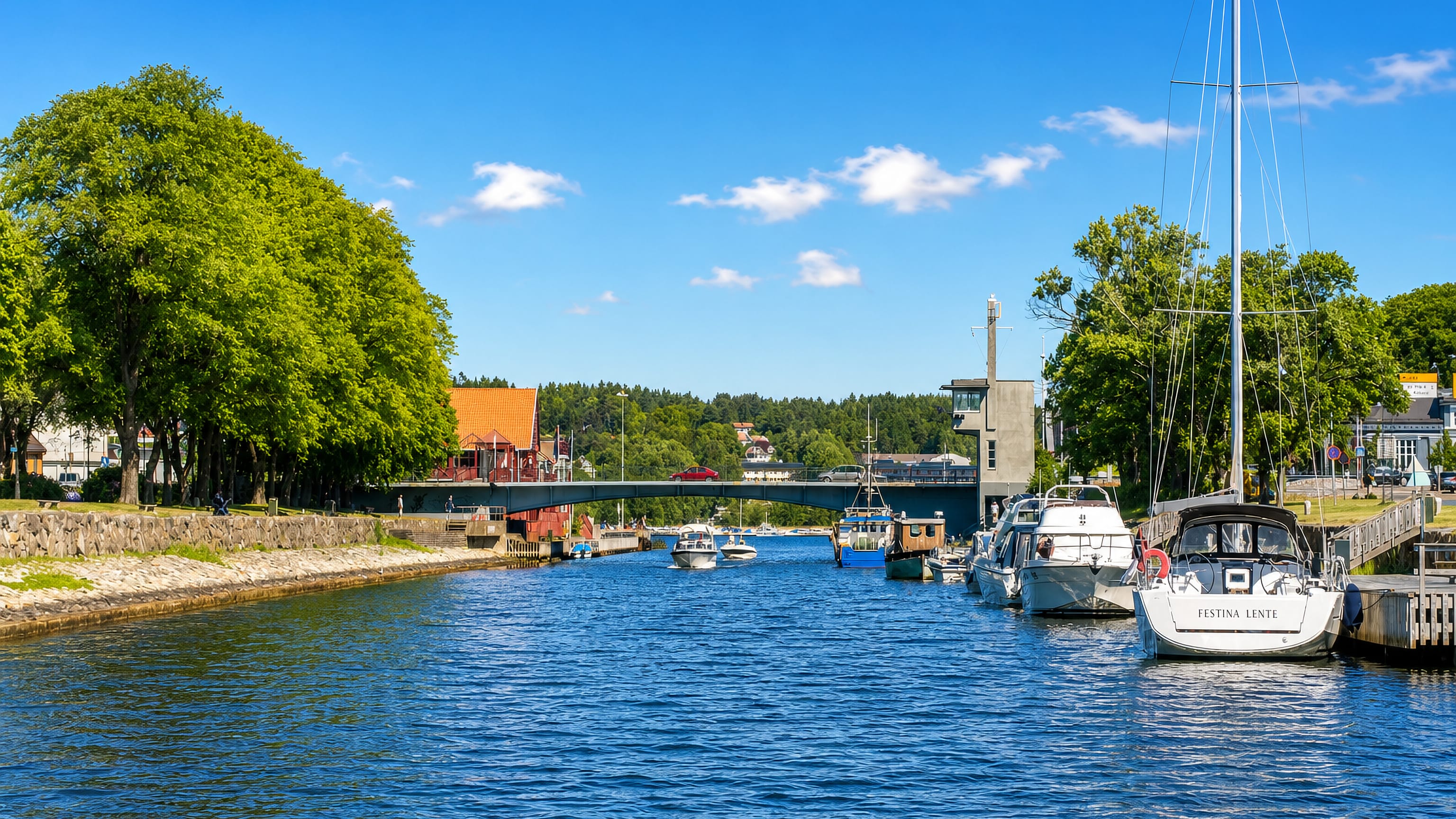
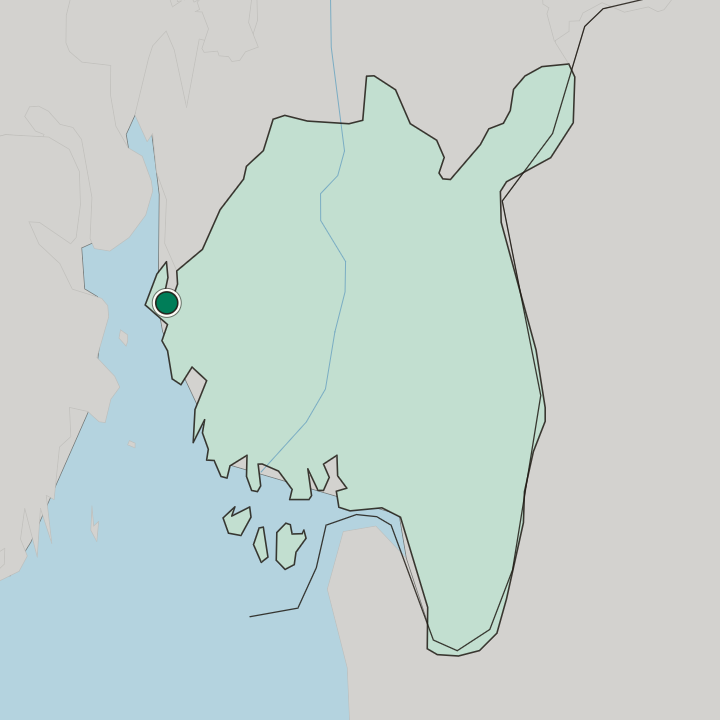
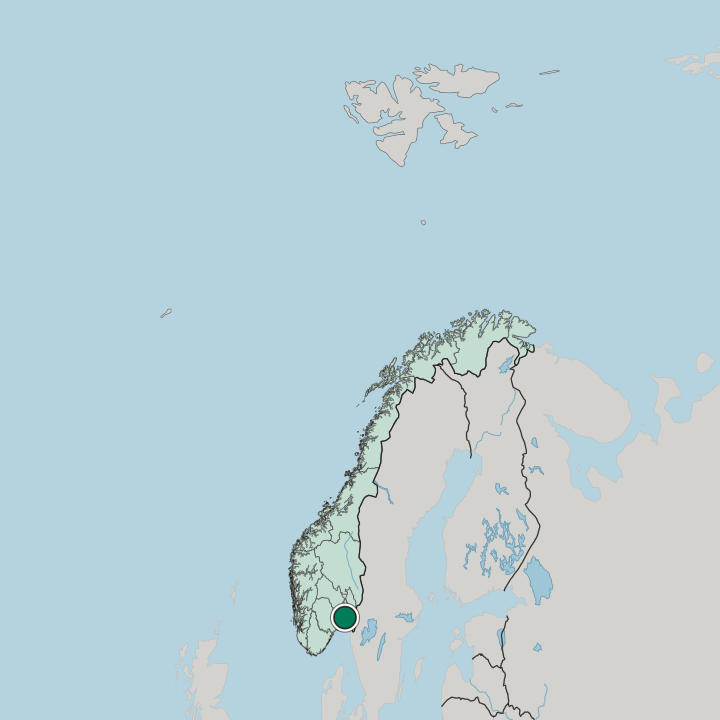
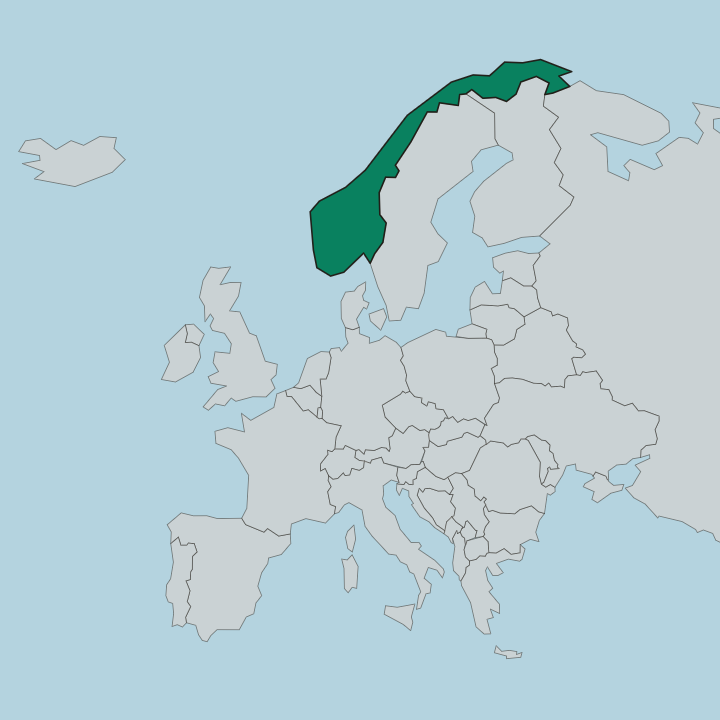
Moss is a coastal city in Østfold, south-eastern Norway, set across the mainland and the island of Jeløy.
Hotel links are affiliate links: booking through them may earn us a commission, at no extra cost to you. It never affects how places are ranked. How this works


Where to stay in Moss
One neighbourhood here has its own guide — here's what it is best for.

 MossNorway
Melløs
Melløs is a district on the south-eastern side of Moss, in the Østfold region of south-eastern Norway.Where to stay →Hotel links are affiliate links: booking through them may earn us a commission, at no extra cost to you. It never affects how places are ranked. How this works
Find hotels in Moss
Direct booking searches for these neighbourhoods.
Harbour centre
the working harbour core of Moss with the mill quarter and most of the city's hotelsFind hotels in Harbour centretravellers wanting a green, slower base near Jeløy kirkeJeløy island
the leafy island district of Moss reached over the water, calm and open beyond the port. Beds are limited here, so book early.Find hotels in Jeløy islandvisitors happy with a quiet residential Moss district by Ekholt kirkeEkholt
an outer neighbourhood around Ekholt kirke, away from the harbour yet close to the centre. Beds are limited here, so book early.Find hotels in EkholtHotel links are affiliate links: booking through them may earn us a commission, at no extra cost to you. It never affects how places are ranked. How this works
Things to do in Moss
Ranked by global recognition; descriptions from Wikidata (CC0).
Museums & Galleries
2- Punkt Ø
- Moss by- og industrimuseum
Churches & Religious Sites
3- Moss Church Heritage
- Ekholt Church Heritage
- Metodistkirken i Moss Heritage
Castles & Historic Sites
3- Bråtengata 10 (Moss)
- Bråtengata 11 (Moss)
- Bråtengata 12
Stadiums & Sports
1- Ørejordet idrettsanlegg
Landmarks & Notable Places
2- Bytårnet (Moss)
- Huitfeldtgården
worth knowingacross 5 categories in Moss
About Moss
Moss is a working coastal city.
What is Moss known for?
It sits in the north-western part of Østfold, an industrial and harbour town in the Østlandet region, with its old mill quarter and the art collection at Punkt Ø giving it a cultural side. The island of Jeløy shapes the city. Out across the water lies that green island district, while landmarks such as the Bytårnet (Moss) tower mark the centre of this south-eastern Norway port.
What are the main landmarks in Moss?
Art, towers, and churches mark the city. The Punkt Ø art museum and the old Bytårnet (Moss) tower stand near the centre, while the Moss by- og industrimuseum records the port's working past. The old timber town survives in places.
Wooden houses such as Huitfeldtgården line the streets, the churches of Moss kirke, Jeløy kirke, and Ekholt kirke serve their districts, and the Metodistkirken i Moss adds to the religious fabric of this Østfold city.
What is the history of Moss?
Moss grew on industry and the sea. The town developed as a mill and harbour centre in the north-western part of Østfold, its fortunes tied to the waterpower and shipping of this stretch of the Østlandet region, and that working past still shows in the old timber houses and the mill quarter near the centre. Industry built the place.
The city kept its older bones. Wooden buildings such as Huitfeldtgården survive among the streets, while parish churches including Moss kirke and the island church of Jeløy kirke trace the spread of the town across the mainland and onto Jeløy. The Moss by- og industrimuseum now keeps the record of mill and harbour alike.
Through every era, water and work have shaped Moss more than anything else in south-eastern Norway.
Where is Moss?
Water divides and defines Moss. The city sits on the coast in the north-western part of Østfold, where a narrow sound separates the mainland harbour from the green island of Jeløy across the water. The sea is the constant here.
From the central port the city reaches out to Jeløy and inland through districts such as Ekholt, a low coastal stretch of the south-eastern Norway shore within the Østlandet region.
What is the climate of Moss?
The sea moderates the seasons. Lying on the coast in the north-western part of Østfold, Moss has the mild maritime climate of the south-eastern Norway shore, with warm bright summers and winters softened by the surrounding water rather than the harder cold of the interior. Summer fills the harbour.
The island of Jeløy and the open sound keep the city's weather gentler than the inland reaches of the Østlandet region.
How do you get to Moss?
Moss is a transport hub for the coast. The city lies in the north-western part of Østfold, on the rail and road corridor of south-eastern Norway and at a ferry crossing over the sound, which makes it one of the easier arrivals in the Østlandet region. Boats and trains both call here.
From the centre the harbour, the Bytårnet (Moss) tower, and the bridge to Jeløy are all close at hand in Østfold.
Common questions
What is the best area to stay in Moss?
Harbour centre: first-timers wanting the Punkt Ø art museum and the Bytårnet tower on foot. Jeløy island: travellers wanting a green, slower base near Jeløy kirke. Ekholt: visitors happy with a quiet residential Moss district by Ekholt kirke.
Good for
More cities in Østfold fylke
Updated October 2026