Norway · Østfold fylke
Where to Stay in Sarpsborg, Østfold fylke
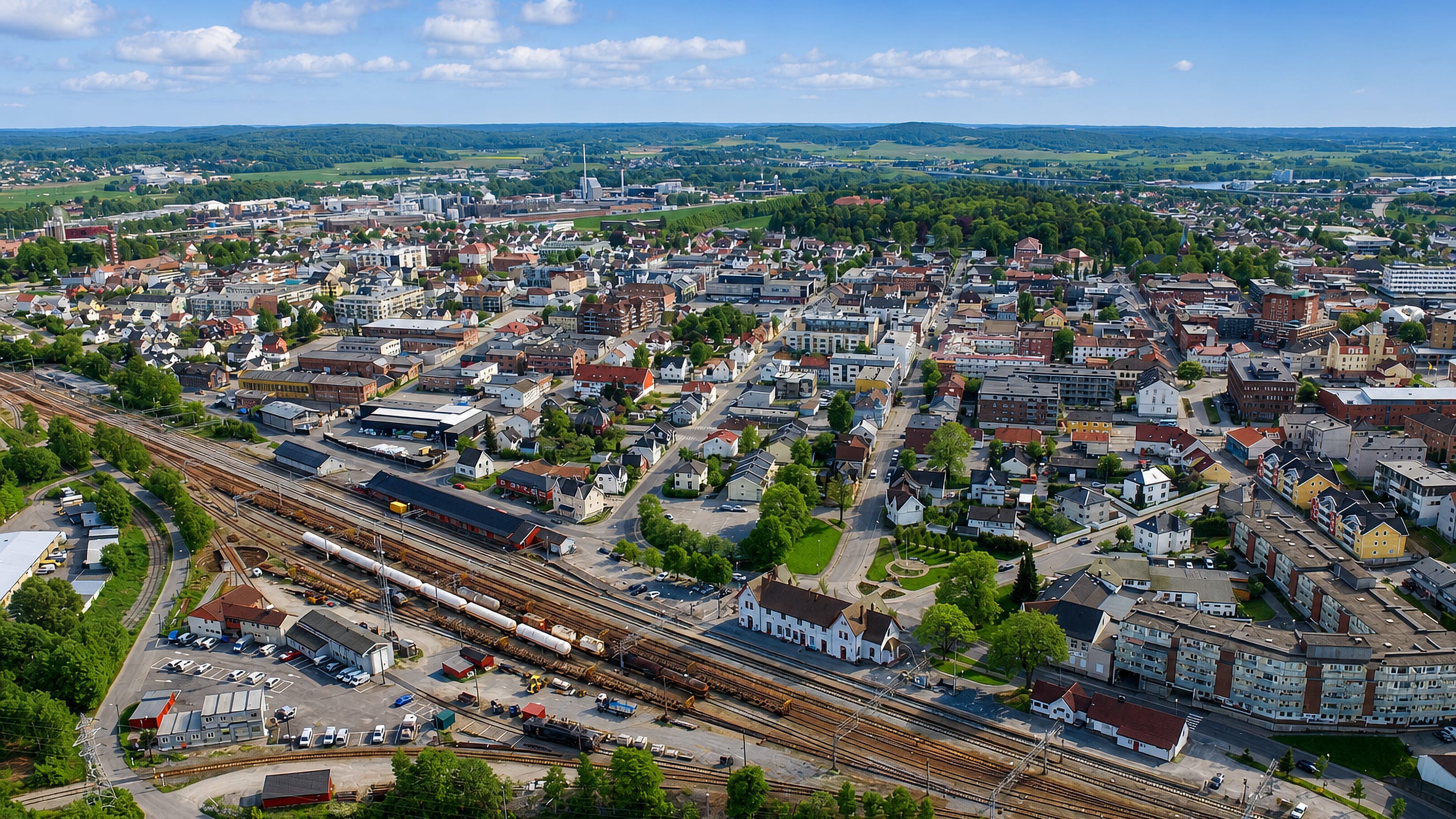
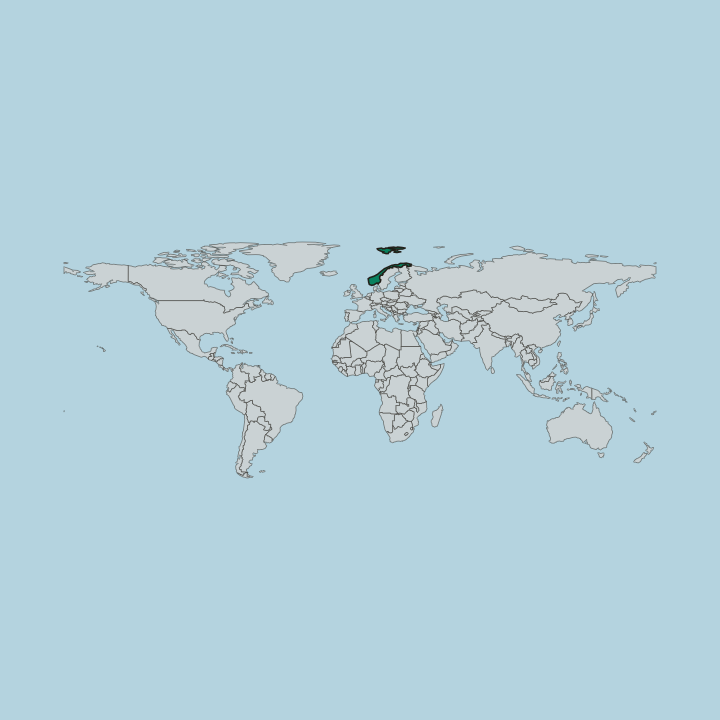
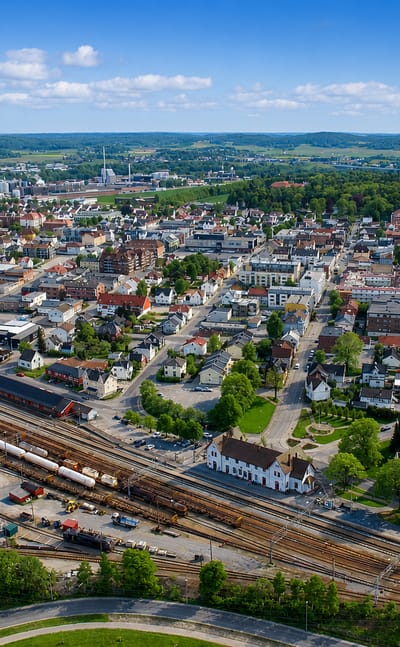
Sarpsborg is a riverside city in Østfold, south-eastern Norway, founded in 1016 and one of the country's oldest towns.
Hotel links are affiliate links: booking through them may earn us a commission, at no extra cost to you. It never affects how places are ranked. How this works


Where to stay in Sarpsborg
Where you base yourself shapes the visit — here's the character of each area.
 SarpsborgNorway
Enenda
Enenda is an old district of Sarpsborg, Norway, with many old detached houses and large apple gardens.Where to stay →SarpsborgNorwayYven
Yven is a borough of Sarpsborg, on the Glomma in the Østfold area of south-eastern Norway.Where to stay →Hotel links are affiliate links: booking through them may earn us a commission, at no extra cost to you. It never affects how places are ranked. How this works
Find hotels in Sarpsborg
Direct booking searches for these neighbourhoods.
Riverside centre
the historic core of Sarpsborg where the hotels and the medieval story gather by the riverFind hotels in Riverside centretravellers wanting a quieter Sarpsborg district baseTune and Greåker
residential ground around Tune kirke and Greåker kirke, calm yet close to the central core. Few places to stay nearby — book ahead.Find hotels in Tune and Greåkervisitors heading for the INSPIRIA science center side of the cityHafslund
the eastern district by Hafslund kirke, handy for the science centre and the wider municipality. Rooms are few around here — worth securing early.Find hotels in HafslundHotel links are affiliate links: booking through them may earn us a commission, at no extra cost to you. It never affects how places are ranked. How this works
Things to do in Sarpsborg
Ranked by global recognition; descriptions from Wikidata (CC0).
Museums & Galleries
2- Borgarsyssel Museum
- INSPIRIA science center
Churches & Religious Sites
7- Skjeberg Church Heritage
- Tune Church Heritage
- Sarpsborg Church Heritage
- Ingedal Church Heritage
- Greåker Church Heritage
Show 2 more →
- Ullerøy Church Heritage
- Holleby Church Heritage
Castles & Historic Sites
2- Opstadfeltet Heritage
- Skjeberg prestegård Heritage
Stadiums & Sports
2- Kjerringåsen Alpinsenter
- Mobakken idrettsplass
worth knowingacross 4 categories in Sarpsborg
About Sarpsborg
Age is the claim to fame.
What is Sarpsborg known for?
Sarpsborg was founded in 1016 by King Olaf the Holy, who called his stronghold Borg, which makes it one of the oldest towns in Norway. The Borgarsyssel museum guards that past. Around the centre, the districts of Tune, Greåker, and Hafslund and the science centre at INSPIRIA give the city its modern spread across south-eastern Norway.
What are the main landmarks in Sarpsborg?
History and discovery sit side by side. The Borgarsyssel museum and the regional Østfoldmuseene hold the heritage of the town founded in 1016, while the INSPIRIA science center offers a modern counterpoint. Churches ring the districts.
Sarpsborg kirke stands in the centre, with Tune kirke, Greåker kirke, and Hafslund kirke in the surrounding districts and the prehistoric burial ground of Opstadfeltet recording the deep past of this corner of Østfold.
What is the history of Sarpsborg?
Sarpsborg is one of Norway's founding towns. Olaf the Holy founded it in 1016, when, sailing up the Glomma, he had to stop at the falls, and the town marked its thousandth year in 2016. Its roots run far deeper still.
The burial field of Opstadfeltet shows that people lived on this ground long before the town itself, while later parishes raised Sarpsborg kirke, Tune kirke, and Greåker kirke as the city spread through its districts of south-eastern Norway. The Borgarsyssel museum now keeps that thousand-year record. Founding, faith, and farmland have layered Sarpsborg through every century of Østfold.
Where is Sarpsborg?
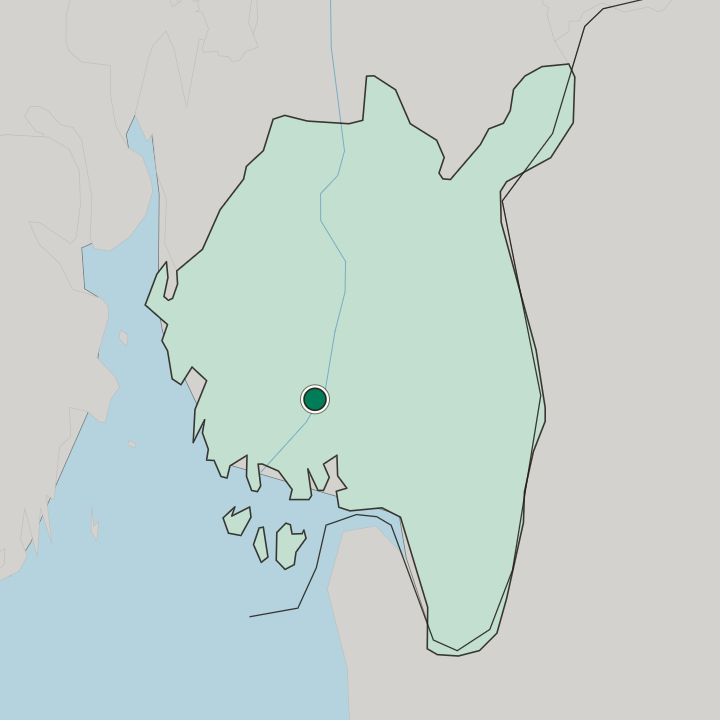
Flowing water splits Sarpsborg down the middle. Sarpsborg lies in southern Østfold, its centre on the island of Tunøya, where the Østfoldraet ridge dams the Glomma and the river pours over a rock sill as the Sarpefossen, Europe's largest waterfall by flow. The land spreads out from the water.
The districts of Tune, Greåker, and Hafslund fan across the surrounding country of the Østlandet region, low and worked, away from the central falls of Sarpsborg.
What is the climate of Sarpsborg?
Inland warmth meets coastal reach. Sarpsborg has the comparatively warm summers and cold, firmer winters of inland south-eastern Norway, milder than the high interior yet sharper than the open coast. Summer brings the long bright days.
The river-valley setting in the Østlandet region gives Sarpsborg a continental edge that the districts of Tune and Greåker share alike.
How do you get to Sarpsborg?
Sarpsborg sits on the southern corridor. The city lies on the rail and road line that runs down through south-eastern Norway, putting it within easy reach of the larger centres of the Østlandet region. Trains stop at the centre.
From the station the old town and the Borgarsyssel museum are close at hand, with the districts of Tune, Greåker, and Hafslund spreading out across Østfold.
Common questions
What is the best area to stay in Sarpsborg?
Riverside centre: first-timers wanting to walk to the Borgarsyssel museum and the old town founded in 1016. Tune and Greåker: travellers wanting a quieter Sarpsborg district base. Hafslund: visitors heading for the INSPIRIA science center side of the city.
Good for
More cities in Østfold fylke
Updated October 2026