Palestine · West Bank
Where to Stay in Hebron, West Bank
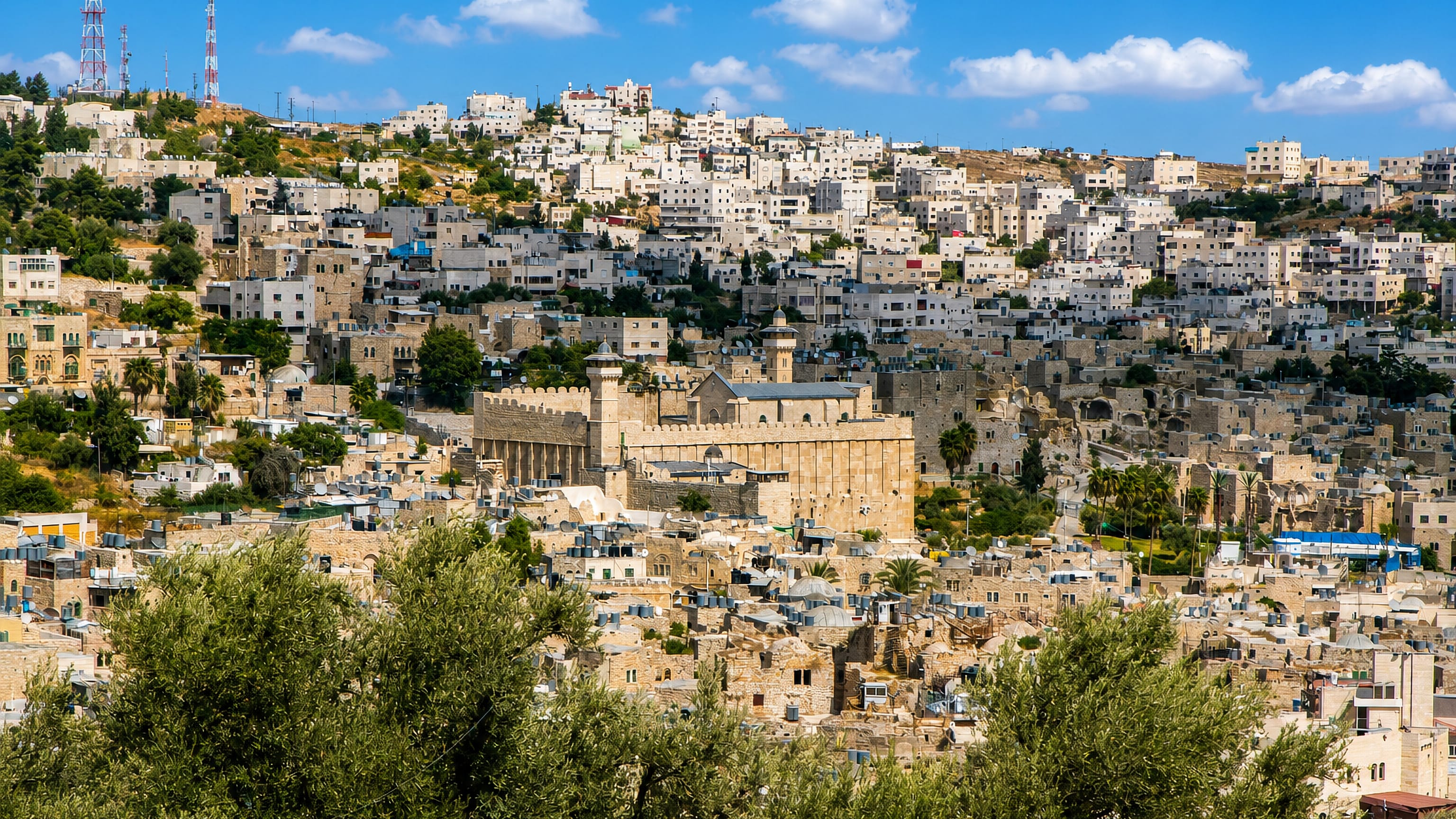
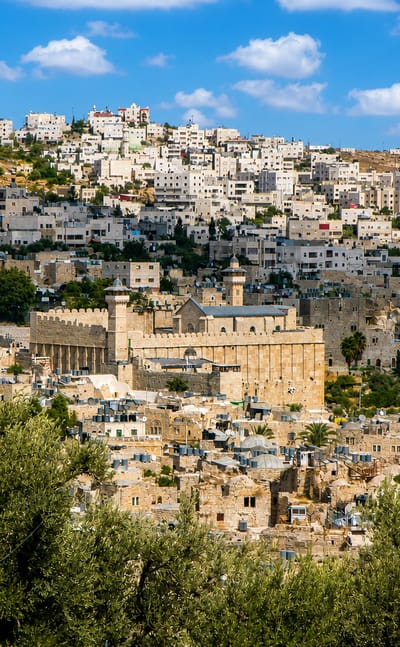
Stone lanes climb the hills at Hebron, an ancient city in the southern West Bank, seat of the Hebron Governorate, known for the Cavern of the Patriarchs.
Find your area →


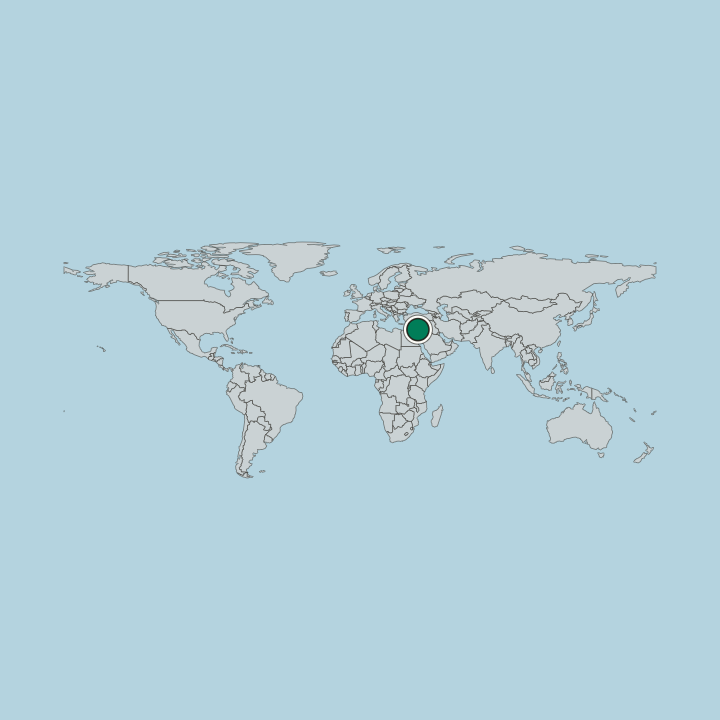
Where to stay in Hebron
The right area depends on your trip — here's what each neighbourhood is best for.
 HebronPalestine
Tel Rumeida
Tel Rumeida is the tell of Hebron, an archaeological and farmed slope, still lived on, with layers reaching to the Chalcolithic period.Where to stay →HebronPalestineAdmot Yishai
Admot Yishai holds the crest of Tel Rumeida inside Hebron's H2 zone, a Jewish neighbourhood that began as caravans on the hilltop in 1984.Where to stay →HebronPalestineOld City of Hebron
The Old City of Hebron is the historic core of Hebron, a compact quarter of stone lanes gathered around the Cavern of the Patriarchs.Where to stay →HebronPalestineAvraham Avinu
Avraham Avinu is an Israeli settlement in Hebron's Old City, rebuilt over the razed Jewish quarter around a 16th-century synagogue restored in 1977.Where to stay →HebronPalestineGivat Harsina
Givat Harsina crowns a hilltop east of Hebron, an Israeli settlement a thousand metres up that Israel counts as a northern neighbourhood of Kiryat Arba.Where to stay →Things to do in Hebron
Ranked by global recognition; descriptions from Wikidata (CC0).
Museums & Galleries
3- Shajar Al-Durr oil mill Heritage
- Palestine Hotel
- Hebron University Museum
Churches & Religious Sites
1- Cavern of the Patriarchs
Castles & Historic Sites
1- Karantina
Landmarks & Notable Places
1- Beit Shne'orson
worth knowingacross 4 categories in Hebron
About Hebron
What is Hebron known for?
Hebron is known for the Cavern of the Patriarchs and its old town. The heritage runs deep. The Cavern of the Patriarchs, traditionally held as the burial place of the biblical patriarchs Abraham, Isaac, and Jacob, draws the reverence of the Abrahamic faiths, and the old town of Hebron carries its historic core through the stone streets of the southern West Bank.
Museums gather the city's memory, from the Hebron Museum to the Hebron University Museum, while older sites such as the Shajar Al-Durr oil mill and Beit Shne'orson mark the long working life of this ancient city.
What are the main landmarks in Hebron?
Hebron holds a dense cluster of heritage within its old town. The Cavern of the Patriarchs stands at its heart. Traditionally the burial place of Abraham, Isaac, and Jacob, the Cavern of the Patriarchs draws the Abrahamic faiths to Hebron, while the Hebron Museum and the Hebron University Museum gather the city's memory nearby.
Older working sites remain. The Shajar Al-Durr oil mill, Beit Shne'orson, and Karantina record the trades of the old town, and the Hebron Observatory and the Palestine Hotel mark the wider city across the hills of the southern West Bank.
What is the history of Hebron?
Hebron is one of the long-settled cities of the southern West Bank. Its story is ancient. The Cavern of the Patriarchs, traditionally the burial place of Abraham, Isaac, and Jacob, ties Hebron to the earliest traditions of the Abrahamic faiths, and the city has held a place among the holy cities of Judaism while it is also venerated in Christianity and Islam.
The reverence reaches back through the ages. Around this heritage the old town of Hebron grew as a working city, its trades leaving marks such as the Shajar Al-Durr oil mill among the stone lanes. The old town of Hebron carries that long past in its fabric, and it was inscribed on the UNESCO World Heritage List as a record of its ancient streets.
Heritage layers the ground. Sites such as Beit Shne'orson and Karantina mark the older quarters, while the Hebron Museum and the Hebron University Museum gather the memory of the city for later generations. The Hebron Observatory reads the sky above the same hills.
Across the centuries the city has climbed the ridges of the Hebron Governorate, one age settling over another between the old town and the surrounding slopes of the southern West Bank.
Where is Hebron?
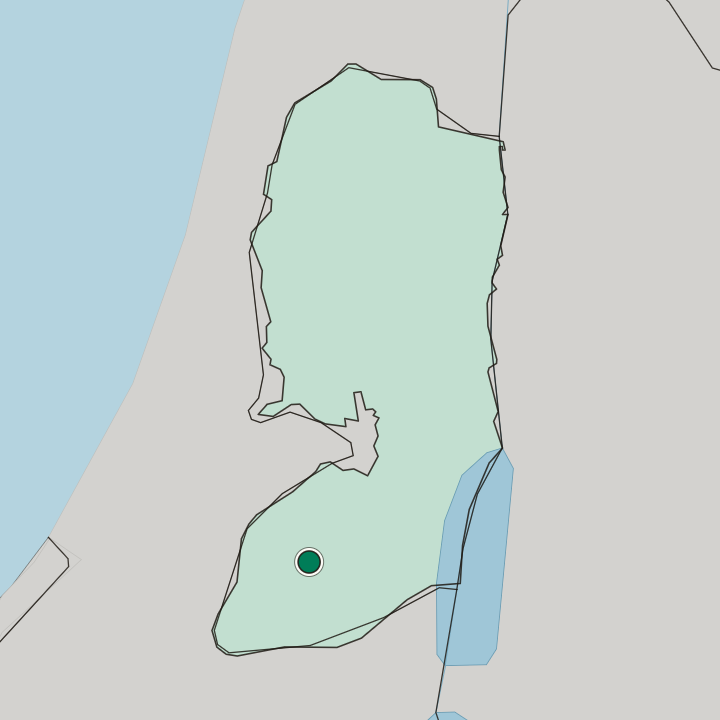
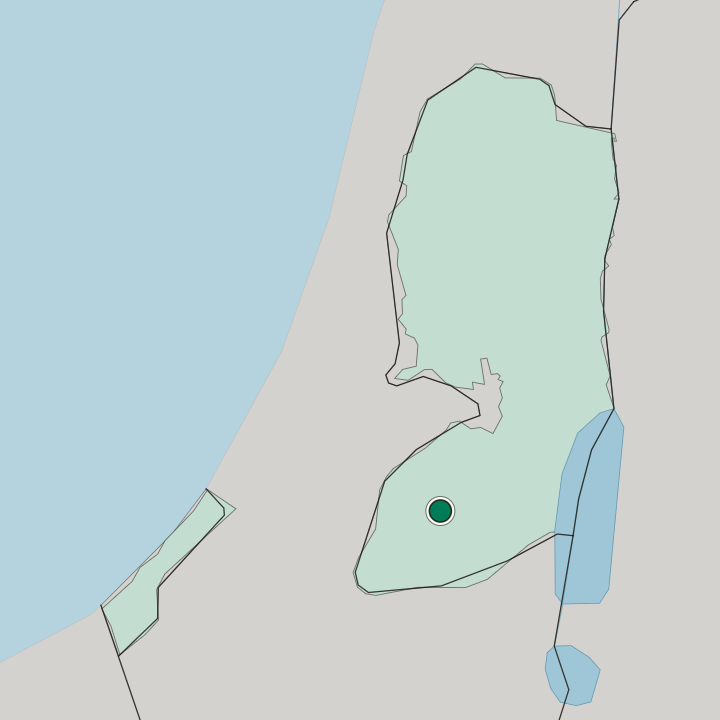
Hebron lies in the hills of the southern West Bank, the seat of the Hebron Governorate, south of Jerusalem. It sits on high ground. The city climbs the ridges and slopes of the upland, and the old town gathers in the valley folds while newer quarters spread across the surrounding hills.
The Cavern of the Patriarchs marks the historic core, and the upland setting holds Hebron among the higher ground of the southern West Bank away from the coast.
What is the climate of Hebron?
Hebron has a warm upland climate, shaped by its place in the hills of the southern West Bank. Summers run warm and dry. Cooler, wetter winters follow on the higher ground, when most of the year's rain reaches the ridges around the city.
The subtropical setting is tempered by elevation, so the hills of the Hebron Governorate stay milder in summer than the lower country, and the upland around Hebron can turn cold in winter.
How do you get to Hebron?
Hebron sits in the hill country of the southern West Bank, reached overland along the upland routes. The roads follow the ridges. Travel runs south from Jerusalem across the higher ground toward the seat of the Hebron Governorate, threading through the hills to the old town and the Cavern of the Patriarchs at the city's heart.
The upland setting shapes every approach, with the routes climbing between the ridges of the southern West Bank toward Hebron.
Another city in West Bank
Updated September 2026