Russia · Chelyabinsk Oblast
Where to Stay in Magnitogorsk, Chelyabinsk Oblast
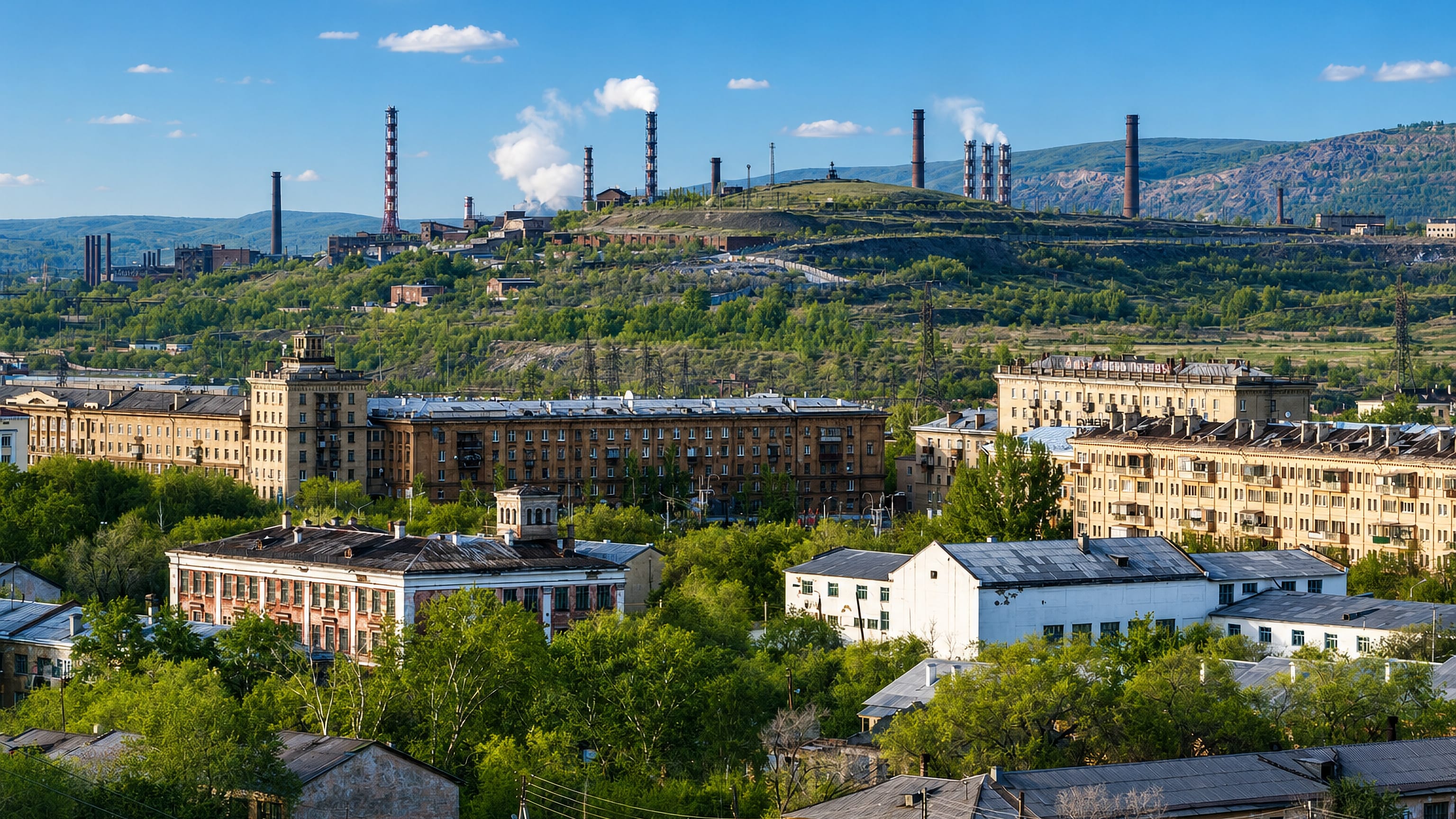
Steelworks smoke rises over Magnitogorsk, a planned steel city in Chelyabinsk Oblast, known for the Rear-front Memorial and its riverside housing.
Find your area →


Where to stay in Magnitogorsk
The practical side of choosing where to sleep.
Most visitors base themselves on the right bank of Magnitogorsk, the newer city laid out away from the mills. The right bank holds the centre. Around Komsomolskaya Square and the Stone flower monument run the broad avenues of Chelyabinsk Oblast, and this ground suits travellers who want the shops, the parks, and the theatres clear of the smoke of the works.
The Lenin statue marks the square. Across the water the left bank keeps the oldest quarter, close to the plant. Rooms there stand near the Buildings in the First Quarter and the Levoberezhny Palace of Culture of Metallurgists, a base for anyone drawn to the founding streets of the steel town rather than the modern centre.
Between the banks stands the Rear-front Memorial by the water. Each side of the river keeps its own face, the working left bank against the planned right, so where you sleep decides whether the morning opens onto the mill gates or onto the avenues built to house their workers.
Things to do in Magnitogorsk
Ranked by global recognition; descriptions from Wikidata (CC0).
Castles & Historic Sites
3- Rear-front Memorial Heritage
- Lenin statue, Komsomolskaya Square, Magnitogorsk Heritage
- Stone flower in Magnitogorsk Heritage
Landmarks & Notable Places
6- Buildings in the First Quarter Heritage
- Levoberezhnyi Dvorets Kultury Metallurgov Heritage
- Храм Святителя Николая (Магнитогорск) Heritage
- Детский сад (Магнитогорск) Heritage
- Жилой дом (Магнитогорск) Heritage
Show 1 more →
- Здание госбанка (Магнитогорск) Heritage
worth knowingacross 2 categories in Magnitogorsk
About Magnitogorsk
Magnitogorsk is known above all for steel.
What is Magnitogorsk known for?
The city was raised from nothing around one of the largest iron and steel works in Chelyabinsk Oblast, and the mills still define its skyline and its air. War made it famous. The Rear-front Memorial recalls the tanks forged here for the front, and the Buildings in the First Quarter preserve the earliest brick blocks of the planned town, while the Stone flower monument stands as a lighter emblem of the metal city.
A place built to make iron.
What are the main landmarks in Magnitogorsk?
Monuments of steel and war mark Magnitogorsk. The Rear-front Memorial is the greatest of them, a vast figure by the river recalling the arms forged here. Other markers gather nearby.
The Stone flower monument stands as the city's softer emblem, the Lenin statue holds Komsomolskaya Square, and the Buildings in the First Quarter keep the first brick blocks of the planned town, while the State Bank Building and the Church of Saint Nicholas add the civic and the sacred to a place made almost wholly of metal.
What is the history of Magnitogorsk?
Magnitogorsk was founded in 1929 as a wholly new steel city in Chelyabinsk Oblast. It rose around a mountain of iron ore. The vast metallurgical combine was built in a few driven years, and a planned town went up beside it to house the workers who dug and smelted the metal, its first brick blocks kept in the Buildings in the First Quarter.
War tested the city. When the front lines came east, its mills turned to armour and shells, a story the Rear-front Memorial by the river still tells in bronze. Growth outran the plans.
The town spread across both banks around Komsomolskaya Square and the Lenin statue, and the Stone flower monument was raised as its emblem. The steel it makes has always been its whole reason to exist. Behind the smoke of the works stands one of the boldest planned cities of the industrial age.
Where is Magnitogorsk?
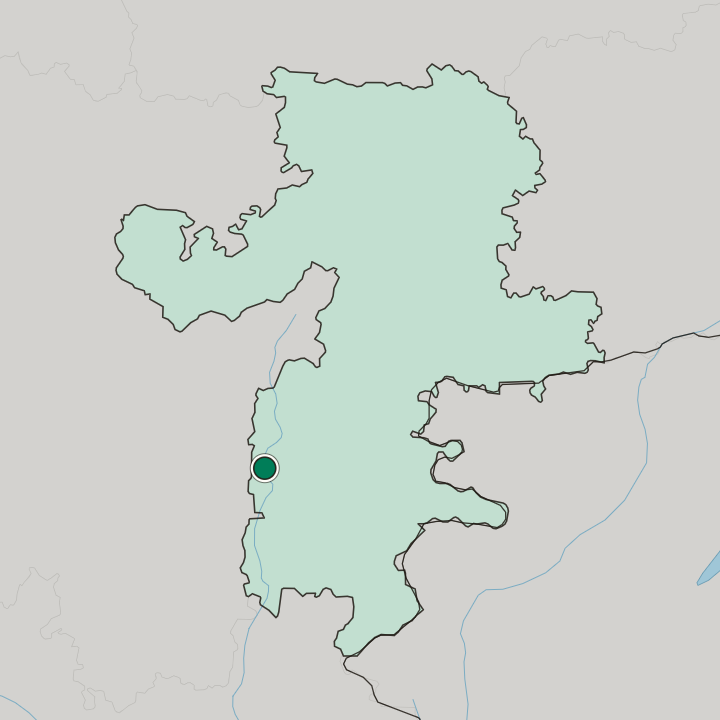
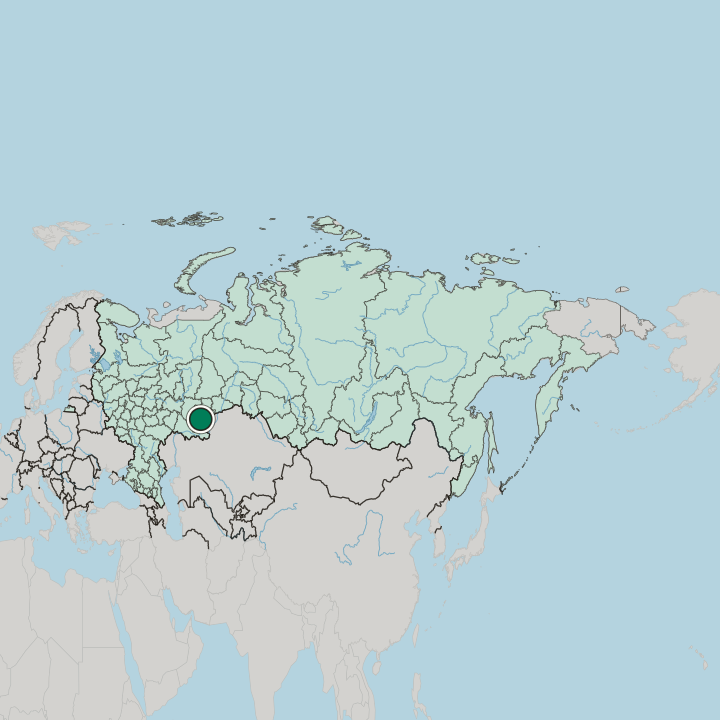
Magnitogorsk sits on both banks of a river in the southern reach of Chelyabinsk Oblast, where the Ural Mountains give way to open steppe. Mills and the oldest quarter hold the left bank close to the ore, while the planned residential city spreads across the higher right bank around Komsomolskaya Square. Its name came from the iron mountain that first drew the works.
The river divides it. Bridges tie the steel plant on one side to the avenues built for its workers on the other.
What is the climate of Magnitogorsk?
Magnitogorsk has a sharply continental climate at the edge of the Ural Mountains. Winter here bites, and it lingers. Snow and hard frost settle over the steel works and the steppe of Chelyabinsk Oblast for months, with bitter winds off the open plain.
Summers turn short, warm, and dry, dusty across the treeless ground around the mills. The seasons swing far apart, from deep winter cold to summer heat, in the harsh continental rhythm of the southern Urals.
How do you get to Magnitogorsk?
Magnitogorsk lies at the southern end of Chelyabinsk Oblast, served by rail and road. Trains reach the city on the lines that carried its ore and steel, and the highway runs in across the steppe from the larger centres of the region. Magnitogorsk runs its own airport for those arriving by air.
Buses link the mining and farming towns of the surrounding country, and the river marks the line the whole city was laid out along.
Good for
More cities in Chelyabinsk Oblast
Updated October 2026