Russia
Chelyabinsk Oblast, Russia — Towns & Travel Guide
Chelyabinsk Oblast is Russia's steel-and-stone heart in the Southern Urals, split between European ridges and Siberian plain.
Find your area →


Towns & cities in Chelyabinsk Oblast
Pick a town or city — each links to where to stay.
 Russia
Chelyabinsk
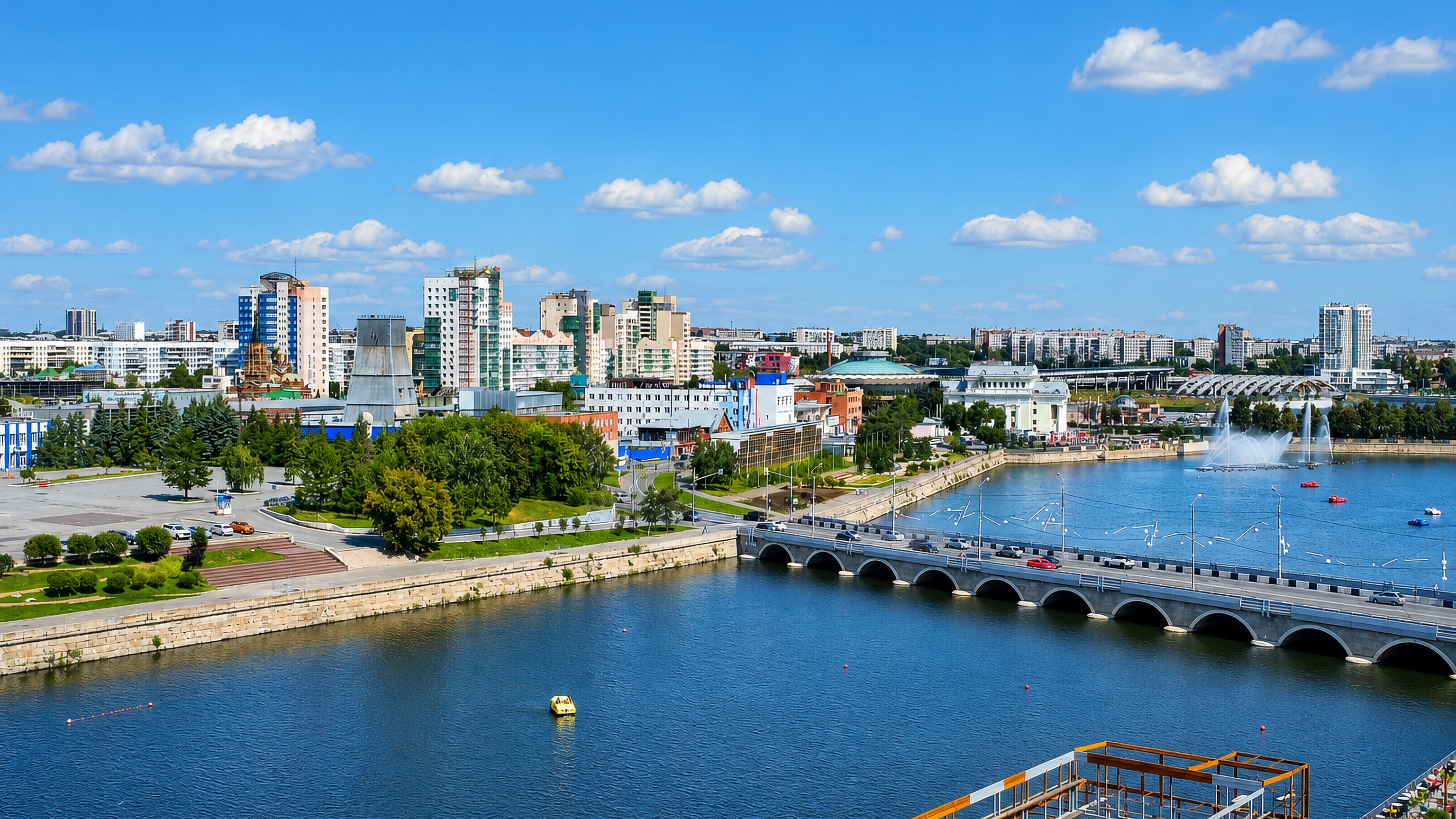
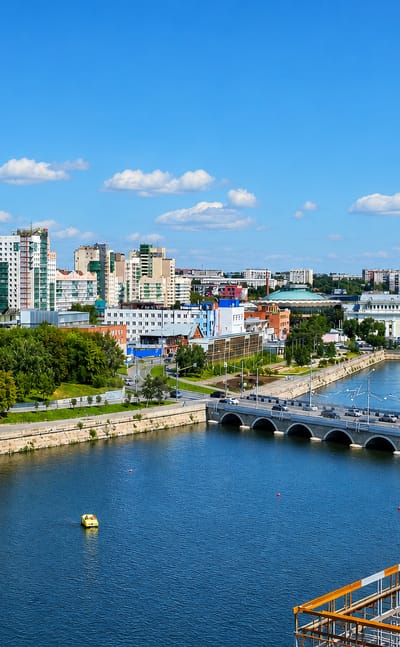
Chelyabinsk is the largest city of Chelyabinsk Oblast, spread along the Miass River east of the southern Ural Mountains.Where to stay →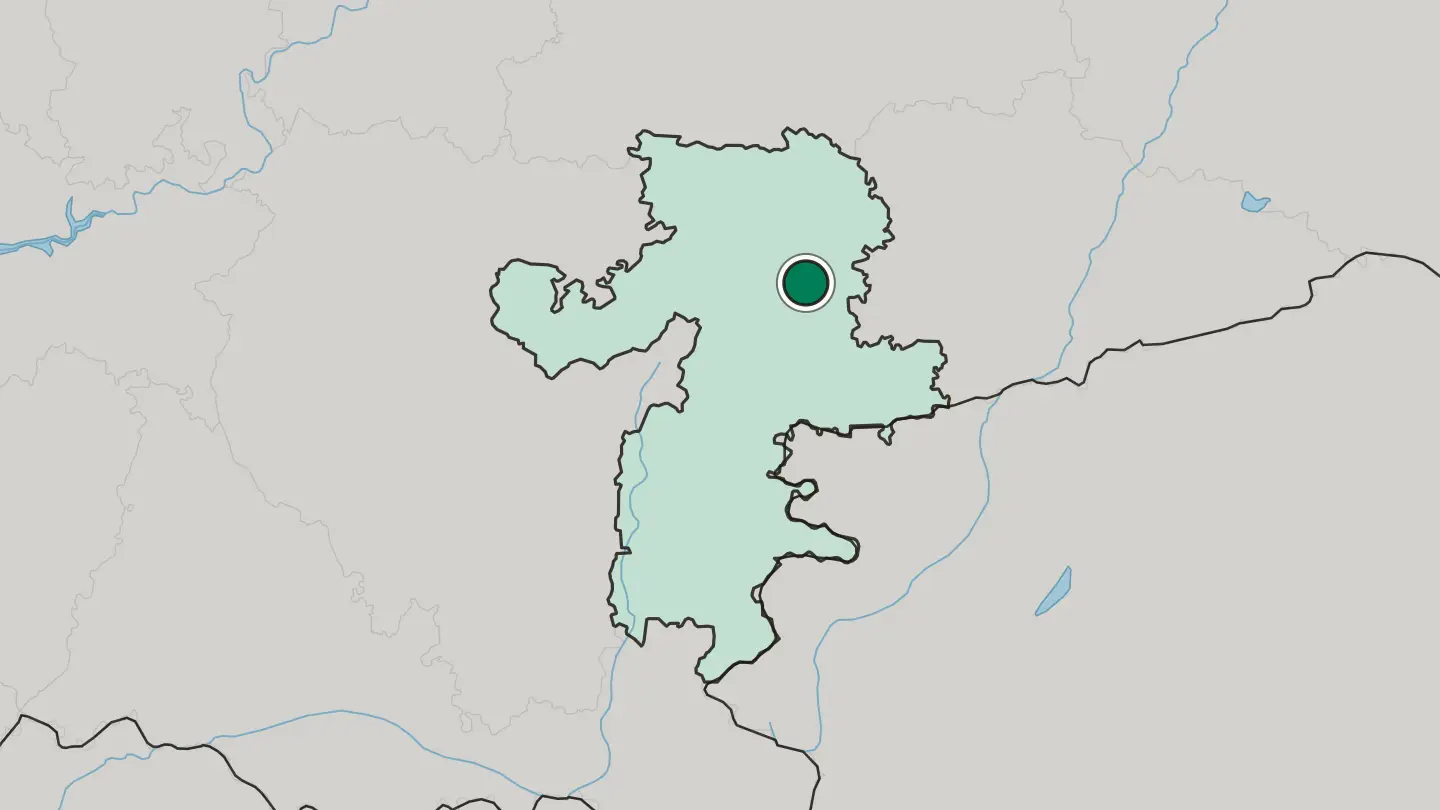
 Russia
Magnitogorsk
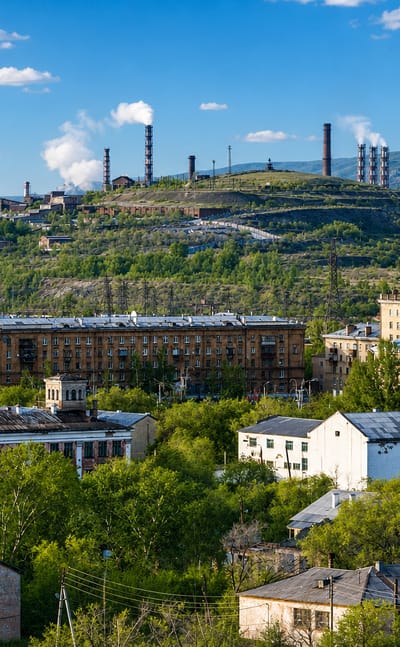
Steelworks smoke rises over Magnitogorsk, a planned steel city in Chelyabinsk Oblast, known for the Rear-front Memorial and its riverside housing.Where to stay →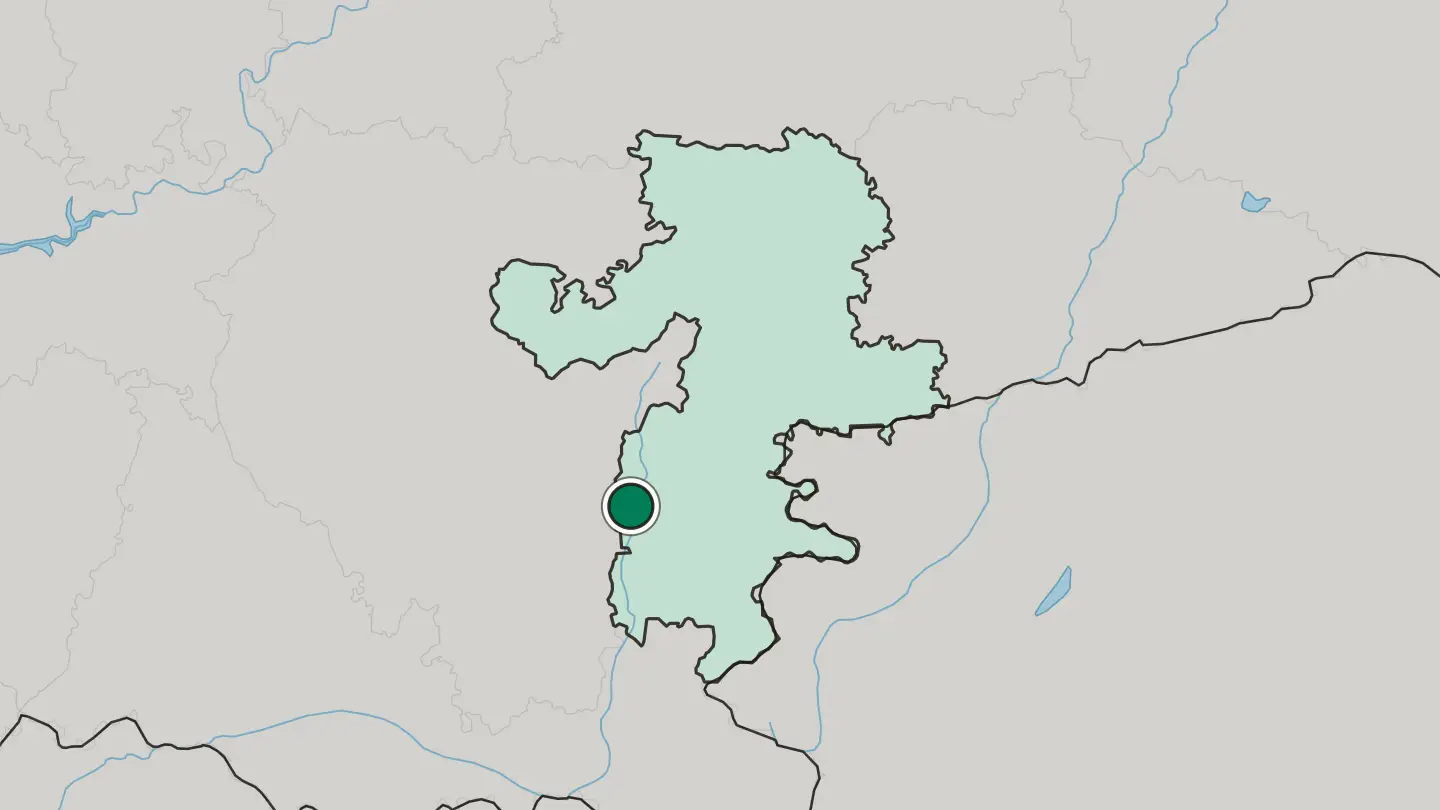
 Russia
Zlatoust
Zlatoust grew around a mining works from 1754, an arms town on the Ay River in Chelyabinsk Oblast. Anosov worked here.Where to stay →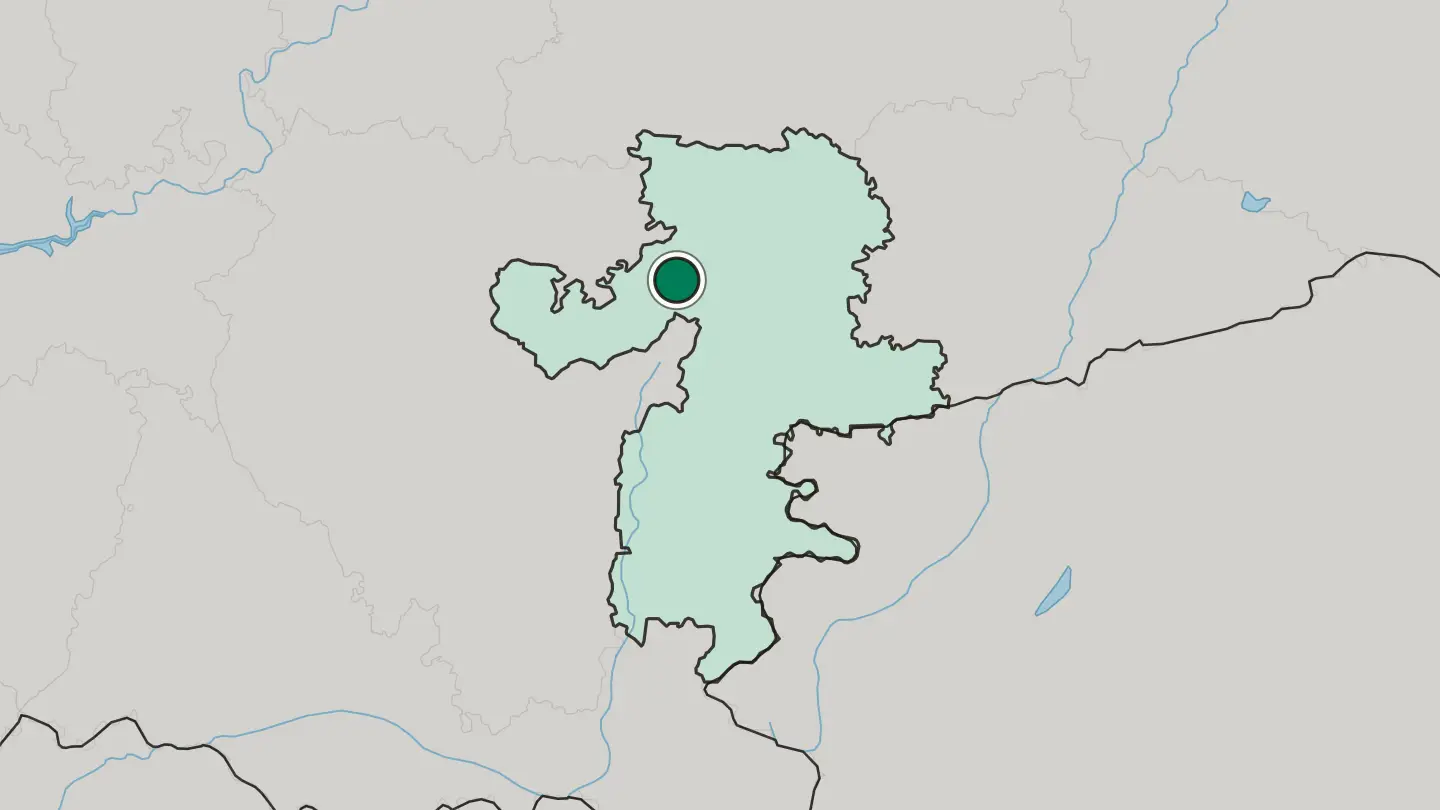
 Russia
Miass
Miass is a Ural factory town. It runs along the river Miass on the eastern slope of the Southern Ural Mountains, west of Chelyabinsk.Where to stay →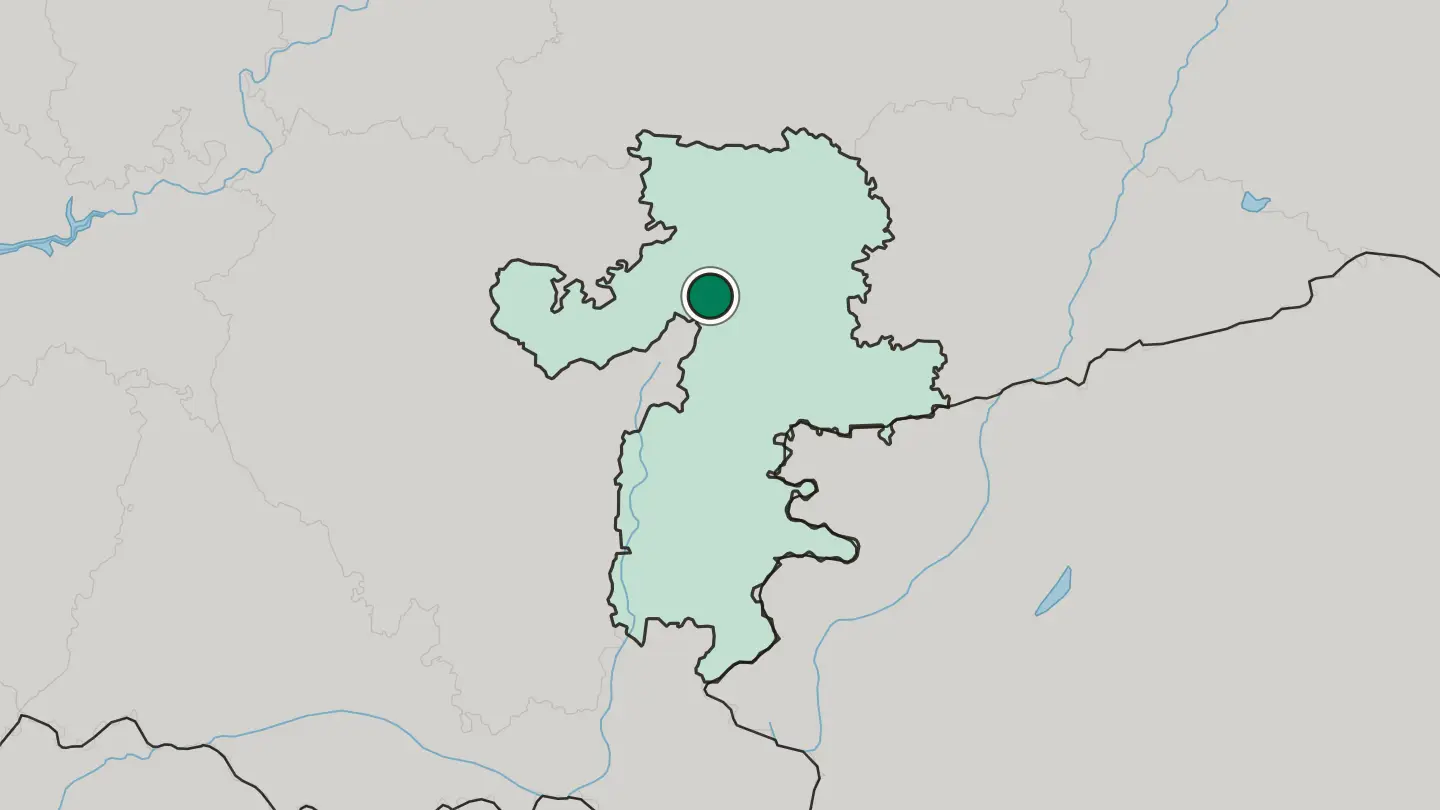
 Russia
Troitsk
Troitsk grew as a trade town on the Uy River, its mosques and merchant passages facing the border with Kazakhstan. The arcades still stand.Where to stay →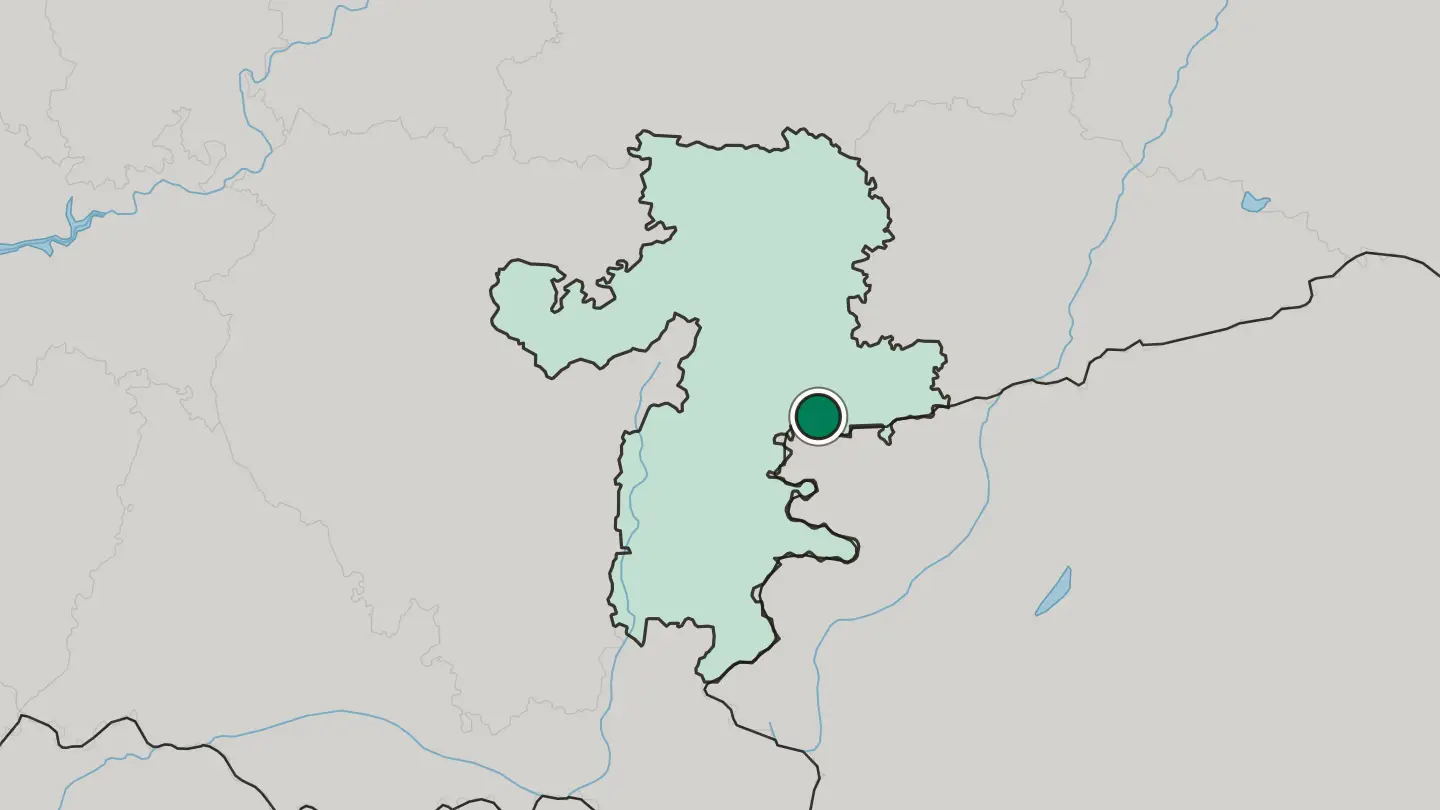
 Russia
Ozersk
Ozersk is a closed city in Chelyabinsk Oblast, planned from 1945 around the химкомбинат «Маяк». Access is restricted.Where to stay →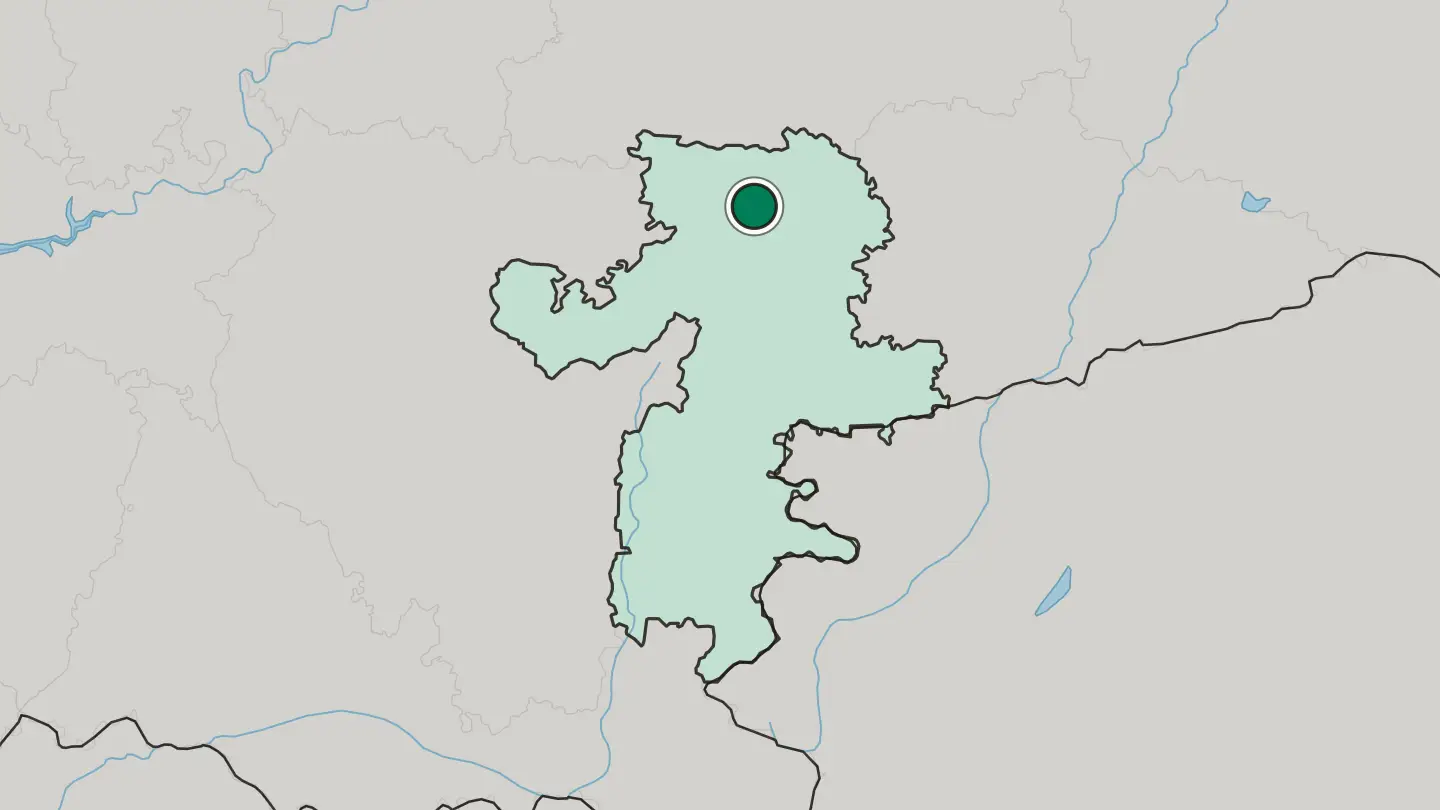 Russia
Kopeysk
Kopeysk lies southeast of Chelyabinsk, a city of Chelyabinsk Oblast founded in 1907. Monuments fill its record.Where to stay →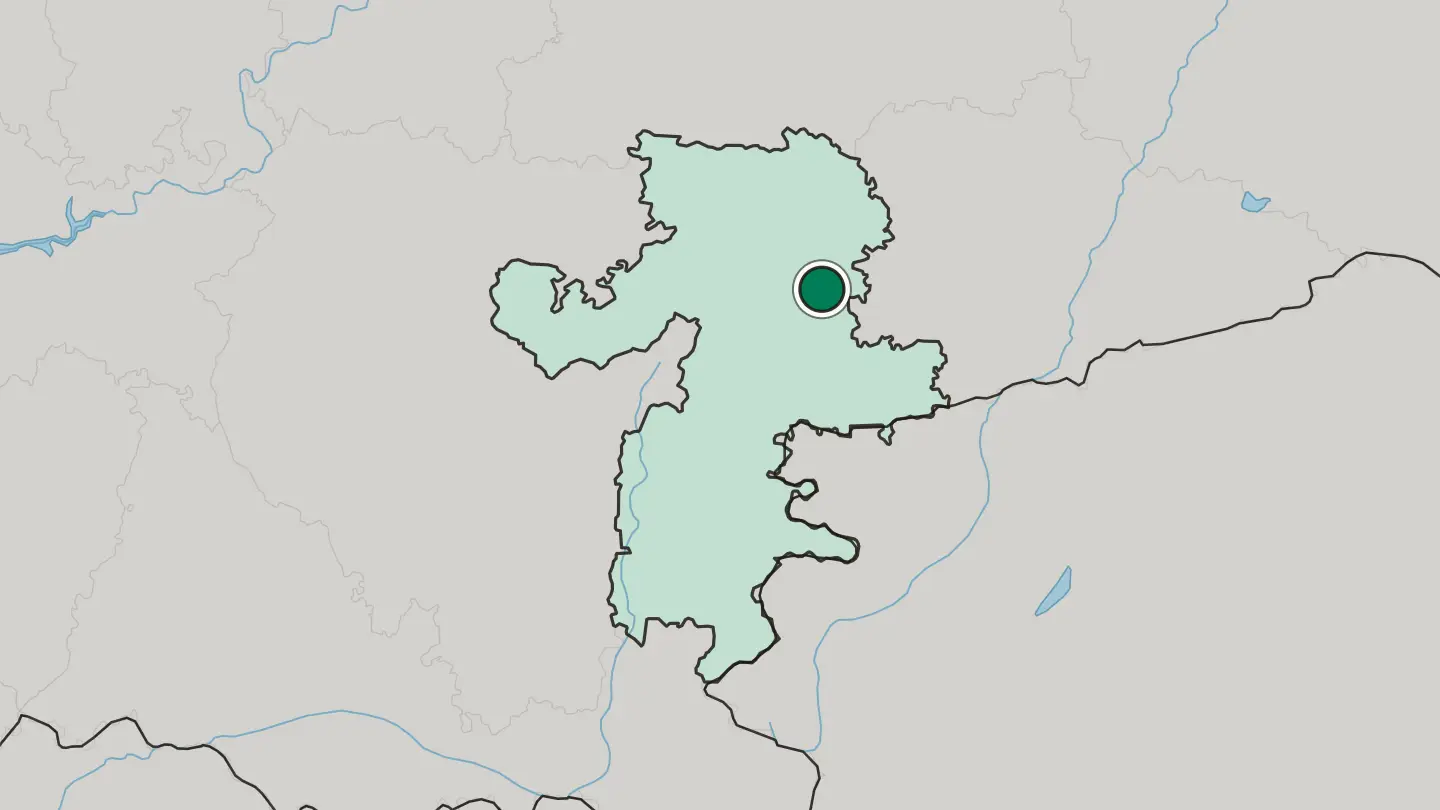
 Russia
Snezhinsk
Snezhinsk dates from 1957, a closed town of two-storey cottages and mosaic gable panels in Chelyabinsk Oblast. Its institute set the plan.Where to stay →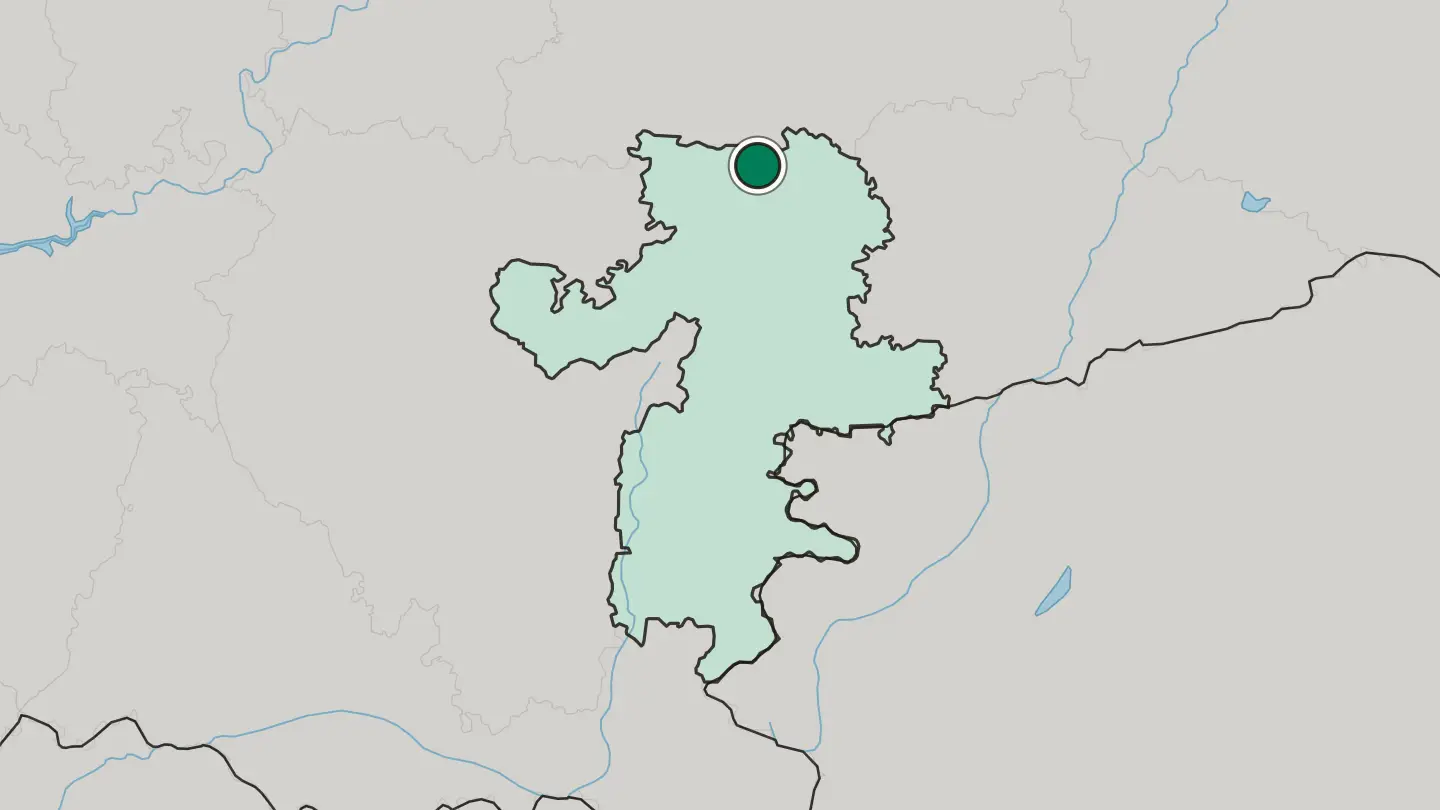
About Chelyabinsk Oblast
Metal made this region.
What is Chelyabinsk Oblast known for?
Magnitogorsk poured a third of the Soviet Union's steel during the war, while the city of Chelyabinsk built so many tanks it was nicknamed Tankograd. The mountains hold the other half of the story, with the Taganay ridges above Zlatoust and the mineral-rich Ilmen Nature Reserve near Miass drawing hikers and rockhounds. In 2013 a meteor exploded over the oblast and made its name known worldwide overnight.
Where is Chelyabinsk Oblast?
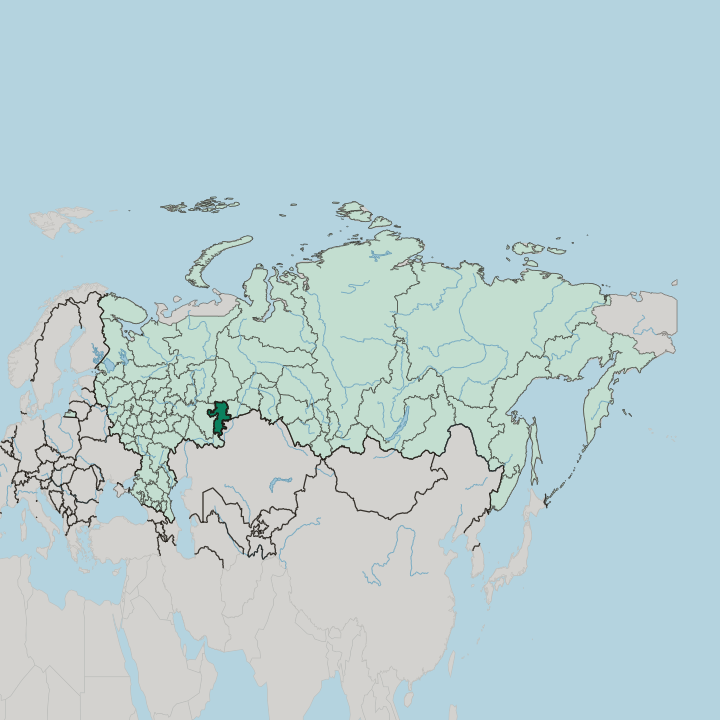
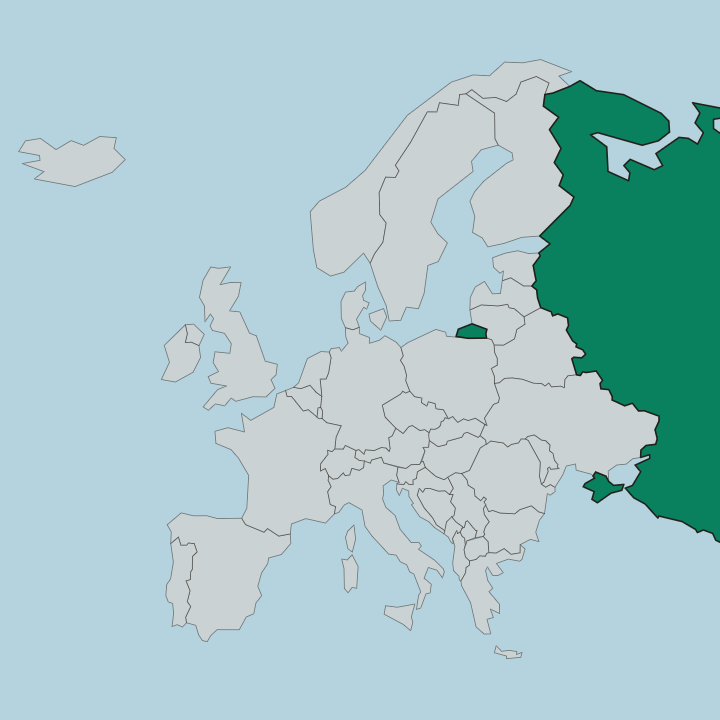
Chelyabinsk Oblast lies in the Southern Urals, straddling the very line where Europe gives way to Asia. The Ural Mountains run down its western side. Their forested ridges climb past a thousand metres, topping out at Nurgush, and it is here that the continental boundary between the two landmasses is drawn.
East of the ridges the land drops and opens out. The West Siberian Plain begins here, rolling in low hills and steppe toward the horizon, so that a traveller can cross from wooded mountain to open grassland in a single afternoon. Water defines the eastern half.
More than three thousand lakes are scattered across the plains and foothills, among them the famously clear Lake Turgoyak near Miass, whose water rivals Lake Baikal for transparency. Rivers thread the whole region. The Miass runs through the capital, the Ural rises in the west and turns south past Magnitogorsk, and the Ay and Ufa drain the northern slopes.
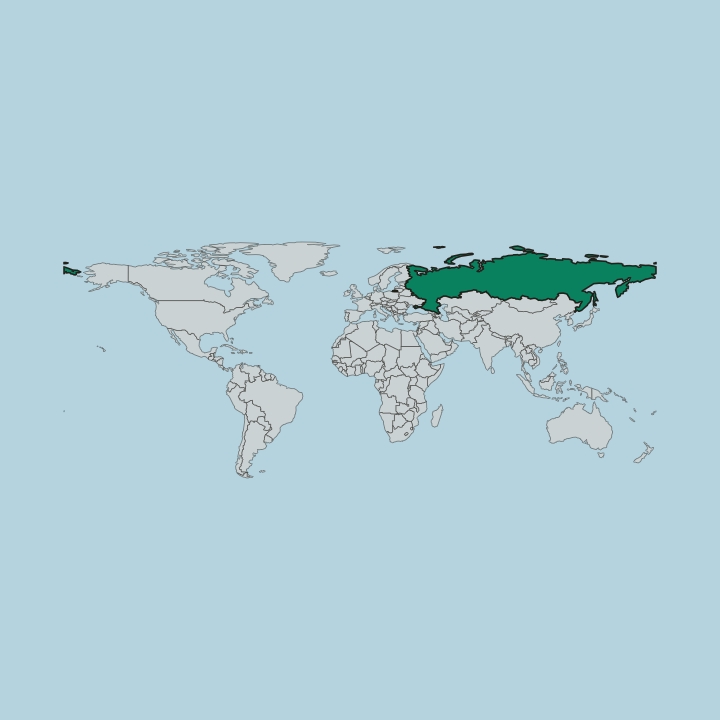
The oblast borders Bashkortostan and Sverdlovsk Oblast within Russia and reaches Kazakhstan along its southern edge. Two continents in one province.
What is Chelyabinsk Oblast like?
This is a working region, and its culture is built on metal and the mountains. Zlatoust has forged engraved steel blades since the early nineteenth century, and its decorated arms and knives are a craft that still carries the town's name across Russia. The identity runs deep.
Generations grew up around the blast furnaces of Magnitogorsk and the tank lines of Chelyabinsk, and that Soviet industrial past shapes the museums, the monuments and the civic pride of the cities to this day. Yet the mineral world gives the region a second face. The Ilmen Nature Reserve near Miass was set aside in 1920 for its stones alone, and its museum in that city holds tens of thousands of mineral specimens, sixteen of them first discovered in these hills.
Nature is the other pull. On summer weekends the lakes and the ridges fill with families from the industrial towns, boating on Lake Turgoyak or climbing into the Taganay ridges above Zlatoust. Russian is the everyday language, spoken across the whole oblast, though the place names carry the older Bashkir and Turkic sounds of the steppe.
Steel below, quartzite above.
What is the history of Chelyabinsk Oblast?
Russian settlement began with the fort of Chelyaba, raised in 1736 at a crossing of the Miass River to guard the caravan roads into Siberia. Iron and gold followed. The eighteenth century brought the first works at Zlatoust, Kyshtym and Miass, seeding a chain of factory towns through the mountains.
The oblast itself was carved out in 1934, and within a few years the Five-Year Plans had built the giant steel combine at Magnitogorsk from bare steppe. War turned it into an arsenal. Evacuated factories poured into Chelyabinsk and made it the tank forge of the Soviet Union.
What is the climate of Chelyabinsk Oblast?
The oblast has a sharply continental climate, far from any sea and open to the cold of the Siberian interior. Winters are long and hard. January settles well below freezing across the plains, and deep snow lies on the Taganay ridges for months.
Summers swing the other way, warm and often hot on the steppe, when the lakes around Miass draw crowds from the industrial towns. Between the frozen winters and the hot steppe summers, spring and autumn slip past in a hurry across Chelyabinsk Oblast.
How do you get to Chelyabinsk Oblast?
Most travellers arrive through Chelyabinsk. Its Balandino airport, on the north-eastern edge of the city, takes flights from Moscow and other Russian hubs. The Trans-Siberian Railway is the other great artery, and Chelyabinsk-Glavny station sees daily trains from Moscow rolling on toward Siberia.
From the capital, road and rail fan out to Miass, Zlatoust and the mountain parks in the west and to Magnitogorsk in the south.
Common questions
What is the best area to stay in Chelyabinsk Oblast?
Chelyabinsk: the regional capital on the Miass River. Miass: lakes and the Ilmen mineral country. Zlatoust: hiking the Taganay ridges. Magnitogorsk: seeing the steel works up close.
Good for
More regions in Russia
Updated September 2026