Sweden
Jönköping County, Sweden — Towns & Travel Guide
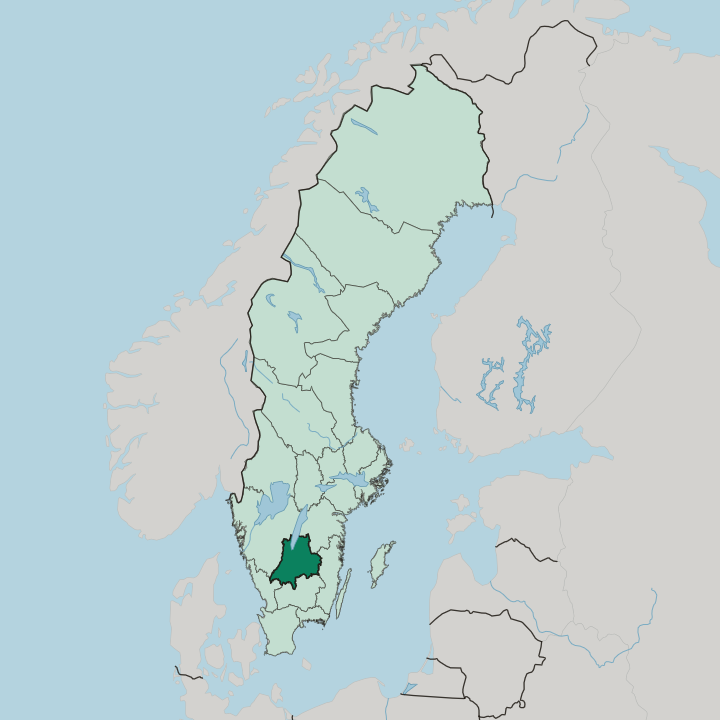
Jönköping County is an inland län in southern Sweden, spread over wooded highlands at the foot of Lake Vättern.
Hotel links are affiliate links: booking through them may earn us a commission, at no extra cost to you. It never affects how places are ranked. How this works


Towns & cities in Jönköping County
Pick a town or city — each links to where to stay.
 Sweden
Jönköping
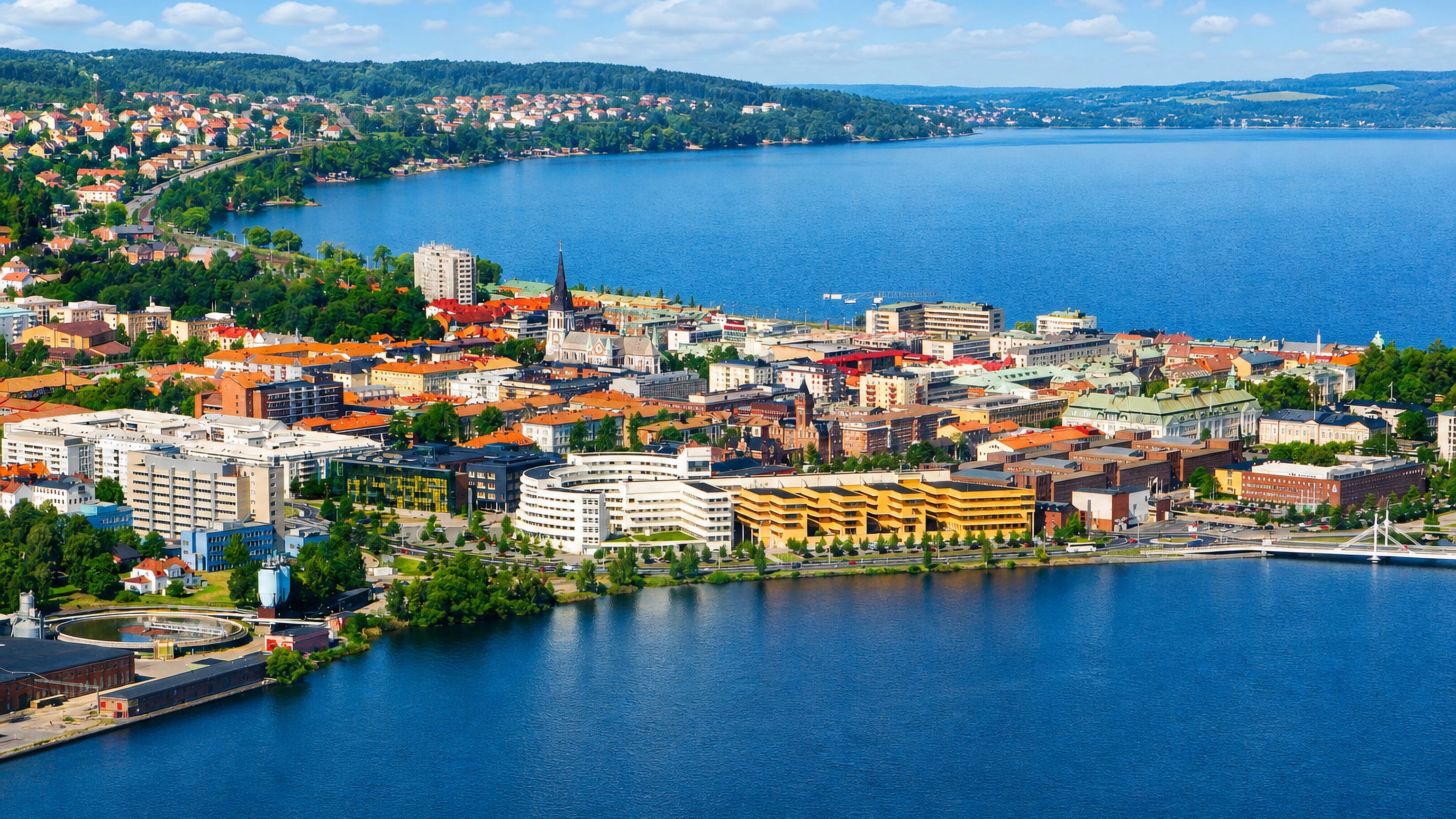
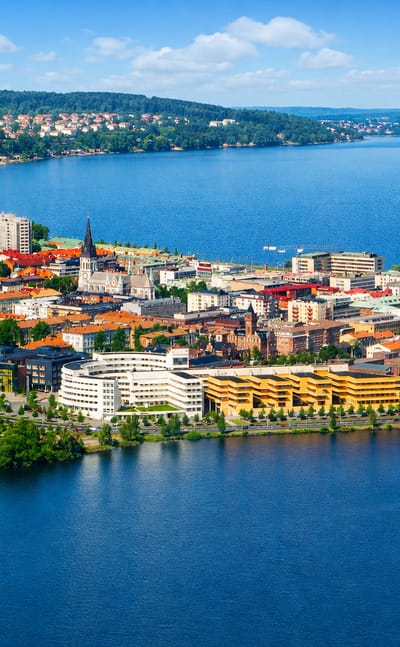
Jönköping is a city at the southern tip of Lake Vättern, the seat of Jönköping County in southern Sweden.Where to stay →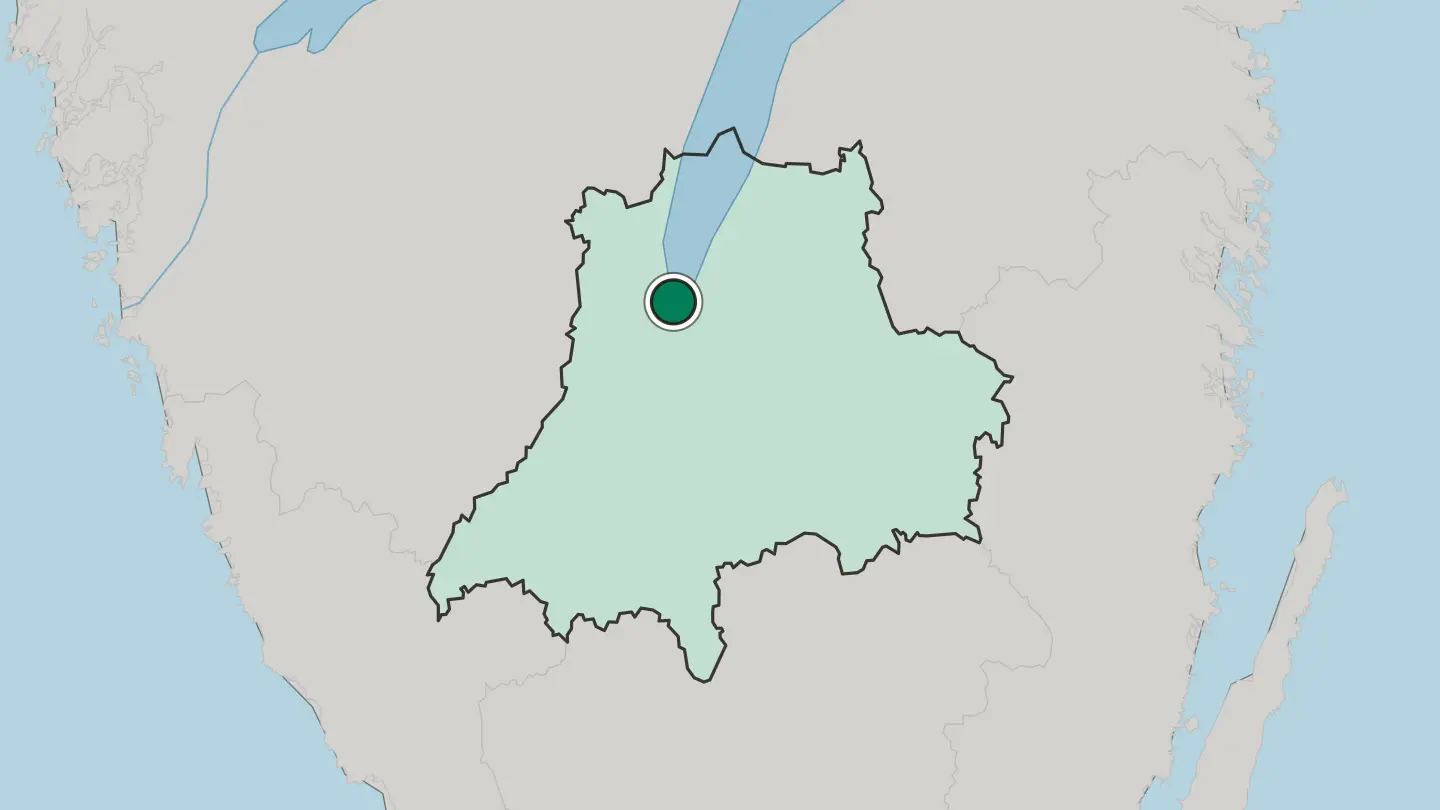
 Sweden
Värnamo
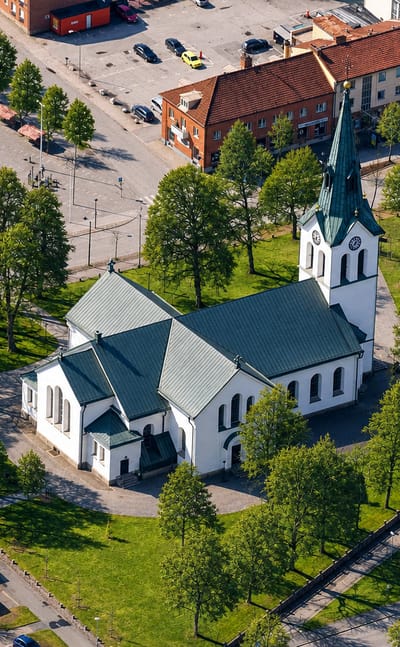
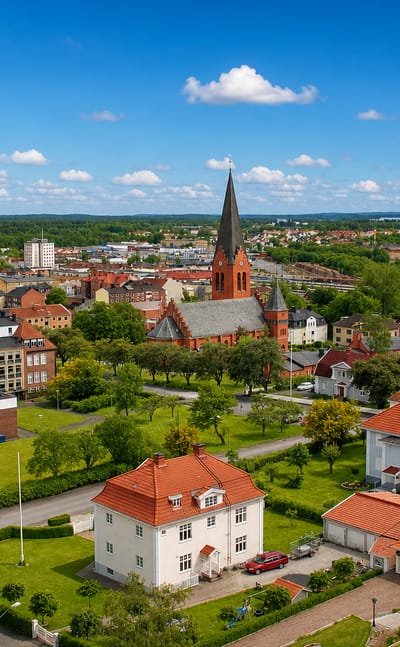
Värnamo is a town in the Småland uplands of southern Jönköping County, on the river Lagan just north of the lake Vidöstern.Where to stay →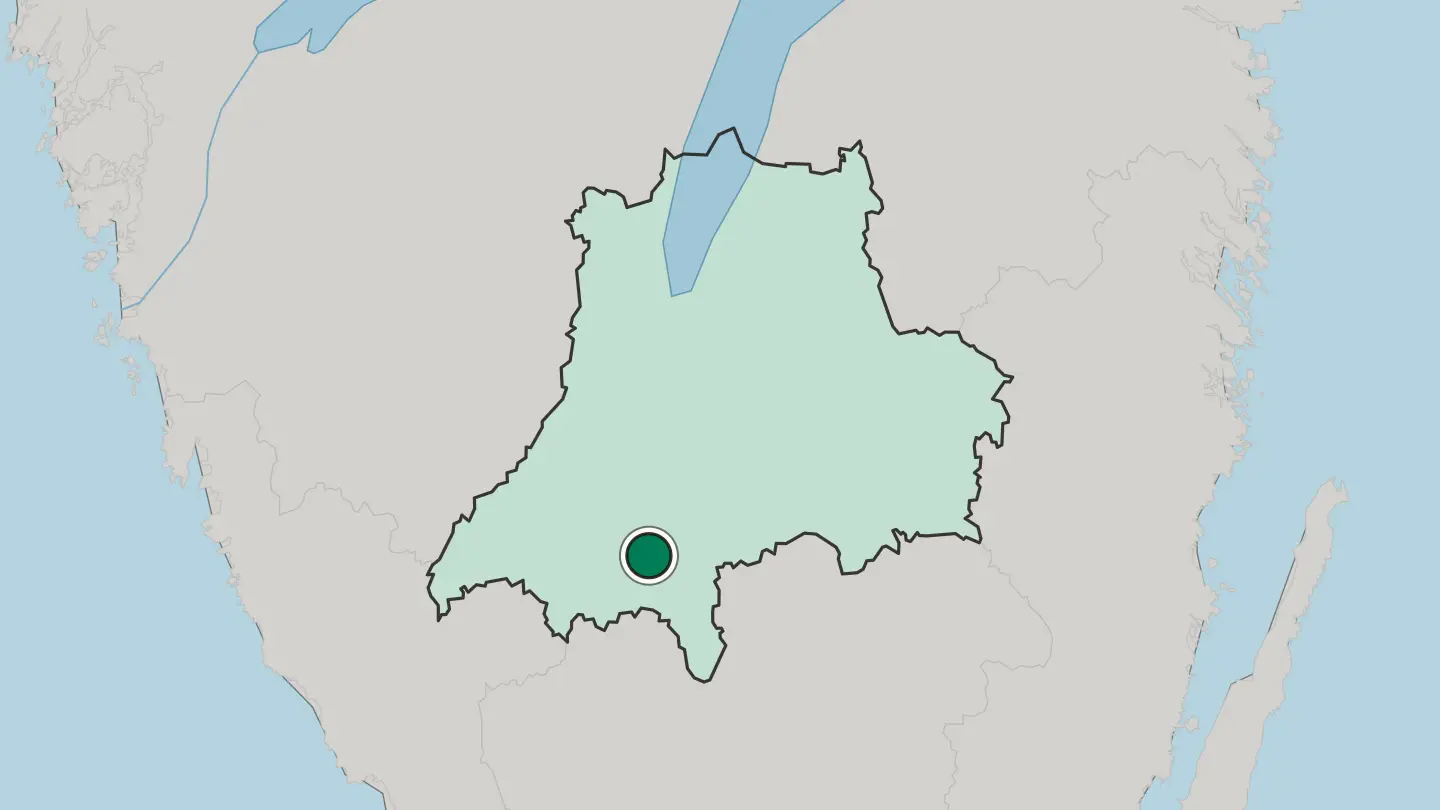
 Sweden
Nässjö
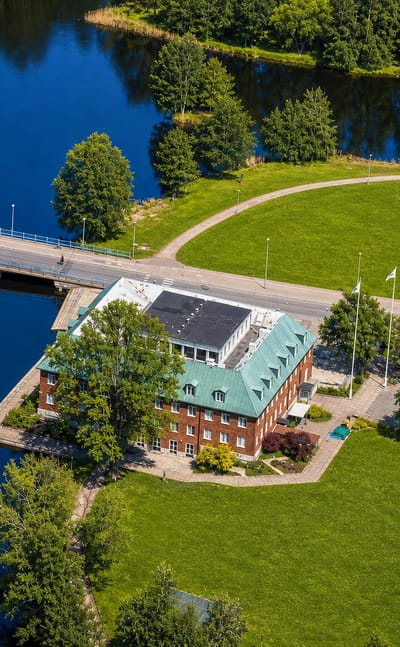
Nässjö is a railway town in the eastern part of Jönköping County, on the highland of Småland in southern Sweden.Where to stay →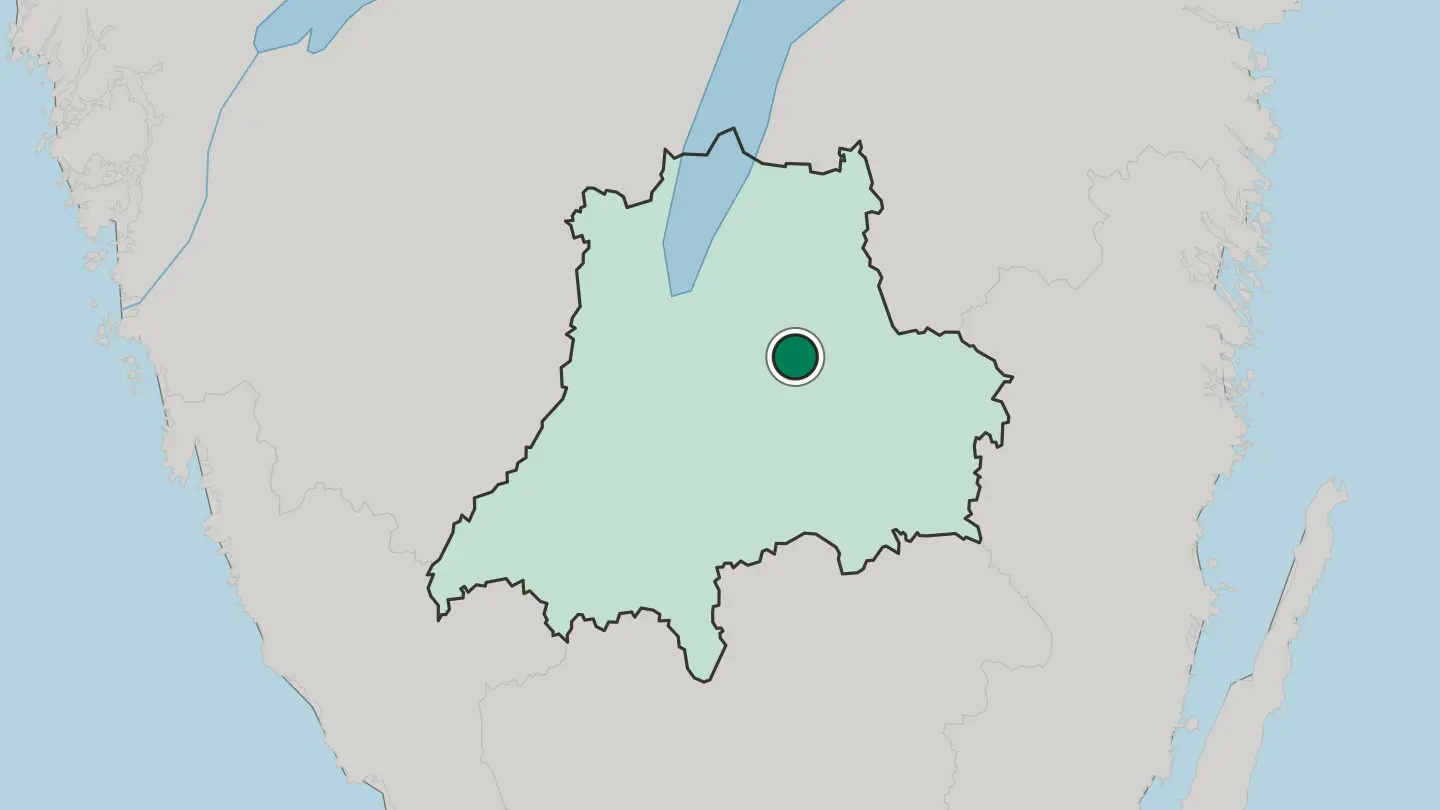
 Sweden
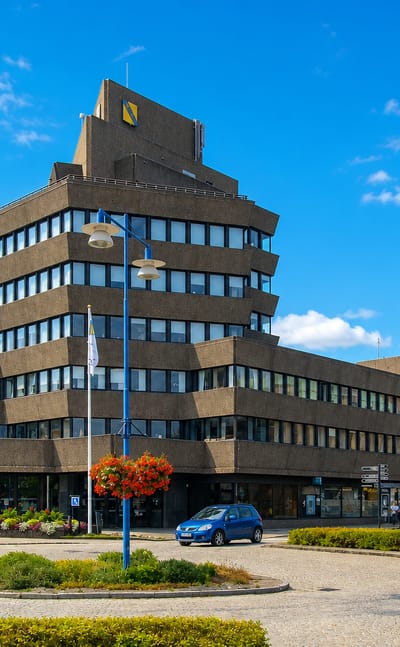
Tranås
Tranås is a town in the north-eastern part of Jönköping County, central Sweden, set near the southern shore of Lake Sommen.Where to stay →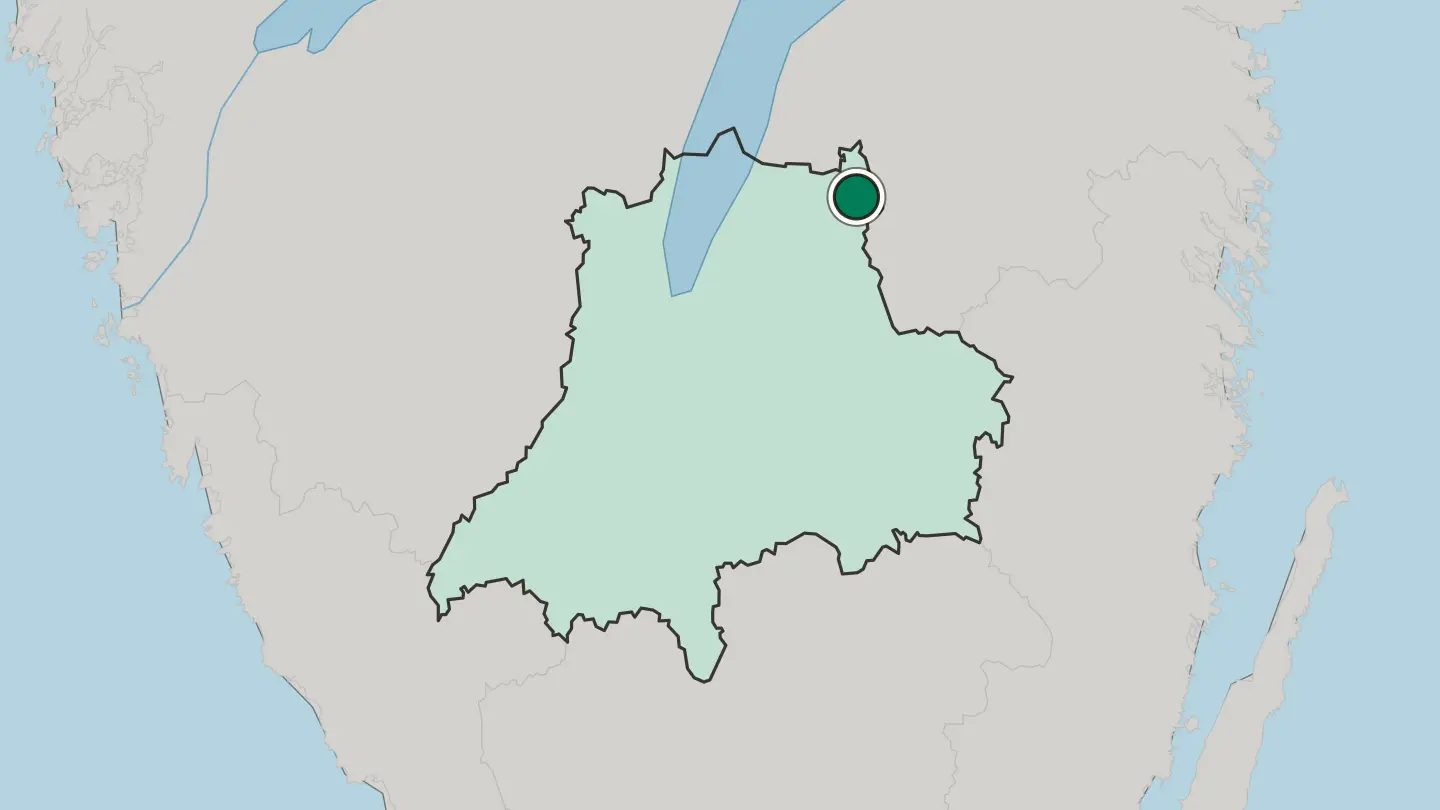
 Sweden
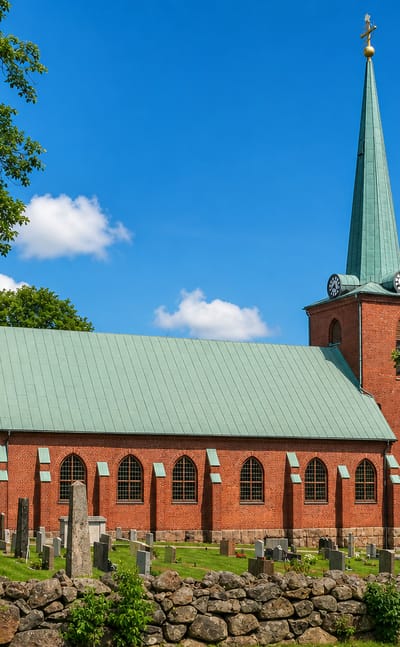
Vetlanda
Vetlanda is a town in the south-eastern part of Jönköping County, in the forests of Småland in southern Sweden, and the seat of its municipality.Where to stay →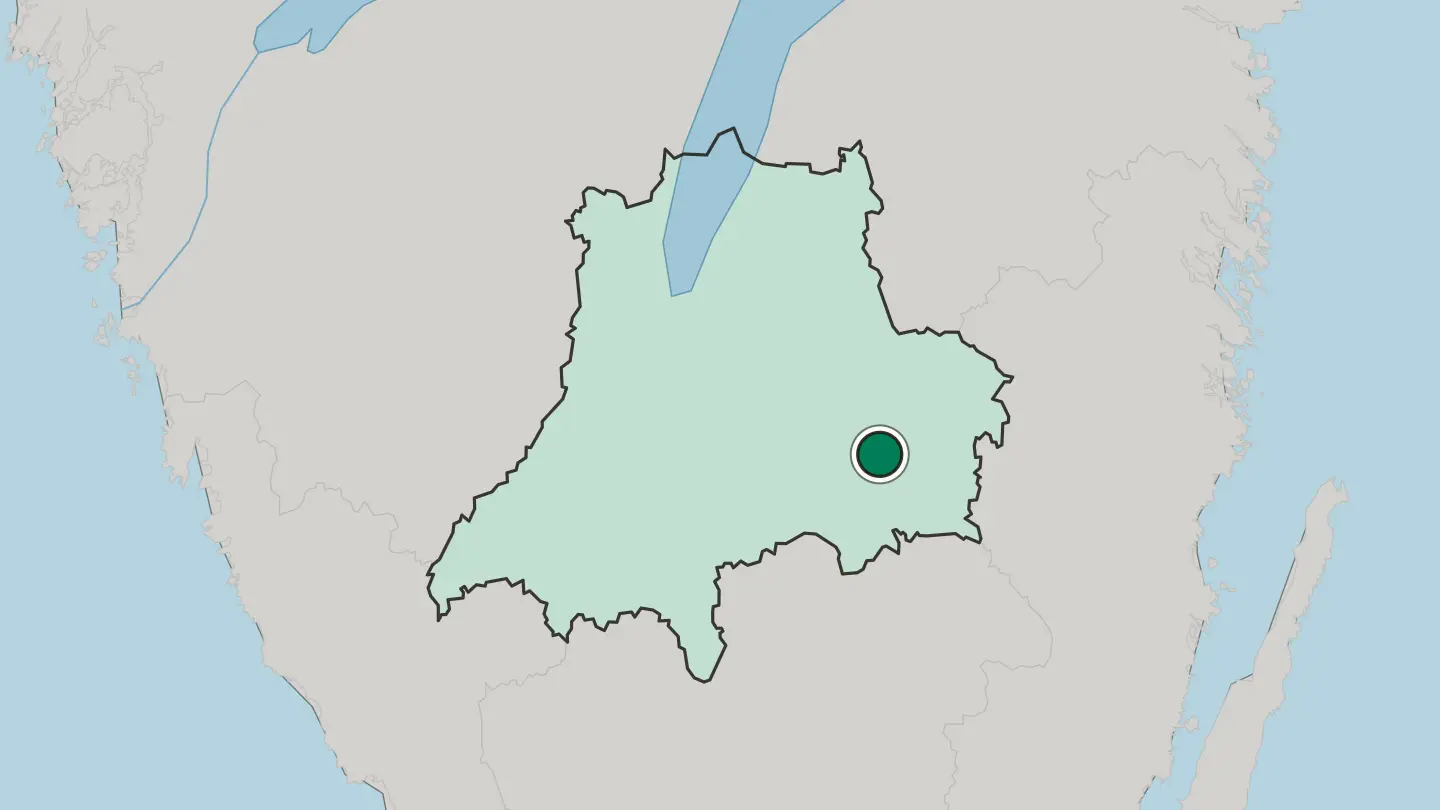
 Sweden
Gislaved
Gislaved is an industrial town in the south-western part of Jönköping County, in the forests of western Småland in south-western Sweden.Where to stay →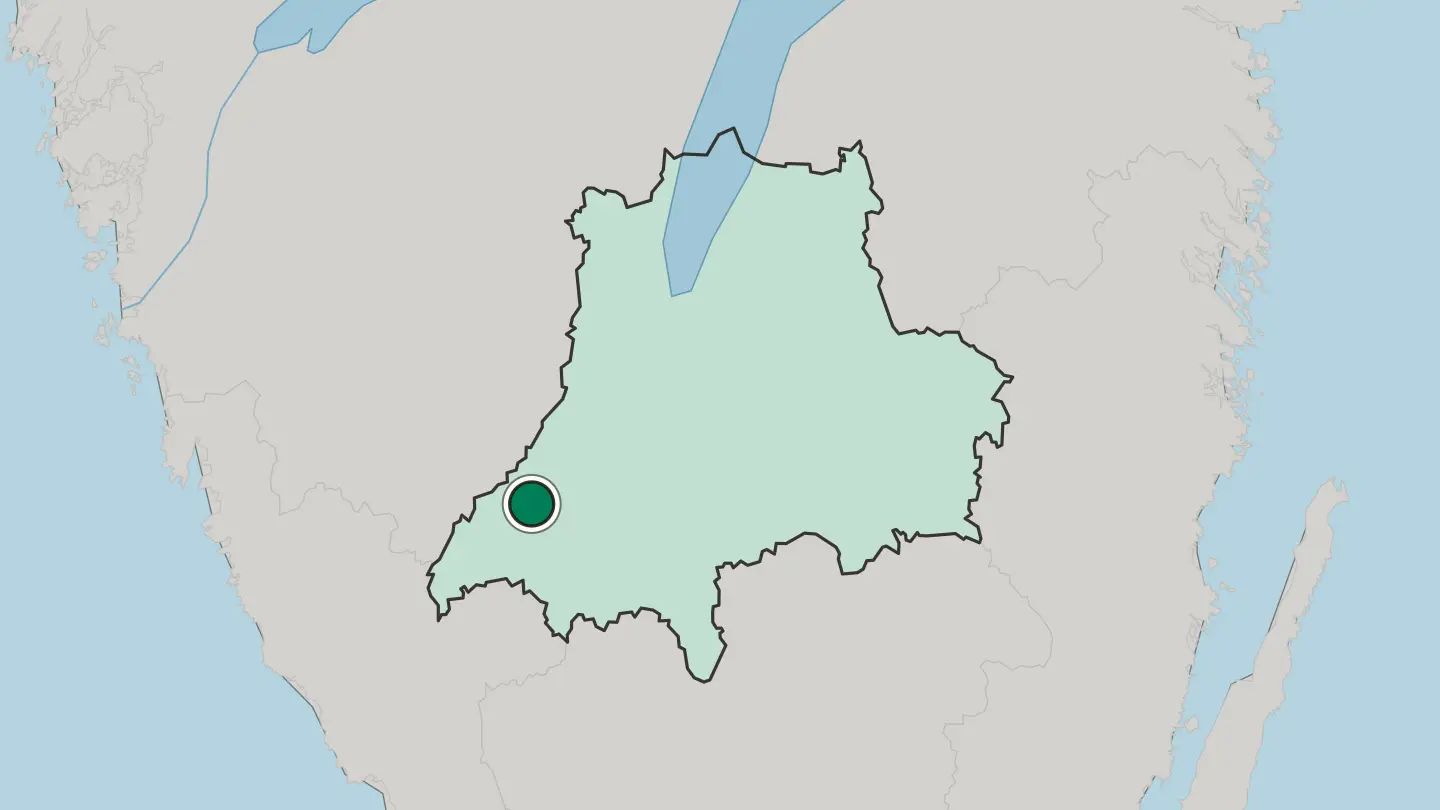
 Sweden
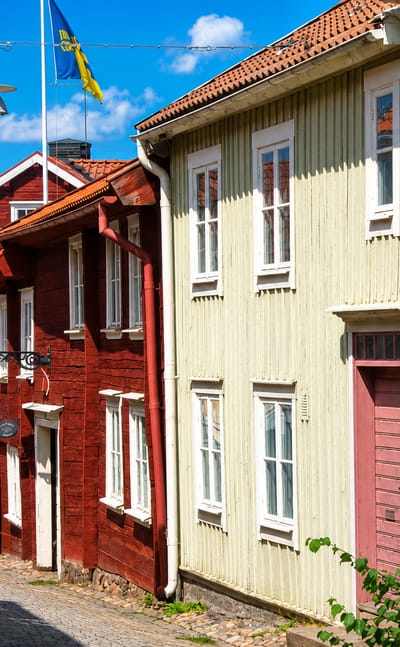
Eksjö
Eksjö is a historic wooden town in the eastern part of Jönköping County, in the forests of Småland in southern Sweden.Where to stay →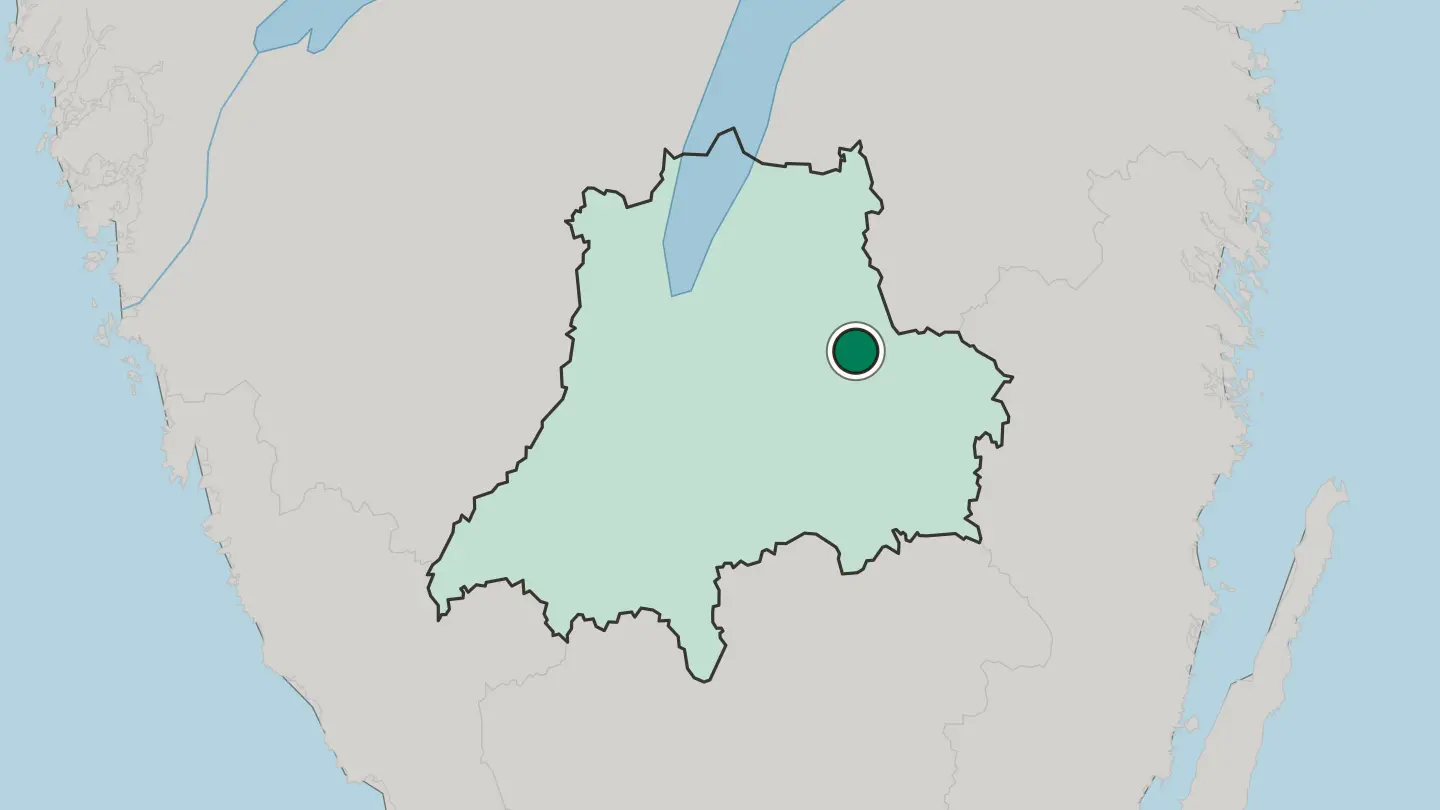
 Sweden
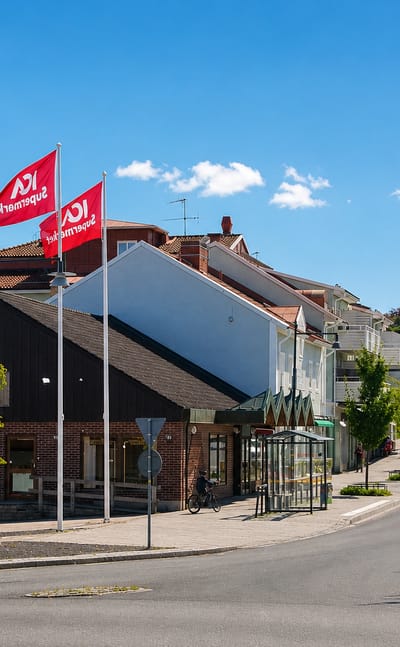
Habo
Habo is a small town in the northern part of Jönköping County, in southern Sweden, set on the western shore of Lake Vättern.Where to stay →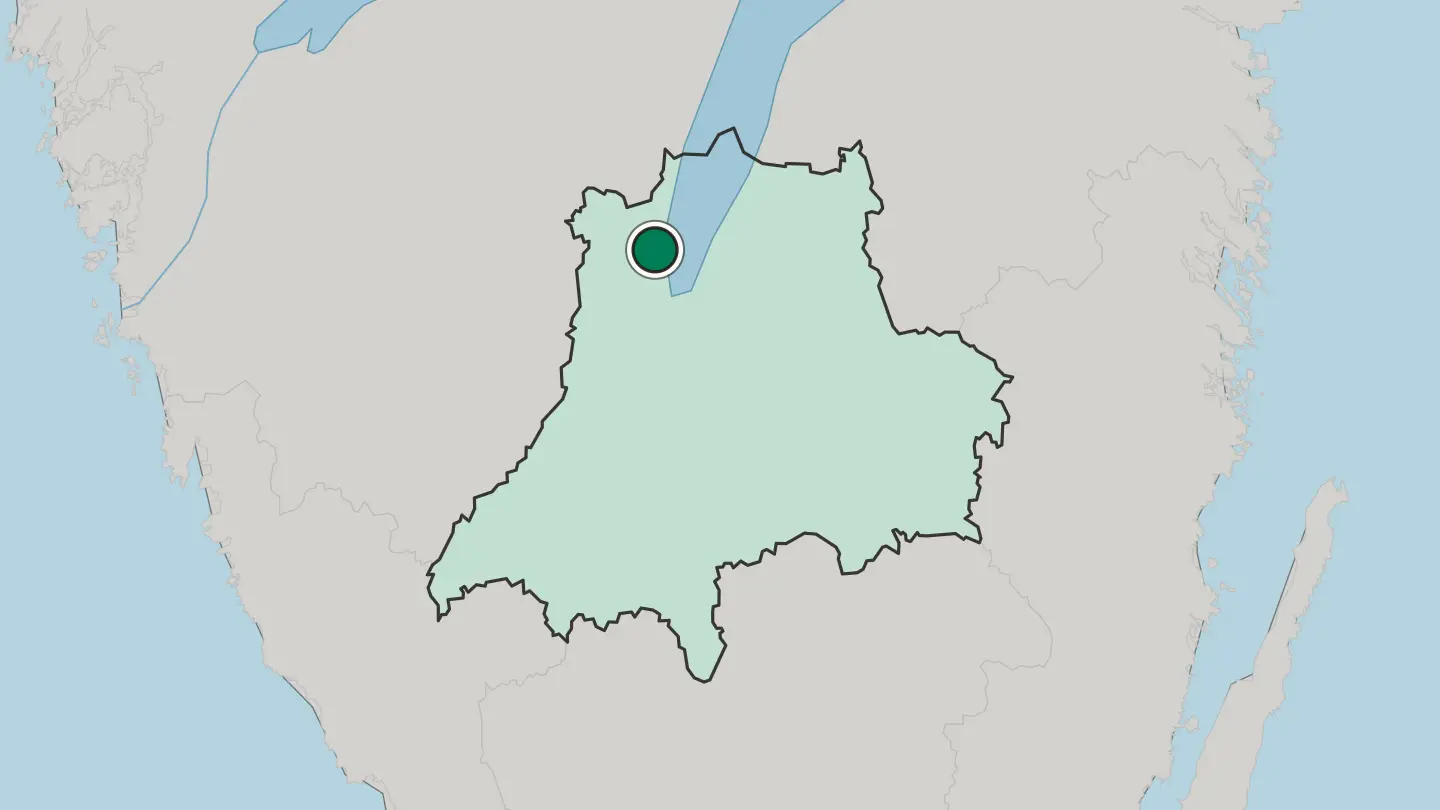
All towns & cities (13)
 Sweden
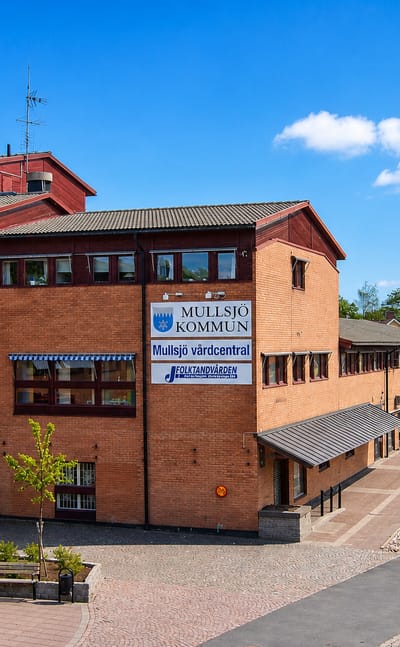
Mullsjö
Mullsjö is a small town in the north-western part of Jönköping County, in southern Sweden, set on the highland between lakes and forest.Where to stay →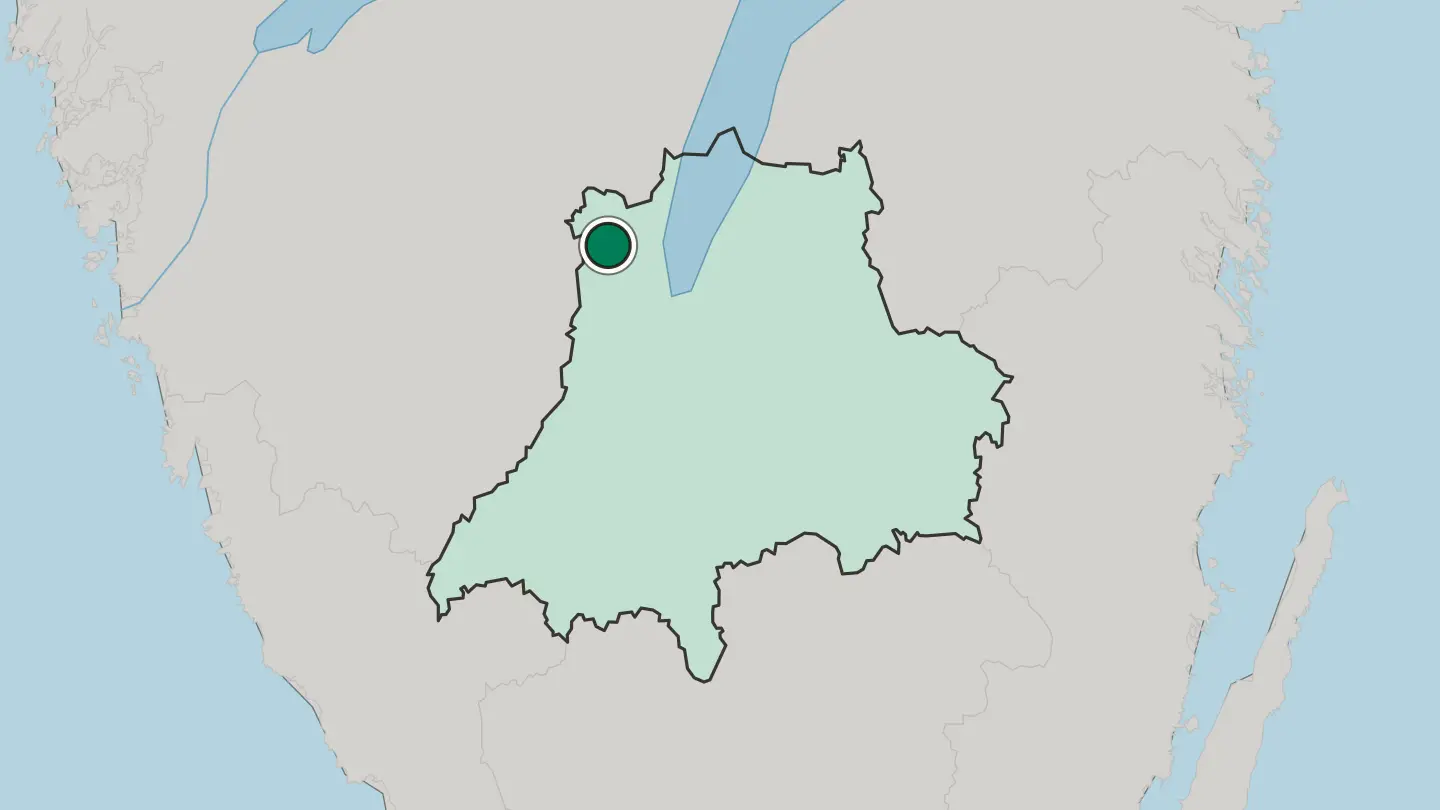
 Sweden
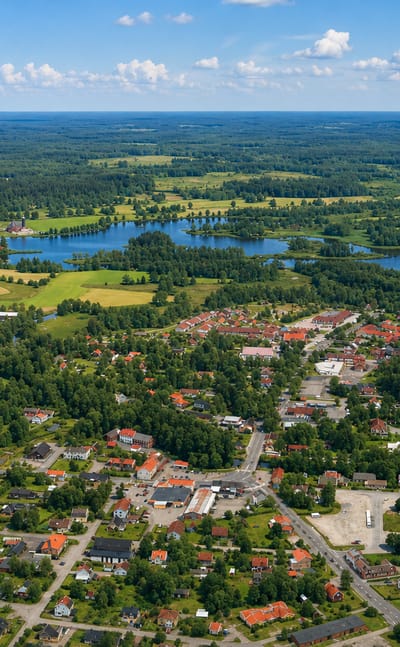
Sävsjö
Sävsjö is a small town in the south-eastern part of Jönköping County, on the highland of Småland in southern Sweden.Where to stay →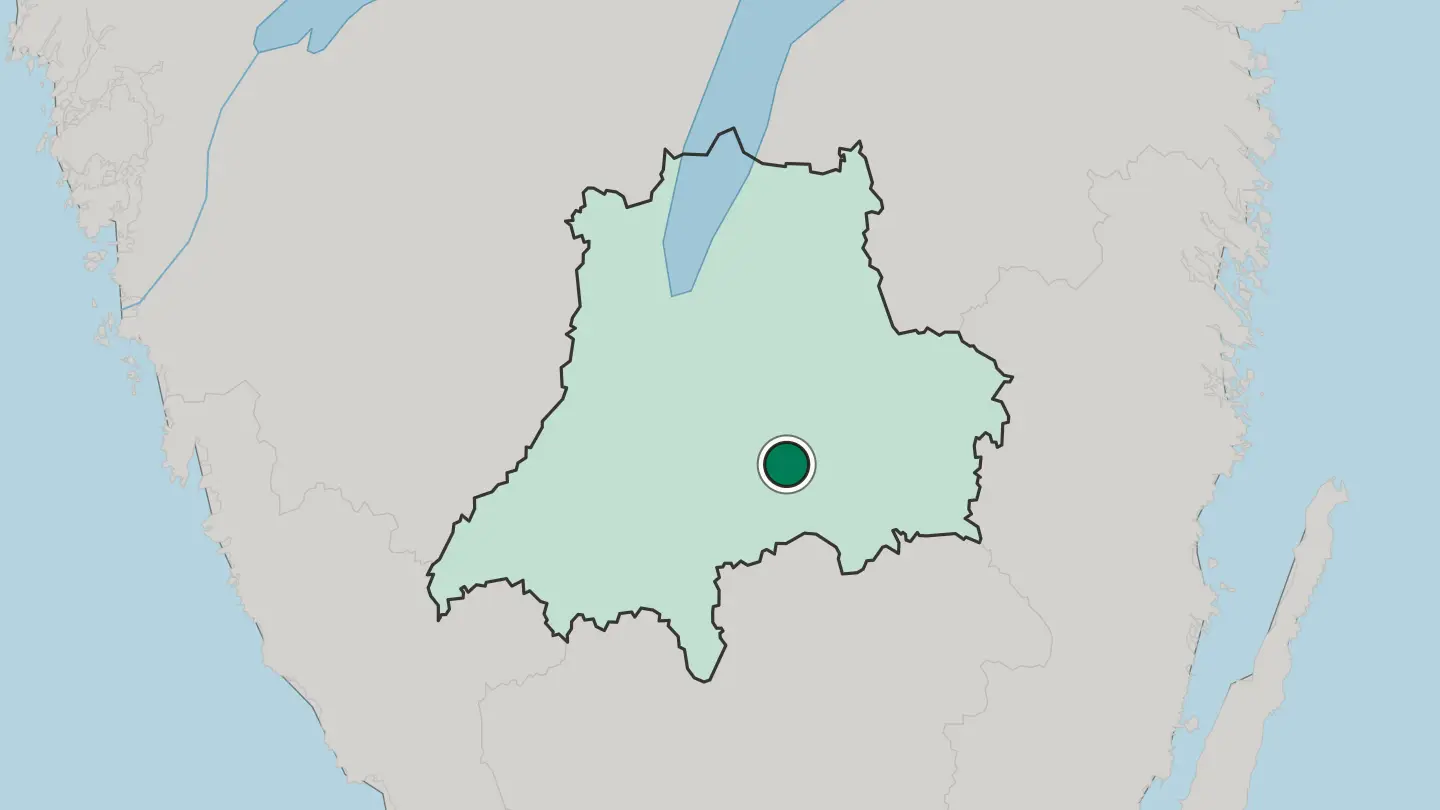 Sweden
Vaggeryd
Vaggeryd is a small town in the Småland uplands of Jönköping County, paired with neighbouring Skillingaryd as seat of its municipality.Where to stay →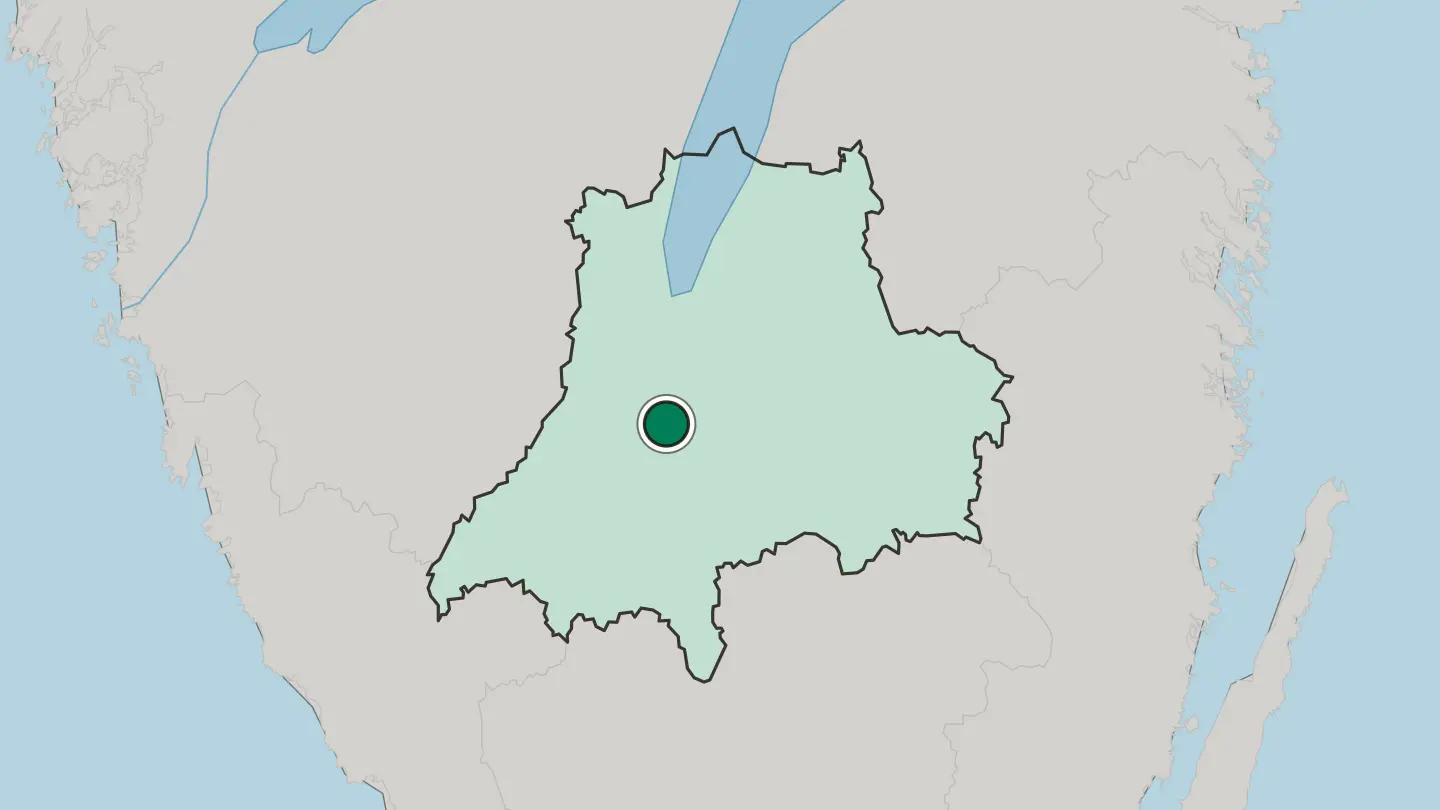
 Sweden
Gnosjö
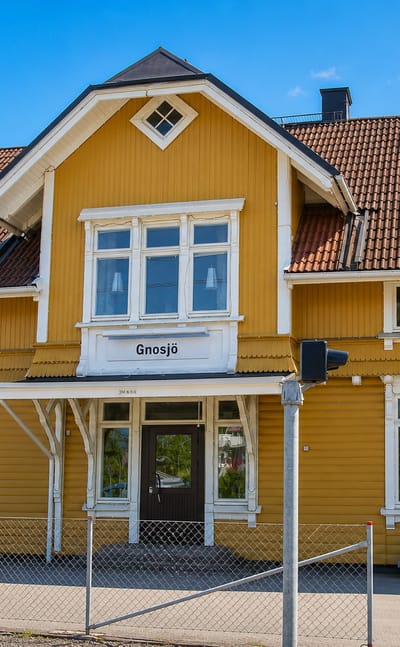
Gnosjö is a small industrial town in the south-western part of Jönköping County, in the forests of western Småland in southern Sweden.Where to stay →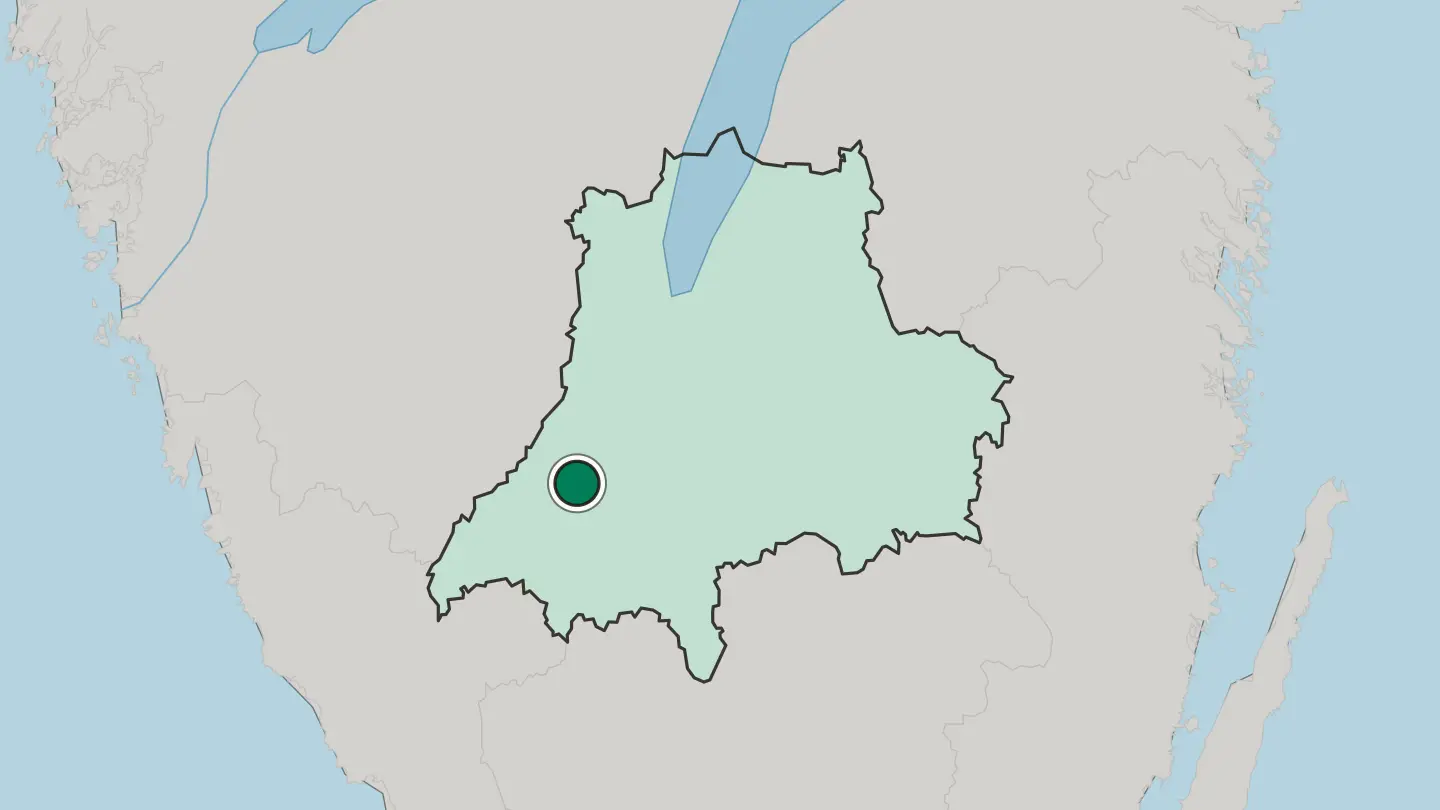
 Sweden
Aneby
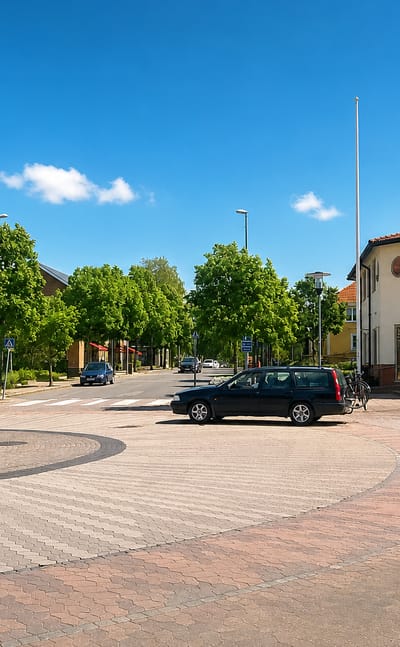
Aneby is a small town in the eastern part of Jönköping County, in the lake-and-forest country of southern Sweden's Småland.Where to stay →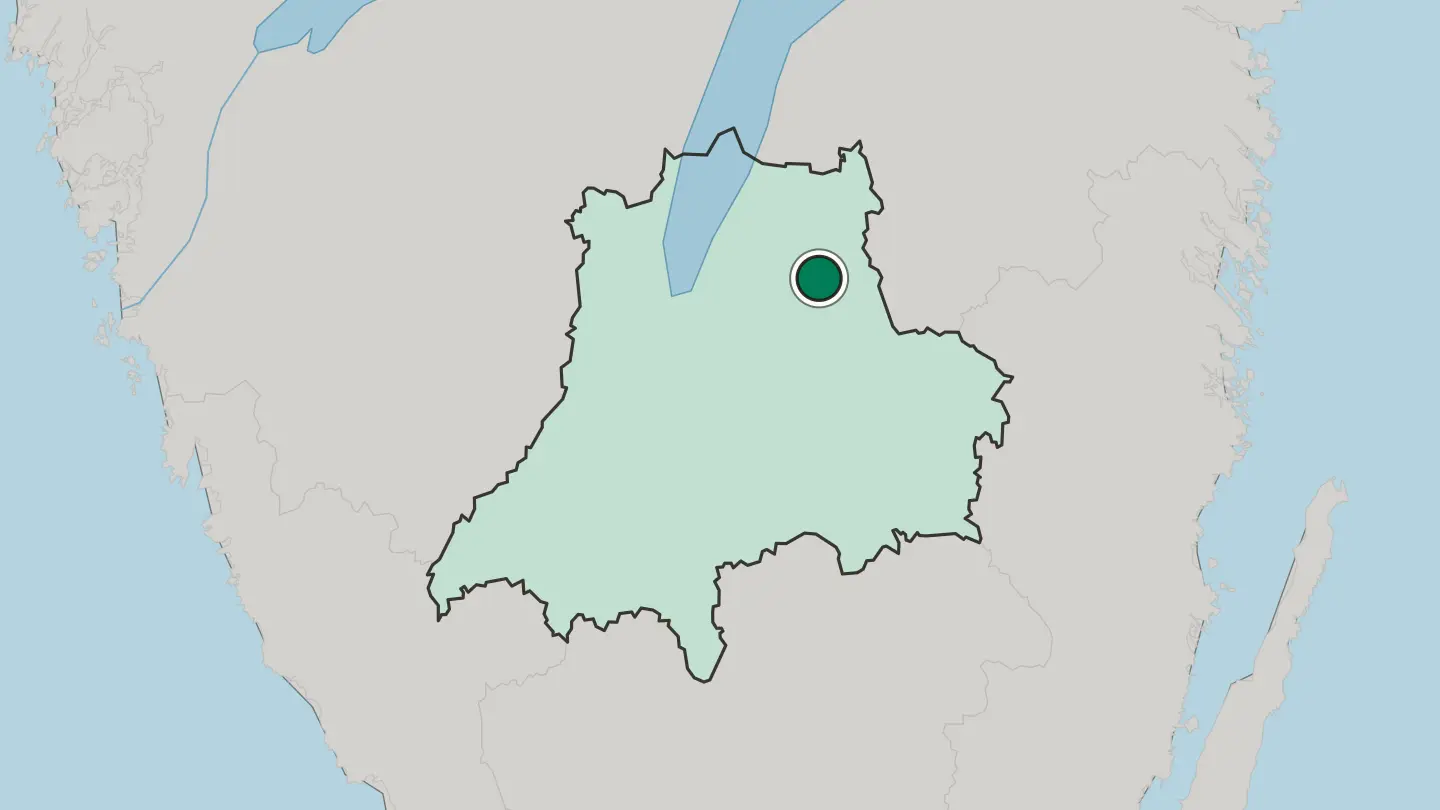
Hotel links are affiliate links: booking through them may earn us a commission, at no extra cost to you. It never affects how places are ranked. How this works
About Jönköping County
Lakes and forests define this county.
What is Jönköping County known for?
Jönköping sits at the southern tip of Vättern, the long deep lake that gives the city its setting. The county built much of the country's match industry. A museum in the capital tells that story, and to the east Gränna is famous for its striped polkagris peppermint rock and for the ferry across to the island of Visingsö.
Industry, water, and the highlands shape its character.
Where is Jönköping County?
Jönköping County lies on the South Swedish highlands. The land is high, wooded, and broken by countless lakes, the watershed roof of southern Sweden from which rivers run off in several directions toward distant coasts. Lake Vättern fills the north-eastern edge, a long deep trough of clear cold water with the capital at its southern end and the cliffs of the eastern shore rising near Gränna.
The county sits inland, far from any sea. To the north it borders Östergötland and Västra Götaland; to the east, Kalmar; to the south, Kronoberg; and to the west, Halland and the highlands. Most of the province of Småland's western half falls within its bounds, a country of deep forest and bog scattered with glacial boulders and small farms cleared between the trees.
Visingsö, the largest island in Vättern, lies off Gränna. Forest, lake, and low ridge repeat across the whole interior of the highlands without much change from one valley to the next. Height and water set the pattern.
What is Jönköping County like?
The county belongs to Småland. That province carries a reputation for thrift, hard work, and small-scale industry born of stony, demanding soil, and the trait still colours the self-image of the region. A strong free-church tradition took root here in the nineteenth century, and the chapels and prayer houses of the revival movements remain a part of the cultural landscape.
Emigration marked the county too, as thousands of Smålanders left for America from these forests and farms. Jönköping carries the industrial heritage. The safety match was perfected and manufactured in the city, and the match museum keeps that history alive alongside theatres and galleries.
Folk craft survives across the countryside, with markets, fiddle music, and the candy-making tradition of Gränna, where polkagris sticks have been pulled by hand for generations. Outdoor life ties the culture together. Fishing, hiking, and lake bathing fill the warm months.
Småland thrift, the free-church past, and a craft and industry heritage together give Jönköping County a quiet, distinctive character.
What is the history of Jönköping County?
Jönköping is an old town. It won royal town privileges in 1284 and guarded a strategic crossing point at the foot of Vättern, where the roads of southern Sweden met. The county in its present form dates from 1687.
Visingsö, the island in the lake, held a medieval castle and was for a time the seat of a powerful noble county. The match industry made the capital prosperous in the nineteenth century, while forestry and small manufacturing carried the wider region into modern times.
What is the climate of Jönköping County?
The county has a cool, damp inland climate. Its height on the southern highlands makes winters colder and snowier than the surrounding lowlands, with a cover that often lasts for weeks at a time across the interior. Highland summers are gentle.
The warm weeks bring long light that draws people to the lakes and the forest trails. Lake Vättern moderates the shore near the capital. Rain falls throughout the year, fed by the highlands, and autumn turns the great forests to colour before the first frosts settle in.
How do you get to Jönköping County?
Jönköping sits near the heart of southern Sweden, well served by road. The motorways linking Stockholm, Göteborg, and Malmö all pass close by, making the city a natural crossroads for drivers heading in any direction. Rail reaches the county through Nässjö, a major junction on the southern main line, with connecting trains on to the capital.
Jönköping Airport handles a few flights. Regional buses link the towns and the lakefront. Road is best.
Common questions
What is the best area to stay in Jönköping County?
Jönköping: first-time visitors and stays on Vättern. Gränna and Visingsö: lake views and short crossings. Inland towns and forest: anglers and tourers.
Good for
More regions in Sweden
Updated September 2026