Sweden · Jönköping County
Where to Stay in Habo, Jönköping County
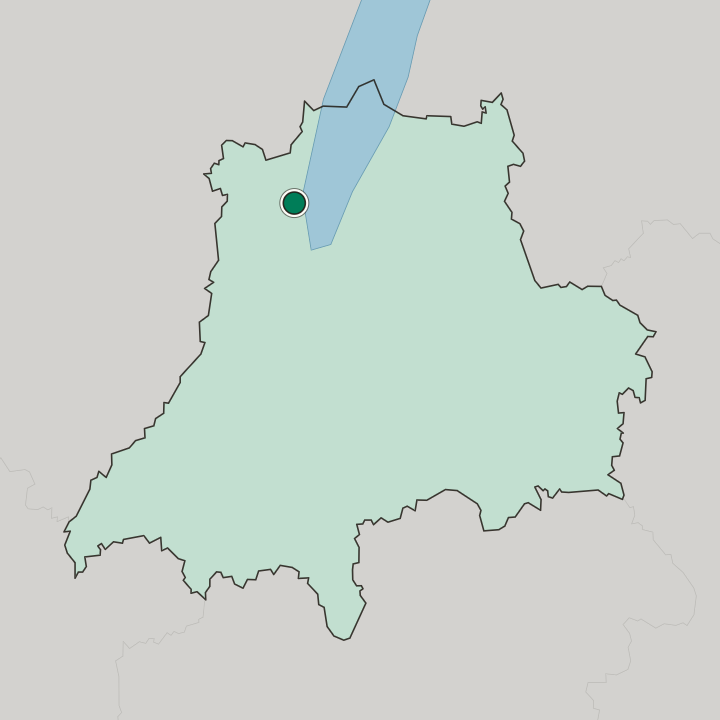
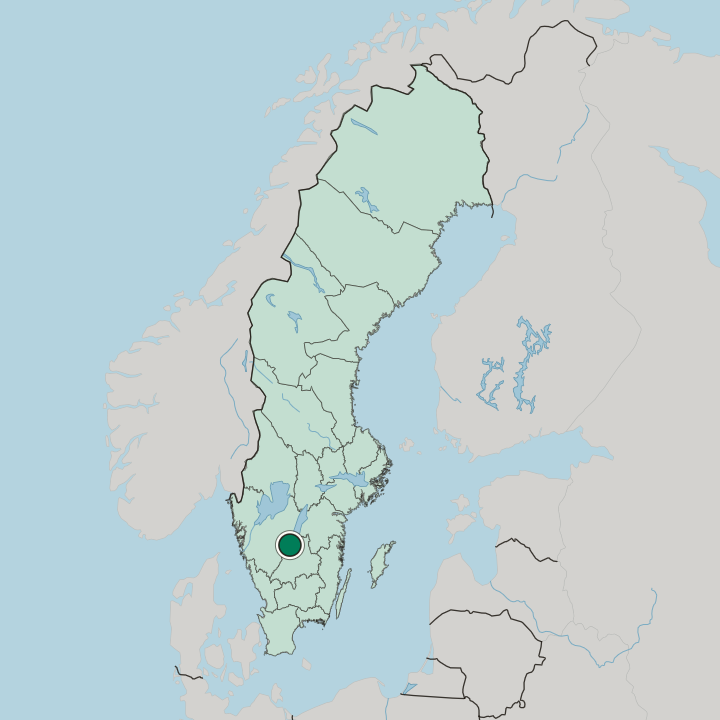
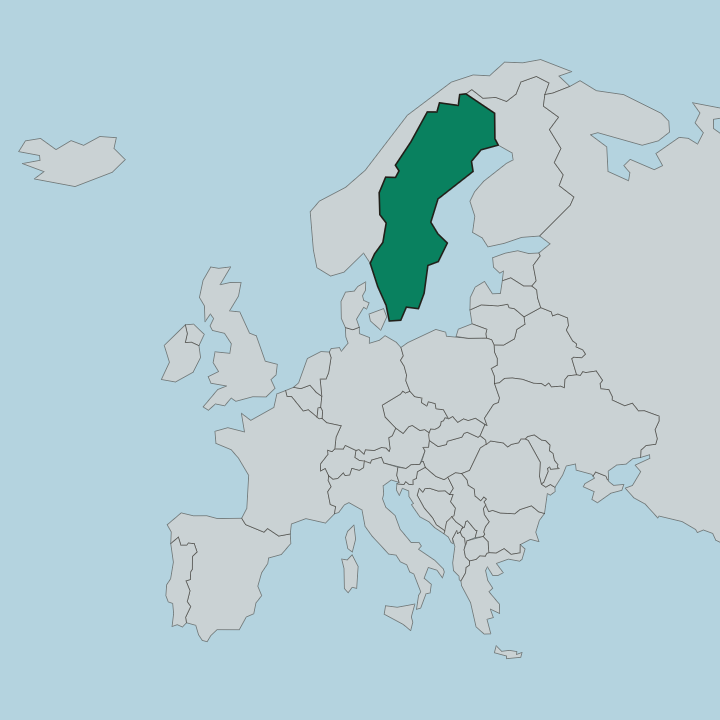
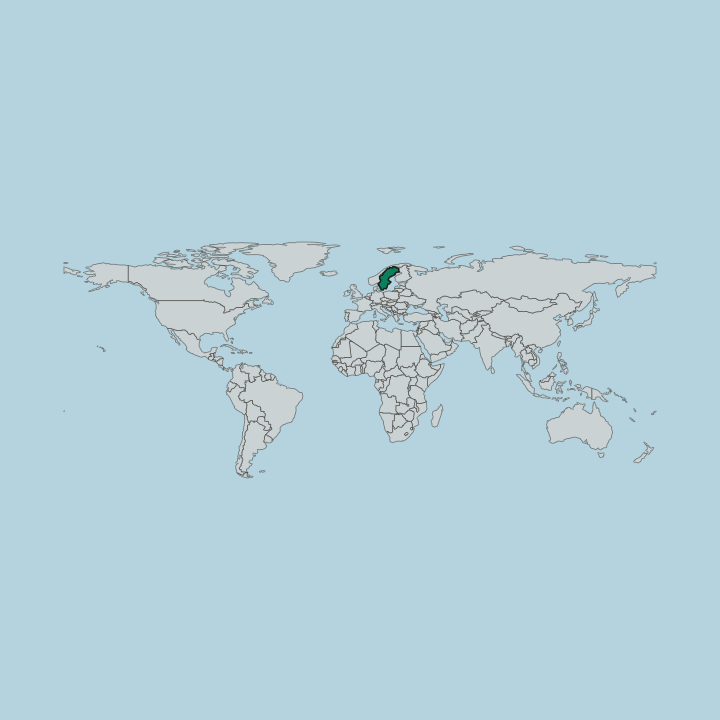
Habo is a small town in the northern part of Jönköping County, in southern Sweden, set on the western shore of Lake Vättern.
Hotel links are affiliate links: booking through them may earn us a commission, at no extra cost to you. It never affects how places are ranked. How this works


Where to stay in Habo
Where visitors usually base themselves, and why.
Most visitors base themselves in the town centre, the compact core where the shops, services, and the station sit close together within an easy walk. It suits travellers who want a simple base. Lodging here tends toward small guesthouses and rooms rather than large hotels, which keeps the place calm and local in feel for anyone passing through on the way around the lake.
The lakeside edge toward Vättern is the other option, east of the centre, where the land opens to the water and the shore draws walkers and cyclists in the warmer months. Cyclists on the Vättern route stop here. The setting works well for visitors who want the lake at hand and a quiet stay, while still keeping the famous church and the road south to Jönköping within a short drive.
For more rooms and a wider choice, many travellers stay in Jönköping itself and visit Habo as a day trip, since the city sits only a short way down the western shore. Pick the centre for ease. The lakeside rewards a slower pace.
Find hotels in Habo
Direct booking searches for these neighbourhoods.
Town centre
shops, services and Habo kyrka close together. Few places to stay nearby — book ahead.Find hotels in Town centrequiet and scenic staysVättern lakeside
open shore for walking and cycling along the lake. Beds are limited here, so book early.Find hotels in Vättern lakesidemore rooms and choice by Habo kyrkaJönköping nearby
a larger city a short drive south with Habo as a day tripFind hotels in Jönköping nearbyHotel links are affiliate links: booking through them may earn us a commission, at no extra cost to you. It never affects how places are ranked. How this works
About Habo
One building defines the town.
What is Habo known for?
Habo kyrka, the great wooden church a few kilometres south-west of the centre, is famous across Sweden for its painted interior, and it draws visitors who come specifically to see the timber walls and ceiling covered in biblical scenes. The church is the draw. Beyond it, Habo is known as a quiet commuter and lake town near Jönköping, with the broad water of Vättern shaping life on its eastern edge.
What are the main landmarks in Habo?
Habo kyrka stands above the rest. The eighteenth-century wooden church, set a short way south-west of the town, is one of the finest painted timber churches in the country, its walls and ceiling filled with biblical scenes that pull visitors from far beyond the parish. The painted interior is the prize.
Around the town, the shore of Lake Vättern offers the other landscape draw, with open water and quiet walking paths that frame the eastern side of the municipality.
What is the history of Habo?
Habo grew as old parish country. For centuries the people here farmed the land between the forest and the western shore of Lake Vättern, gathering around the parish church that gave the scattered settlement its centre and its name long before any town took shape. The church anchored that life.
Its painted wooden interior, raised in the eighteenth century, remains the clearest mark of how much the parish invested in its place of worship. The modern town is younger, drawing its growth from the railway age and from the steady pull of nearby Jönköping at the foot of the lake. As roads and rail tied the area to the city, Habo shifted from a purely farming parish into a residential and commuter town, while keeping the church and the lakeshore as the threads that link its present to its deeper past.
Farms gave way to houses. The municipality now balances that quiet residential character against the visitors who still come, year after year, to stand inside the great painted church that first made the parish known.
Where is Habo?
Habo lies in the northern part of Jönköping County, in southern Sweden. The town sits inland of the western shore of Lake Vättern, the long lake that stretches north and forms the eastern boundary of the municipality, while wooded hills and farmland spread to the west. The land rises gently from the water.
North of the town the highland country of Småland rolls on, and the city of Jönköping lies a short way south at the lake's foot, giving Habo its place between forest, field, and the broad lake.
What is the climate of Habo?
Habo carries the cool inland climate of the Vättern shore. Winters are cold and often snowy, with frost settling over the forest and the shore, though the great mass of Lake Vättern softens the sharpest swings of temperature near the water. Summers stay mild and green by the lake.
The long days then draw walkers and cyclists out along the lake and through the surrounding farmland before the cold returns. Spring and autumn are short, changeable seasons between the two.
How do you get to Habo?
Habo is easy to reach from Jönköping. Trains and buses run the short distance up the western side of Lake Vättern, and the road link makes the city's airport and rail hub simple to use as the main gateway for visitors. Drivers come up the lake road from the south.
The town's own station handles regional services on the line through the area. Most travellers route through Jönköping first, then cover the last stretch north to reach the town and its painted church.
Common questions
What is the best area to stay in Habo?
Town centre: a simple, walkable base. Vättern lakeside: quiet and scenic stays. Jönköping nearby: more rooms and choice by Habo kyrka.
Good for
More cities in Jönköping County
Updated September 2026