Sweden · Jönköping County
Where to Stay in Gislaved, Jönköping County
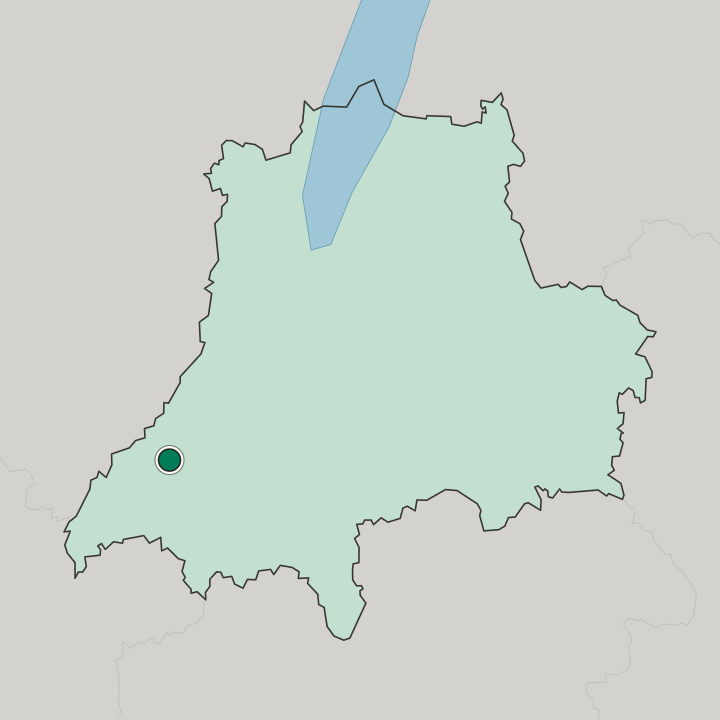
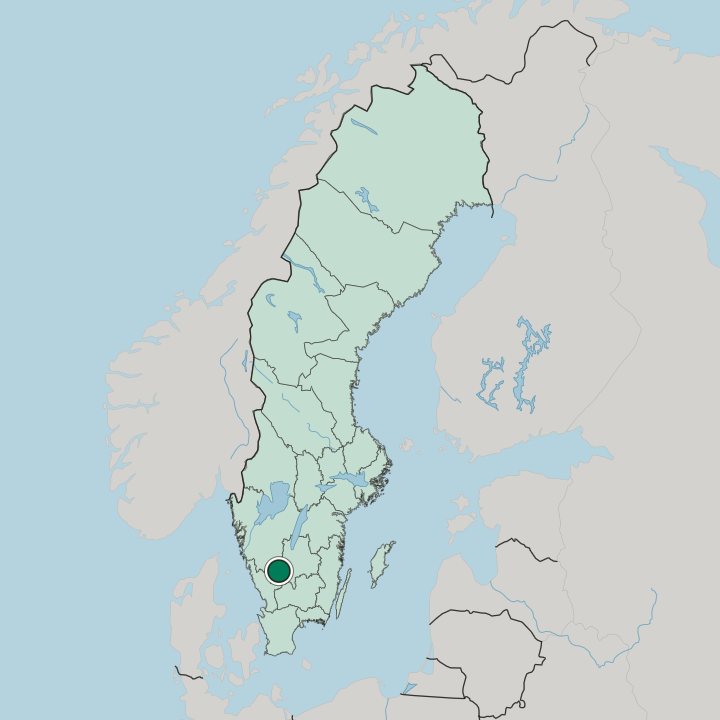
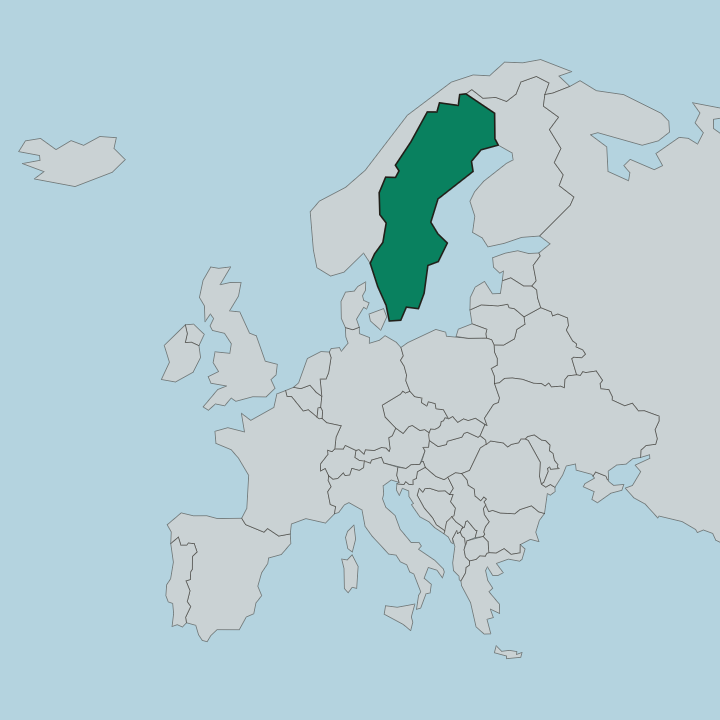
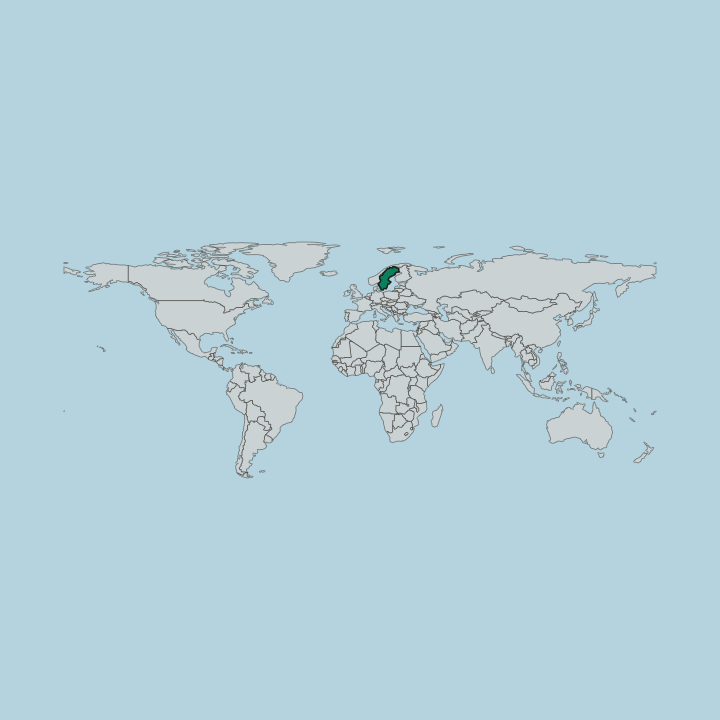
Gislaved is an industrial town in the south-western part of Jönköping County, in the forests of western Småland in south-western Sweden.
Hotel links are affiliate links: booking through them may earn us a commission, at no extra cost to you. It never affects how places are ranked. How this works


Where to stay in Gislaved
Where the beds are, and what that means for the visit.
Most visitors stay in the town centre, the compact grid of streets near the church and the river where the shops and everyday services sit within an easy walk. It suits anyone who wants a practical base with restaurants and the bus stand close at hand. Town beds are modest in number, so book ahead in busy weeks.
The centre keeps things simple. Around Gyllenfors and the older mill district by the Nissan, you can stay close to the water and the green spaces that thread through town, a quiet base within a short walk of the centre. Out toward the surrounding lakes and forest, country guesthouses and self-catering stugor put walkers, anglers, and families among the woods of western Småland, well placed for slow days on quiet roads a short drive away.
Stay central for convenience. Head to the forest for stillness.
Find hotels in Gislaved
Direct booking searches for these neighbourhoods.
Town centre
shops, restaurants and bus stand within an easy walk. Few places to stay nearby — book ahead.Find hotels in Town centrequieter riverside staysGyllenfors
green spaces by the Nissan a short walk from the centreFind hotels in Gyllenforswalkers and anglersLakes and forest
guesthouses and stugor among the woods of western SmålandFind hotels in Lakes and forestHotel links are affiliate links: booking through them may earn us a commission, at no extra cost to you. It never affects how places are ranked. How this works
About Gislaved
What is Gislaved known for?
Gislaved is known as a town built on rubber and manufacturing. Its name once travelled the world on car tyres, and the factories that grew along the Nissan river made it one of the workshop towns at the heart of Småland's famous small-industry belt. The Gislaveds konsthall brings contemporary art to the centre.
Industry shaped the place. Forest and water surround it still.
What are the main landmarks in Gislaved?
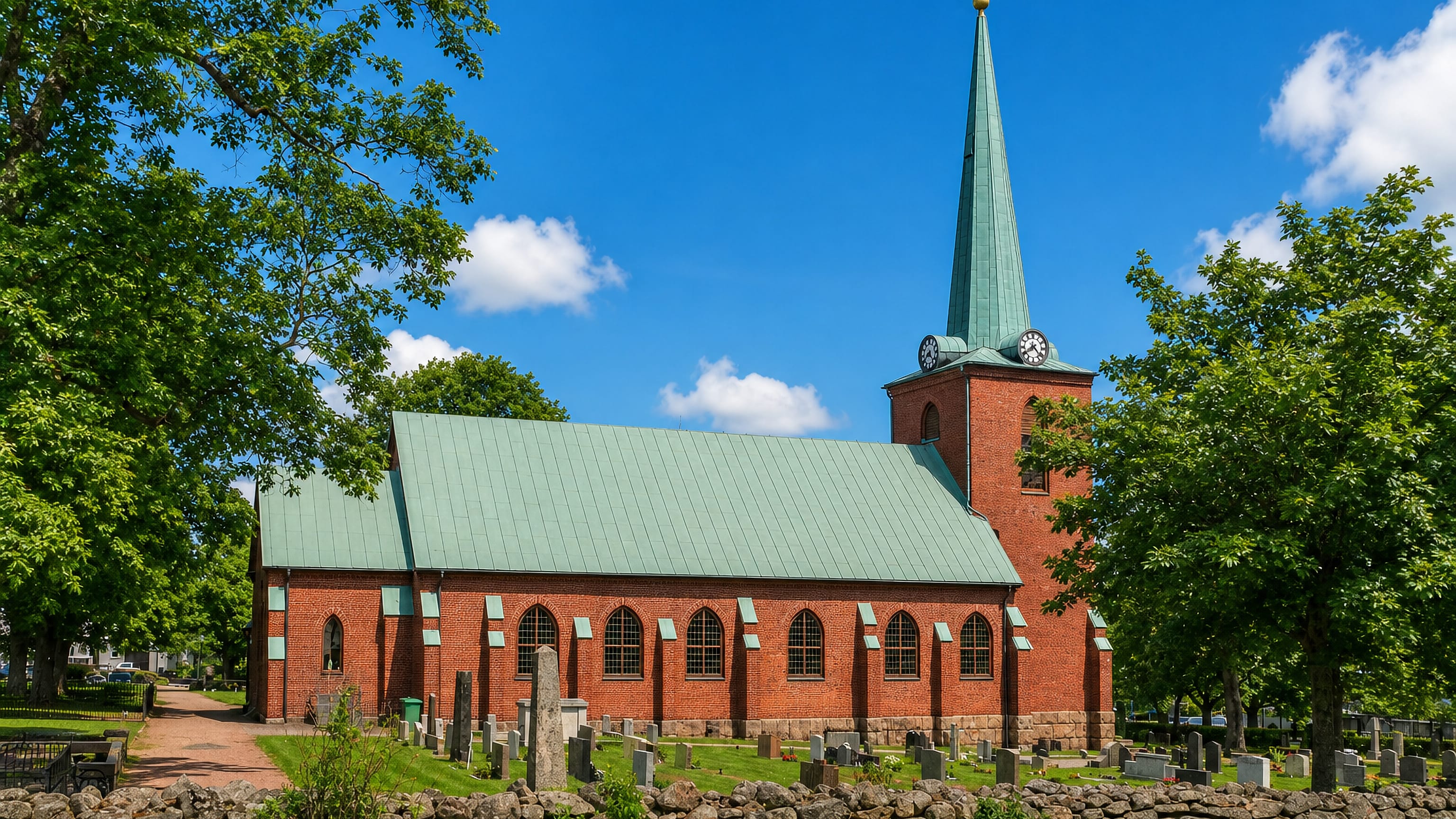
Gislaveds kyrka stands near the centre of town, a steady marker above the river streets. The small Gyllenfors kapell sits in the old mill district, a reminder of the community that once gathered around the works. For art lovers, the Gislaveds konsthall mounts changing exhibitions that draw visitors from across the district.
The Nissan itself runs green through the town. Its banks make an easy riverside walk.
What is the history of Gislaved?
Gislaved grew from a forest parish into an industrial town. For long centuries it was farming country, a scatter of homesteads and a parish church among the lakes and woods of western Småland, with the Nissan turning the wheels of small mills along its course. Water powered the early works.
The decisive change came when a rubber factory took root here, growing into a major manufacturer whose tyres and goods carried the name of the town far beyond Sweden. Industry pulled people in. Around the works rose homes, shops, and the institutions of a modern community, and the village swelled into a busy manufacturing town gathering the trade of the surrounding parishes.
The factories rose and changed hands over the decades. Through booms and slumps alike, Gislaved kept its working character, the administrative and industrial heart of its municipality in the south-western corner of Jönköping County.
Where is Gislaved?
Gislaved lies in the south-western part of Jönköping County, on the forested highland of western Småland in south-western Sweden. The town straddles the Nissan, the river that runs south through the region toward the coast at Halmstad, with low wooded ridges and lakes spread out around it. Forest dominates the landscape.
The river is its central thread. Quiet roads link a scatter of small communities across the wider district.
What is the climate of Gislaved?
Gislaved has a humid continental climate softened a little by mild air drifting in from the west. Winters are cold and often snowy on the highland, though milder spells from the Atlantic can turn the snow to rain before it settles for good. Summers stay mild and green on the highland.
Rain falls freely through the year. Autumn brings colour and damp to the forests before the first frosts harden the ground.
How do you get to Gislaved?
Gislaved has no passenger railway of its own, so most travellers arrive by road or by bus along the Nissan valley toward Jönköping and the coast. Regional coaches connect the town to the rail hubs at Värnamo and beyond, where services join the wider network of southern Sweden. The main road follows the river south.
Drivers reach it easily. The valley route runs on to Halmstad.
Common questions
What is the best area to stay in Gislaved?
Town centre: first-timers. Gyllenfors: quieter riverside stays. Lakes and forest: walkers and anglers.
Good for
More cities in Jönköping County
Updated September 2026