Sweden · Jönköping County
Where to Stay in Jönköping, Jönköping County
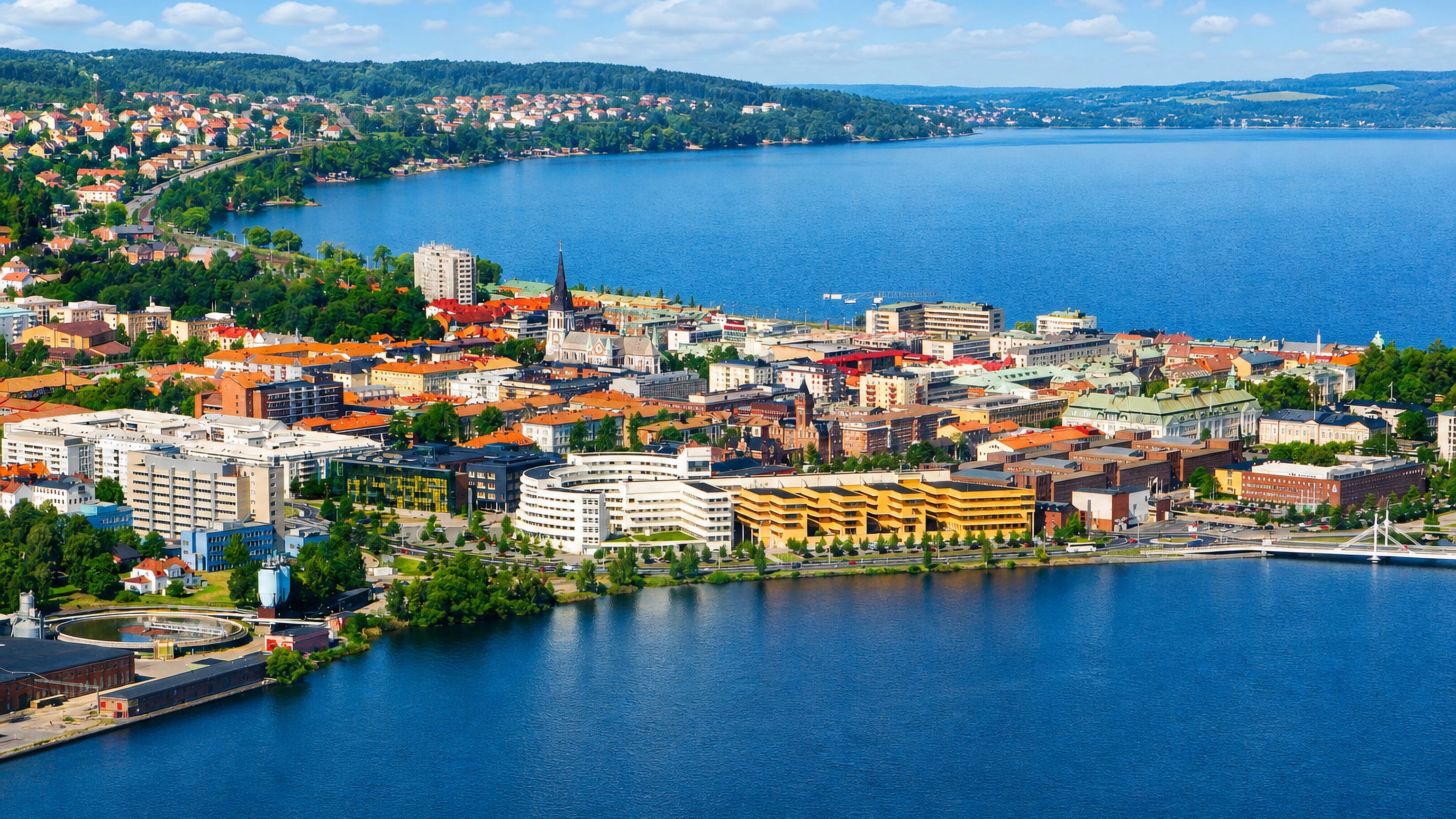
Jönköping is a city at the southern tip of Lake Vättern, the seat of Jönköping County in southern Sweden.
Hotel links are affiliate links: booking through them may earn us a commission, at no extra cost to you. It never affects how places are ranked. How this works


Where to stay in Jönköping
Where the beds are, and what that means for the visit.
Most visitors stay in the city centre, the walkable core between the lakefront and the canal that links the museums, shops, and the central station within easy reach on foot. It suits first-time arrivals by train. Hotels here range from larger chains near the station to smaller places along the older streets, putting the match district and the waterfront a short walk away.
The lakefront stretch along Vättern is the other strong choice, where lodging looks north over the open water and the long promenade draws walkers in summer. This setting works well for travellers who want the lake at the door and a calm base, while still keeping the city's shops and the Match Museum within a short walk of the rooms. Conference guests fill it during the Elmia fairs.
For lower rates and more space, the outer districts and the neighbouring town of Huskvarna stay practical for drivers, with quick road access along the lake and toward the highland country beyond. Start with the central core. The lakefront rewards a longer stay.
Find hotels in Jönköping
Direct booking searches for these neighbourhoods.
City centre
shops, museums and the central station within a short walkFind hotels in City centrelakeside calm by the waterVättern lakefront
rooms looking over the lake with a long waterfront promenadeFind hotels in Vättern lakefrontdrivers and longer stays out by HuskvarnaOuter districts and Huskvarna
more space and quick road access along the lakeFind hotels in Outer districts and HuskvarnaHotel links are affiliate links: booking through them may earn us a commission, at no extra cost to you. It never affects how places are ranked. How this works
Things to do in Jönköping
Ranked by global recognition; descriptions from Wikidata (CC0).
Museums & Galleries
3- Match museum Heritage museum about matches
- Fågelmuseet
- Munksjö museum working life museum
Churches & Religious Sites
6- Sofia Church Heritage Church of Sweden church building
- Christina Church Heritage
- Ljungarum Church Heritage Church of Sweden church building in Ljungarum
- Järstorp Church Heritage
- Bymarken Church Heritage Church of Sweden church building at Bymarken
Show 1 more →
- Gräshagen Church Heritage Church of Sweden church building at Gräshagen
Stadiums & Sports
3- Husqvarna Garden indoor ice rink in Jönköping
- Elmiahallen indoor soccer venue
- Jönköpings idrottshus sports hall
Parks & Gardens
1- Kabe sommarland summer park
worth knowingacross 4 categories in Jönköping
About Jönköping
What is Jönköping known for?
Matches made the city's name. Jönköping was the centre of the Swedish safety-match industry, and the old factory district now holds the Match Museum, which tells the story of the trade that once shipped from here across the world. The lake defines the rest.
Sitting where Lake Vättern narrows to its southern end, the city is also known as a regional hub for trade, education, and the great Elmia fairs that fill its exhibition halls.
What are the main landmarks in Jönköping?
The match district leads the list. In the old factory quarter near the lake, the Match Museum preserves the works where safety matches were once made, while Christina Church, the city's brick parish church, rises over the central streets nearby. Husqvarna Garden hosts events on the eastern side.
Sofia Church stands among the central blocks, and the Elmiahallen anchors the fairground where the great exhibitions gather. Out toward the water, the long shore of Lake Vättern and the canal that threads the centre give the city its open, lake-edged frame for walking and looking out across the water.
What is the history of Jönköping?
Jönköping is one of Sweden's old chartered towns. It grew at the strategic southern end of Lake Vättern, where the routes through the highland country met the water, and the town received its town privileges in the early thirteenth century, making it among the oldest in the realm. A medieval castle once guarded the narrows.
The site mattered because whoever held it could control movement between the lake and the lands of Småland to the south. The modern city was shaped above all by the match. In the nineteenth century the safety-match industry took root here and grew into a great export trade, drawing workers and building the factory district that the Match Museum now preserves.
Industry reshaped the lakefront. Later the city turned toward trade, learning, and the Elmia exhibition fairs, balancing its deep medieval roots and its industrial past against a present built on services and the steady draw of the great lake at its northern edge.
Where is Jönköping?
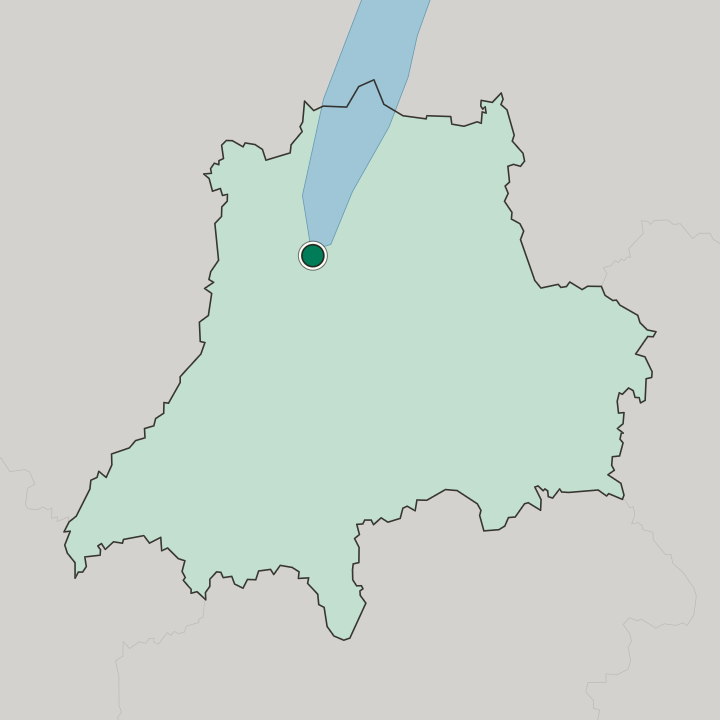
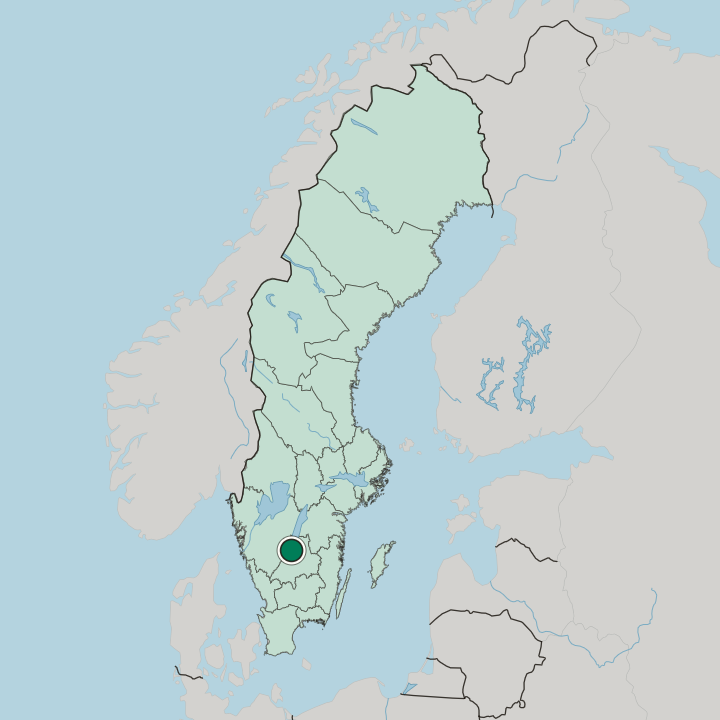
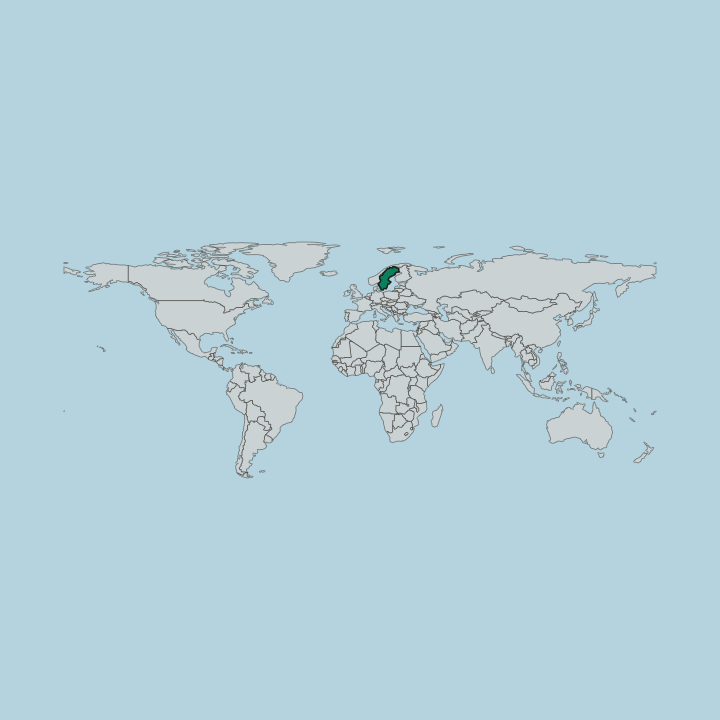
Jönköping lies at the southern tip of Lake Vättern, in southern Sweden. The city wraps around the narrow foot of the lake, with the highland plateau of Småland rising to the south and the long lake stretching away to the north between its wooded shores. Hills frame the city on both sides.
The neighbouring town of Huskvarna runs along the eastern shore, and together the two form a built-up strip squeezed between the steep highland edge and the broad open water of Vättern.
What is the climate of Jönköping?
Jönköping has a cool temperate climate. Winters are cold and can bring snow to the highland country around the city, though the great body of Lake Vättern moderates the air along its shore and keeps the worst frosts off the waterfront. Summers stay mild and long.
The bright days then fill the lakefront promenade and the surrounding hills with walkers, cyclists, and boats out on the water. Spring and autumn are brief, shifting seasons between.
How do you get to Jönköping?
Jönköping is a well-connected regional hub. Trains and long-distance buses serve the central station near the lakefront, major roads cross here on the way between the south and the central regions, and the city's own airport handles regional and seasonal flights. Drivers reach it easily from several directions.
The station sits within walking distance of the centre and the lake. Many travellers arrive by road along Vättern or by rail on the lines that meet in the city.
Common questions
What is the best area to stay in Jönköping?
City centre: arrivals at the station. Vättern lakefront: lakeside calm by the water. Outer districts and Huskvarna: drivers and longer stays out by Huskvarna.
Good for
More cities in Jönköping County
Updated October 2026