Sweden · Jönköping County
Where to Stay in Vetlanda, Jönköping County
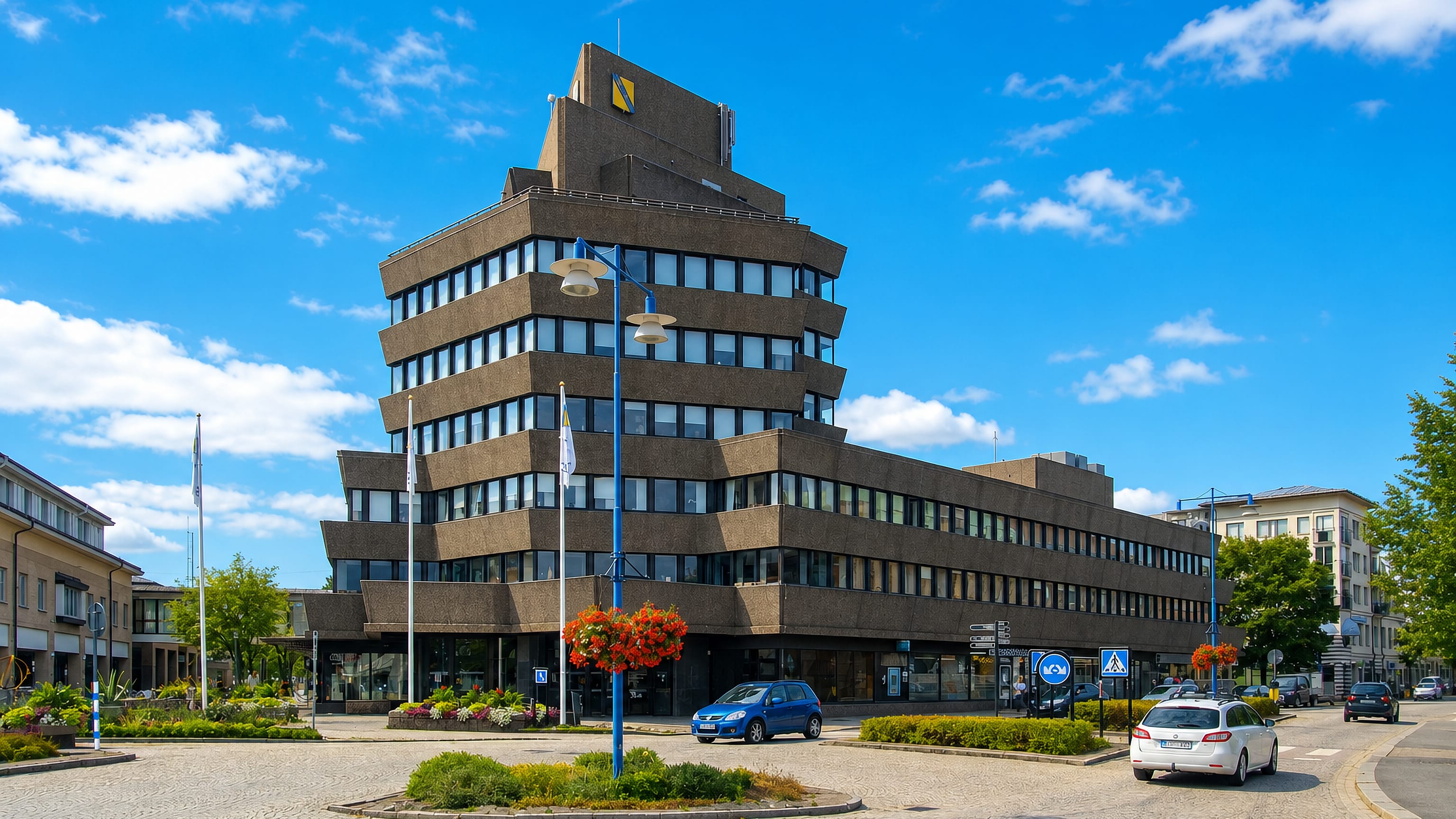
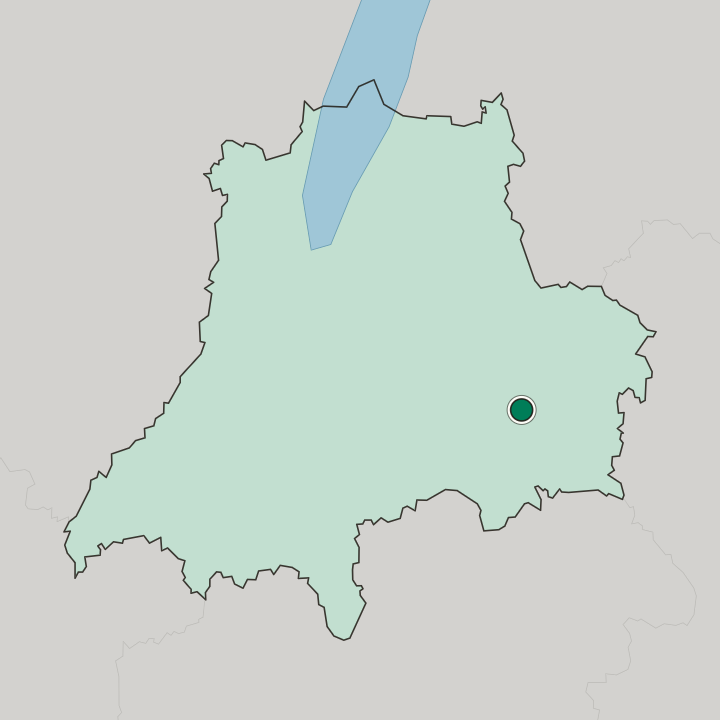
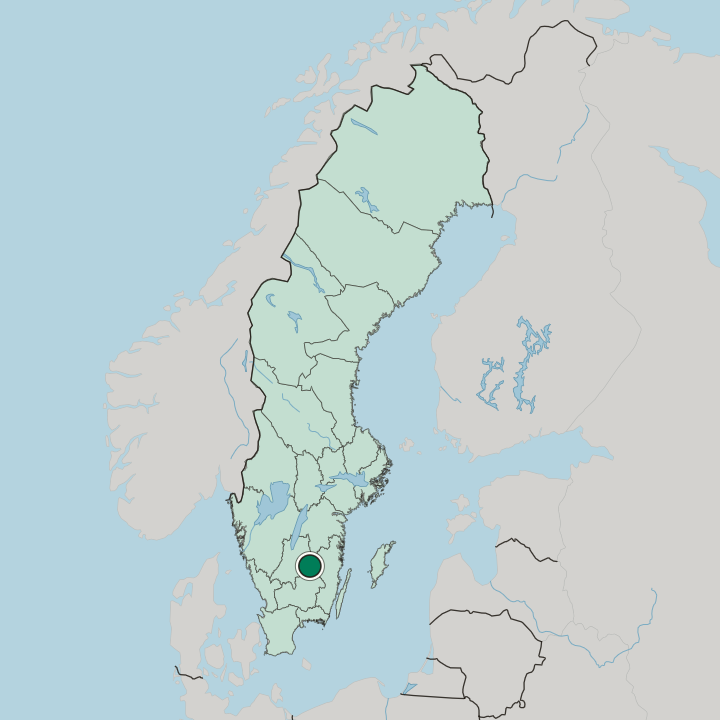
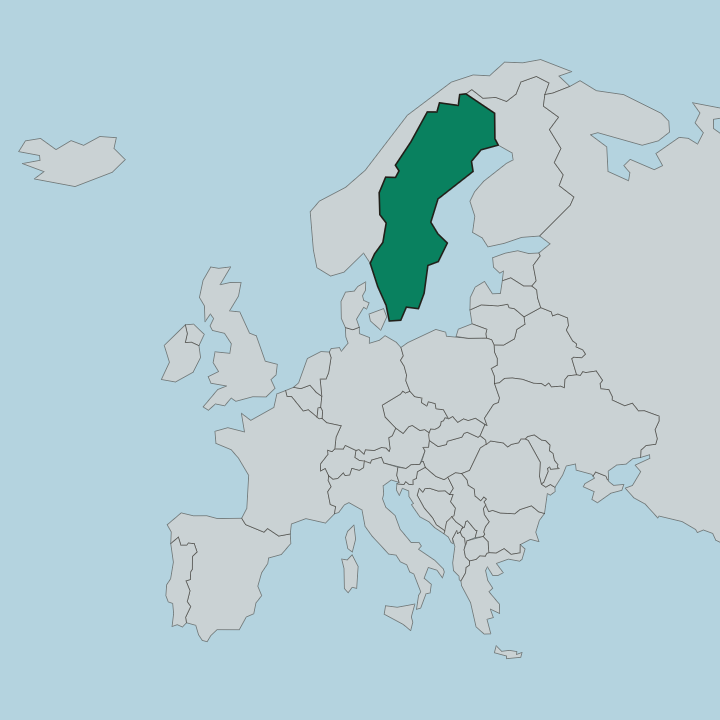
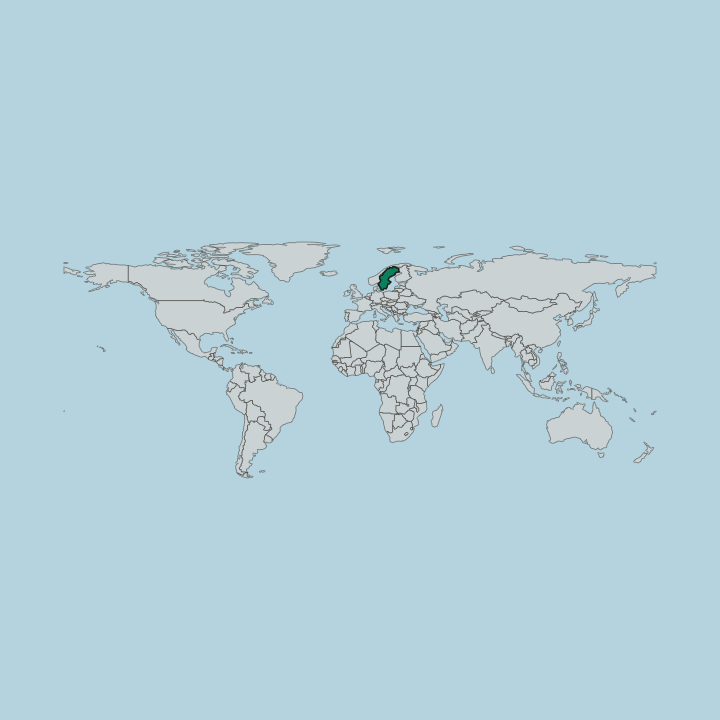
Vetlanda is a town in the south-eastern part of Jönköping County, in the forests of Småland in southern Sweden, and the seat of its municipality.
Hotel links are affiliate links: booking through them may earn us a commission, at no extra cost to you. It never affects how places are ranked. How this works


Where to stay in Vetlanda
How the choice of base plays out on the ground.
Most beds gather in the centre of Vetlanda, the small grid around the church and the square where a few hotels and guesthouses stand within an easy walk of the shops, the museum, and the bus and rail links. It suits travellers who want a practical town base with the local sights and services close at hand. Rooms here are modest and few.
Bäckseda, the older parish just on the edge, keeps its medieval church and adds a quieter setting near the town. Out across the wide forest municipality, farm stays, cabins, and lakeside cottages suit travellers with a car who want woods and water on the doorstep. These lie scattered and far apart.
Choose the centre first for convenience. The country places reward those after deep forest quiet.
Find hotels in Vetlanda
Direct booking searches for these neighbourhoods.
Town centre
hotels near the church, museum and transport links. Beds are limited here, so book early.Find hotels in Town centrethose wanting a quieter edgeBäckseda
old parish church just outside the centre. Beds are limited here, so book early.Find hotels in Bäcksedadrivers seeking woods and lakesForest municipality
scattered farm stays and lakeside cabins. Rooms are few around here — worth securing early.Find hotels in Forest municipalityHotel links are affiliate links: booking through them may earn us a commission, at no extra cost to you. It never affects how places are ranked. How this works
Things to do in Vetlanda
Ranked by global recognition; descriptions from Wikidata (CC0).
Museums & Galleries
3- Mela Kvarn working life museum
- Vetlanda museum art and cultural history museum
- Njudungs hembygdsmuseum
Churches & Religious Sites
2- Vetlanda Church Heritage Church of Sweden church building
- Bäckseda Church Heritage
Stadiums & Sports
1- Tjustkulle IP outdoor bandy rink
worth knowingacross 3 categories in Vetlanda
About Vetlanda
Vetlanda is the market town of a wide forest district.
What is Vetlanda known for?
It gathers the trade and services of a broad rural municipality, the largest by area in its county, drawing the surrounding farms and villages to its shops and its church. Vetlanda kyrka anchors the centre, and the town museum keeps the local story. The older parish church at Bäckseda stands on the edge.
People know it as a quiet base for the Småland woods.
What are the main landmarks in Vetlanda?
Vetlanda kyrka stands at the heart of the town, the parish church whose tower marks the centre and gathers the community across the year for its services and feasts. The town museum, Vetlanda museum, keeps the local story in its rooms, from the forest farms to the railway age. Bäckseda kyrka, an older church just outside, holds a longer medieval past.
The sports ground at Tjustkulle IP draws the town to its matches. Forest trails ring the edge.
What is the history of Vetlanda?
Vetlanda began as a forest parish. The older settlement gathered around the church at Bäckseda, where a medieval stone building served the farms scattered across the thin soils of this corner of Småland, while the modern town grew a little apart around a newer church and a market. Farming and small ironworking sustained the district for centuries.
Trade slowly drew people to the central village. The railway changed the place in the nineteenth century, when a line reached the district and a station fixed the growing town as the market and meeting point for the surrounding parishes. Sawmills, workshops, and a busy market drew workers in from the farms, and Vetlanda took on its role as seat of a wide rural municipality.
Forestry and light industry carry the town still.
Where is Vetlanda?
Vetlanda lies in the south-eastern part of Jönköping County, in the forested heart of Småland in southern Sweden, set among woods and lakes east of Jönköping and north of Växjö. Pine and spruce forest spreads on every side, broken by small lakes, bogs, and pockets of farmland on the thin upland soils that have always shaped this country. The town sits low among gentle ridges. Eksjö lies to the north.
Deep forest fills the wide municipality around it.
What is the climate of Vetlanda?
Vetlanda has a cool inland climate shaped by the Småland forests. Winters are cold and often snowy, with the high wooded ground holding frost and a lasting snow cover through the darkest stretch of the year. Summers stay mild and green across the Småland forests.
Long northern evenings carry the daylight late around midsummer, drawing people out to the lakes and forest trails through the warmest weeks of summer. Rain falls across the seasons, keeping the woods and bogs damp.
How do you get to Vetlanda?
Vetlanda sits at the end of a branch railway off the southern main line, with trains linking the town through Nässjö to the wider network across Sweden. The branch is its main rail connection. Roads thread the forest to Eksjö, Växjö, and the towns around, joining the main routes that cross the region.
Buses run from the central station. The nearest larger airports are at Jönköping and Växjö.
Common questions
What is the best area to stay in Vetlanda?
Town centre: first-timers. Bäckseda: those wanting a quieter edge. Forest municipality: drivers seeking woods and lakes.
Good for
More cities in Jönköping County
Updated October 2026