Sweden · Jönköping County
Where to Stay in Eksjö, Jönköping County
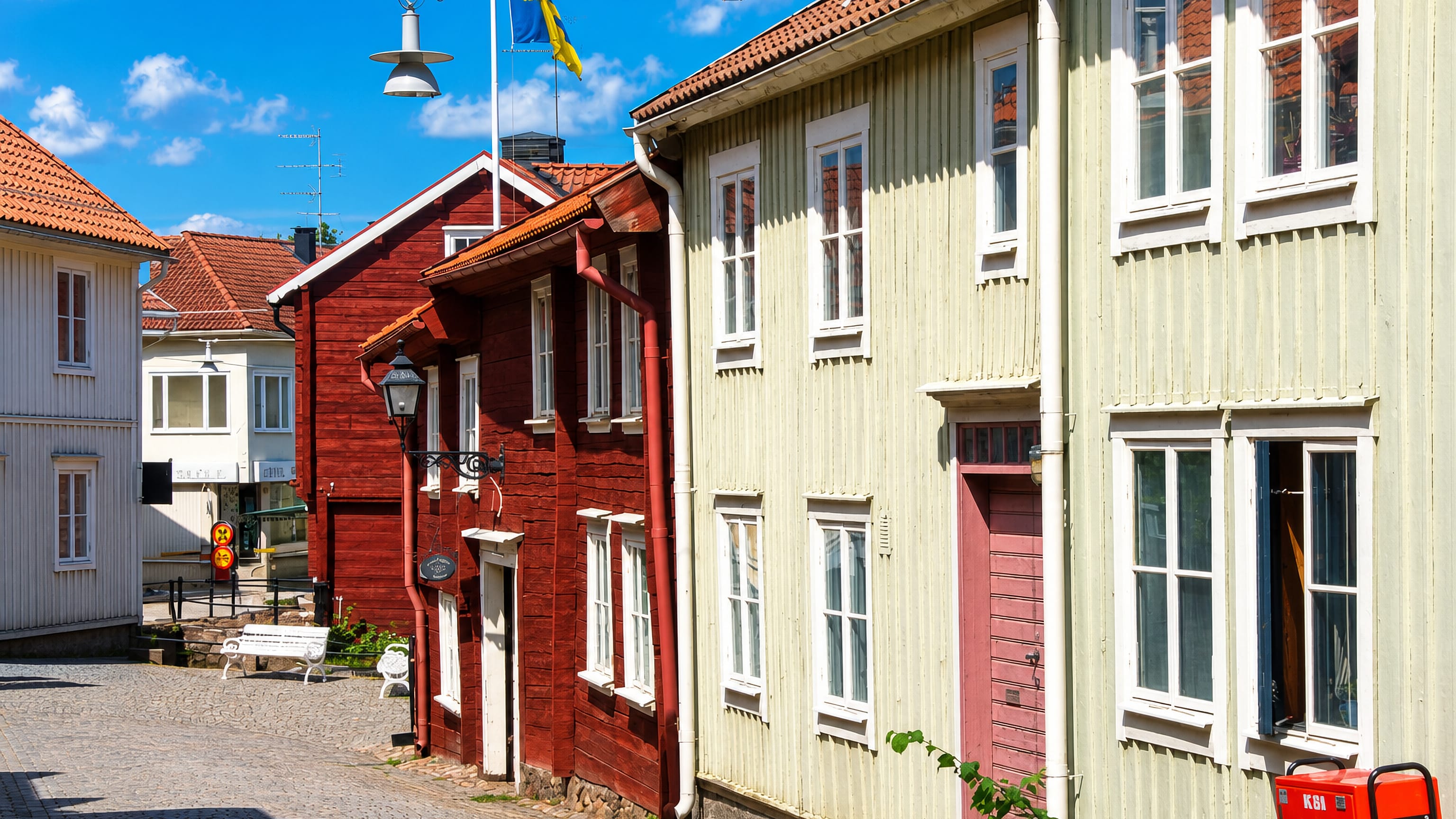
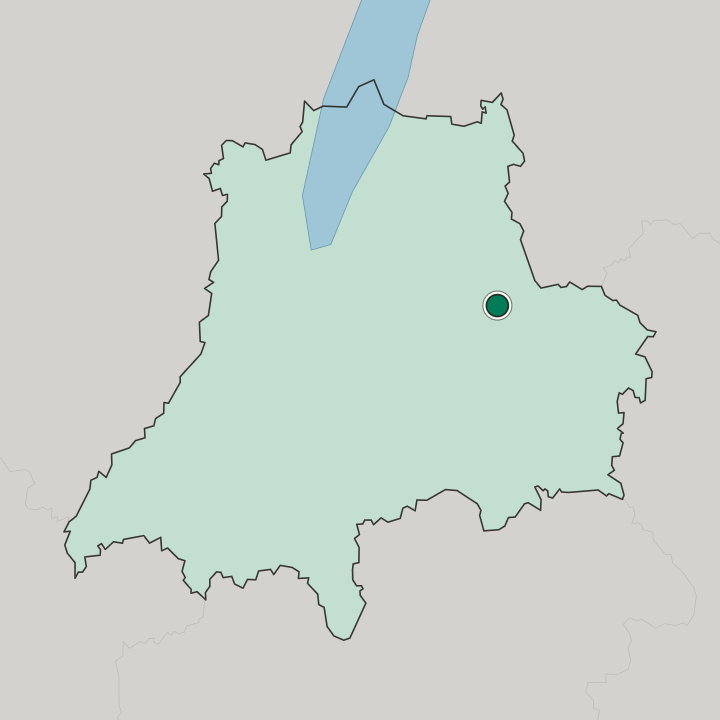
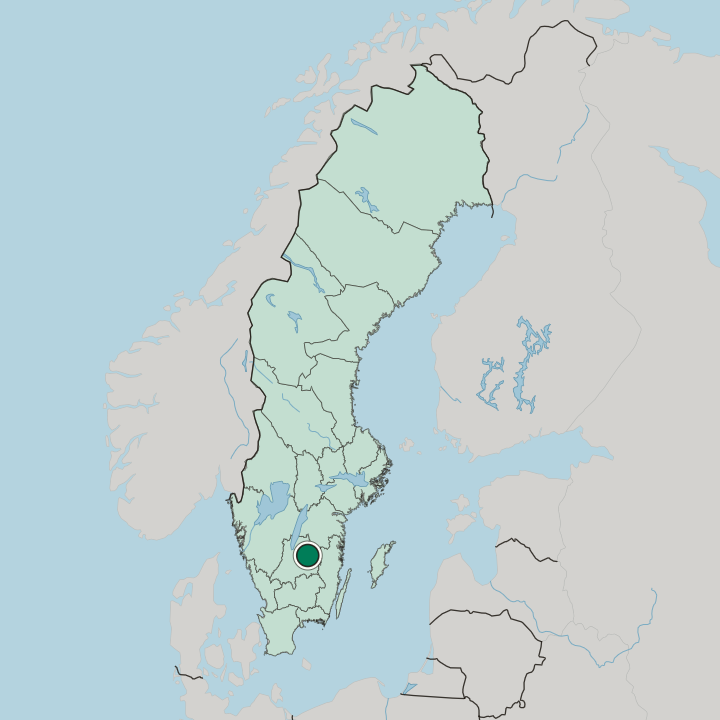
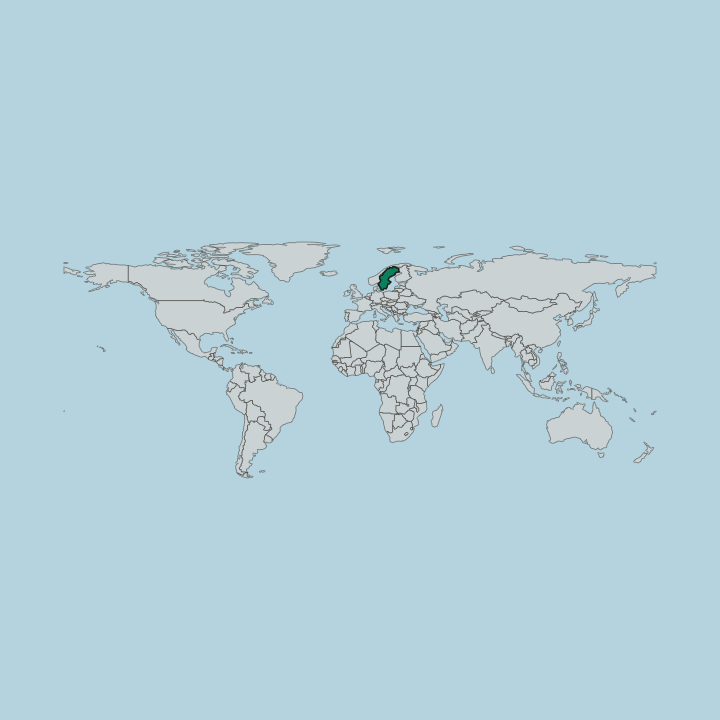
Eksjö is a historic wooden town in the eastern part of Jönköping County, in the forests of Småland in southern Sweden.
Hotel links are affiliate links: booking through them may earn us a commission, at no extra cost to you. It never affects how places are ranked. How this works


Where to stay in Eksjö
Where the beds are, and what that means for the visit.
Most visitors stay in or beside the old town, the protected quarter of timber houses where small hotels and guesthouses occupy buildings centuries old. It suits anyone who wants to step straight from their room into cobbled lanes and the town's living history. Rooms in the heritage core are limited and prized, so book ahead.
The old town rewards an early arrival. Around the main square and the newer centre to the south, you will find more everyday hotels within an easy walk of the historic streets, a practical base with shops and restaurants close at hand. Out toward the surrounding lakes and forest, guesthouses and self-catering stugor put walkers and families among the woods of Småland, well placed for quiet days within a short drive of town.
Choose the old quarter for atmosphere. Pick the lakes for calm and space.
Find hotels in Eksjö
Direct booking searches for these neighbourhoods.
Old town
timber houses and cobbled lanes at your door. Rooms are few around here — worth securing early.Find hotels in Old townfirst-timersMain square and centre
everyday hotels an easy walk from the historic streetsFind hotels in Main square and centrewalkers and familiesLakes and forest
farm stays and stugor among the woods of SmålandFind hotels in Lakes and forestHotel links are affiliate links: booking through them may earn us a commission, at no extra cost to you. It never affects how places are ranked. How this works
Things to do in Eksjö
Ranked by global recognition; descriptions from Wikidata (CC0).
Museums & Galleries
3- Fornminnesgården Heritage working life museum
- Eksjö museum & turistinformation
- Aschanska gården
Churches & Religious Sites
2- Eksjö Church Heritage Church of Sweden church-church building
- Eksjö missionskyrka
Nature & Outdoors
1- Perstorpsgölen
worth knowingacross 3 categories in Eksjö
About Eksjö
What is Eksjö known for?
Eksjö is famous as one of Sweden's best-preserved wooden towns. The old quarter north of the main square survived the fires that levelled so many timber towns, leaving a dense weave of painted houses and cobbled lanes that draws visitors across the country. The town also carries a long military tradition as a garrison seat.
Heritage is its calling card. Craftspeople still work in the old streets.
What are the main landmarks in Eksjö?
The old town is itself the great landmark, a quarter of painted timber houses kept whole through the centuries. Eksjö kyrka rises over the centre, while the smaller Eksjö gamla kyrka recalls the town's earlier parish life and the Eksjö missionskyrka serves a later free-church congregation. Eksjö museum, set in the heritage streets, tells the story of the wooden town and its people.
Nearby lies the still water of Perstorpsgölen. The cobbles do the rest.
What is the history of Eksjö?
Eksjö is one of the oldest towns in Småland, granted its town privileges in the Middle Ages. It sat on the highland road that linked the interior to the coast, and through long centuries it served as a market and meeting place where the forest farms of the region traded what they grew and made. Trade gave it life.
The grid of the lower town was rebuilt after a great fire in the seventeenth century, while the timber quarter to the north escaped the flames and stands to this day. The army shaped the town as much as commerce. Eksjö became a garrison seat, and regiments drilled on the plains outside for generation after generation, leaving barracks, parade grounds, and a strong military identity.
Soldiers came and went. That double inheritance, a merchant town of wooden houses and an enduring military base, still defines the character of Eksjö in the eastern reaches of Jönköping County.
Where is Eksjö?
Eksjö lies in the eastern part of Jönköping County, on the forested highland of northern Småland in southern Sweden. The town sits among low wooded ridges and scattered lakes, on ground that rises gently above the plains to the south and east. Forest presses close on every side.
Small waters glint between the trees. Old roads thread out from the centre toward a ring of quiet farming villages.
What is the climate of Eksjö?
Eksjö has a humid continental climate shaped by its highland position inland in southern Sweden. Winters are cold and frequently snowy, a touch sharper than on the lower coast, and frost lingers in the surrounding forests well into spring. Summers turn mild and green across the highland.
The long light draws people out to the lakes. Autumn comes in colour and rain before the first snows quietly return to the woods.
How do you get to Eksjö?
Eksjö lies on a branch railway that connects through Nässjö, a major junction on the Southern Main Line, so trains reach it with a single easy change from much of southern Sweden. Regional buses tie the town to Jönköping and the surrounding district from the centre. The roads through the forest carry most everyday traffic.
Drivers come on county routes. The line runs on to Nässjö.
Common questions
What is the best area to stay in Eksjö?
Old town: heritage lovers. Main square and centre: first-timers. Lakes and forest: walkers and families.
Good for
More cities in Jönköping County
Updated October 2026