Sweden · Värmland County
Where to Stay in Charlottenberg, Värmland County
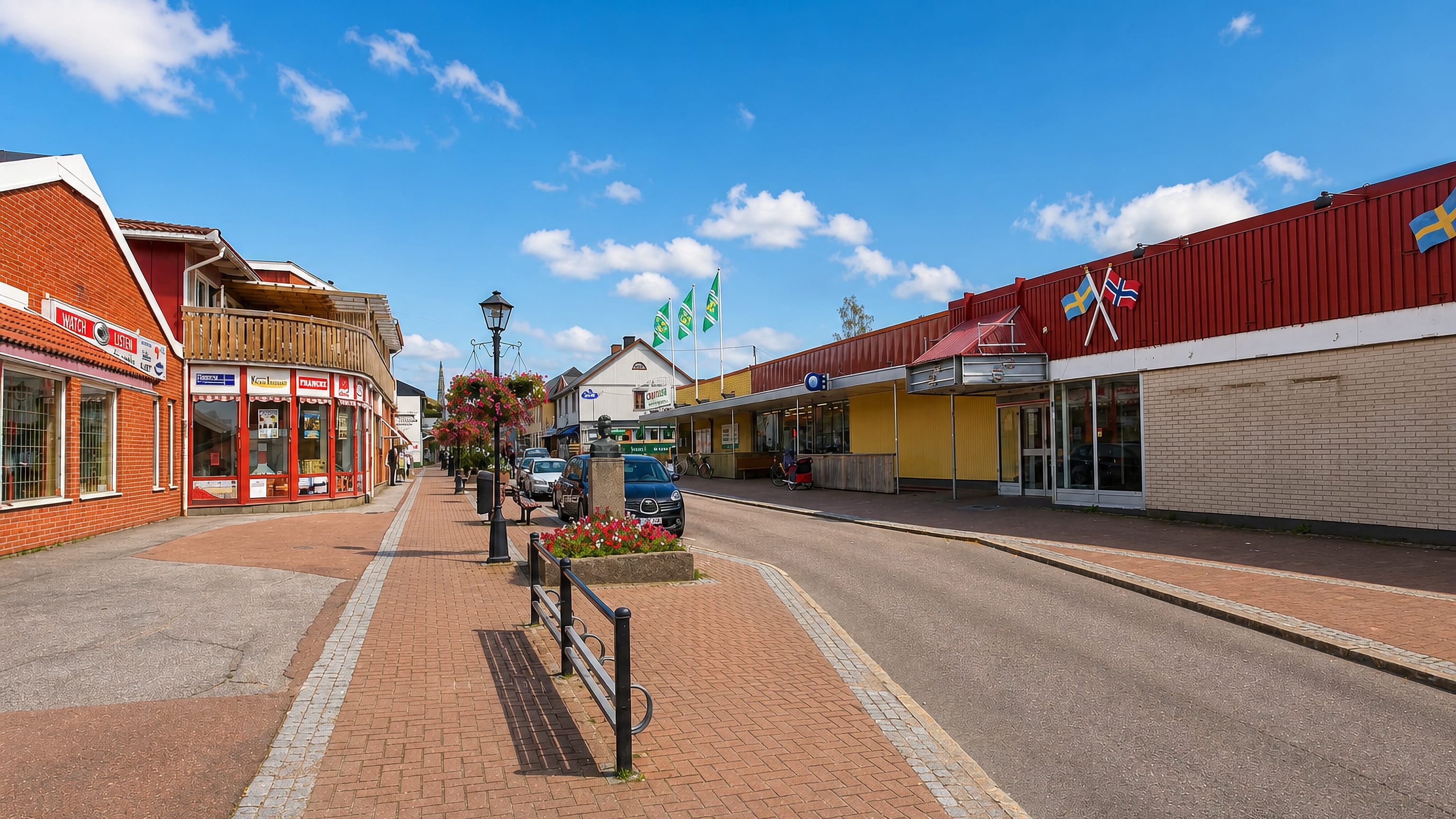
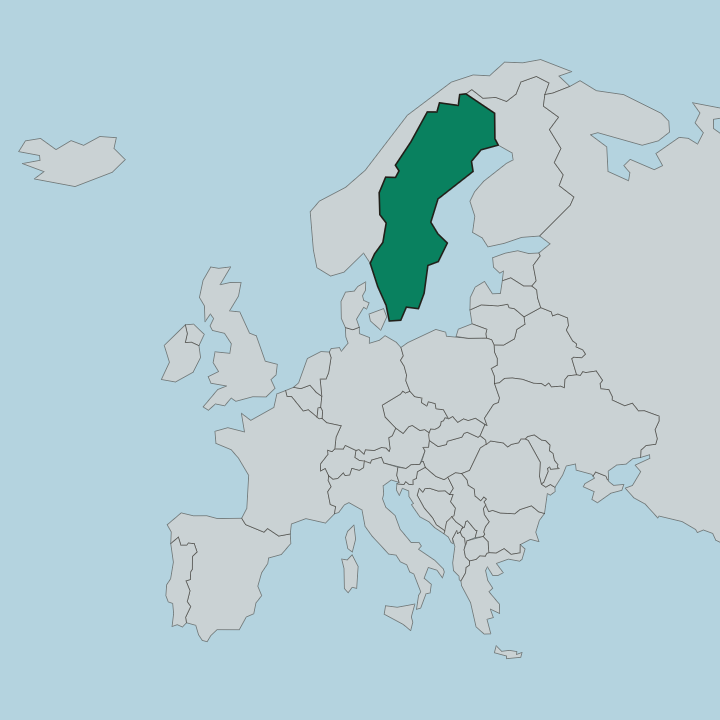
A border sets the tone. Charlottenberg is the administrative centre of Eda Municipality in western Sweden, close to Morokulien.
Hotel links are affiliate links: booking through them may earn us a commission, at no extra cost to you. It never affects how places are ranked. How this works


Where to stay in Charlottenberg
How the choice of base plays out on the ground.
The centre holds what beds exist. Charlottenberg is the administrative centre of Eda Municipality, so the shops, the offices and the places to eat gather in one small grid, and a room there means the rest of the day can start on foot. Morokulien changes what a stay is for.
Beds taken near the park put the peace monument and the crossing into Norway within a few minutes, which is the point for travellers who came to stand on the line itself. Two very different trips. Out in the parishes the arithmetic shifts.
Eda kyrka, Köla kyrka and Lersjöns kapell stand well apart across Eda Municipality, and a farm room among them turns three separate churches into a single unhurried loop through lake and forest country. Eda glasmuseum fits the same circuit. Glassmaking history and church stone sit within the same short drive of Charlottenberg, which is more variety than a town this size usually manages to hold together.
Book ahead in any season. Värmland County's north-western corner has no depth of rooms to draw on, and a border town fills up whenever anything is happening on either side of it. You give up choice and gain a quiet that runs right up to the Norwegian side.
Find hotels in Charlottenberg
Direct booking searches for these neighbourhoods.
Charlottenberg centre
The administrative centre gathers the shops and the eating places into one grid, and Morokulien is near enough to work as an evening trip rather than a day out.Find hotels in Charlottenberg centreTravellers building a visit around the Morokulien peace monument and the crossing itselfThe Morokulien border strip
A bed beside Morokulien puts the peace monument and the Norwegian side minutes away, which suits anyone treating the border as the destination instead of the obstacle. Rooms are few around here — worth securing early.Find hotels in The Morokulien border stripDrivers linking Eda kyrka, Köla kyrka and Lersjöns kapell across Eda MunicipalityEda parish country
The three churches stand far apart in lake and forest country, so a room out among them turns a scattered set of parishes into one relaxed driving loop. Beds are limited here, so book early.Find hotels in Eda parish countryHotel links are affiliate links: booking through them may earn us a commission, at no extra cost to you. It never affects how places are ranked. How this works
About Charlottenberg
Morokulien is the reason many stop.
What is Charlottenberg known for?
The park sits on the border between Norway and Sweden, holds a peace monument, and gives Charlottenberg a draw that has nothing to do with the size of the town. Glass is the second subject. Eda glasmuseum keeps the industrial and craft record of glassmaking in Eda Municipality, which is a different kind of visit from the churches scattered across the same ground.
What are the main landmarks in Charlottenberg?
Morokulien straddles two countries. The park lies on the border between Norway and Sweden and carries a peace monument, which makes it the one landmark here with a claim on visitors from both sides of the line. Eda glasmuseum covers the industrial side.
Eda kyrka and Köla kyrka both hold heritage protection, and Lersjöns kapell adds a third place of worship to a municipality that keeps more church buildings than its size suggests.
What is the history of Charlottenberg?
No charter year is recorded. The parishes came with their churches: Eda kyrka and Köla kyrka both carry heritage protection, and Lersjöns kapell stands as a third, which together map how worship was distributed across a district with no single dominant town. Then came glass.
Eda glasmuseum preserves the industrial and craft record of glassmaking in Eda Municipality, an industry substantial enough to leave a museum behind it. Eda Glasbruk supplied the material the museum holds, and a works of that scale marks a shift from parish country to something with an industry in it. The border wrote the modern chapter.
Morokulien lies on the border between Norway and Sweden, and the peace monument standing in that park is the district's most deliberate statement about what a frontier can be. Charlottenberg took the administrative role. Becoming the centre of Eda Municipality concentrated the offices and the day-to-day business of the whole district into one locality in the north-western part of Värmland County, close to the crossing.
Proximity does most of the explaining. A locality this size would carry neither a council chamber nor a glass museum without the two things that shaped it, the parishes and the frontier, sitting where they do.
Where is Charlottenberg?
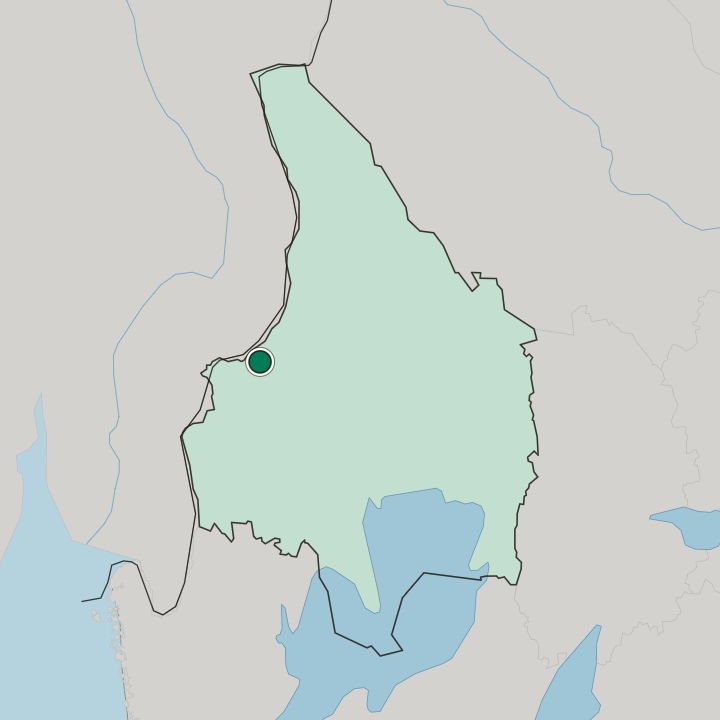
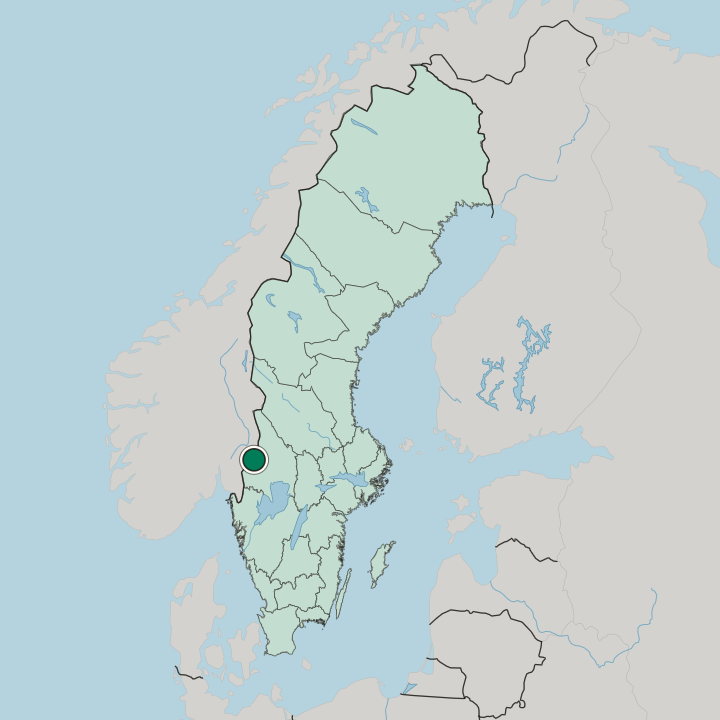
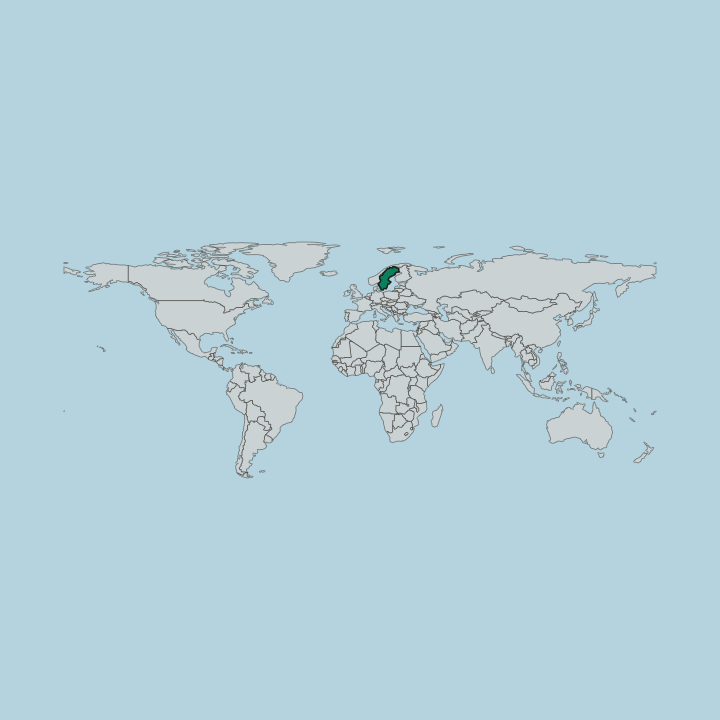
Lakes and forest fill the space between villages. Charlottenberg lies in the north-western part of Värmland County, in western Sweden, on ground that runs up to the frontier with Norway rather than to any coast. Morokulien sits on that edge.
Eda Municipality spreads well beyond the town, far enough that Eda kyrka, Köla kyrka and Lersjöns kapell each occupy their own pocket of lake and woodland.
What is the climate of Charlottenberg?
The lakes do the moderating. Charlottenberg falls in the temperate band, and the water spread through Eda Municipality holds the season back in spring and lets it run late in autumn rather than swinging the year hard in either direction. Winter still arrives properly.
Snow settles across the parish country of western Sweden, and the lakes of Eda Municipality lock up before the year turns again.
How do you get to Charlottenberg?
The crossing shapes every approach. Charlottenberg sits in the north-western part of Värmland County near the frontier, so a great deal of the traffic passing through is on its way between Sweden and Norway rather than stopping. Morokulien is the obvious first stop after arriving, since the park lies on the border itself.
A car is the practical answer. Eda kyrka, Köla kyrka, Lersjöns kapell and Eda glasmuseum are scattered across Eda Municipality, and nothing links them except the roads between.
Common questions
What is the best area to stay in Charlottenberg?
Charlottenberg centre: Stays that keep the Eda Municipality offices and the run out to Morokulien both in reach. The Morokulien border strip: Travellers building a visit around the Morokulien peace monument and the crossing itself. Eda parish country: Drivers linking Eda kyrka, Köla kyrka and Lersjöns kapell across Eda Municipality.
Good for
More cities in Värmland County
Updated October 2026