Syria · Damascus Governorate · Damascus
Qanawat, Damascus — Area Guide & Where to Stay
Qanawat is a historic quarter of Damascus, named for the Roman aqueducts that once carried Barada water through it.
About Qanawat


Map data © OpenStreetMap contributors
Where to stay in Qanawat
Where visitors usually base themselves, and why.
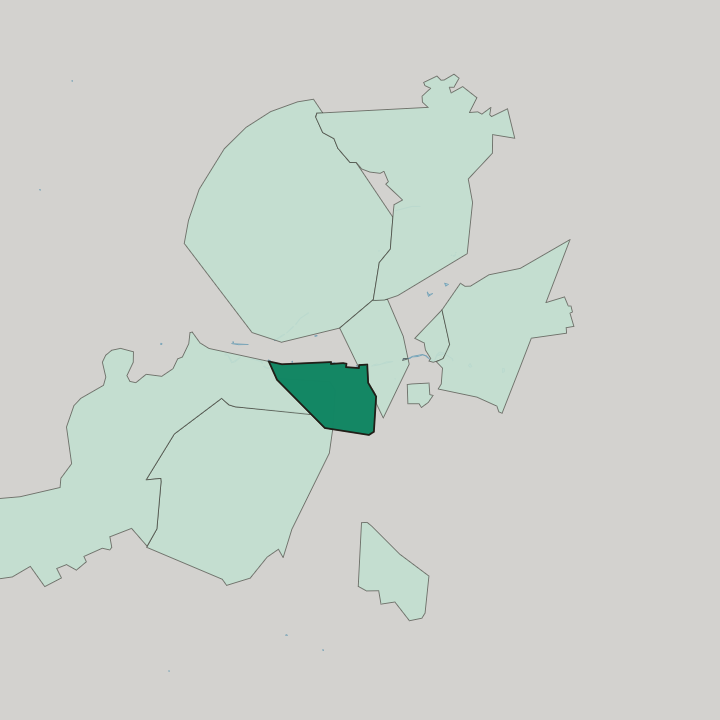
Qanawat sits just west of the walled Old City of Damascus, so rooms here trade the covered souqs for wider streets. Stay close for museums. Guesthouses and small hotels gather near the National Museum in Damascus, within an easy walk of the green Tekkiye courtyards, while quieter beds lie deeper among the district's late-Ottoman mansions.
The Damascene Sword monument marks the northern edge. Weigh the souq's bustle against the mansions' calm.
Things to do in and around Damascus
Ranked by global recognition; descriptions from Wikidata (CC0).
Museums & Galleries
3- National Museum in Damascus
- Nur al-Din Bimaristan
- Syrian Military Museum
Churches & Religious Sites
3- Umayyad Mosque Heritage
- Temple of Jupiter, Damascus
- Our Lady of the Assumption Cathedral
Castles & Historic Sites
3- Citadel of Damascus
- The Damascene Sword monument
- Telegraph Column
Landmarks & Notable Places
1- Maktab Anbar
worth knowingacross 4 categories in and around Damascus
About Qanawat
What are the main landmarks in Qanawat?
The National Museum in Damascus anchors the quarter. Its collections span millennia. Fronted by a reassembled gateway from the desert palace of Qasr al-Hayr, the museum gathers Syria's finds from Ugarit tablets to Palmyrene busts under one long roof beside the Barada channel.
Nearby, the National Evangelic church of Damascus stands among the older streets, and the Nur al-Din Bimaristan, a medieval hospital of the Old City, lies a short walk east. The Damascene Sword monument crowns a roundabout at the district edge. Just beyond the walls rises the Umayyad Mosque.
What is the history of Qanawat?
Qanawat takes its name from water. The word means aqueducts. Roman engineers channelled the Barada through masonry conduits across this ground to feed the temples and baths of ancient Damascus, and the quarter grew up along those buried lines long after the walls of the Old City had fixed the centre nearby.
The Ottomans lined its streets with courtyard mansions. The National Museum in Damascus later claimed the western fields, turning grazing land into a store of the country's antiquities.
Where is Qanawat?
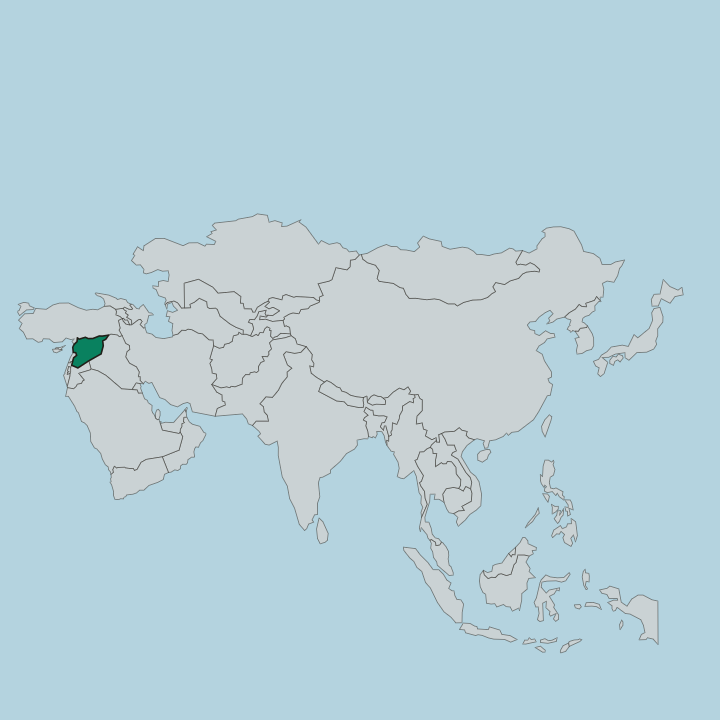
Qanawat spreads just west of the Old City walls of Damascus, on the flat ground where the Barada spills from its gorge onto the oasis plain of the Ghouta. That water explains the site.
Good for
More areas in Damascus
Updated October 2026