
Turkey · İstanbul
Where to Stay in Istanbul, İstanbul
Istanbul stands where the Bosphorus divides Europe from Asia, a Turkish city crowned by Hagia Sophia and the domes of the old imperial quarter.
Hotel links are affiliate links: booking through them may earn us a commission, at no extra cost to you. It never affects how places are ranked. How this works


Where to stay in Istanbul
Not every neighbourhood fits every trip — here's what each one is good for.
 IstanbulTurkey
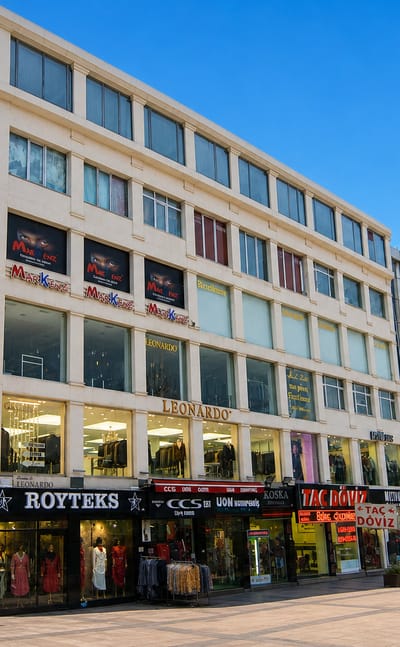
Laleli
Laleli is a district of Istanbul in Fatih, set between Beyazıt and Aksaray, where the Laleli Mosque rises above Ordu Caddesi.Where to stay →
 IstanbulTurkey
Golden Horn
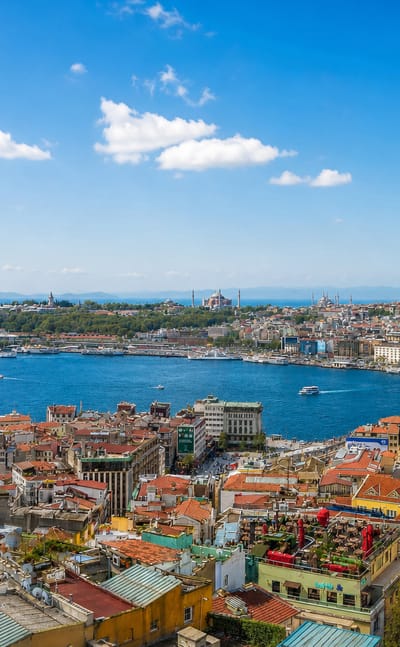
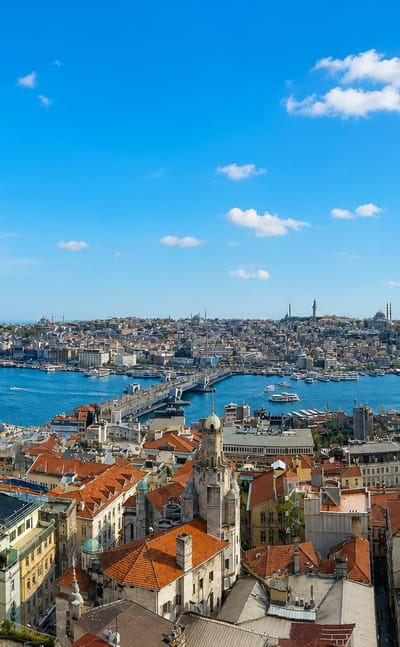
The Golden Horn is the horn-shaped inlet of Istanbul, splitting the old peninsula from Galata below the Galata Tower.Where to stay →
 IstanbulTurkey
Tarlabaşı
Tarlabaşı is a dense Beyoğlu neighbourhood in Istanbul, packed onto the slope just west of İstiklal Avenue and Taksim.Where to stay →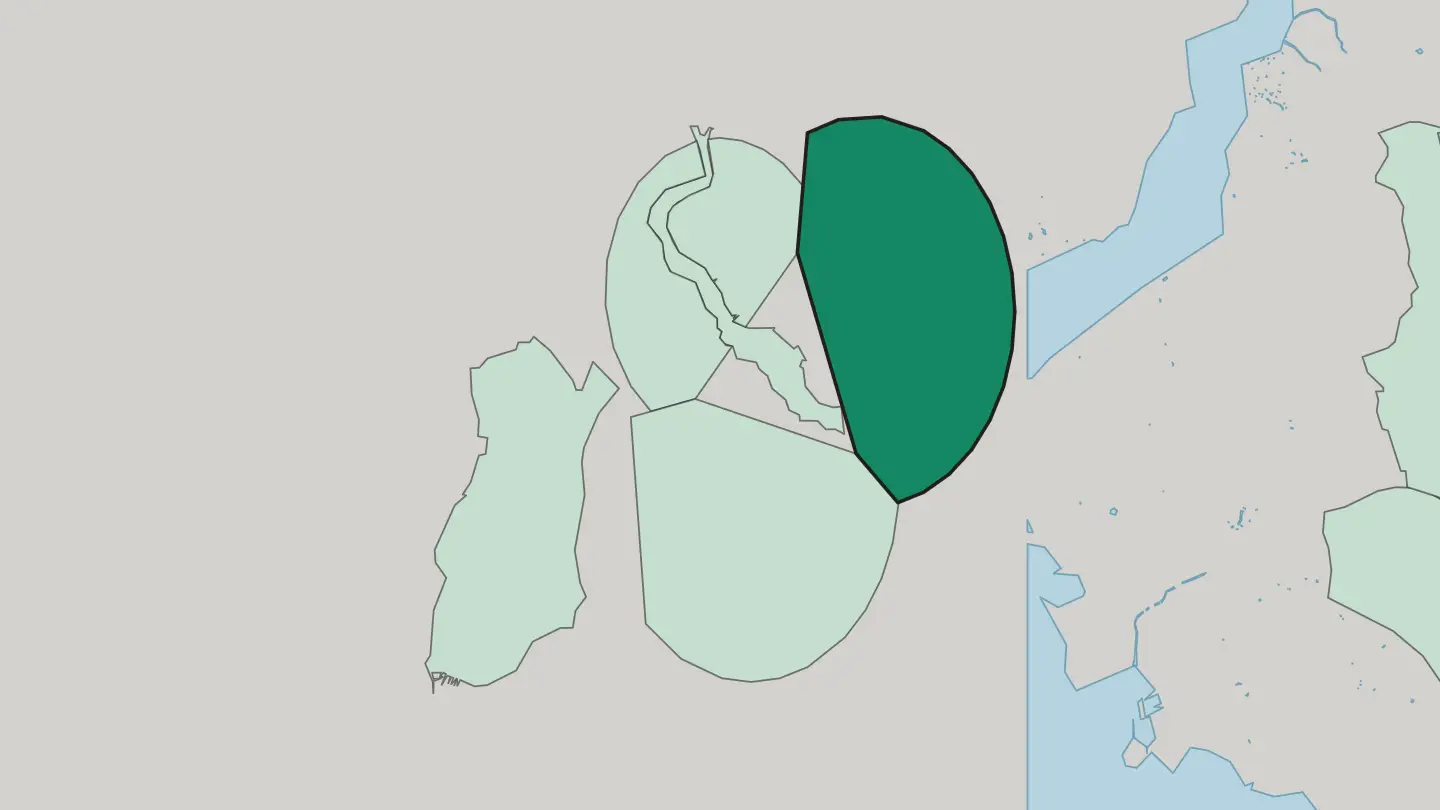
 IstanbulTurkey
Hasköy
Hasköy is a quarter of Istanbul on the Golden Horn, home to the Rahmi M. Koç Museum in the Beyoğlu district.Where to stay →
 IstanbulTurkey
Zeytinburnu
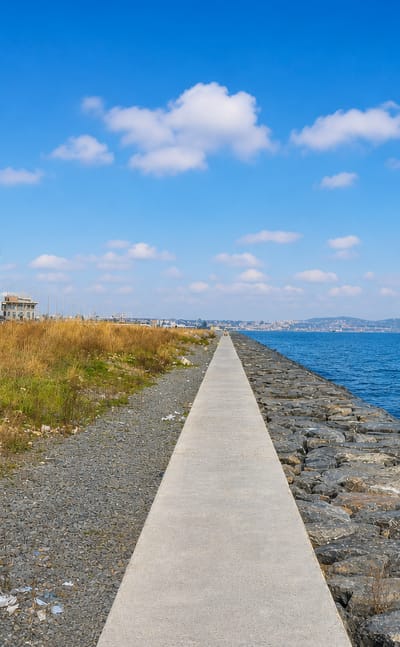
Zeytinburnu is a working-class district of Istanbul on the Marmara Sea, just outside the old walls beyond Yedikule.Where to stay →
 IstanbulTurkey
Bahçelievler
Apartment rows cover the garden plots that named Bahçelievler, a residential district of Istanbul on the European side, north of the D.100 and Bakırköy.Where to stay →IstanbulTurkeyŞirinevler
Şirinevler is a neighbourhood of Bahçelievler in İstanbul, Turkey, a square kilometre of streets beside the Ataköy Athletics Arena.Where to stay →IstanbulTurkeyKocasinan
Kocasinan Merkez is a neighbourhood of two square kilometres in Bahçelievler, one of the municipalities that make up İstanbul in Turkey.Where to stay →IstanbulTurkeyYenibosna
Yenibosna Merkez spreads over four square kilometres of the Bahçelievler district in İstanbul, Turkey, with the Zoğrafion Köyü Kilisesi on its list.Where to stay → IstanbulTurkey
Ümraniye
Ümraniye is a modern residential and industrial district on the Asian side of Istanbul, split from Üsküdar in 1987.Where to stay → IstanbulTurkey
Ataşehir
The Ülker Sports and Event Hall anchors Ataşehir, a planned district of Istanbul in Turkey.Where to stay → IstanbulTurkey
Dragos
Dragos looks over the Sea of Marmara from a hillside quarter of Maltepe on the Anatolian side of Istanbul.Where to stay →IstanbulTurkeyBatıköy
Batıköy is a coastal mahalle of Büyükçekmece, on Istanbul's European Marmara shore.Where to stay →Hotel links are affiliate links: booking through them may earn us a commission, at no extra cost to you. It never affects how places are ranked. How this works
Find hotels in Istanbul
Direct booking searches for these neighbourhoods.
Sultanahmet
Hagia Sophia, the Sultan Ahmed Mosque, and Topkapı Palace stand within one walk, with the Grand Bazaar and Gülhane Park close by.Find hotels in Sultanahmetdining, nightlife, and the modern cityGalata and Beyoğlu
The Galata Tower and İstiklal Avenue anchor a district of cafes and old passages above the Galata Bridge.Find hotels in Galata and Beyoğlua quieter base with skyline viewsThe Asian shore
Ferry docks, tea gardens, and the Maiden's Tower look back across the Bosphorus at the old city.Find hotels in The Asian shoreHotel links are affiliate links: booking through them may earn us a commission, at no extra cost to you. It never affects how places are ranked. How this works
Things to do in Istanbul
Ranked by global recognition; descriptions from Wikidata (CC0).
Museums & Galleries
3- Hagia Sophia Heritage
- santralistanbul Heritage
- Galata Tower
Churches & Religious Sites
3- Süleymaniye Mosque Heritage
- Little Hagia Sophia Heritage
- Hagia Irene
Castles & Historic Sites
3- Topkapı Palace
- Cistern of the Hebdomon
- Kriton Curi Heykeli
Stadiums & Sports
3- Ülker Sports and Event Hall
- Ataköy Athletics Arena
- Ahmet Cömert Sport Hall
Landmarks & Notable Places
1- Golden Gate
worth knowingacross 5 categories in Istanbul
About Istanbul
What is Istanbul known for?
Istanbul is known for the great monuments of the old city, set on the hills above the Bosphorus. The skyline is all domes and minarets. Hagia Sophia and the Sultan Ahmed Mosque face each other across a public square, Topkapı Palace looks out over the water from its point, and the Grand Bazaar fills a warren of covered streets nearby.
Three empires left their mark.
What are the main landmarks in Istanbul?
Istanbul carries its landmarks along the ridges of the old city and across the water in Galata. Hagia Sophia towers over the peninsula. The Süleymaniye Mosque crowns the highest hill above the water, the Galata Tower answers it from the far bank, and the Aqueduct of Valens still strides across the valley between them.
Trade left its own monuments. The Spice Bazaar and the Grand Bazaar cover whole quarters, while the Istanbul Archaeology Museums and the Chora Church guard the art of the Byzantine and Ottoman centuries. Stone marks every skyline.
What is the history of Istanbul?
Istanbul grew from Byzantium, a Greek colony on the point where the Bosphorus opens to the Sea of Marmara. Emperors made it a capital. As Constantinople it became the seat of the Roman and then the Byzantine world, and Hagia Sophia rose as the greatest church of that age, its dome standing over the old city for centuries.
The Column of Constantine still marks the forum from that first founding. Every trade route flowed through its harbour. The Ottomans took the city in 1453 and made it their capital in turn.
New rulers reshaped the skyline. Topkapı Palace spread across the point above the water, the Süleymaniye Mosque and the Sultan Ahmed Mosque raised their domes and minarets over the hills, and the Grand Bazaar grew into a covered city of its own. Hagia Sophia was kept and reworked.
The old church became a mosque, the walls and cisterns of the Byzantines survived beneath the streets, and the name Istanbul slowly replaced Constantinople. The Galata Tower watched over the harbour from across the water. Layer sits on layer across the city.
Where is Istanbul?
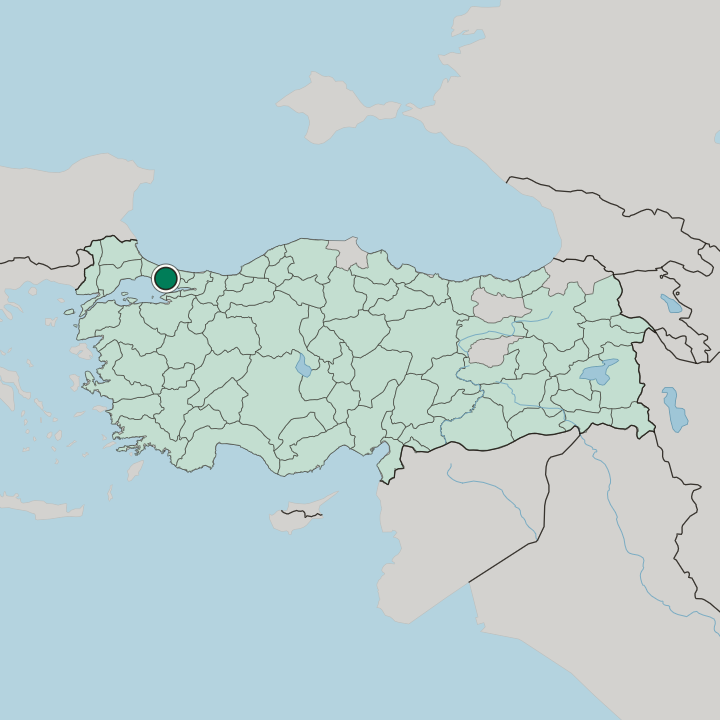
Istanbul covers both banks of the Bosphorus, the strait that carries the sea between the Sea of Marmara and the Black Sea. Steep hills rise on the old side. The historic peninsula juts out where an inlet cuts in from the strait, splitting the European shore, while the Asian districts climb the far bank across the water.
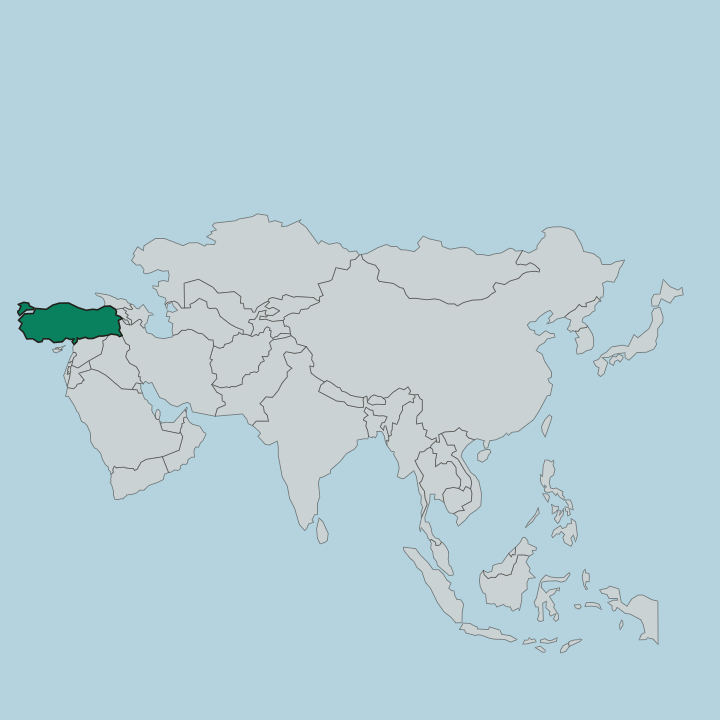
The city belongs to two continents.
What is the climate of Istanbul?
Istanbul has a mild transitional climate, poised between the warm south and the cooler air off the Black Sea. Summers are warm and humid. The two seas hold the heat in a comfortable band through the long days, while winters stay cool and grey, with rain off the Bosphorus and the odd fall of snow on the domes.
Wind off the strait is constant.
How do you get to Istanbul?
Istanbul is reached through large airports on both sides of the city, with most long-haul flights landing on the European side. Trains run under the strait. A rail tunnel carries the metro beneath the Bosphorus between the continents, ferries thread across to the Asian shore and up the inlet past the Galata Bridge, and trams link the old city to the water.
The crossings run day and night.
Common questions
What is the best area to stay in Istanbul?
Sultanahmet: first-time visitors who want the great monuments on foot. Galata and Beyoğlu: dining, nightlife, and the modern city. The Asian shore: a quieter base with skyline views.
Good for
More cities in İstanbul
See also
Updated October 2026