Turkey · İstanbul
Where to Stay in Üsküdar, İstanbul
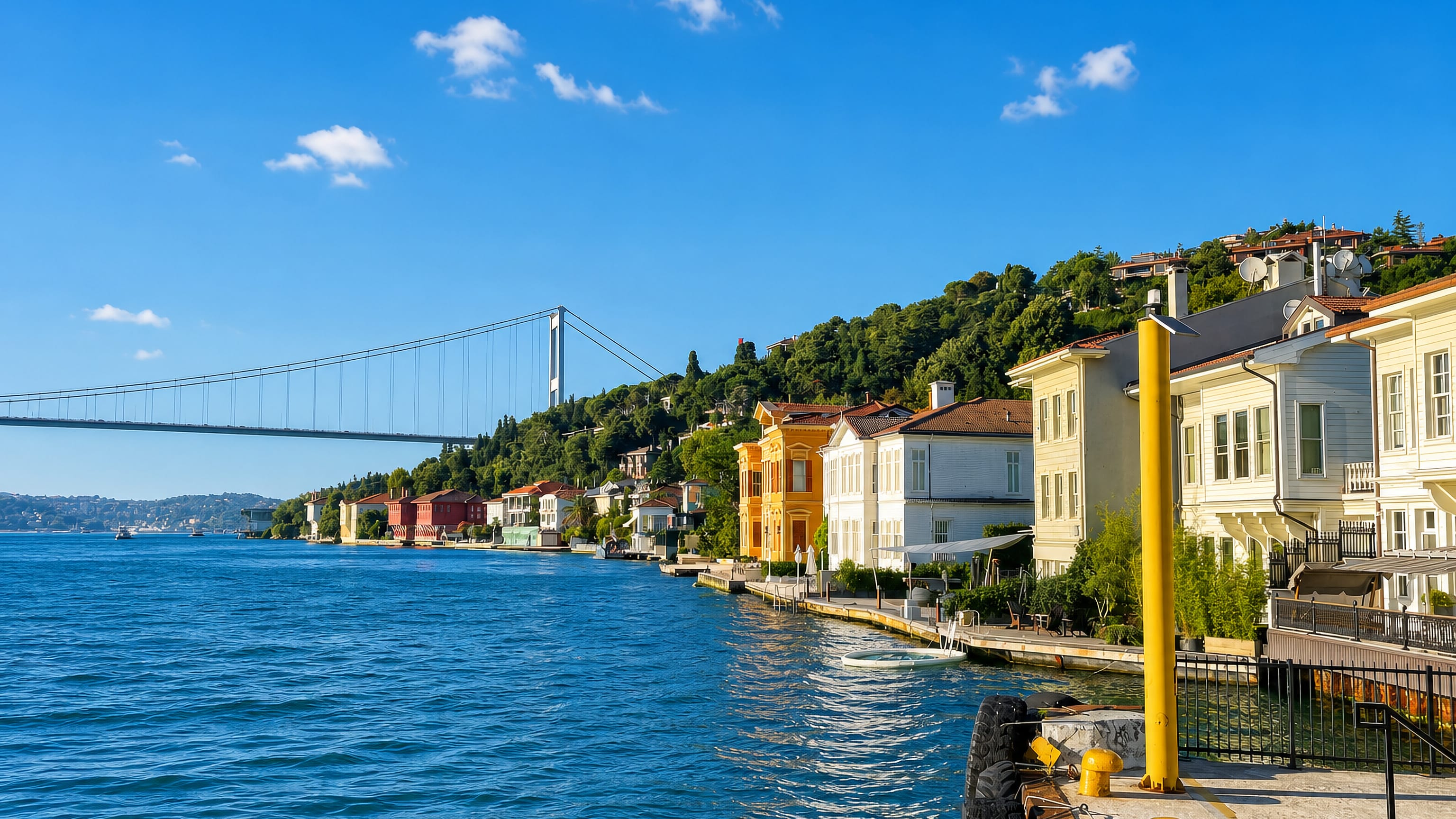
Üsküdar is a large district of İstanbul on the Anatolian shore of the Bosphorus, facing Beşiktaş and the Sarayburnu quarter of Fatih.
Hotel links are affiliate links: booking through them may earn us a commission, at no extra cost to you. It never affects how places are ranked. How this works


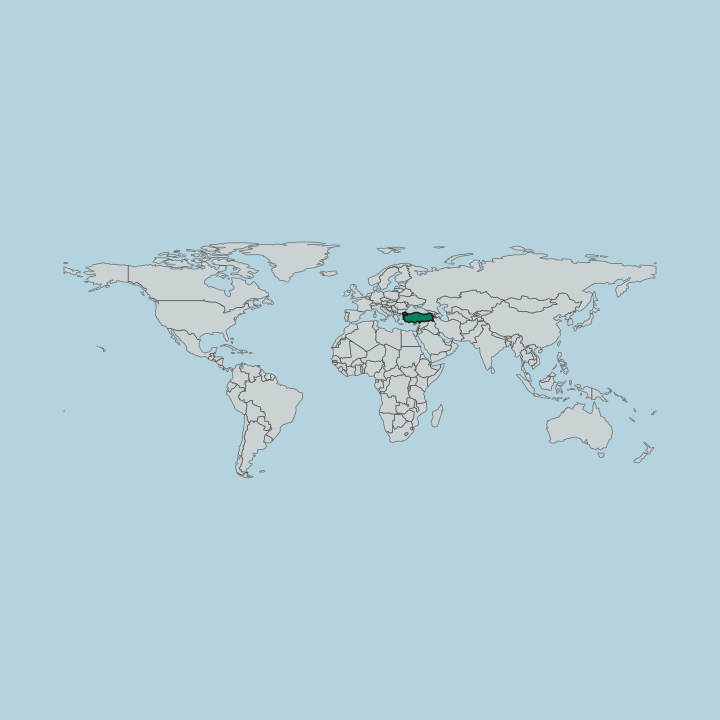
Where to stay in Üsküdar
Where you base yourself shapes the visit — here's the character of each area.

 ÜsküdarTurkey
Salacak
Salacak is a shore neighbourhood of Üsküdar on the Bosporus, south of the historic centre, and it carries the Maiden's Tower on its list.Where to stay →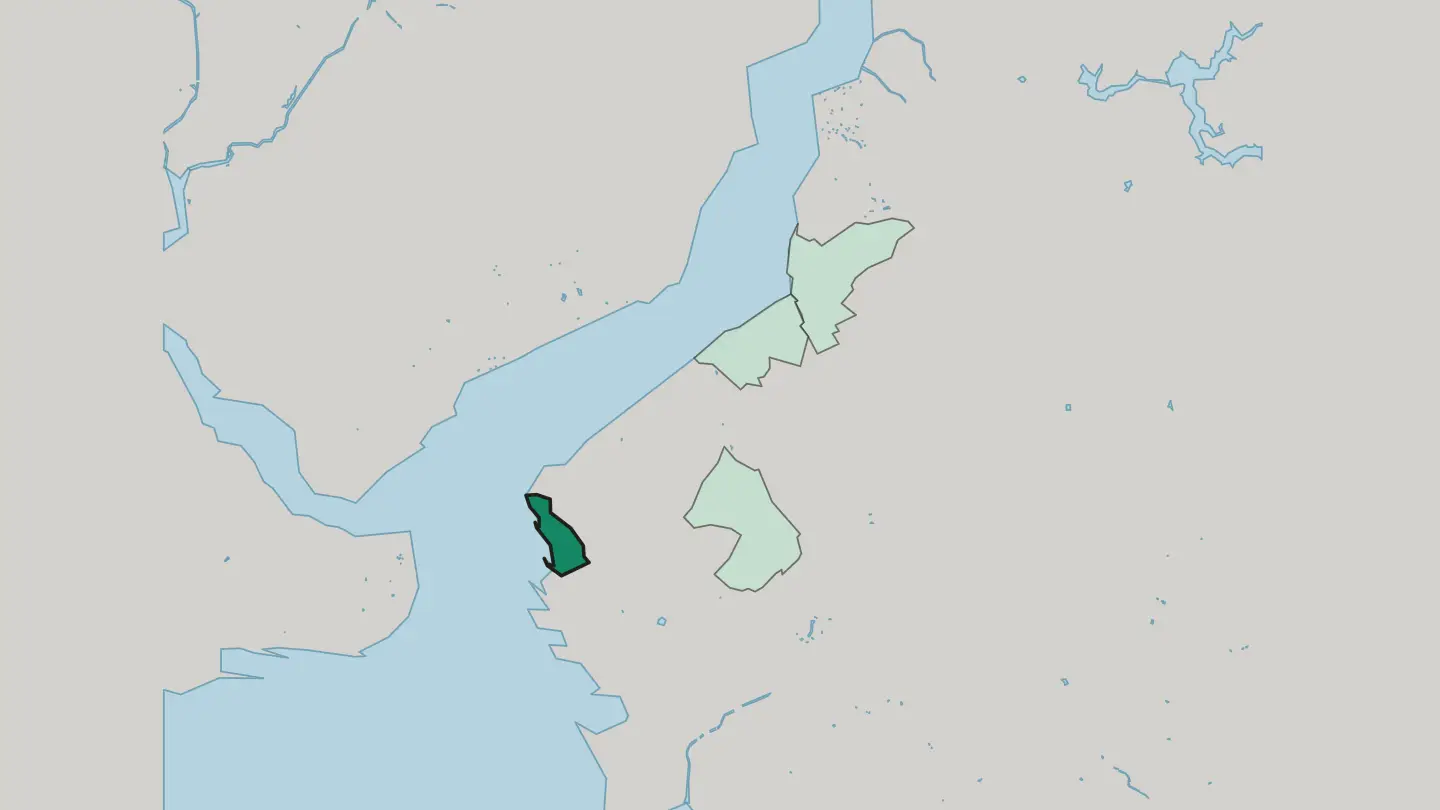
 ÜsküdarTurkey
Altunizade
Altunizade is a neighbourhood of Üsküdar on the Asian side of İstanbul, known for its Armenian churches and the Vakıfbank Spor Sarayı.Where to stay →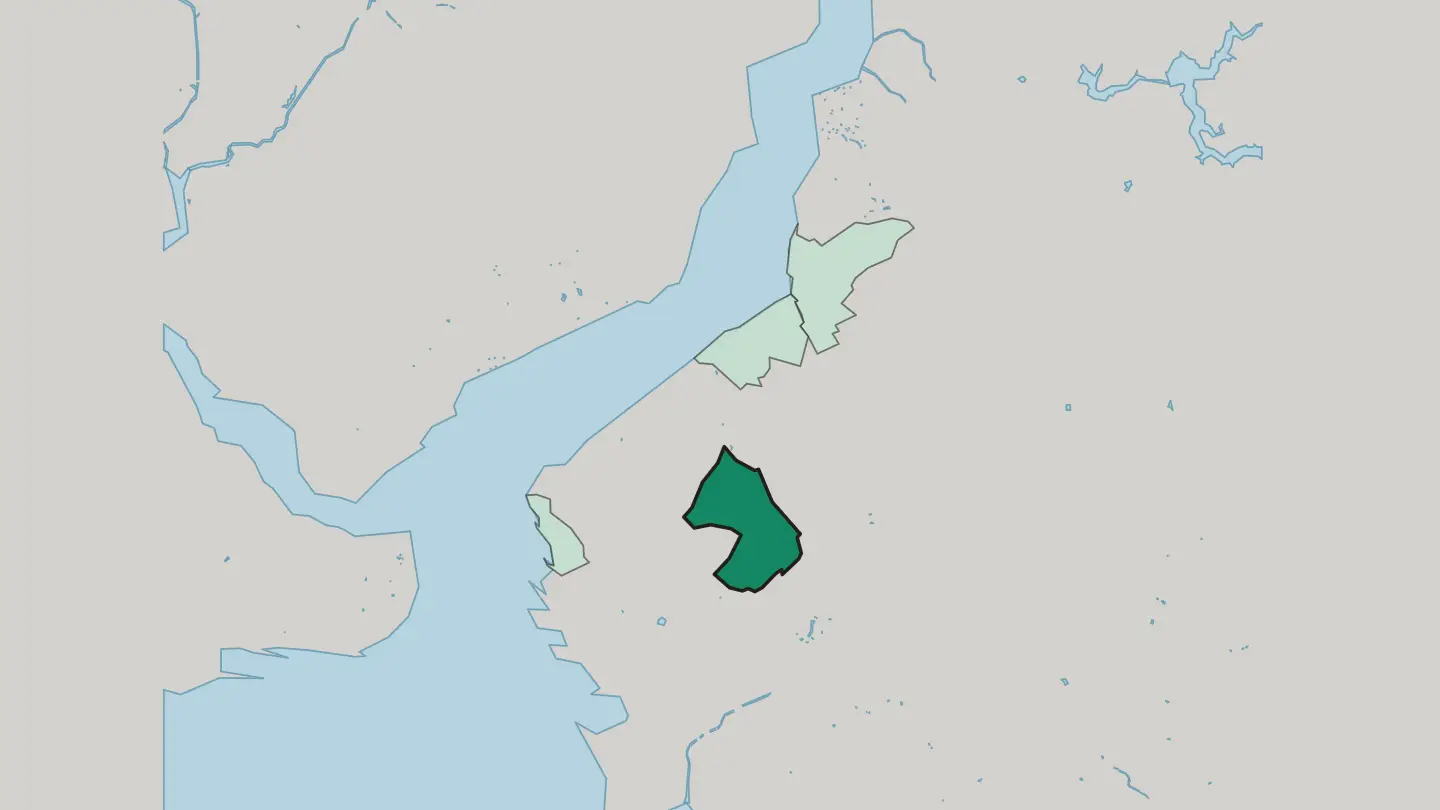
 ÜsküdarTurkey
Beylerbeyi
Beylerbeyi lines the Asian shore of the Bosporus in Üsküdar, just north of the Bosphorus Bridge and across the water from Ortaköy.Where to stay →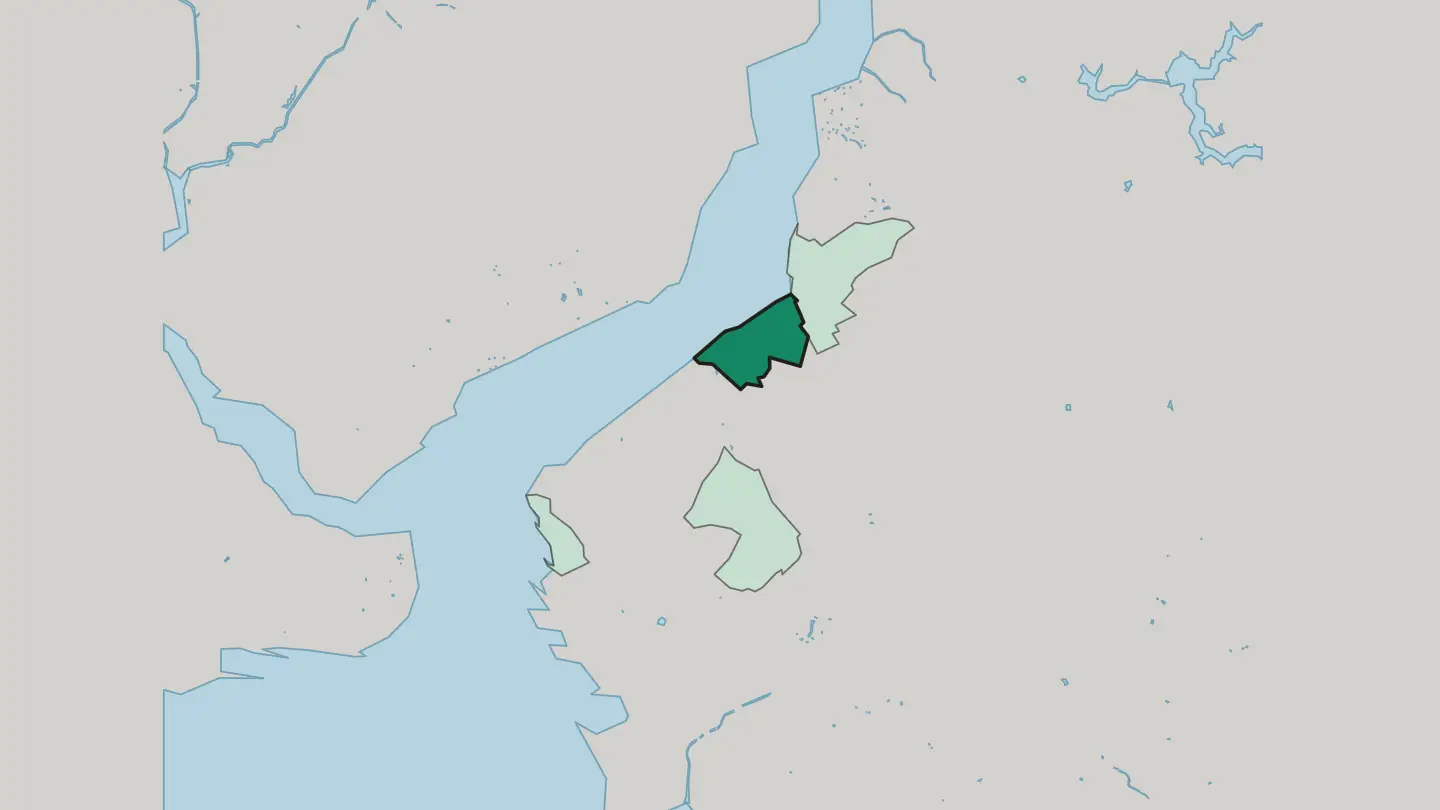
 ÜsküdarTurkey
Çengelköy
Çengelköy is an Üsküdar neighbourhood of Ottoman mansions on the Asian shore of the Bosphorus, between Beylerbeyi and Kuleli.Where to stay →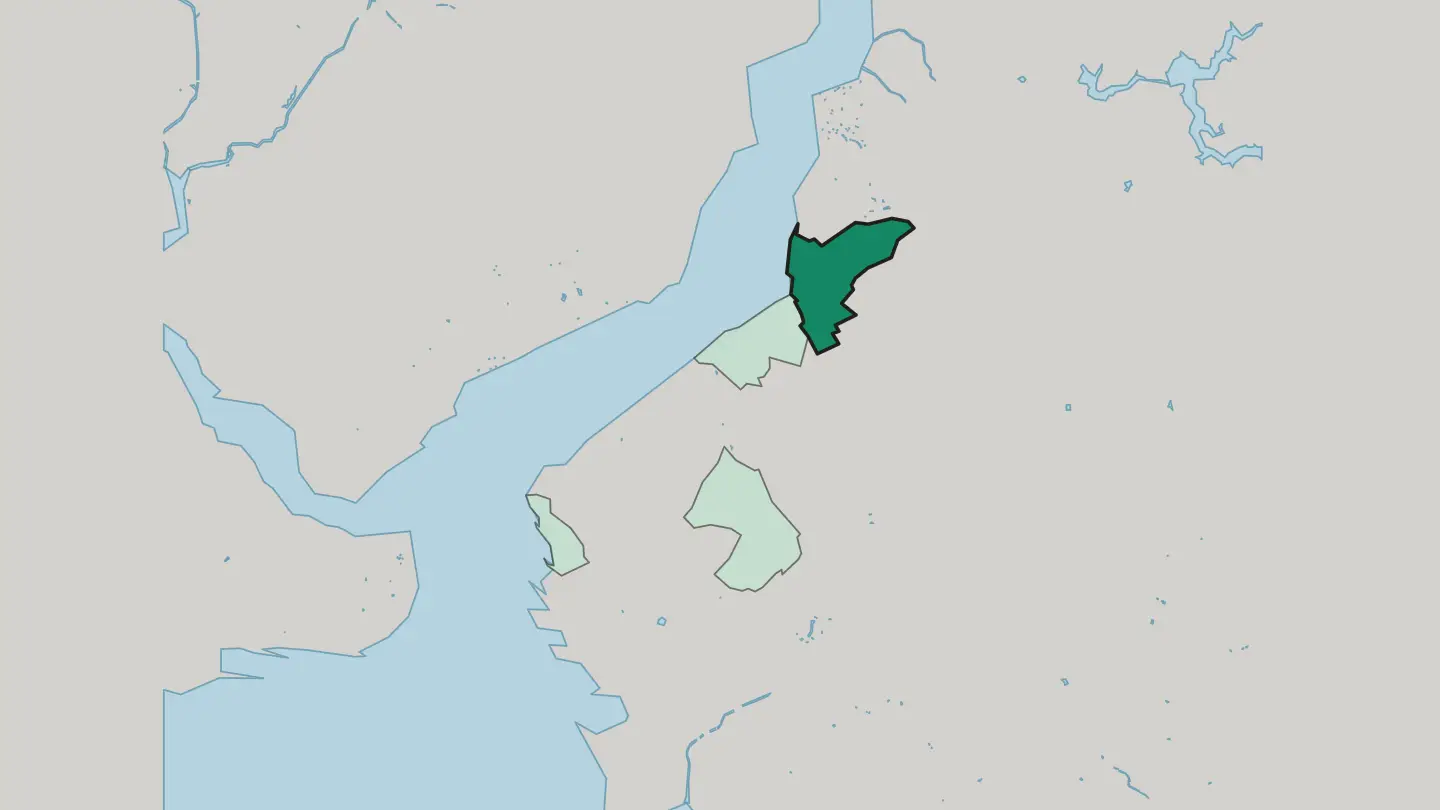
Hotel links are affiliate links: booking through them may earn us a commission, at no extra cost to you. It never affects how places are ranked. How this works
Find hotels in Üsküdar
Direct booking searches for these neighbourhoods.
The Bosphorus waterfront
The Üsküdar shore looks straight over the Bosphorus at the European bank, with the Maiden's Tower standing out in the channelFind hotels in The Bosphorus waterfrontTravellers after the small mosques and dergahs of the Anatolian sideThe streets behind the shore
Üsküdar has been a conservative cultural centre of the Anatolian side of İstanbul since Ottoman times, and that character is strongest a block back from the waterFind hotels in The streets behind the shoreDays at Museum Gazhane and the southern Anatolian districtsThe Kadıköy end
Kadıköy borders Üsküdar to the south and Museum Gazhane lies on that side, closer than anything across the Bosphorus. Few places to stay nearby — book ahead.Find hotels in The Kadıköy endVisitors whose list runs Hagia Sophia, Topkapı Palace and the Walled ObeliskThe historic core across the water
Hagia Sophia, Topkapı Palace and the Istanbul Archaeology Museums stand on the European bank facing Üsküdar rather than in the district itselfFind hotels in The historic core across the waterHotel links are affiliate links: booking through them may earn us a commission, at no extra cost to you. It never affects how places are ranked. How this works
Things to do in Üsküdar
Ranked by global recognition; descriptions from Wikidata (CC0).
Museums & Galleries
3- Hagia Sophia Heritage
- Istanbul Archaeology Museums
- Istanbul Naval Museum
Churches & Religious Sites
3- Hodegon Monastery
- Surp Haç Armenian Church
- Surp Garabet Church
Castles & Historic Sites
3- Maiden's Tower
- 15 July Martyrs' Memorial
- Toptaşı
Stadiums & Sports
2- Vakıfbank Spor Sarayı
- Mehmet Çakır Cultural and Sports Center
worth knowingacross 4 categories in Üsküdar
About Üsküdar
What is Üsküdar known for?
Mosques and dergahs set the tone. Üsküdar has been a conservative cultural centre of the Anatolian side of İstanbul since Ottoman times, and its many small mosques and dergahs are as much its signature as any single monument. The Maiden's Tower stands offshore. Across the Bosphorus lie Karaköy, Kabataş, Beşiktaş and the historic Sarayburnu quarter of Fatih, which sets Hagia Sophia, Topkapı Palace and the Galata Tower on the far bank.
What are the main landmarks in Üsküdar?
The Maiden's Tower belongs to Üsküdar. Everything else on the shortlist sits across the Bosphorus, where Hagia Sophia, Hagia Irene, Topkapı Palace and the Walled Obelisk mark the historic core and the Galata Tower stands over the same European bank. Museums crowd that side.
The Istanbul Archaeology Museums, the Turkish and Islamic Arts Museum, the Great Palace Mosaic Museum, the Pera Museum and İstanbul Modern all lie across the water, with Museum Gazhane closer at hand toward Kadıköy.
What is the history of Üsküdar?
Ottoman İstanbul shaped the district. Üsküdar grew into a conservative cultural centre of the Anatolian side, its character carried less by grand monuments than by the many small mosques and dergahs threaded through its streets. The Maiden's Tower is older still. Out in the Bosphorus, the tower marks a crossing toward Karaköy, Kabataş and Beşiktaş that was in use long before any of the museums now lining the European bank.
The far bank holds the older stones. Hagia Sophia, Hagia Irene, Topkapı Palace and the Walled Obelisk belong to the historic core that faces Üsküdar, and the Hodegon Monastery and the Great Palace Mosaic Museum come from the same deep layer of the city. Collections arrived with the modern age.
The Istanbul Archaeology Museums, the Museum of the Ancient Orient and the Turkish and Islamic Arts Museum gather what was dug up and kept, while the Pera Museum, İstanbul Modern and the Istanbul Painting and Sculpture Museum handle later work. Trade and service have their own. The Istanbul Naval Museum, the Istanbul Railway Museum and the Istanbul Postal Museum record the working city, the Jewish Museum of Turkey, the Crimea Memorial Church and the Saint Gregory the Illuminator Church of Galata its communities, and Museum Gazhane, the Galatasaray Museum, The Museum of Innocence, the Ahmet Hamdi Tanpınar Literature Museum Library and the Republic Monument round out what lies within reach of Üsküdar.
Where is Üsküdar?
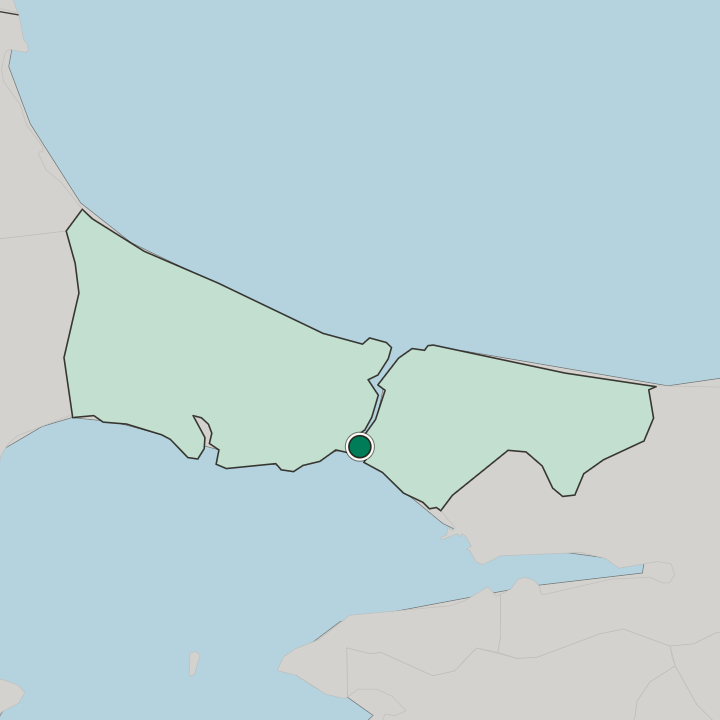
Four districts close it in. Üsküdar covers a large stretch of the Anatolian shore of the Bosphorus, bordered to the north by Beykoz, to the east by Ümraniye, to the southeast by Ataşehir and to the south by Kadıköy. The Maiden's Tower marks the water. Opposite to the west stand Karaköy, Kabataş, Beşiktaş and the Sarayburnu quarter of Fatih.
What is the climate of Üsküdar?
The Bosphorus runs the weather. Air moving along the strait keeps the Anatolian shore of Üsküdar breezier than the ground inland toward Ümraniye and Ataşehir, and it takes the edge off the summer heat as well as the coldest weeks of winter. Moisture never really leaves the air.
Rain falls mostly in the darker half of the year, and the temperate band gives Üsküdar a full four-season swing rather than a flat one.
How do you get to Üsküdar?
Crossing is the point. Üsküdar sits on the Anatolian shore directly opposite Karaköy, Kabataş and Beşiktaş, so most arrivals from the historic core of İstanbul come over the Bosphorus rather than around it. Land routes run inland. Beykoz lies to the north, Ümraniye to the east, Ataşehir to the southeast and Kadıköy to the south, which ties Üsküdar into the whole Anatolian side without a water crossing.
Common questions
What is the best area to stay in Üsküdar?
The Bosphorus waterfront: Rooms turned toward Karaköy, Kabataş and Beşiktaş across the strait. The streets behind the shore: Travellers after the small mosques and dergahs of the Anatolian side. The Kadıköy end: Days at Museum Gazhane and the southern Anatolian districts. The historic core across the water: Visitors whose list runs Hagia Sophia, Topkapı Palace and the Walled Obelisk.
Good for
More cities in İstanbul
Updated October 2026