Taiwan · Taiwan
Where to Stay in Keelung, Taiwan
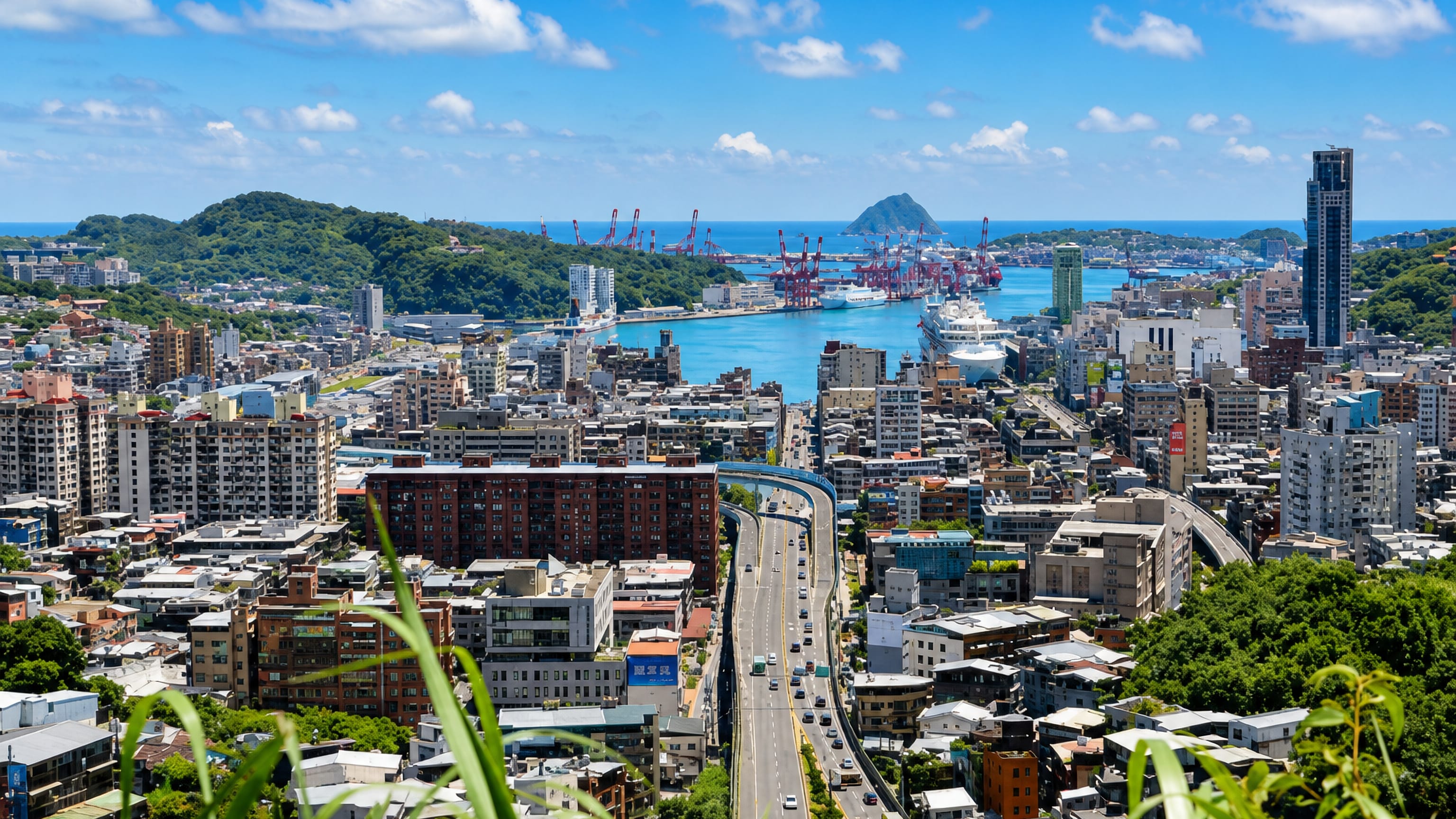
Keelung, the Rainy Port, works the harbour at the sea end of the Taipei-Keelung metropolitan area on Taiwan.
Hotel links are affiliate links: booking through them may earn us a commission, at no extra cost to you. It never affects how places are ranked. How this works


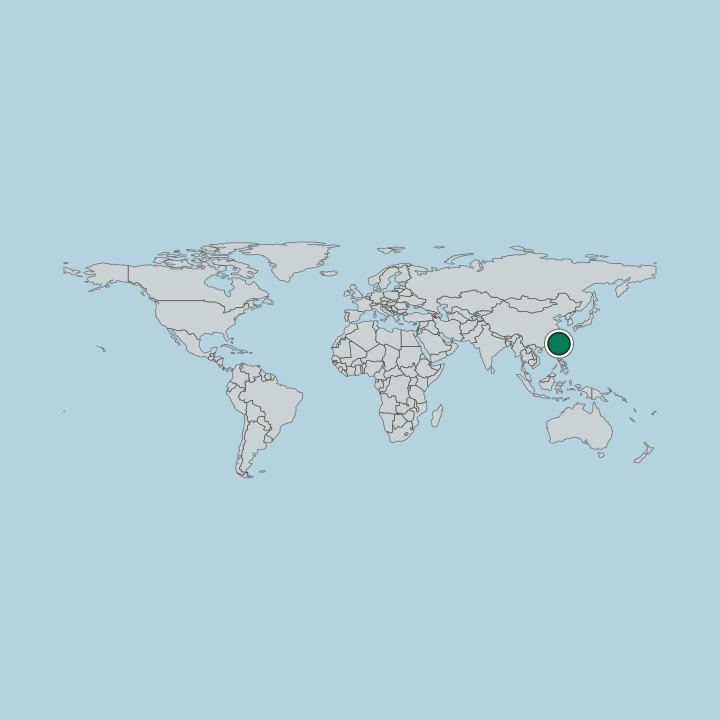
Where to stay in Keelung
Where visitors usually base themselves, and why.
Keelung Tower marks the choice. The blocks below it hold most of the beds, close enough to the quays that the YM Oceanic Culture and Art Museum, the monument Keelung Harbour Construction Memorial and the water itself all fall within a short walk of a hotel door. Rain shapes the plan.
A room inside walking distance is worth more here than it would be in a drier city, because an umbrella and five minutes on foot beat waiting for a taxi in a downpour. Hoping Island stands apart from that. The ground of the Todos los Santos church lies out there, and a bed on that side suits anyone whose interest runs to the older layers of the harbour rather than to its cranes.
Dashawan is quieter again. The Remains of the Stone Walls at Dashawan give that stretch its name in the record, and the slope rises fast behind it, so a view costs a climb. Taipei changes the arithmetic.
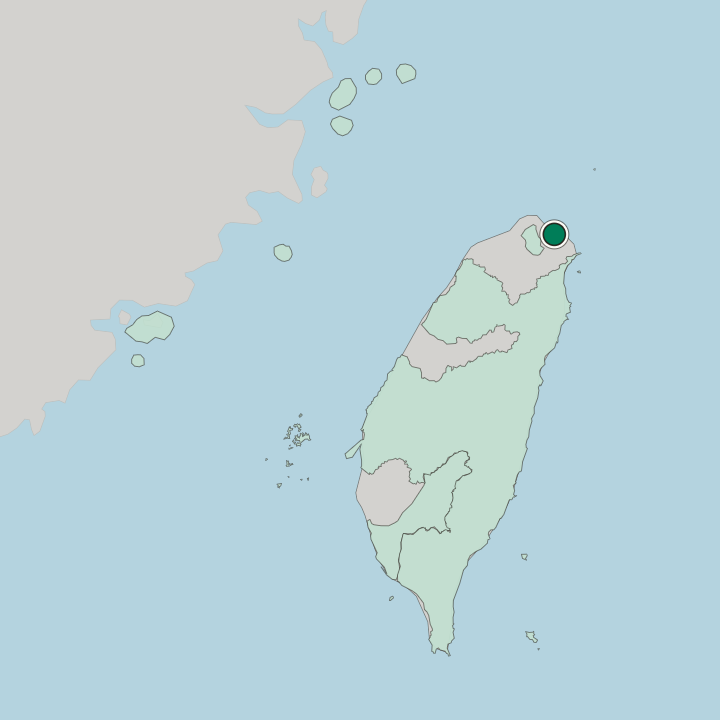
Keelung sits within one metropolitan area alongside New Taipei City, near enough to the capital that many travellers sleep there and come out for a day on the water, which keeps the list of rooms here short and practical. XiuZhuJu Mansion and Holy Trinity Church fill an afternoon between the two.
Find hotels in Keelung
Direct booking searches for these neighbourhoods.
Below Keelung Tower
Rooms minutes from the YM Oceanic Culture and Art Museum and the monument Keelung Harbour Construction Memorial, with the working berths in sight.Find hotels in Below Keelung Towerthe Todos los Santos church ground and the older harbourHoping Island
A footing across the water from the freight berths, where an archaeological site rather than the port sets the shape of the day. Lodging is scarce in this area; reserve in advance.Find hotels in Hoping Islandwalkers taking the stone walls and the slope behind themDashawan
The Remains of the Stone Walls at Dashawan sit on this hillside, above the noise of the freight quays. Few places to stay nearby — book ahead.Find hotels in DashawanHotel links are affiliate links: booking through them may earn us a commission, at no extra cost to you. It never affects how places are ranked. How this works
Things to do in Keelung
Ranked by global recognition; descriptions from Wikidata (CC0).
Churches & Religious Sites
1- Holy Trinity Church (Keelung)
Castles & Historic Sites
3- Archaeological site of the Todos los Santos Church in Hoping Island Heritage
- Remains of the Stone Walls at Dashawan Heritage
- XiuZhuJu Mansion
Landmarks & Notable Places
1- Keelung Tower
worth knowingacross 3 categories in Keelung
About Keelung
Ships set the working day.
What is Keelung known for?
Keelung handles freight on a scale that ranks it among the principal seaports of the island, and the YM Oceanic Culture and Art Museum sets that trade out for visitors who never get near the wharves themselves. Rain is the other constant. The nickname Rainy Port stuck for a reason, and Keelung Tower looks out over a harbour that sees more weather than most of the coast.
What are the main landmarks in Keelung?
Seven names hold the register. Keelung Tower is the tallest of them, and the YM Oceanic Culture and Art Museum turns the business of the port into an exhibit for people who came to look at the harbour rather than work it. Two churches appear.
Holy Trinity Church still stands, while the Archaeological site of the Todos los Santos Church in Hoping Island survives as ground alone. XiuZhuJu Mansion, the Remains of the Stone Walls at Dashawan and the monument Keelung Harbour Construction Memorial close the list.
What is the history of Keelung?
The name has travelled. Keelung turns up in the record as Chilung and as Jilong, in Japanese as Kiirun and in Spanish as San Salvador, or Quelung, and each of those spellings belongs to a different period of the harbour's use. Hoping Island holds the oldest trace.
The Archaeological site of the Todos los Santos Church in Hoping Island carries a church name out of that earlier layer, long after the building itself went. Stone came before concrete. The Remains of the Stone Walls at Dashawan record works raised when the approach from the sea mattered more than the berths inside it, and they are the plainest surviving evidence of the older harbour.
XiuZhuJu Mansion belongs to the town that grew behind the quays. Holy Trinity Church marks the same stretch of time from another side, one of two church names the register of Keelung carries. City status is dated.
Keelung was constituted in 1945, and the decades that followed fixed its role as the sea end of an axis running through New Taipei City to Taipei, with all three counted as one metropolitan area. Freight did the rest. The port grew into a principal seaport of the island, and the YM Oceanic Culture and Art Museum exists because that trade turned into a subject in its own right.
Where is Keelung?
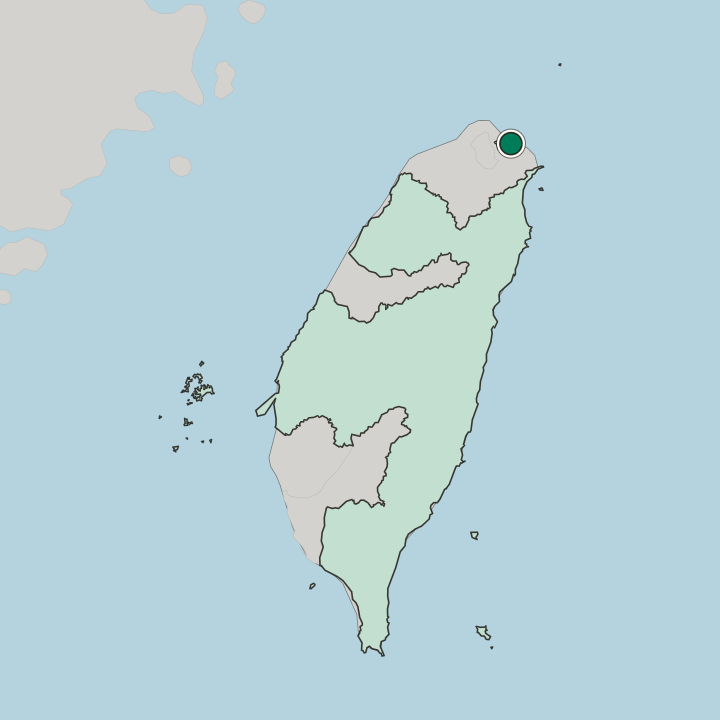
Hills come down to the water. Keelung wraps its harbour with high ground at its back, so building climbs almost straight off the quays and the flat land is measured in streets rather than in districts. Hoping Island lies offshore.
Dashawan marks a further stretch of the same shoreline, and New Taipei City runs up against the landward edge of the city.
What is the climate of Keelung?
Rain is the local signature. The nickname Rainy Port comes from weather that arrives off the sea and stalls against the hills behind Keelung, which is why an umbrella counts as standard equipment on the quays. Subtropical warmth softens it.
Cold rarely bites, and the practical question on a given morning is not the temperature but whether the harbour is under cloud.
How do you get to Keelung?
Most arrivals come from Taipei. Keelung stands at the seaward end of the corridor that runs out through New Taipei City, near enough to the capital that the journey takes part of a morning rather than the whole of a day. Ships set the other rhythm.
The harbour counts among the principal seaports of the island, and its berths give the city a working front door that few places on this coast can match.
Common questions
What is the best area to stay in Keelung?
Below Keelung Tower: harbour watching with the wharves in earshot. Hoping Island: the Todos los Santos church ground and the older harbour. Dashawan: walkers taking the stone walls and the slope behind them.
Good for
More cities in Taiwan
Updated October 2026