United States · Alabama
Where to Stay in Birmingham, Alabama
Iron and furnace smoke shaped Birmingham, a city in Alabama known for Sloss Furnaces and the Birmingham Civil Rights Institute.
Hotel links are affiliate links: booking through them may earn us a commission, at no extra cost to you. It never affects how places are ranked. How this works


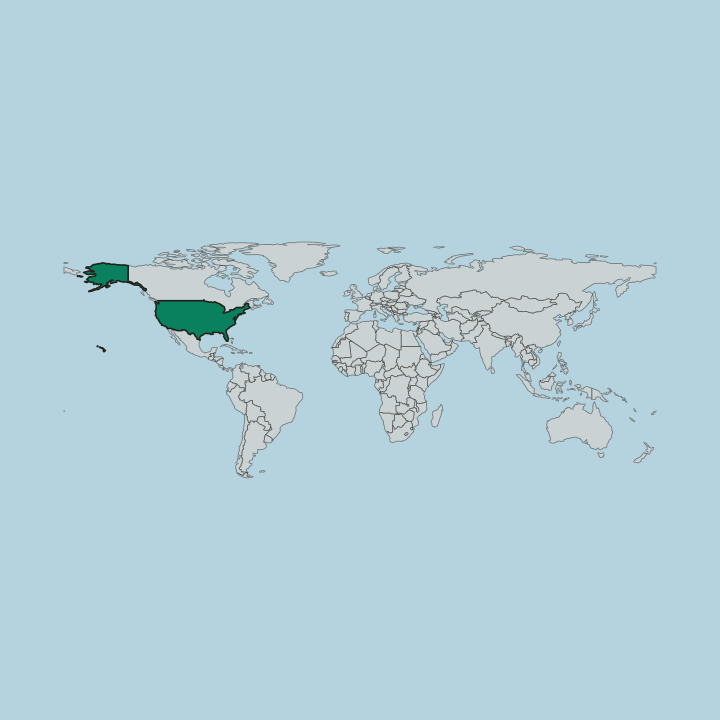
Where to stay in Birmingham
The practical side of choosing where to sleep.
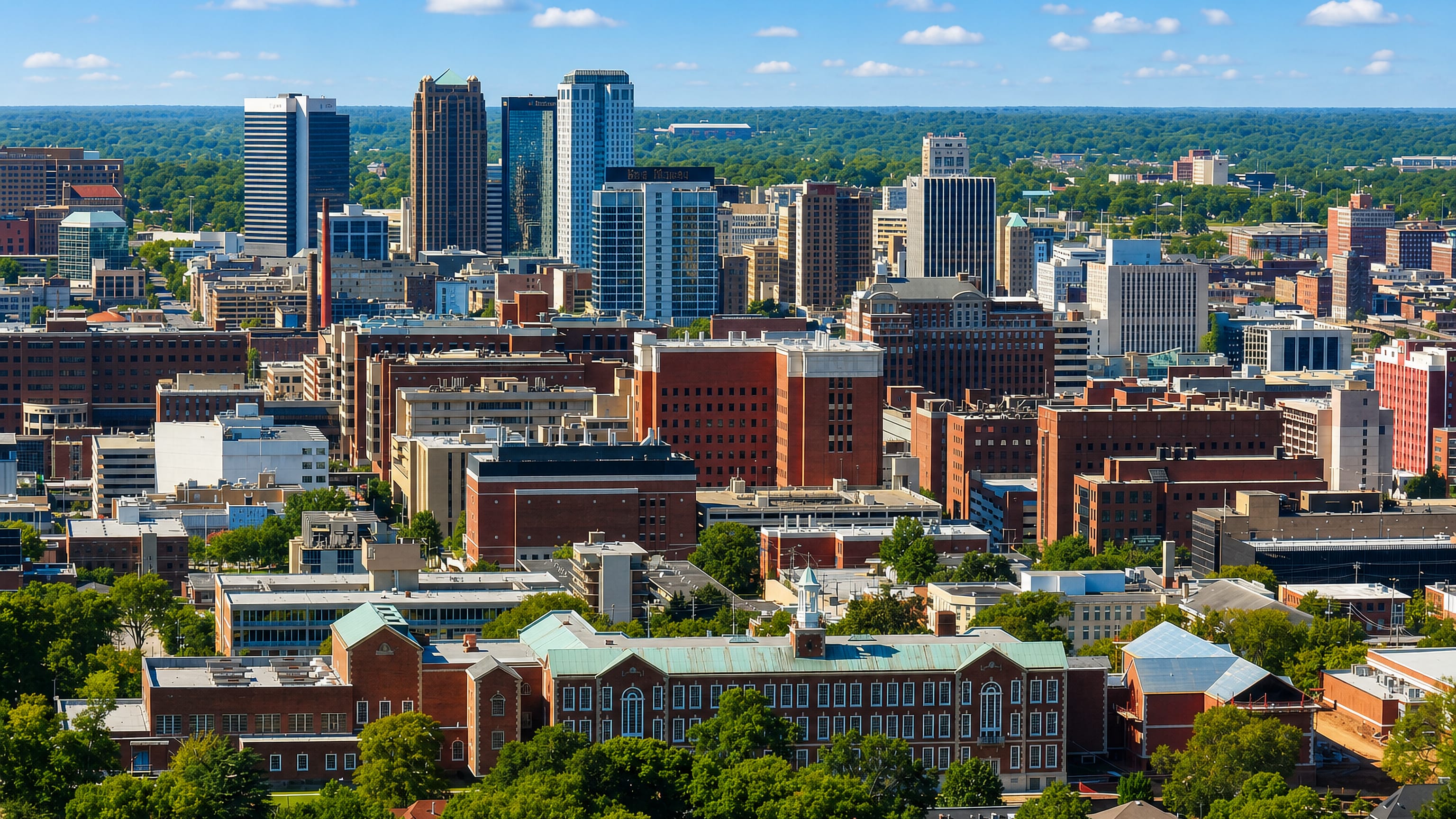
Birmingham spreads across a valley in Alabama, and where you base yourself shapes the visit. The city centre gathers the museums and the memory of the movement, with the Birmingham Civil Rights Institute and the Birmingham Museum of Art set among its blocks. Staying here puts the Alabama Jazz Hall of Fame and McWane Science Center within reach on foot.
It suits first-time visitors who want the sights close at hand. The centre stays walkable. Regions Field brings baseball crowds to the southern edge of downtown, and the Cathedral of Saint Paul rises among the older streets nearby.
Toward the ridges, Vulcan Park & Museum looks down on the whole valley from its hilltop, a quieter base for travellers who prefer a view over the bustle of the core. Sloss Furnaces marks the industrial ground on the eastern side, where the old ironworks tell the story that built the city. The Independent Presbyterian Church and Arlington Antebellum Home & Gardens stand among the residential quarters that ring the centre.
Choose your base in Birmingham by what you came to see, from the downtown museums to the ridge that carries Vulcan above the streets of Alabama.
Find hotels in Birmingham
Direct booking searches for these neighbourhoods.
City centre
The Birmingham Civil Rights Institute and Birmingham Museum of Art sit blocks apart in the downtown core.Find hotels in City centreA hilltop base above the valleyVulcan ridge
Vulcan Park & Museum crowns the ridge with a long view over Birmingham and the Alabama valley below.Find hotels in Vulcan ridgeHotel links are affiliate links: booking through them may earn us a commission, at no extra cost to you. It never affects how places are ranked. How this works
Things to do in Birmingham
Ranked by global recognition; descriptions from Wikidata (CC0).
Museums & Galleries
3- Sloss Furnaces Heritage
- Birmingham Museum of Art
- McWane Science Center
Churches & Religious Sites
7- Cathedral of Saint Paul Heritage
- St. Andrew's Episcopal Church Heritage
- First Presbyterian Church Heritage
- St. Luke AME Church Heritage
- Second Presbyterian Church Heritage
Show 2 more →
- St. Luke AME Zion Church Heritage
- First Baptist Church, East Thomas Heritage
Castles & Historic Sites
1- Confederate Soldiers and Sailors Monument
Stadiums & Sports
2- Regions Field
- Jerry D. Young Memorial Field
Landmarks & Notable Places
2- Agee House Heritage
- Hassinger Castle
worth knowingacross 5 categories in Birmingham
About Birmingham
What is Birmingham known for?
Birmingham is known as an industrial city of Alabama and a centre of iron and steel heritage. Sloss Furnaces stands as the relic of that trade. The Birmingham Civil Rights Institute records the city's part in the movement, and the Alabama Jazz Hall of Fame keeps its musical past.
Art fills the Birmingham Museum of Art, while McWane Science Center draws families to its halls. Vulcan Park & Museum crowns a ridge above the streets. The furnaces still stand.
What are the main landmarks in Birmingham?
Birmingham's landmarks range from ironworks to galleries. Sloss Furnaces preserves the blast furnaces that forged the city, while Vulcan Park & Museum carries its cast-iron colossus on the ridge above. The Birmingham Civil Rights Institute and the Alabama Jazz Hall of Fame hold the city's harder and its lighter history.
Art hangs in the Birmingham Museum of Art, and McWane Science Center fills its halls with hands-on rooms. The Cathedral of Saint Paul rises downtown.
What is the history of Birmingham?
Birmingham was founded in 1871 in the mineral district of Alabama, laid out where iron ore, coal, and limestone met in one valley. The three ingredients of steel lay close together. That rare geology drew furnaces and mills, and Sloss Furnaces went up to smelt the ore into pig iron for the young town.
The city grew fast around the blast furnaces. Foundries and rolling mills followed, and Birmingham became the iron and steel centre of the South, its skyline marked by stacks and smoke. Vulcan, the Roman god of the forge, was cast for the city and now stands in Vulcan Park & Museum as its emblem.
The twentieth century brought a harder chapter. Birmingham became a central battleground of the civil rights movement, and the Birmingham Civil Rights Institute now records those years and the marches that changed the country. Older institutions endured through it all.
The Independent Presbyterian Church and the Cathedral of Saint Paul served the growing city, and the Alabama Jazz Hall of Fame preserves the music that rose from its streets. Arlington Antebellum Home & Gardens survives from the years before the furnaces came. From the ironmaking valley of its founding to its place in the civil rights story, Birmingham has carried the marks of both industry and struggle across Alabama.
Where is Birmingham?
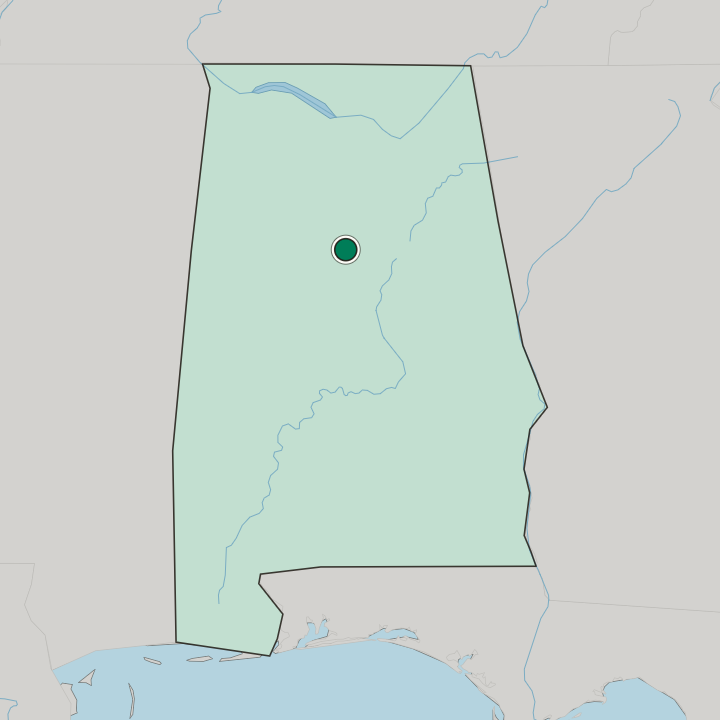
Birmingham lies in a valley of Alabama, walled in by long wooded ridges on either side. The hills close the horizon. A ridge along the southern edge of the city carries Vulcan Park & Museum on its crest, looking down over the whole valley from the height above the streets.
The valley floor holds the old industrial ground, where Sloss Furnaces stands among the flats. Ridge and hollow shape the whole of Birmingham across this corner of Alabama.
What is the climate of Birmingham?
Birmingham has a warm humid climate over the valley of Alabama. Heat settles in the hollows. Afternoon thunderstorms build steadily through the long summer months, rolling off the wooded ridges above the city and breaking over the streets below in heavy bursts.
The cold season passes gently over Birmingham, with lasting snow a rarity on the Alabama ridges. Snow rarely holds on the slopes around Birmingham, and spring and autumn bring the gentlest weather of the whole year.
How do you get to Birmingham?
Most travellers reach Birmingham by road or air. An airport serves the city on its eastern side. Interstate highways cross at Birmingham, tying the valley to the rest of Alabama and the wider South, and long freight lines still run through the industrial ground past Sloss Furnaces.
Rail brought the ore and coal that built the town. The routes that carried iron now carry visitors into the heart of the city.
Common questions
What is the best area to stay in Birmingham?
City centre: Museums and the civil rights trail on foot. Vulcan ridge: A hilltop base above the valley.
Good for
More cities in Alabama
Updated September 2026