United States · Alabama
Where to Stay in Montgomery, Alabama
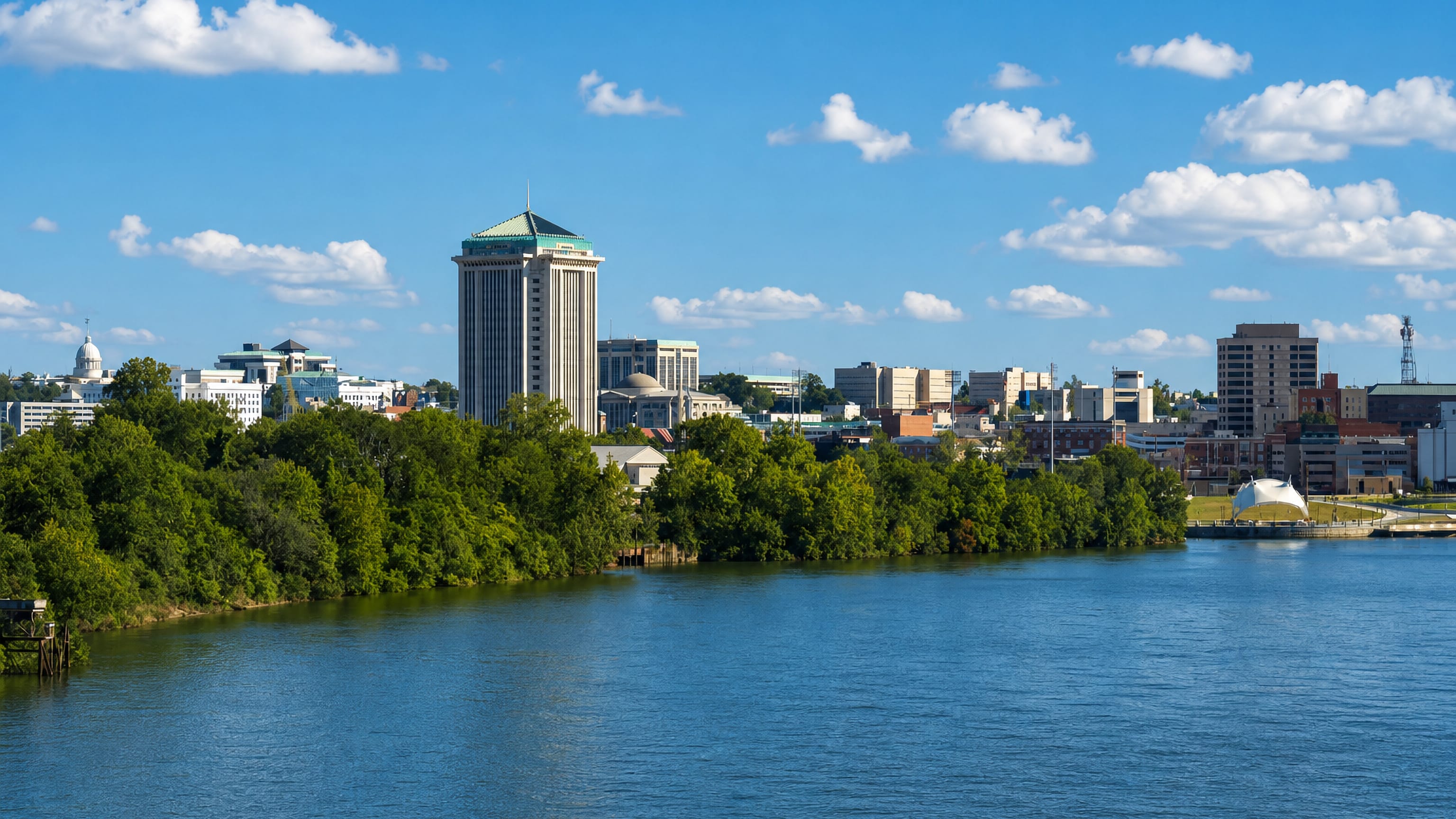
Wide brick streets climb from the river at Montgomery, the capital of Alabama, settled in 1817 and home to the Rosa Parks Museum.
Hotel links are affiliate links: booking through them may earn us a commission, at no extra cost to you. It never affects how places are ranked. How this works


Where to stay in Montgomery
Where visitors usually base themselves, and why.
Montgomery keeps most of its rooms in and around the historic downtown, so where you stay turns on how close you want to be to the memorials and the capitol. The central district holds the museums and the state buildings within a compact grid, and it suits a first visit best. Stay downtown near the Rosa Parks Museum and the Civil Rights Memorial if you come for the history.
The core puts the museums, the memorials and the capitol within a short flat walk of each other, and much of the story sits inside a few blocks. You trade some quiet for that reach. Rooms in the centre fill when the calendar brings crowds to Montgomery, so book ahead in the busy weeks.
Stay closer to the Alabama Department of Archives and History and the older residential streets for a calmer base. This edge of the city keeps you near the Scott and Zelda Fitzgerald Museum and the historic homes, away from the busiest downtown blocks. You walk a little further to the memorials.
It works well for a longer, slower stay across the capital of Alabama.
Find hotels in Montgomery
Direct booking searches for these neighbourhoods.
Historic downtown
The compact core puts the Rosa Parks Museum, the Civil Rights Memorial and the state capitol within one flat walk.Find hotels in Historic downtownVisitors focused on the newer memorial museumsArchives and memorial quarter
The blocks by the Alabama Department of Archives and History sit near The Legacy Museum and the memorial to peace and justice.Find hotels in Archives and memorial quarterA quieter, longer base among the historic homesFitzgerald residential streets
The streets by The Scott and Zelda Fitzgerald Museum give a calm residential base off the busiest downtown blocks.Find hotels in Fitzgerald residential streetsHotel links are affiliate links: booking through them may earn us a commission, at no extra cost to you. It never affects how places are ranked. How this works
Things to do in Montgomery
Ranked by global recognition; descriptions from Wikidata (CC0).
Museums & Galleries
3- The National Memorial to Peace and Justice
- Alabama Department of Archives and History
- Alabama Judicial Building
Churches & Religious Sites
3- St. John's Episcopal Church Heritage
- First Baptist Church
- Trinity Presbyterian Church
Castles & Historic Sites
1- Mothers of Gynecology Monument
Stadiums & Sports
2- DABOS Park
- Paterson Field
Landmarks & Notable Places
8- First White House of the Confederacy Heritage
- The Murphy House Heritage
- McBryde-Screws-Tyson House Heritage
- Gay House Heritage
- Gerald-Dowdell House Heritage
Show 3 more →
- Pepperman House Heritage
- Tyson-Maner House Heritage
- Cassimus House Heritage
worth knowingacross 5 categories in Montgomery
About Montgomery
What is Montgomery known for?
Montgomery is best known as the capital of Alabama and as a centre of American civil-rights history. The Rosa Parks Museum and the Freedom Rides Museum mark events that reshaped the country. Newer memorials stand alongside them.
The National Memorial to Peace and Justice and The Legacy Museum draw visitors from across the world, while the Civil Rights Memorial anchors the story at the heart of Montgomery.
What are the main landmarks in Montgomery?
Montgomery's main landmarks trace both the civil-rights era and the older capital city. The Rosa Parks Museum, the Freedom Rides Museum and The Legacy Museum tell the movement's story, while the Civil Rights Memorial and The National Memorial to Peace and Justice stand as its monuments. Older layers survive too.
The First White House of the Confederacy and St. John's Episcopal Church remain from the antebellum years, and The Scott and Zelda Fitzgerald Museum marks the writers' time in Montgomery.
What is the history of Montgomery?
Montgomery was settled in 1817 and grew into the capital of Alabama on the trade of the river below it. The antebellum decades left it a city of church spires and cotton wealth, marked by buildings such as St. John's Episcopal Church and the First White House of the Confederacy. The river carried the trade.
Its national significance came in the twentieth century. Montgomery was where a bus boycott and the wider civil-rights movement gathered force, events now recorded at the Rosa Parks Museum and the Freedom Rides Museum. Later generations built lasting monuments to that history.
The Civil Rights Memorial, The National Memorial to Peace and Justice and The Legacy Museum turned the city into a place of pilgrimage for that past, and the Alabama Department of Archives and History keeps the wider record. The city holds a literary chapter as well, with The Scott and Zelda Fitzgerald Museum in a house the writers once used. Layer on layer, from antebellum capital to civil-rights landmark, that long story still shapes how Montgomery presents itself.
Where is Montgomery?
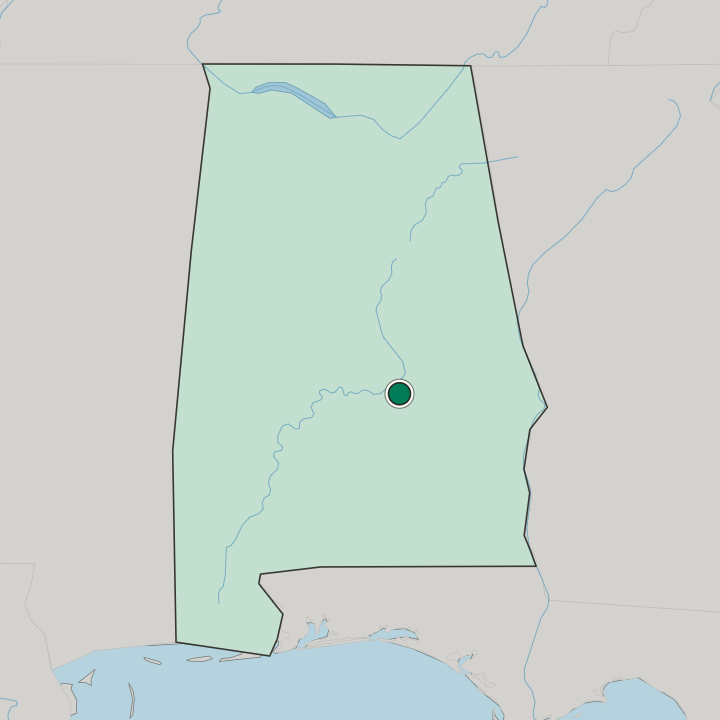
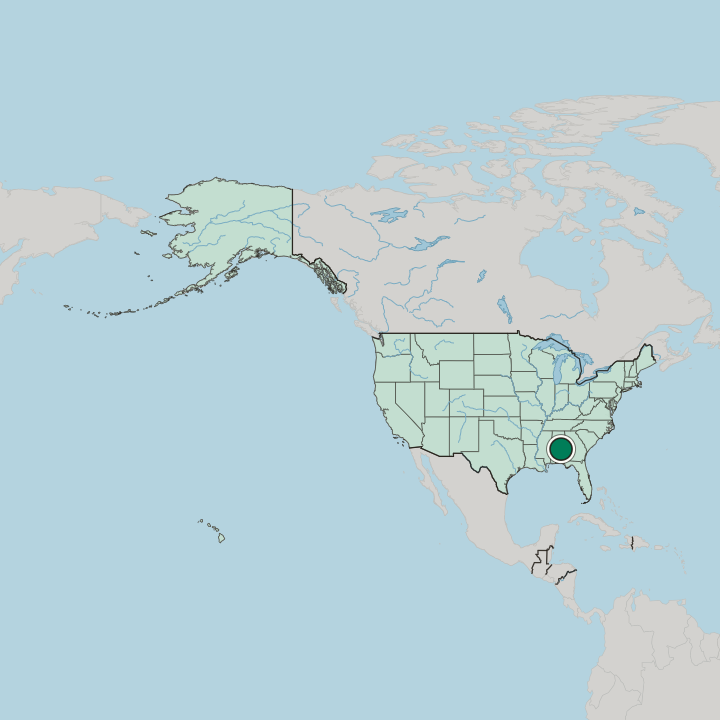
Montgomery sits in central Alabama on the river plain that carried the city's early trade. The land is gently rolling, rising from the water into low ridges where the older streets run. Its downtown is compact.
The capitol and the Civil Rights Memorial crown the central rise, and the wider city of Montgomery spreads outward from there across the middle of Alabama.
What is the climate of Montgomery?
Montgomery has a humid subtropical climate typical of central Alabama. Summers are long, hot and humid, with heavy thunderstorms building through the afternoons. Winters stay mild and brief.
That gentle cool season brings the clearest days for walking between the Rosa Parks Museum and the capitol, while spring and autumn are warm and green across the river plain that Montgomery grew upon.
How do you get to Montgomery?
Montgomery is the capital and a road hub of central Alabama, reached most easily by interstate highway. Its own airport carries the region's scheduled flights, a short drive from the historic downtown. Interstate routes meet here.
Once you arrive, the core of Montgomery is walkable, with the Rosa Parks Museum, the Civil Rights Memorial and the capitol standing close together within an easy few blocks on foot.
Common questions
What is the best area to stay in Montgomery?
Historic downtown: First-timers close to the Rosa Parks Museum and the capitol. Archives and memorial quarter: Visitors focused on the newer memorial museums. Fitzgerald residential streets: A quieter, longer base among the historic homes.
Good for
More cities in Alabama
Updated September 2026