United States · Arizona
Where to Stay in Glendale, Arizona
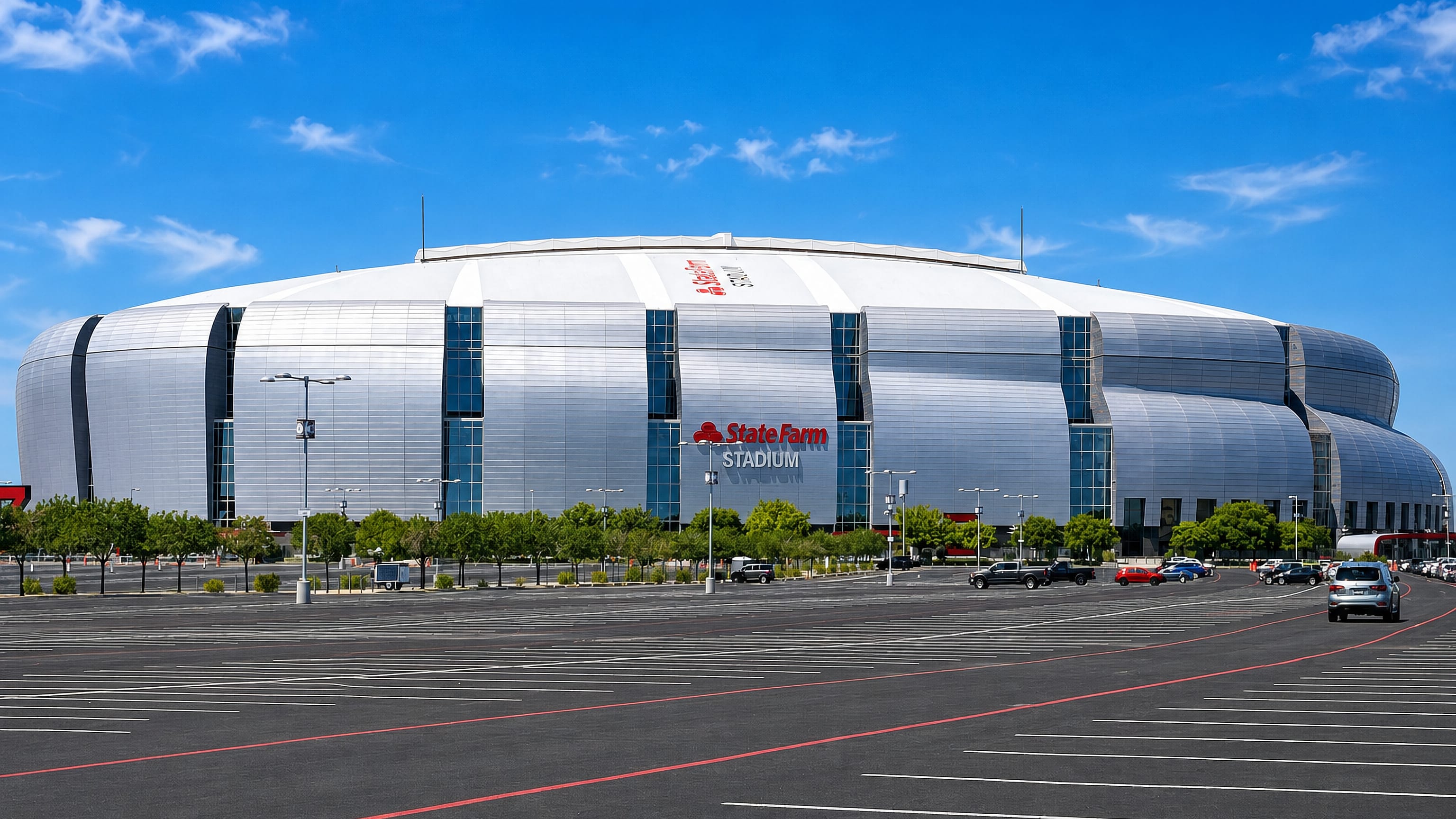
Glendale is a Maricopa County city bordering Phoenix, founded in 1887, known for State Farm Stadium and the bungalow streets of Catlin Court.
Hotel links are affiliate links: booking through them may earn us a commission, at no extra cost to you. It never affects how places are ranked. How this works


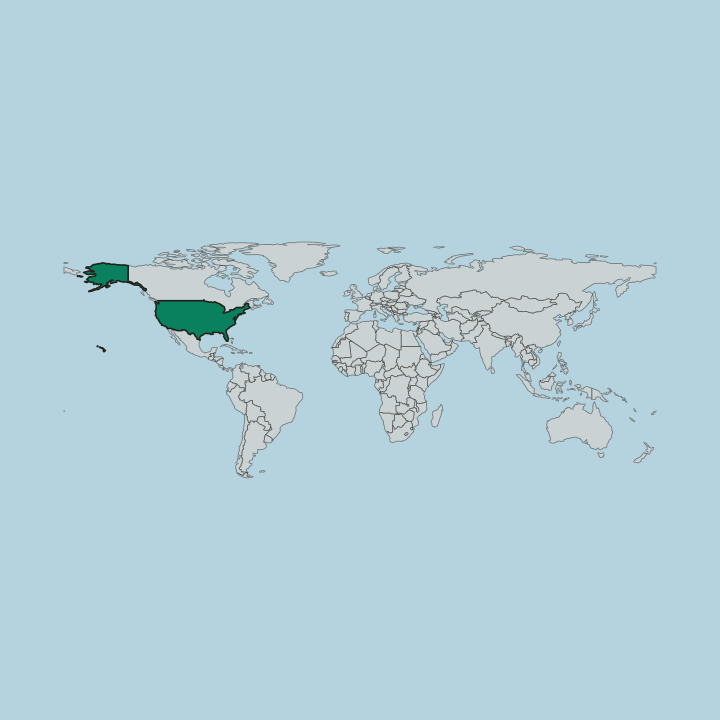
Where to stay in Glendale
How the choice of base plays out on the ground.
Glendale splits between the stadium and the old town. Hotels clustered near State Farm Stadium and Arrowhead Towne Center exist for events and for shopping, and on a quiet weekend they leave you a long drive from anything historic, which is the trade every visitor here makes. The other side is Catlin Court.
Rooms near the Catlin Court Historic District and the Floralcroft Historic District sit among bungalows and shaded streets, within reach of the Glendale High School Auditorium and the First National Bank of Glendale Building. Both districts stay small. Phoenix is the fallback.
The city limits run straight against those of the state capital, so a room in Phoenix serves a Glendale visit perfectly well, provided the drive back out for a fixture does not fall at the wrong hour. Game days change everything. When the Arizona Cardinals play, beds across this part of Maricopa County fill and a walkable address near the stadium beats anything the historic districts can offer.
Otherwise the older half wins, and the streets around The Bead Museum and the Glendale beet sugar factory make the better stay.
Find hotels in Glendale
Direct booking searches for these neighbourhoods.
Catlin Court
The Catlin Court Historic District and the Floralcroft Historic District adjoin the old town blocks. Rooms are few around here — worth securing early.Find hotels in Catlin CourtArizona Cardinals fixtures and the large events that follow themBy State Farm Stadium
Walking reach of State Farm Stadium when the approach roads load upFind hotels in By State Farm StadiumShopping trips built around Arrowhead Towne CenterArrowhead
Arrowhead Towne Center and the retail around it are the whole reason to be on this side of GlendaleFind hotels in ArrowheadHotel links are affiliate links: booking through them may earn us a commission, at no extra cost to you. It never affects how places are ranked. How this works
Things to do in Glendale
Ranked by global recognition; descriptions from Wikidata (CC0).
Museums & Galleries
1- The Bead Museum
Castles & Historic Sites
2- Catlin Court Historic District Heritage
- Floralcroft Historic District Heritage
Landmarks & Notable Places
4- C.H. Tinker House Heritage
- E.C. Bunch House Heritage
- George O. Dowdy Rental Cottage Heritage
- Jonas McNair House Heritage
worth knowingacross 3 categories in Glendale
About Glendale
Football fills the calendar.
What is Glendale known for?
State Farm Stadium stands in Glendale as the home ground of the Arizona Cardinals, and the crowds it pulls have turned an old farm town into an events destination for the whole metropolitan area. Shopping does the rest. Arrowhead Towne Center takes the retail traffic, the Catlin Court Historic District keeps the bungalow streets of the older town intact, and The Bead Museum sits among the city's named institutions.
What are the main landmarks in Glendale?
Sugar started it. The Glendale beet sugar factory stands among the city's named landmarks, alongside the First National Bank of Glendale Building and the Glendale Grammar School One-room Class Building, which together sketch the town that existed long before the stadium. Two historic districts survive.
Catlin Court Historic District and Floralcroft Historic District carry the bungalow blocks, and the Glendale High School Auditorium, the Jonas McNair House, and The Bead Museum complete the roll.
What is the history of Glendale?
Glendale counts its beginnings from 1887. The town took shape on Maricopa County farmland before the surrounding valley had much reason to notice it, and the Glendale beet sugar factory gave the early settlement an industry to go with its irrigated fields. Bungalows followed.
The blocks now protected as the Catlin Court Historic District and the Floralcroft Historic District date from the town's first decades, and the Glendale Grammar School One-room Class Building and the First National Bank of Glendale Building survive from the same stretch of years. Jonas McNair House belongs to the same roll. Phoenix reached the border.
Glendale became a suburb of the state capital as the metropolitan area spread across the Valley of the Sun, and the farm town it had been survived in the historic districts and in the name of the beet sugar factory. Sport arrived late. State Farm Stadium brought the Arizona Cardinals and a run of large events, Arrowhead Towne Center brought the shopping traffic, and what draws outsiders to Glendale belongs almost wholly to that newer era.
The city limits run right against those of Phoenix. The older streets are untouched by any of it.
Where is Glendale?
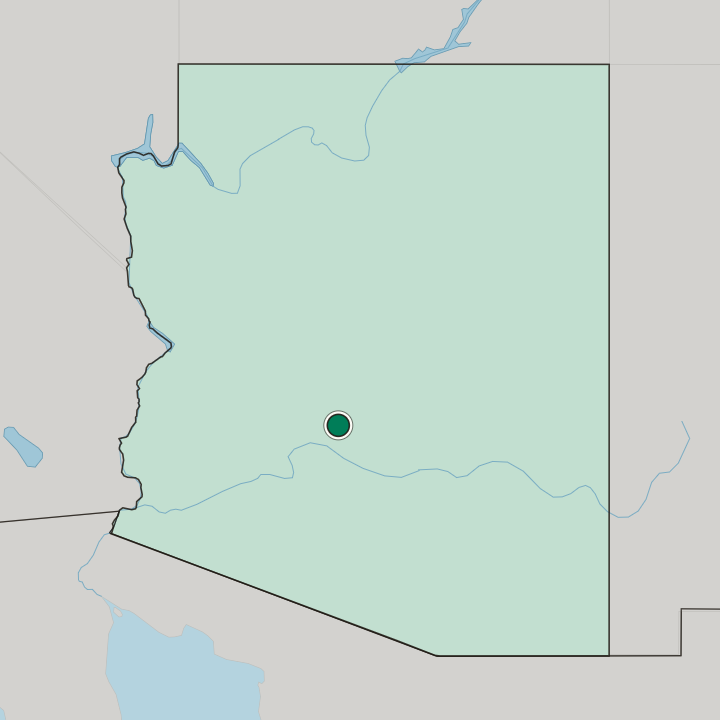
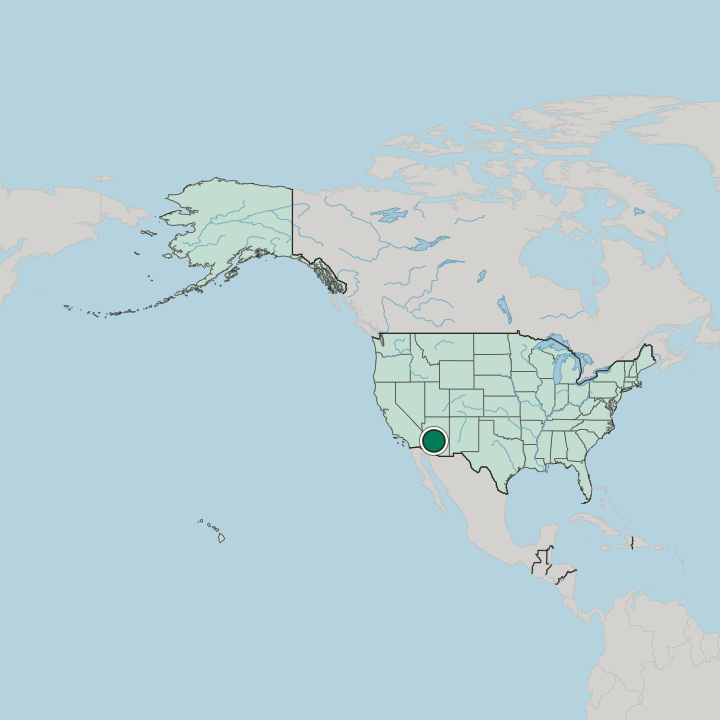
Glendale shares a boundary with Phoenix. The city occupies part of the broad basin that Arizona calls the Valley of the Sun, spreading across Maricopa County in the low, wide street pattern the whole metropolitan area uses. There is no natural edge.
Where Glendale stops and Phoenix starts is a matter of signage, and the same holds for the open ground beyond Arrowhead Towne Center.
What is the climate of Glendale?
The Valley of the Sun earns its name. Glendale takes the subtropical heat of the basin, which pushes the outdoor season into the winter half of the year and empties the streets of the Catlin Court Historic District at midday in summer. Evenings cool slowly.
Shade and water dictate the routine, so an afternoon spent inside The Bead Museum or Arrowhead Towne Center is a practical decision from June through September rather than a preference.
How do you get to Glendale?
Everyone drives in. Glendale meets Phoenix directly across the shared boundary, and the freeway system of Maricopa County is what makes State Farm Stadium reachable from the far side of the Valley of the Sun on a match night. Event traffic is the exception.
On Arizona Cardinals days the approaches load early, and arriving hours ahead of kickoff is standard practice rather than caution.
Common questions
What is the best area to stay in Glendale?
Catlin Court: Walkers who want the bungalow blocks and the Glendale High School Auditorium. By State Farm Stadium: Arizona Cardinals fixtures and the large events that follow them. Arrowhead: Shopping trips built around Arrowhead Towne Center.
Good for
More cities in Arizona
Updated September 2026