United States · Arizona
Where to Stay in Yuma, Arizona
Yuma, county seat of Yuma County in Arizona, holds the Colorado River crossing to California and the old Yuma Territorial Prison.
Hotel links are affiliate links: booking through them may earn us a commission, at no extra cost to you. It never affects how places are ranked. How this works


Where to stay in Yuma
Where the beds are, and what that means for the visit.
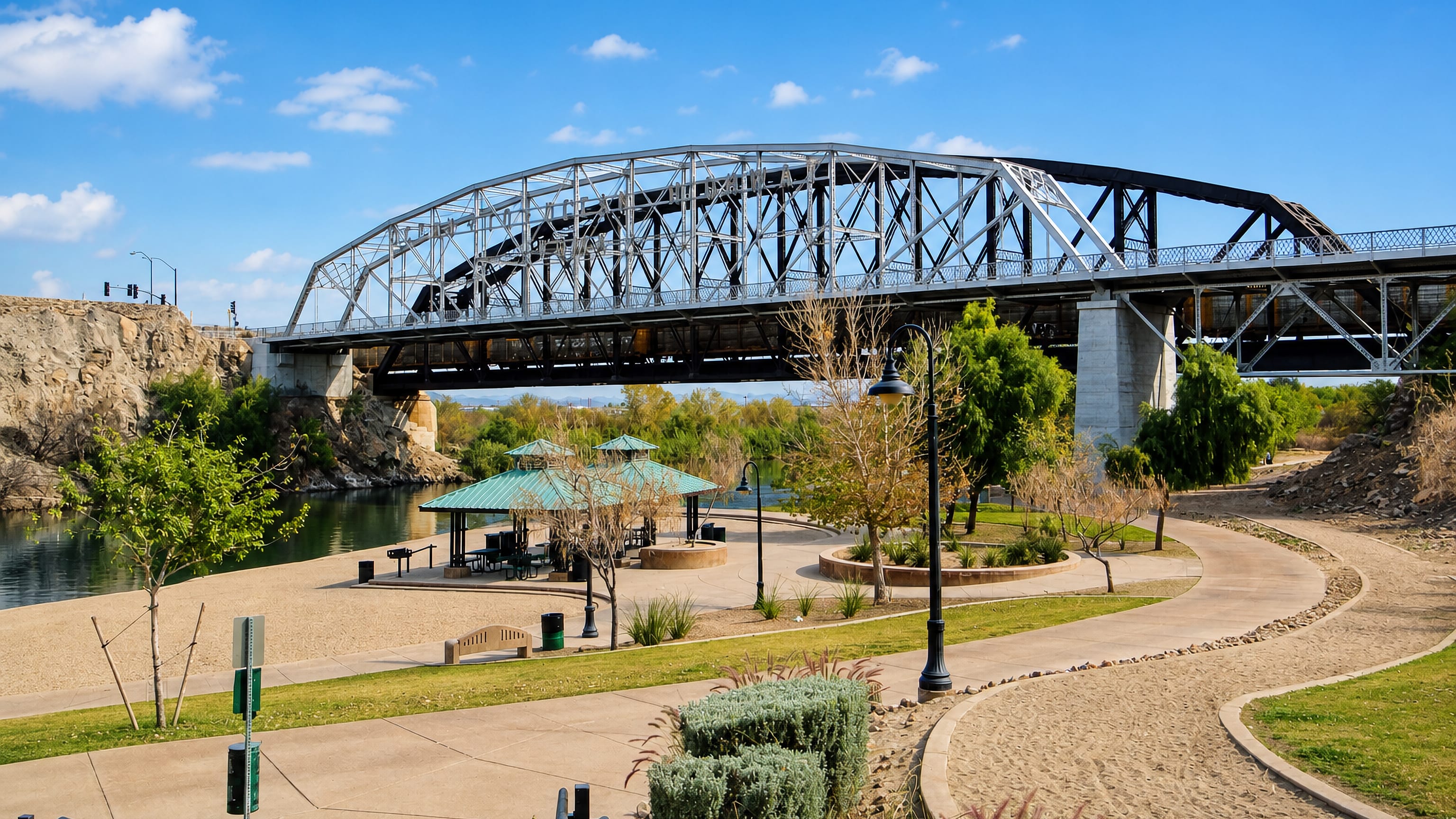
The old town holds the interest. Rooms near the Yuma Territorial Prison and the early streets around the Brown House and the Ortiz House put the walkable part of the city outside the door, which suits anyone here for the history rather than the highway. The river is minutes away.
Evenings there are quiet, with the Pancrazi House and the Methodist Episcopal Church among the buildings on the same short walk. The crossing side works for different trips. A base near the Colorado River and the route to California suits anyone moving on toward Baja California or Sonora, and it keeps the border traffic within easy reach.
Yuma County business fills rooms too, since the county seat draws people who come for the courts and offices rather than the sights. Sport keeps its own corner. The Ray Kroc Baseball Complex sits away from the historic streets, and a room on that side trades the old houses for parking and open ground.
Nothing in Yuma is far from anything else, and the choice comes down to whether the Colorado River, the prison walls or the county business brought the trip about.
Find hotels in Yuma
Direct booking searches for these neighbourhoods.
The prison quarter
Old streets running between the prison walls and the Brown HouseFind hotels in The prison quarterOnward runs to California, Baja California or SonoraBy the Colorado River crossing
The route side of Yuma, within reach of the Colorado River crossingFind hotels in By the Colorado River crossingBall games and easy parking clear of the historic streetsNear the Ray Kroc Baseball Complex
Open ground beside the Ray Kroc Baseball ComplexFind hotels in Near the Ray Kroc Baseball ComplexHotel links are affiliate links: booking through them may earn us a commission, at no extra cost to you. It never affects how places are ranked. How this works
Things to do in Yuma
Ranked by global recognition; descriptions from Wikidata (CC0).
Museums & Galleries
1- Yuma Territorial Prison
Churches & Religious Sites
2- St. Paul's Episcopal Church Heritage
- Methodist Episcopal Church Heritage
Stadiums & Sports
1- Ray Kroc Baseball Complex
Landmarks & Notable Places
8- Brown House Heritage
- Ortiz House Heritage
- Mexican Consulate Heritage
- Jerry Kent House Heritage
- Balsz House Heritage
Show 3 more →
- Brownstetter House Heritage
- Ruth Ewing House Heritage
- Caruthers House Heritage
worth knowingacross 4 categories in Yuma
About Yuma
The Yuma Territorial Prison still stands.
What is Yuma known for?
Its cell blocks and yard beside the Colorado River are the visit most people make, and the crossing itself, with California on the far bank, gives the city its second draw. The old town keeps its early houses, among them the Brown House, the Ortiz House and the Pancrazi House. Baseball has its ground at the Ray Kroc Baseball Complex.
What are the main landmarks in Yuma?
The Yuma Territorial Prison tops everything. Its cells and walls draw the visitors, but the old residential streets carry more names than any single site, from the Brown House and the Ortiz House to the Carmelita Mayhew House and the Norton House. Faith and diplomacy left buildings as well: the Methodist Episcopal Church, the Methodist Parsonage and the Mexican Consulate.
Sport keeps one address. The Ray Kroc Baseball Complex handles the games, while the Frank Ewing House and the Ruth Ewing House stand among the better-kept survivors of the residential stock.
What is the history of Yuma?
The crossing came first. Running between Arizona and California, the river made the site a fixed point for anyone travelling from one state to the other. The Yuma Territorial Prison belongs to that early period, and its walls remain the single most recognisable structure the city has kept.
It held prisoners, not tourists. Yuma County took its name from the same river town, and the courthouse business of the county has stayed here since. The town that grew beside it left a dense record in its houses.
The Brown House, the Ortiz House, the Pancrazi House, the Frank Ewing House and the Ruth Ewing House survive from the decades when Yuma became the seat of Yuma County, and the Methodist Episcopal Church and its Methodist Parsonage mark the same generation. A Mexican Consulate opened here as well, a reminder of how close Baja California and Sonora are to the city. Later names fill the same streets.
The Alfred Griffin House, the George Marable House, the Henry Levy House, the Clara Smith Riley House and the Russell-Williamson House carry the families of the following decades, while the Ray Kroc Baseball Complex belongs to a later century entirely.
Where is Yuma?
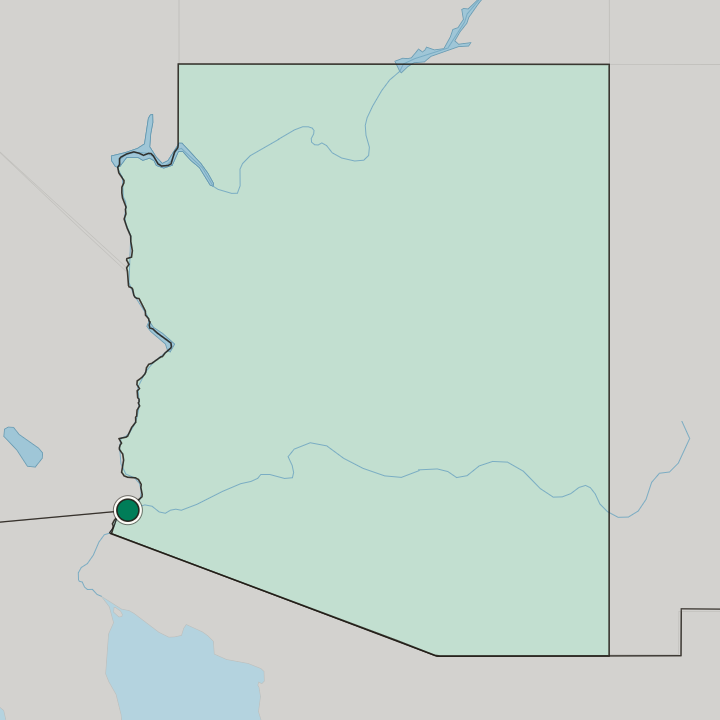
The Colorado River draws the line. Yuma sits on its bank with California across the water, and the Mexican states of Baja California and Sonora lie close enough that the city functions as a border town as much as a county seat. Two nations meet nearby.
Yuma County spreads wide around the city, and the Colorado River remains the defining feature of the setting, the reason the crossing to California exists at all.
What is the climate of Yuma?
Water is the local luxury. Yuma lies in the subtropical band, where the Colorado River is the one dependable source of water and the summer sun sets the limits on the working day. Winters here are gentle.
Cooler months bring the season when the Ray Kroc Baseball Complex, the riverfront and the streets of the old town are comfortable to walk.
How do you get to Yuma?
Roads bring most people here. Yuma sits on the way between Arizona and California, and the crossing over the Colorado River carries traffic that keeps the city connected in both directions. The Mexican border is close.
Baja California and Sonora lie near enough that crossings into Mexico are part of ordinary movement, and within the city itself the distances between the Yuma Territorial Prison, the old houses and the Ray Kroc Baseball Complex are short.
Common questions
What is the best area to stay in Yuma?
The prison quarter: History trips built around the Yuma Territorial Prison. By the Colorado River crossing: Onward runs to California, Baja California or Sonora. Near the Ray Kroc Baseball Complex: Ball games and easy parking clear of the historic streets.
Good for
More cities in Arizona
Updated October 2026