United States · Arizona
Where to Stay in Mesa, Arizona
Mesa is Arizona's third-largest city, founded in 1878 in Maricopa County and the most populous city in the United States that is not a county seat.
Hotel links are affiliate links: booking through them may earn us a commission, at no extra cost to you. It never affects how places are ranked. How this works


Where to stay in Mesa
The practical side of choosing where to sleep.
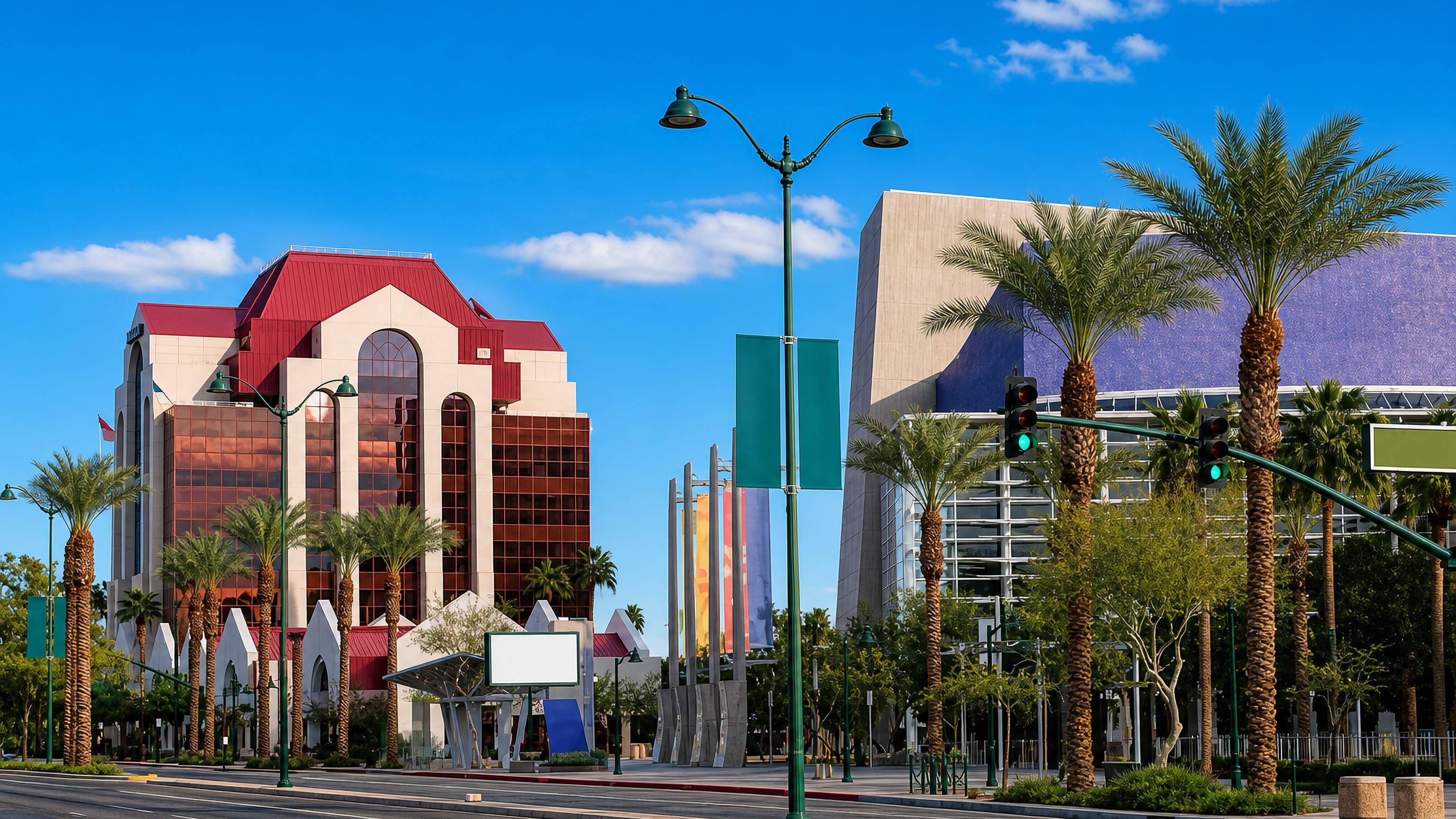
Downtown Mesa is the walkable choice. Rooms near the Mesa Arts Center put the Arizona Museum of Natural History, the Sirrine House, and the oldest blocks of the city within a short walk, which is unusual anywhere in the East Valley and worth taking when it is on offer. Anywhere else, you drive.
Mesa covers a very wide stretch of Maricopa County, so an address picked at random can sit a long way from the Mesa Grande Visitor Center and from everything else worth reaching. Downtown rooms are the scarce ones. The edges each lead somewhere different. Tempe lies on the west, the Salt River Pima-Maricopa Indian Community on the north, Chandler and Gilbert on the south along with Queen Creek, and Apache Junction on the east, so the border nearest a hotel decides what an easy evening looks like.
Sloan Park and Fitch Park pull their own visitors. Staying out that way suits you if the parks rather than the downtown museums are the reason for the trip, and Golfland Sunsplash falls into the same family bracket. Phoenix is close enough to serve as a fallback.
Find hotels in Mesa
Direct booking searches for these neighbourhoods.
Downtown Mesa
The Sirrine House and the earliest Mesa blocks stand within a short walk of the arts centre. Few places to stay nearby — book ahead.Find hotels in Downtown MesaTrips built around Sloan Park and Fitch Park rather than the museumsAround Sloan Park
Both parks and Golfland Sunsplash lie within one short drive of each otherFind hotels in Around Sloan ParkDrivers leaving Mesa eastward early in the morningThe Apache Junction edge
Quickest exit toward Apache Junction, clear of the Tempe side of the cityFind hotels in The Apache Junction edgeHotel links are affiliate links: booking through them may earn us a commission, at no extra cost to you. It never affects how places are ranked. How this works
Things to do in Mesa
Ranked by global recognition; descriptions from Wikidata (CC0).
Museums & Galleries
2- Mesa Arts Center
- i.d.e.a. Museum
Churches & Religious Sites
3- First United Methodist Church of Mesa (Arizona)
- Mount Calvary Baptist Church (Mesa, Arizona)
- Queen of Peace Catholic Church (Mesa, Arizona)
Castles & Historic Sites
1- Mesa Grande Heritage
Stadiums & Sports
2- Sloan Park
- Fitch Park
Landmarks & Notable Places
5- Sirrine House Heritage
- Strauch House Heritage
- Angulo-Hostetter House Heritage
- Mesa Journal-Tribune FHA Demonstration Home Heritage
- Spangler-Wilbur House Heritage
worth knowingacross 5 categories in Mesa
About Mesa
Size is the surprise here.
What is Mesa known for?
The third-largest city in Arizona sits inside the Phoenix metropolitan area as the most populous place in the East Valley, which is how somewhere of this rank ends up filed under the heading of suburb. The museums carry the visit. Mesa Arts Center, the Arizona Museum of Natural History, and the Mesa Grande Visitor Center anchor a downtown that also keeps the Sirrine House and a run of early buildings, while Sloan Park, Fitch Park, and Golfland Sunsplash cover the open-air end.
What are the main landmarks in Mesa?
The list is long for a suburb. Mesa Arts Center and the Arizona Museum of Natural History lead it, with Mesa Grande and its own Mesa Grande Visitor Center listed apart, and Sloan Park, Fitch Park, and Golfland Sunsplash covering the open-air end. Older houses fill the rest.
Sirrine House, Strauch House, the Angulo-Hostetter House, and the Spangler-Wilbur House all carry names from the early town, and the Queen of Peace Catholic Church stands among the city's listed buildings.
What is the history of Mesa?
Mesa dates from 1878. That puts its founding well ahead of the suburban decades that produced most of the East Valley, and the early town survives in names like the Sirrine House, the Strauch House, and the Spangler-Wilbur House. Congregations left buildings of their own.
The Queen of Peace Catholic Church, the First United Methodist Church of Mesa, and Mount Calvary Baptist Church all appear among the city's named landmarks. One thing never followed. Mesa never became a county seat, and it grew regardless, to the point of being the most populous city in the United States without that status.
Growth made it a city in its own right. It ranks third in Arizona behind Phoenix and Tucson, and it carries more people than anywhere else in the East Valley of the Phoenix metropolitan area, which the wider Greater Phoenix picture tends to obscure. The borders tell the rest.
Tempe on the west, the Salt River Pima-Maricopa Indian Community on the north, Chandler, Gilbert, and Queen Creek on the south, and Apache Junction on the east left Mesa hemmed in on every side, so the growth went into the ground the city already held. Downtown kept its institutions through all of it, and the Mesa Arts Center and the Arizona Museum of Natural History belong to that continuity rather than to the newer edges.
Where is Mesa?
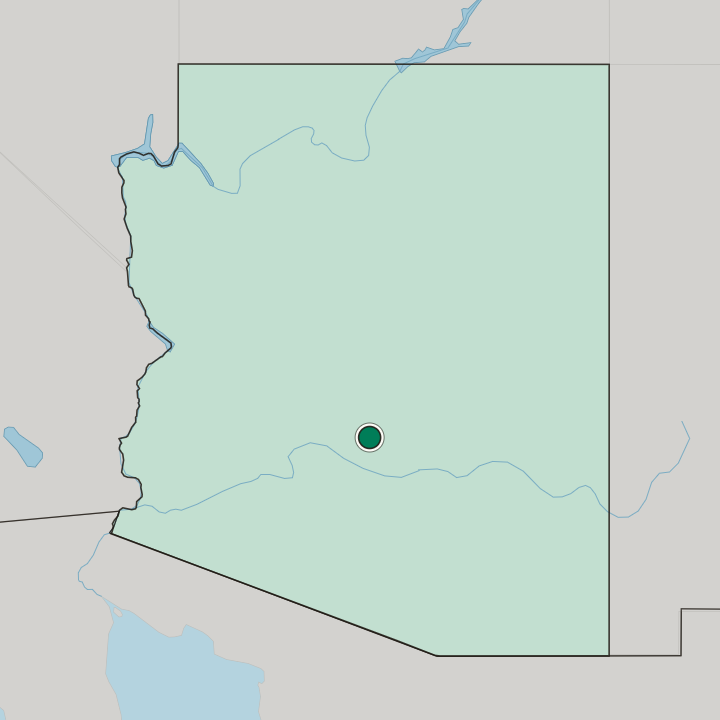
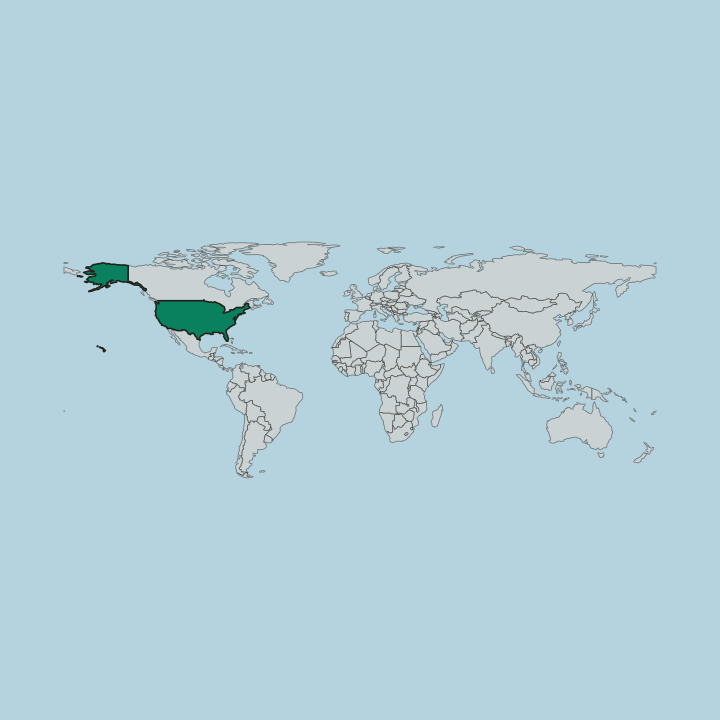
Mesa fills a large block of Maricopa County. The city lies in the East Valley of the Phoenix metropolitan area with Tempe on the west and Apache Junction on the east, and the Salt River Pima-Maricopa Indian Community forms the boundary on the north. Chandler and Gilbert take the south.
Nothing in the terrain marks any of these edges, since the whole of Greater Phoenix runs together as one built surface across the county.
What is the climate of Mesa?
The visitor season inverts here. Summer heat across Maricopa County empties the streets of downtown Mesa in the middle of the day, and the months that fill the hotels here are the quiet ones almost anywhere further north. Indoor plans carry July.
The Arizona Museum of Natural History and the Mesa Arts Center absorb the hottest afternoons, while Golfland Sunsplash and Fitch Park work best once the evenings cool.
How do you get to Mesa?
Getting into Mesa means driving. The freeway network of Greater Phoenix ties it to Phoenix and Tempe on one side and out toward Apache Junction on the other, and a car is the assumption behind every distance quoted in the city. Downtown is the exception.
The blocks around the Mesa Arts Center can be covered on foot, but reaching Sloan Park, the Mesa Grande Visitor Center, or the Gilbert and Chandler boundaries means driving.
Common questions
What is the best area to stay in Mesa?
Downtown Mesa: Museum days at the Mesa Arts Center and the Arizona Museum of Natural History. Around Sloan Park: Trips built around Sloan Park and Fitch Park rather than the museums. The Apache Junction edge: Drivers leaving Mesa eastward early in the morning.
Good for
More cities in Arizona
Updated September 2026