United States · Arizona
Where to Stay in Tempe, Arizona
Tempe is the Arizona State University city of Greater Phoenix, founded in 1879 and built around its campus, stadiums and nightlife.
Hotel links are affiliate links: booking through them may earn us a commission, at no extra cost to you. It never affects how places are ranked. How this works


Where to stay in Tempe
The practical side of choosing where to sleep.
The campus decides most of it. Rooms within reach of Arizona State University put the Arizona State University Art Museum, Desert Financial Arena and the late-opening bars of the student quarter in one short walk, which suits anyone here for a game or a term. Nightlife runs later here than the Arizona norm.
Noise comes with it. Ballpark stays work differently. A base near Tempe Diablo Stadium or Phoenix Municipal Stadium trades campus walking for parking and quiet, and the drive back after a game is short in either direction.
Both parks sit inside the same sprawl. Families often pick the museum side, closer to the Phoenix Zoo and the Hall of Flame Fire Museum, where days fill without a lecture timetable to work around. Older Tempe is the quiet option.
The streets holding the Rose Eisendrath House, the Elliott House and Tempe First United Methodist Church sit off the main student routes, and rooms there stay calmer through term time. Greater Phoenix absorbs the overflow when Arizona State University events fill every room in Maricopa County, and a suburb bed with a short drive in is the usual fallback.
Find hotels in Tempe
Direct booking searches for these neighbourhoods.
The campus quarter
Walking distance to the Arizona State University Art Museum and Desert Financial ArenaFind hotels in The campus quarterBallpark trips split between Tempe Diablo Stadium and Phoenix Municipal StadiumBy Tempe Diablo Stadium
Parking and quiet a short drive from both of the city's ballparksFind hotels in By Tempe Diablo StadiumFamily days built around the Phoenix Zoo and the Hall of Flame Fire MuseumThe museum side
The nearest ground to the Phoenix Zoo, clear of the student routesFind hotels in The museum sideHotel links are affiliate links: booking through them may earn us a commission, at no extra cost to you. It never affects how places are ranked. How this works
Things to do in Tempe
Ranked by global recognition; descriptions from Wikidata (CC0).
Museums & Galleries
2- Center for Meteorite Studies
- American Museum of Nursing
Churches & Religious Sites
3- First Congregational Church (Tempe, Arizona)
- Our Lady of Mount Carmel Church (Tempe, Arizona)
- Tempe First United Methodist Church
Stadiums & Sports
3- Desert Financial Arena
- Tempe Diablo Stadium
- Mona Plummer Aquatic Center
Landmarks & Notable Places
8- Rose Eisendrath House Heritage
- Harrington-Birchett House Heritage
- C.P. Mullen House Heritage
- Byron Redden House Heritage
- Elias-Rodriguez House Heritage
Show 3 more →
- Elliott House Heritage
- Farmer-Goodwin House Heritage
- Gov. Benjamin B. Moeur House Heritage
worth knowingacross 4 categories in Tempe
About Tempe
The university sets the tempo.
What is Tempe known for?
Arizona State University fills the middle of town with lecture halls, the Arizona State University Art Museum and the Center for Meteorite Studies, and the student crowd keeps the bars and music rooms working late. Sport takes the rest of the calendar, from Desert Financial Arena to Tempe Diablo Stadium and Phoenix Municipal Stadium. The Phoenix Zoo sits close by.
What are the main landmarks in Tempe?
Arizona State University owns the landmark list. The Arizona State University Art Museum hangs the art, the Center for Meteorite Studies keeps the rocks, and Desert Financial Arena and the Mona Plummer Aquatic Center carry the sport. Two ballparks stand apart from campus: Tempe Diablo Stadium and Phoenix Municipal Stadium.
Older Tempe survives in houses. The Rose Eisendrath House and the Elliott House keep that fabric, while the Phoenix Zoo, the Hall of Flame Fire Museum and the American Museum of Nursing draw visitors who never set foot on campus.
What is the history of Tempe?
Settlement on this ground is dated to 1879. The town took shape in Maricopa County well before Greater Phoenix grew around it, and the street names, house lots and church sites of those first decades still sit inside the modern grid. Its early families left their houses behind: the Rose Eisendrath House, the Farmer-Goodwin House, the Elias-Rodriguez House and the Harrington-Birchett House among them.
Congregations came early too. The First Congregational Church, Our Lady of Mount Carmel Church and Tempe First United Methodist Church mark three strands of the same founding generation. The university changed the scale of everything.
Arizona State University drew students in numbers the old townsite was never built for, and the campus spread its museums, arenas and pools across ground the early town never used. The Arizona State University Art Museum and the Center for Meteorite Studies belong to that expansion, as do Desert Financial Arena and the Mona Plummer Aquatic Center. Baseball arrived on its own track, with Tempe Diablo Stadium and Phoenix Municipal Stadium giving the city two ballparks.
Museums followed the crowds. The Hall of Flame Fire Museum and the American Museum of Nursing keep collections that have little to do with the university, and the Phoenix Zoo draws families from across Maricopa County.
Where is Tempe?
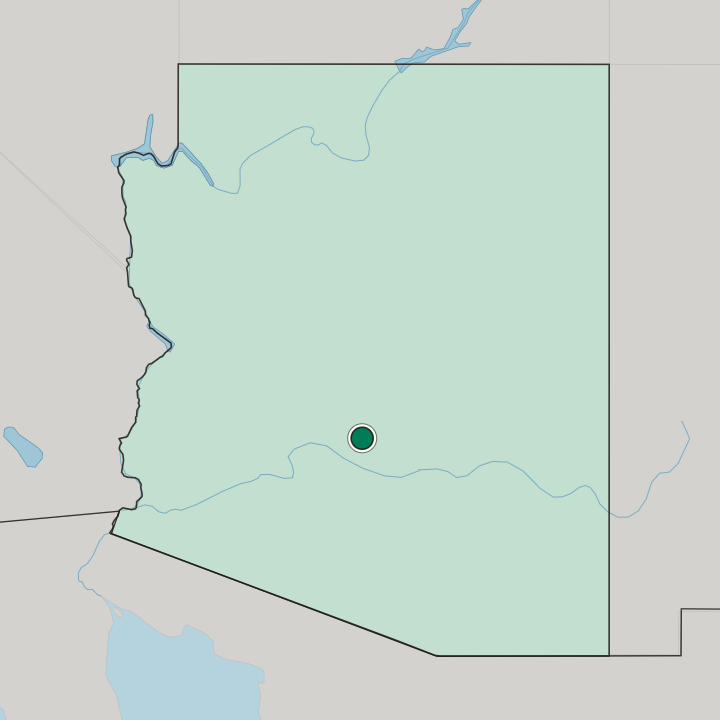
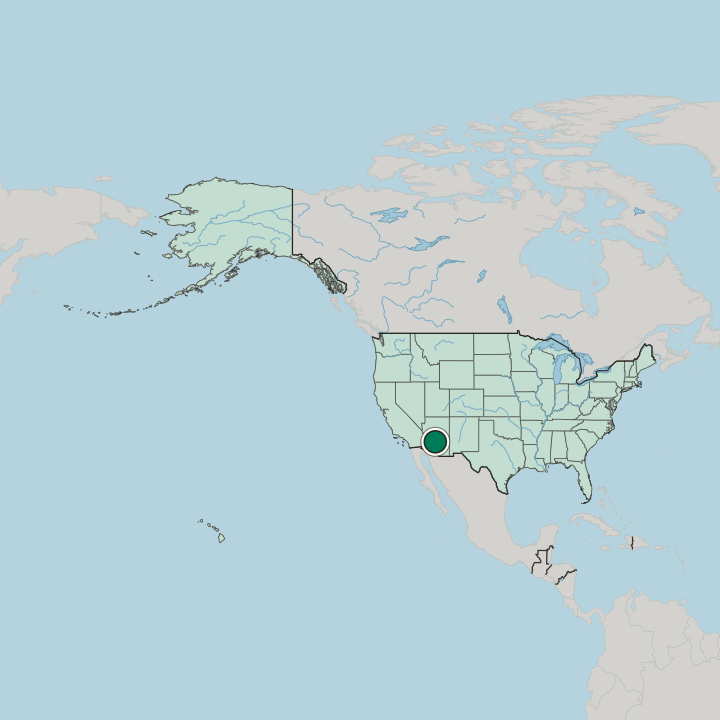
Tempe fills a compact square in Maricopa County. Greater Phoenix wraps it on every side, and the city runs tight enough that campus, stadiums and the older residential streets sit within a short drive of one another. Little separates it from Phoenix.
The desert sets the ground beneath, and the built edges of neighbouring suburbs, rather than open country, mark where Tempe stops.
What is the climate of Tempe?
Heat runs the year here. Tempe sits in the subtropical band, so the Arizona State University calendar, the crowds at Tempe Diablo Stadium and most outdoor plans bend around the months when the sun is hardest. Winter is the comfortable season.
Shade and water shape the routine, which is why the Mona Plummer Aquatic Center and the indoor floor of Desert Financial Arena carry much of the sporting year.
How do you get to Tempe?
Greater Phoenix is the approach. Tempe sits inside that metropolitan area rather than beyond it, so arrivals come through the wider Phoenix hub and finish with a short run to campus, to Tempe Diablo Stadium or to Phoenix Municipal Stadium. The compact plan helps.
Distances inside Maricopa County stay modest once the city is reached, and much of the university ground around Desert Financial Arena is walkable end to end.
Common questions
What is the best area to stay in Tempe?
The campus quarter: Terms, matches and late bars beside the Arizona State University campus. By Tempe Diablo Stadium: Ballpark trips split between Tempe Diablo Stadium and Phoenix Municipal Stadium. The museum side: Family days built around the Phoenix Zoo and the Hall of Flame Fire Museum.
Good for
More cities in Arizona
Updated October 2026