United States · California
Where to Stay in Alhambra, California
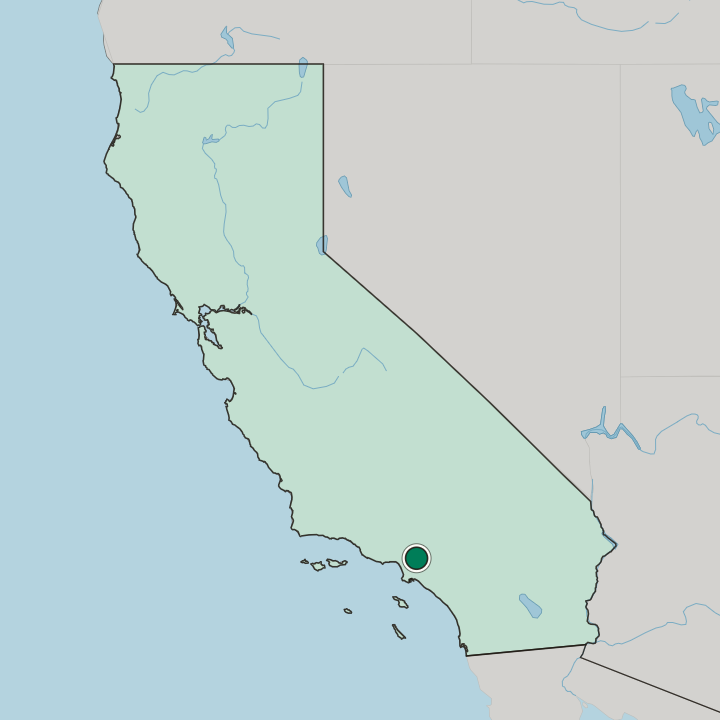
Alhambra is a compact city in the western San Gabriel Valley, about 8 miles east of the downtown Los Angeles civic center.
Hotel links are affiliate links: booking through them may earn us a commission, at no extra cost to you. It never affects how places are ranked. How this works


Where to stay in Alhambra
The practical side of choosing where to sleep.
Distance to the museums decides most of it. A room in Alhambra itself puts you on level valley ground within a short drive of both ends of the county, which is the practical argument for basing here rather than paying downtown rates for a bed you will only sleep in. The city is quiet at night.
Restaurants rather than sights fill the evening, and the Chinese kitchens that spread through this part of the San Gabriel Valley are the reason many people book the address in the first place. Monterey Park adjoins Alhambra and offers more of the same, denser again in its Chinese community, and it suits anyone whose trip is built around eating. Pasadena is the alternative for gallery days, close to the Norton Simon Museum, the Pacific Asia Museum, the Pasadena Museum of History, and the Pasadena Museum of California Art.
Families gain there too, with the Kidspace Children's Museum and the Rose Bowl Aquatics Center in the same orbit. Downtown Los Angeles lies roughly 8 miles the other way, and staying at that civic center end trades quiet streets for The Broad, the Museum of Contemporary Art, Los Angeles, and the Japanese American National Museum within walking reach of one another. Traffic is the deciding factor between them all.
Anyone who plans to cross Los Angeles County twice a day will find the Alhambra middle ground easier than either edge, because the drive shortens in whichever direction the day happens to run.
Find hotels in Alhambra
Direct booking searches for these neighbourhoods.
Alhambra
Level San Gabriel Valley ground with Chinese kitchens on the doorstep and short drives either way.Find hotels in AlhambraEating your way through the valleyMonterey Park
The adjoining city, denser again than Alhambra in its ethnic Chinese community.Find hotels in Monterey ParkGallery days and children's outingsPasadena
Within reach of the Norton Simon Museum, the Pasadena Museum of History and the Kidspace Children's Museum.Find hotels in PasadenaWalking between the big collectionsDowntown Los Angeles
The civic center Alhambra measures itself against, holding The Broad and the Japanese American National Museum.Find hotels in Downtown Los AngelesHotel links are affiliate links: booking through them may earn us a commission, at no extra cost to you. It never affects how places are ranked. How this works
Things to do in Alhambra
Ranked by global recognition; descriptions from Wikidata (CC0).
Museums & Galleries
3- The Huntington Library, Art Museum, and Botanical Gardens
- The Broad
- Chinese American Museum
Castles & Historic Sites
1- Statue of Bruce Lee
Stadiums & Sports
2- The Berrics
- Rose Bowl Aquatics Center
Landmarks & Notable Places
1- Garbutt House Heritage
worth knowingacross 4 categories in Alhambra
About Alhambra
What is Alhambra known for?
Community and food carry Alhambra's name further than any monument does. A large ethnic Chinese community has made this stretch of the San Gabriel Valley its own, and Alhambra sits inside that belt, though the neighbouring city of Monterey Park holds the denser concentration of the two. Grids of small blocks fill the ground.
Museums supply the visiting hours, with the Norton Simon Museum and the Pacific Asia Museum on one side of the county and the Chinese American Museum on the other. Los Angeles County wraps around it all.
What are the main landmarks in Alhambra?
Alhambra keeps its own list short and borrows freely. The Huntington Library, Art Museum, and Botanical Gardens is the heavyweight within an easy drive, and the Pasadena Museum of California Art, the Pasadena Museum of History, and St Andrew's Catholic Church sit in the same direction. Downtown answers with towers.
The Broad and the Museum of Contemporary Art, Los Angeles hold the modern collections beneath the bulk of the Aon Center, while the Statue of Bruce Lee, Velveteria, and the skate ground of The Berrics cover the county's stranger end.
What is the history of Alhambra?
Incorporation came in 1903. What preceded it is written into the older fabric of Los Angeles County rather than into Alhambra's own streets: the adobe building tradition that the Lugo Adobe still represents, and the parish foundation of La Iglesia de Nuestra Señora Reina de los Angeles, both of them older than any city charter in the western San Gabriel Valley. Alhambra took shape on flat ground between those beginnings and the valley beyond.
Its growth belonged to a wider pattern of small municipalities filling the floor of the valley one grid at a time. The century that followed layered community on community, and the county's memorials read as a record of it. Fort Moore Pioneer Memorial marks the earliest of those layers, the Cathedral of Saint Vibiana and the Angelus Temple stand for successive waves of congregation-building, and the Go For Broke Monument, the Armenian Genocide Martyrs Monument, and LA Plaza de Cultura y Artes each hold the memory of a separate arrival.
Alhambra's own chapter in that sequence is the Chinese one. Families settled here and in Monterey Park in numbers large enough to reshape the commercial streets of both cities, and the Chinese American Museum and the Japanese American National Museum now document that broader Asian American presence across Los Angeles County. Domestic survivals such as the Garbutt House fill in the private side of the same period.
The result is a city better read through its neighbours than through any monument of its own.
Where is Alhambra?
The western San Gabriel Valley holds Alhambra, inside Los Angeles County, California, roughly 8 miles east of the downtown Los Angeles civic center. Monterey Park adjoins it. Ground here is level and built up in every direction, so the city runs into its neighbours without much of a break, and the valley rather than any river or shoreline supplies the frame.
Pasadena lies within the same short radius of museums and gardens.
What is the climate of Alhambra?
The valley floor sets the terms. Alhambra lies within the subtropical band with no coastline of its own, so heat gathers over the flat, built-up ground of the western San Gabriel Valley and the warm half of the year runs long. Work the shade into your day.
An afternoon indoors at the Norton Simon Museum or the Pacific Asia Museum is the standard tactic once the valley has heated up.
How do you get to Alhambra?
Most arrivals come through Los Angeles. The downtown civic center sits about 8 miles west of Alhambra, close enough that the towers around the Aon Center are a familiar marker on the run in, far enough that the two places keep different hours. Monterey Park is next door.
Getting anywhere else in Los Angeles County means driving, and the western San Gabriel Valley is well enough threaded with roads that Pasadena and the coast side of the county are both reachable inside an ordinary morning.
Common questions
What is the best area to stay in Alhambra?
Alhambra: A middle base between valley and civic center. Monterey Park: Eating your way through the valley. Pasadena: Gallery days and children's outings. Downtown Los Angeles: Walking between the big collections.
Good for
More cities in California
Updated October 2026