United States · California
Where to Stay in Livermore, California
Livermore holds the eastern edge of the San Francisco Bay Area, in the Tri-Valley near Altamont Pass, with Concannon Vineyard among its landmarks.
Hotel links are affiliate links: booking through them may earn us a commission, at no extra cost to you. It never affects how places are ranked. How this works


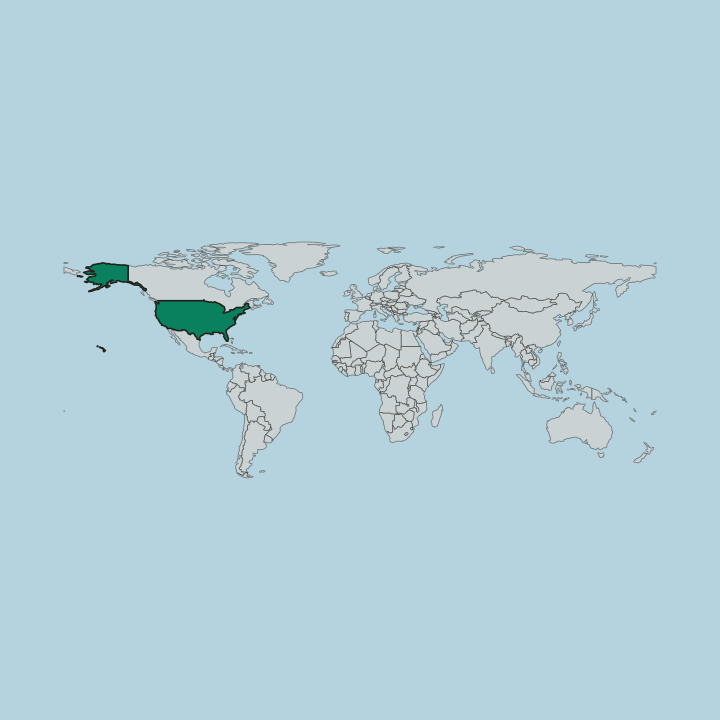
Where to stay in Livermore
Where the beds are, and what that means for the visit.
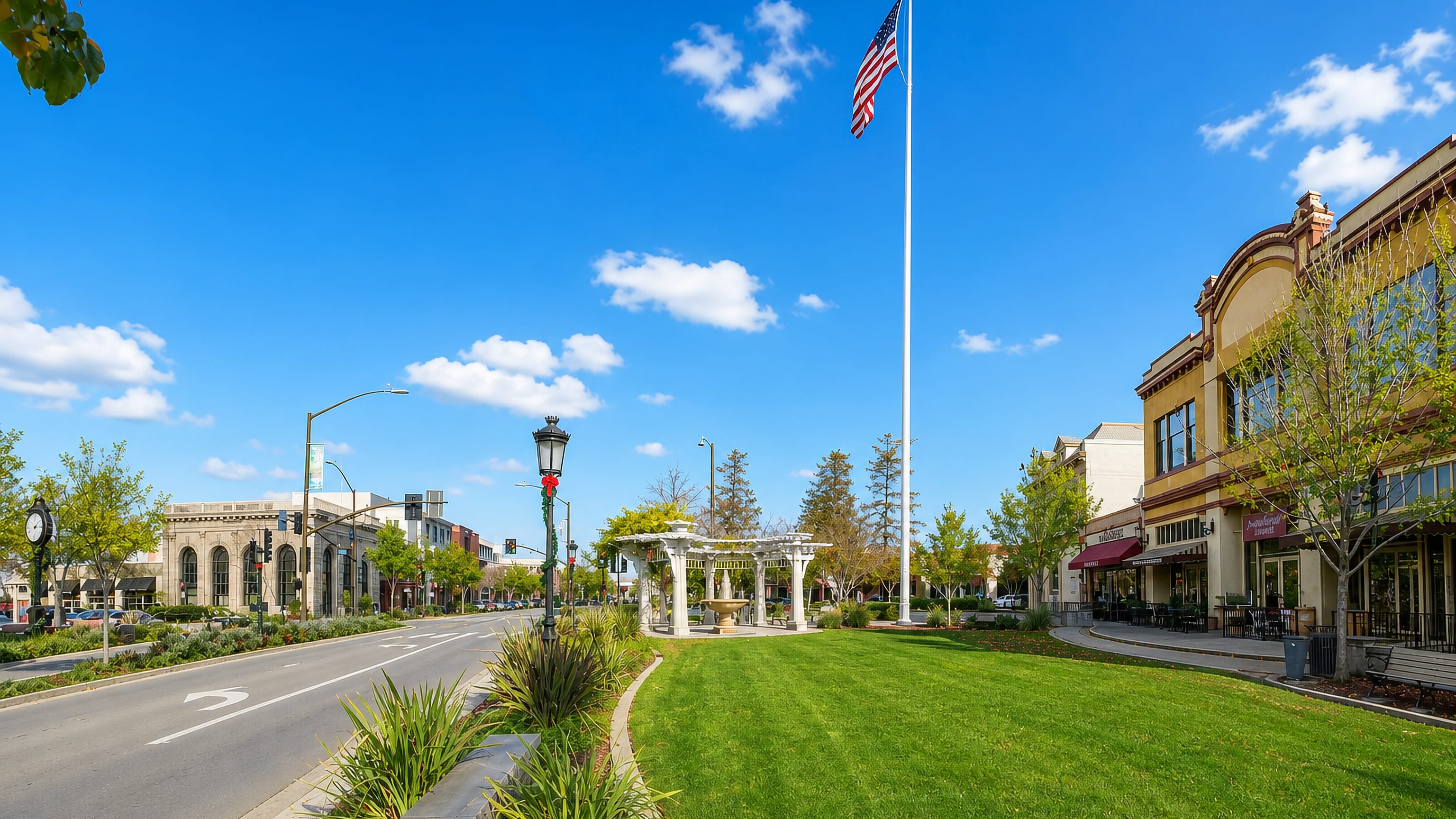
Two very different beds. The older streets carry Livermore Carnegie Library and Park and the Bank of Italy, and a room among them is the one choice in the city where an evening can be walked instead of driven. The vines are the other case.
Concannon Vineyard and the Hagemann Ranch Historic District sit out on the farmed floor of the Tri-Valley, far enough from the civic blocks that staying there is a decision about how the days will run. Pleasanton complicates it usefully. The two cities stand side by side with Dublin inside one urban area, so a bed in either serves plans made in the other, and nothing about a Tri-Valley trip need be confined to a single set of streets.
Altamont Pass changes the sum again. Rooms on that side suit you if the San Joaquin Valley is on the itinerary, since the pass is the gap between the two valleys. Alameda County frames all of it.
Livermore sits at the eastern edge of the San Francisco Bay Area, which makes it the last straightforward base before the East Bay gives out into open country, and beds here get used for that position as much as for the city itself.
Find hotels in Livermore
Direct booking searches for these neighbourhoods.
The Carnegie library streets
Livermore Carnegie Library and Park and the Bank of Italy stand within the same older blocks, the one stretch of the Tri-Valley where a car can stay parked overnight.Find hotels in The Carnegie library streetsDays spent out on the Livermore vinesThe Concannon Vineyard side
Rooms towards Concannon Vineyard and the Hagemann Ranch Historic District swap the civic blocks for the farmed floor of the valley.Find hotels in The Concannon Vineyard sideEarly crossings into the San Joaquin ValleyTowards Altamont Pass
A bed on the Altamont Pass side puts the inland crossing first and accepts the extra distance back to the older Livermore streets.Find hotels in Towards Altamont PassHotel links are affiliate links: booking through them may earn us a commission, at no extra cost to you. It never affects how places are ranked. How this works
About Livermore
What is Livermore known for?
Concannon Vineyard and the Hagemann Ranch Historic District hold the farmed side of Livermore, and both sit on Tri-Valley ground at the eastern edge of the San Francisco Bay Area. The built record is civic. Livermore Carnegie Library and Park and the Bank of Italy stand inside the older streets rather than out among the vines, and they are what those streets have kept longest. Pleasanton shares the billing.
The two cities anchor the Tri-Valley alongside Dublin, and Livermore is named the principal city of the urban area that the three of them form.
What are the main landmarks in Livermore?
Six sites make the list. Concannon Vineyard and the Hagemann Ranch Historic District belong to the farmed ground, while Livermore Carnegie Library and Park and the Bank of Italy hold the older civic streets of Livermore. Two more fit neither group.
Between them the register reaches from vineyard rows to a named private house, a wider spread than a Tri-Valley town of this size usually keeps.
What is the history of Livermore?
The founding year is 1869. What Livermore keeps from the decades after that is agricultural before it is anything else, and the Hagemann Ranch Historic District is the clearest surviving piece of the ground the city worked. Concannon Vineyard belongs to the same record.
Vines and ranch land account for a good part of what the city preserves, and the pattern still shows in the way the built area sits inside farmed country rather than apart from it. Town building shows up separately. Livermore Carnegie Library and Park and the Bank of Italy are the civic and commercial entries, both of them among the older streets rather than out in the fields, and they mark the point at which the place stopped being only farmland.
Altamont Pass sits at the city's back. The gap divides the Tri-Valley from the San Joaquin Valley, and Livermore is the nearest of the valley's cities to it, which fixes its position on any route running inland from Alameda County. Pleasanton grew alongside.
Livermore, Pleasanton and Dublin came to be counted as one urban area at the eastern edge of the San Francisco Bay Area, with Livermore named its principal city.
Where is Livermore?
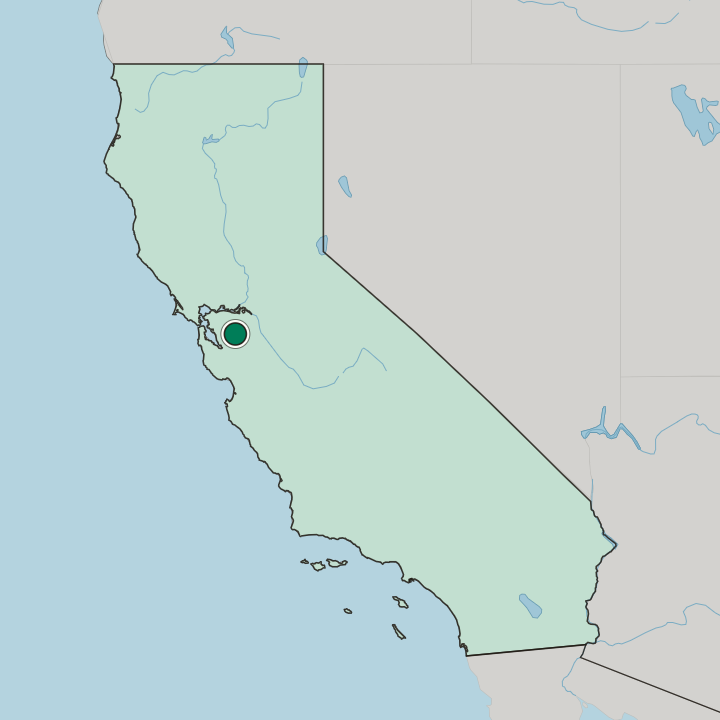
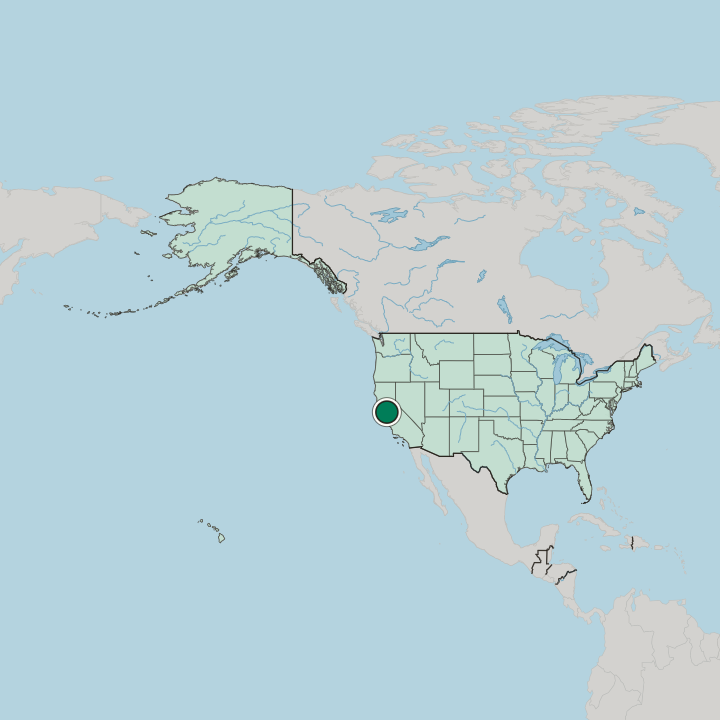
Roughly 70 square kilometres of valley floor. Livermore takes the eastern edge of the San Francisco Bay Area in Alameda County, with Pleasanton beside it in the Tri-Valley and Altamont Pass at the far side, where the ground gives way to the San Joaquin Valley. Farmland is never far.
Concannon Vineyard and the Hagemann Ranch Historic District occupy the same valley floor as the built grid, which keeps city and field within sight of each other.
What is the climate of Livermore?
Inland weather, not coastal. Livermore lies in the temperate band north of the equator at the eastern edge of the San Francisco Bay Area, far enough from open water that its year runs warmer and drier than the shoreline's. The vines make the point.
Concannon Vineyard works ground suited to a long dry summer, and the shade at Livermore Carnegie Library and Park is the obvious retreat on the days when the Tri-Valley heats through.
How do you get to Livermore?
Altamont Pass is the inland door. The pass divides the Tri-Valley from the San Joaquin Valley, and Livermore is the closest of the valley's cities to it, so arrivals from that direction come through the gap. The water side is gentler.
Approaches from there cross the East Bay and run into the Tri-Valley, where Pleasanton and Dublin share one urban area with Livermore inside Alameda County.
Common questions
What is the best area to stay in Livermore?
The Carnegie library streets: Evenings between the Carnegie park and the Bank of Italy. The Concannon Vineyard side: Days spent out on the Livermore vines. Towards Altamont Pass: Early crossings into the San Joaquin Valley.
More cities in California
Updated October 2026