United States · California
Where to Stay in Mountain View, California
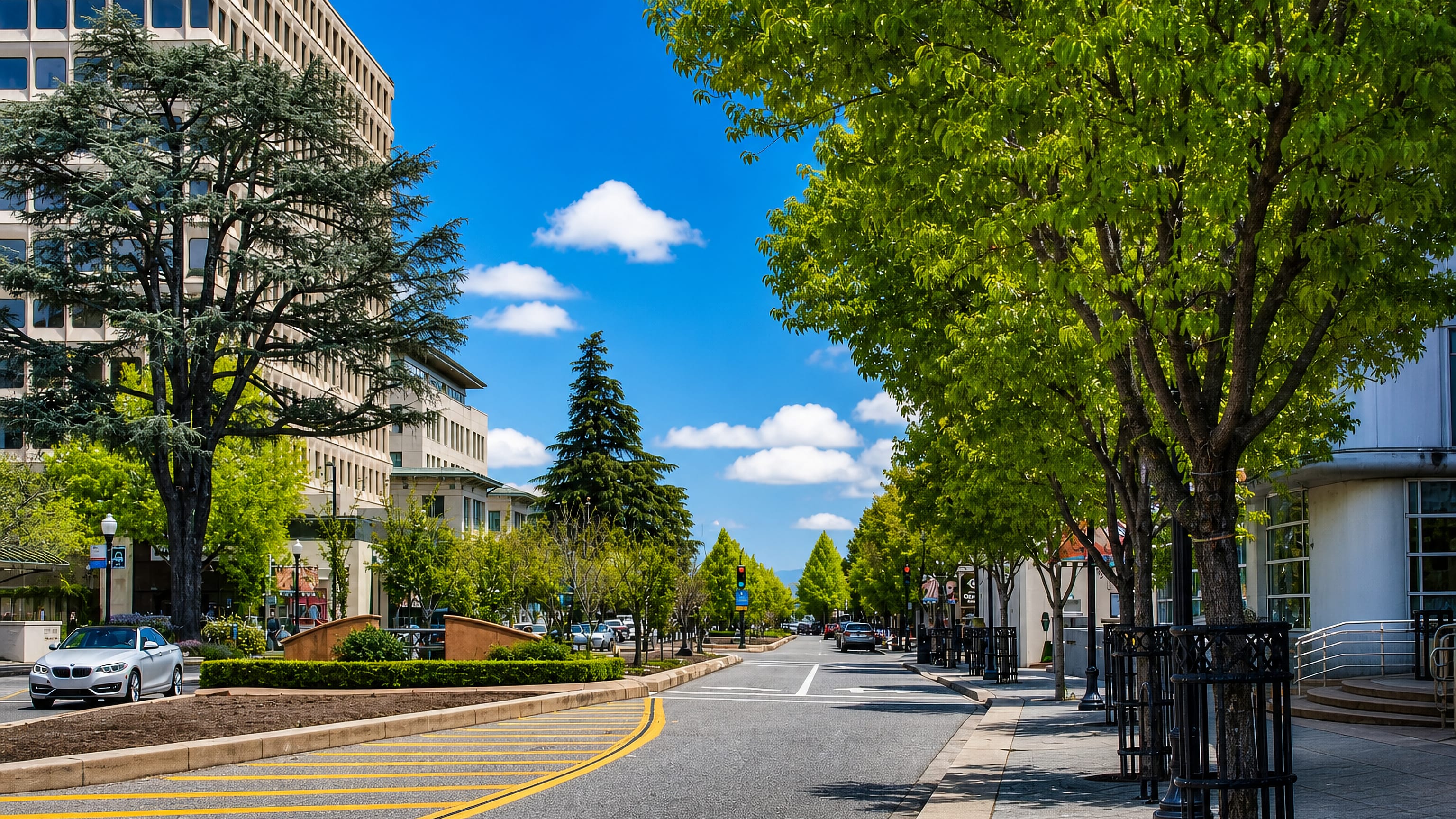
Warm valley light fills the streets of Mountain View, a city in California, known for the Computer History Museum and NASA Ames.
Hotel links are affiliate links: booking through them may earn us a commission, at no extra cost to you. It never affects how places are ranked. How this works


Where to stay in Mountain View
Where visitors usually base themselves, and why.
Mountain View spreads flat across the valley floor, and a few clear bases stand out. The downtown gathers the old grid, the rail line, and the cafes, and it makes the simplest base if you want Saint Joseph Parish, the main street, and dinner within a short walk. Out toward the airfield, the district near the NASA Ames Visitor Center and the Computer History Museum keeps the tech campuses and the flat approach roads, best if you want the museums and the office parks over old-town streets.
The blocks near the Moffett Field Historical Society Museum suit travellers after the base and its hangars on the bay edge. Quieter residential streets ring the centre, cheaper and calmer if you want a room away from the campuses. Beds gather downtown.
Rooms thin toward the marshland and the office parks, so book those early. Almost every base sits on a rail or highway line, which keeps the wide valley within reach.
Find hotels in Mountain View
Direct booking searches for these neighbourhoods.
Downtown grid
Rail-side cafes by Saint Joseph Parish in the town's early grid.Find hotels in Downtown gridthe tech museums and campusesAirfield district
Flat approach roads by the NASA Ames Visitor Center and the Computer History Museum.Find hotels in Airfield districtthe base and its hangarsMoffett Field edge
Bay-edge blocks near the Moffett Field Historical Society Museum.Find hotels in Moffett Field edgea quiet room away from campusesResidential rings
Calm streets ringing the centre off the Joshua Hendy Iron Works quarter.Find hotels in Residential ringsHotel links are affiliate links: booking through them may earn us a commission, at no extra cost to you. It never affects how places are ranked. How this works
About Mountain View
What is Mountain View known for?
Mountain View is known as a centre of technology on the valley floor. Its streets draw visitors to the Computer History Museum, which gathers the machines that shaped the industry, and to the NASA Ames Visitor Center at the edge of the old airfield. The Moffett Field Historical Society Museum keeps the story of the base and its hangars nearby.
Older heritage lingers too: Saint Joseph Parish rises among the downtown blocks, and the Joshua Hendy Iron Works recalls the town's industrial past. Technology defines the place.
What are the main landmarks in Mountain View?
Mountain View gathers its landmarks between the downtown and the old airfield. The Computer History Museum fills a hall with the machines of the industry, while the NASA Ames Visitor Center stands at the edge of the base with its space exhibits. The Moffett Field Historical Society Museum keeps the story of the hangars and the airfield nearby.
Older heritage holds its ground too. Saint Joseph Parish rises among the downtown streets, and the Joshua Hendy Iron Works recalls the heavy industry that once worked the valley floor.
What is the history of Mountain View?
Mountain View grew as a farming settlement on the flat valley floor of California, a stagecoach stop and market town among the orchards that once covered the plain. Its early streets ran back from the old road in a plain grid, and the town served the farms and ranches of the surrounding lowland for generations. Industry came with the century.
The Joshua Hendy Iron Works moved its heavy machine shops onto the plain and built engines and mining gear on the valley floor, and Saint Joseph Parish rose among the downtown blocks to serve the growing town. Then the airfield changed everything on the bay edge. A naval air station was laid out on the marshland at Moffett Field with its great hangars, and the base drew aviation and later the space work that became NASA Ames.
Research pulled the town toward technology across the flat approach roads. The orchards gave way to campuses and office parks, and the Computer History Museum rose near the airfield to gather the machines of the new industry. The plain filled with streets.
Its valley kept the warmth through it all, and the old stagecoach road still runs straight through the town it first made.
Where is Mountain View?
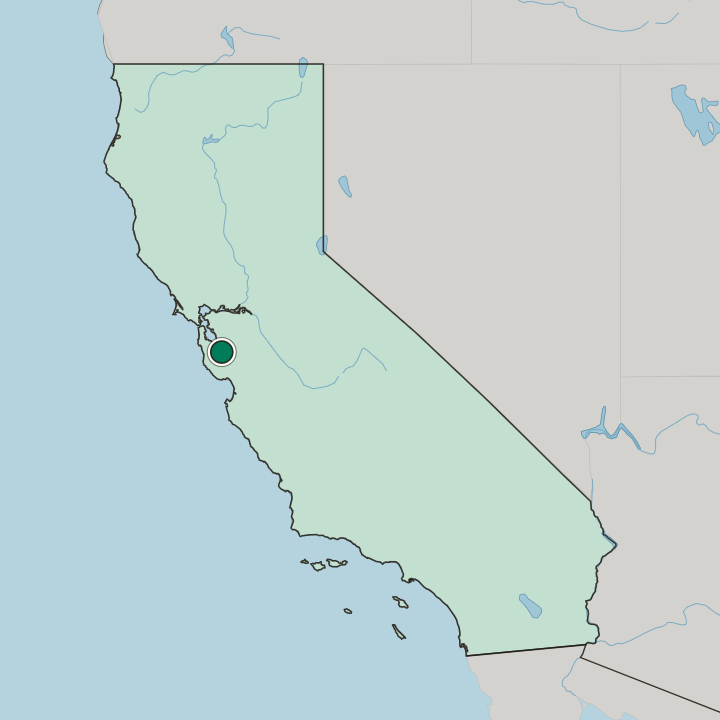
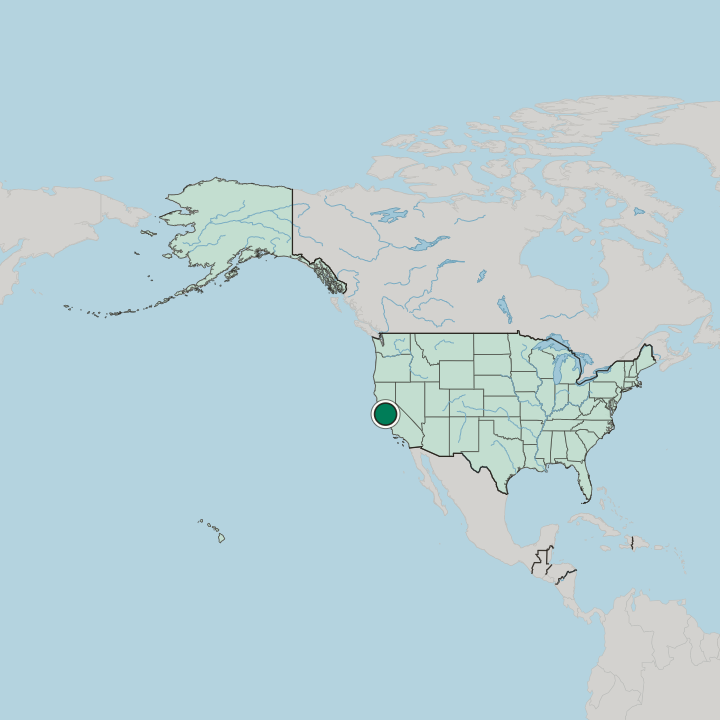
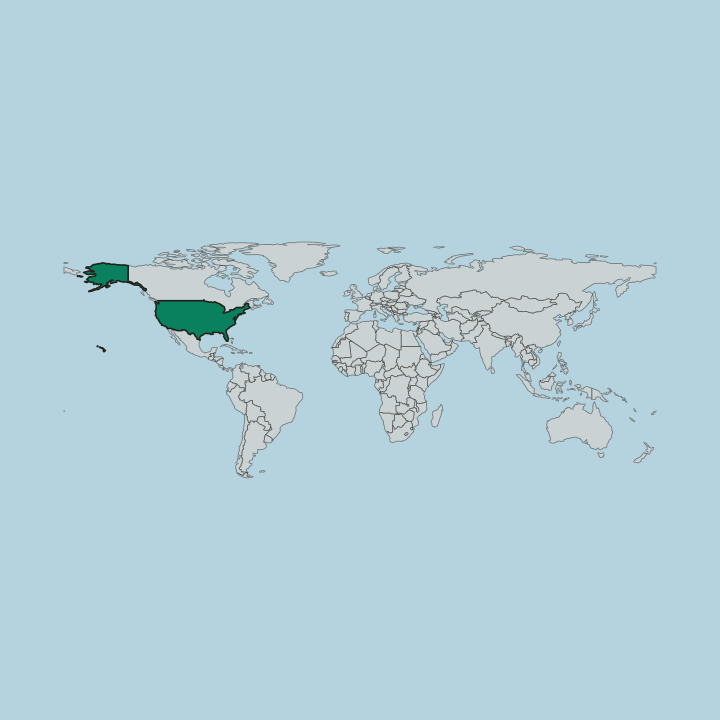
Mountain View sits on a broad, flat plain in California, in the United States, on the low lowland at the southern reach of a wide bay. The city spreads across the level ground between the water and the surrounding slopes, its grid running out toward the marshland by Moffett Field where the plain meets the bay. Tidal flats edge the town to the north.
The ground stays flat. Hills rise inland beyond the campuses, green in the wet season and brown through the dry, while downtown holds the old centre near Saint Joseph Parish, back from the water.
What is the climate of Mountain View?
Mountain View has a mild Mediterranean climate, shaped by the bay and the hills that ring its valley in California. Summers are warm and dry, the sun holding steady over the plain for months while a cool draft slips in off the water in the evenings. Winters stay cool and wet.
The wet season greens the surrounding slopes and soaks the flats before the long dry stretch returns, and morning fog often drifts in from the bay. Hard frost is rare on the valley floor.
How do you get to Mountain View?
Mountain View is well linked across California. Larger international airports lie within reach up and down the bay plain, handling West Coast and long-haul flights close by. A peninsula rail line runs through the town on the valley floor, calling downtown and linking north and south along the bay.
Freeways cross behind the city. They feed traffic from every direction across the plain toward the downtown grid, the tech campuses, and the airfield district by the NASA Ames Visitor Center.
Common questions
What is the best area to stay in Mountain View?
Downtown grid: the old main street on foot. Airfield district: the tech museums and campuses. Moffett Field edge: the base and its hangars. Residential rings: a quiet room away from campuses.
Good for
More cities in California
Updated October 2026