United States · California
Where to Stay in Rancho Cucamonga, California
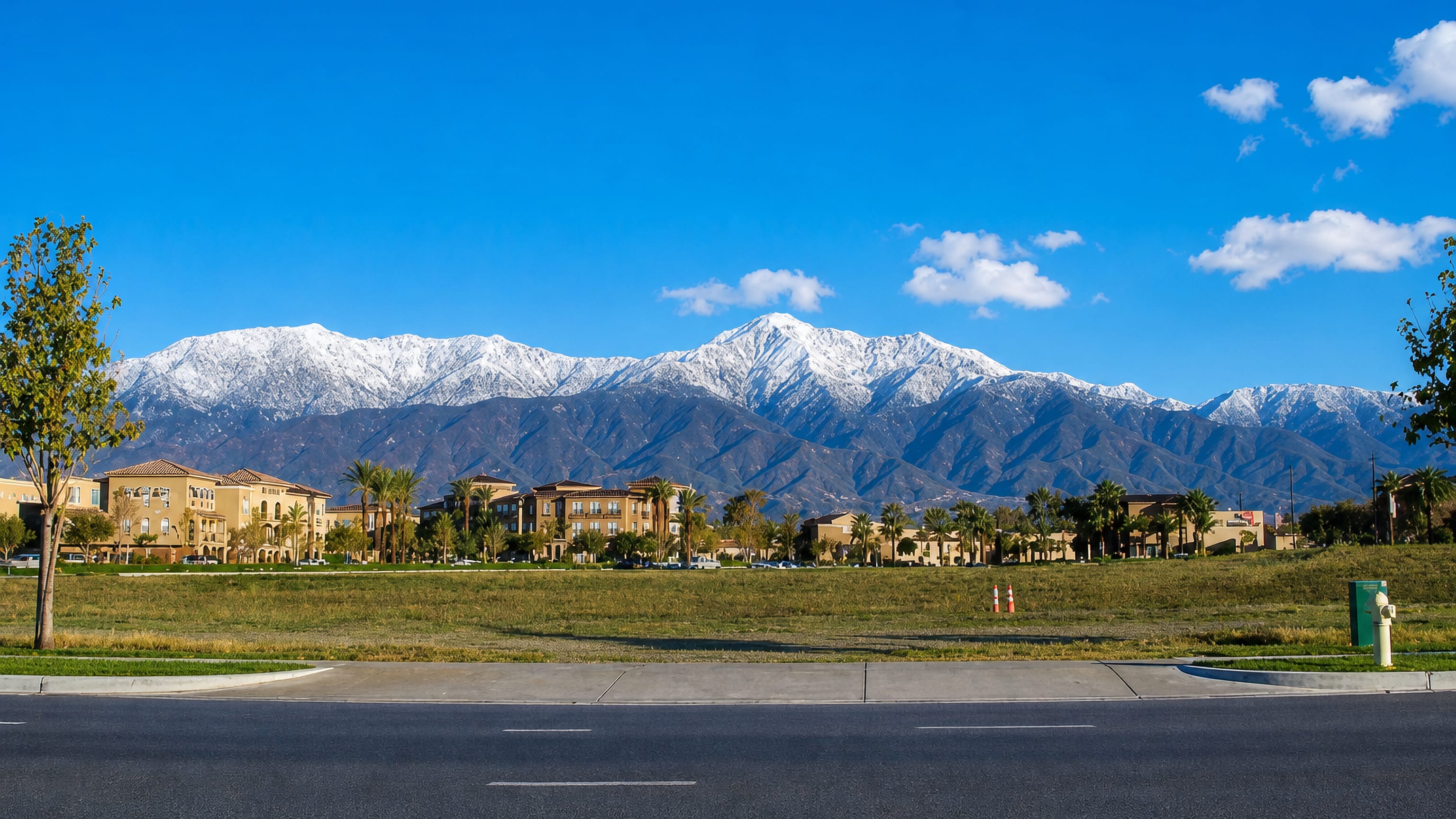
Rancho Cucamonga sits below the San Gabriel Mountains in San Bernardino County, a city whose seal still centres on a cluster of grapes.
Hotel links are affiliate links: booking through them may earn us a commission, at no extra cost to you. It never affects how places are ranked. How this works


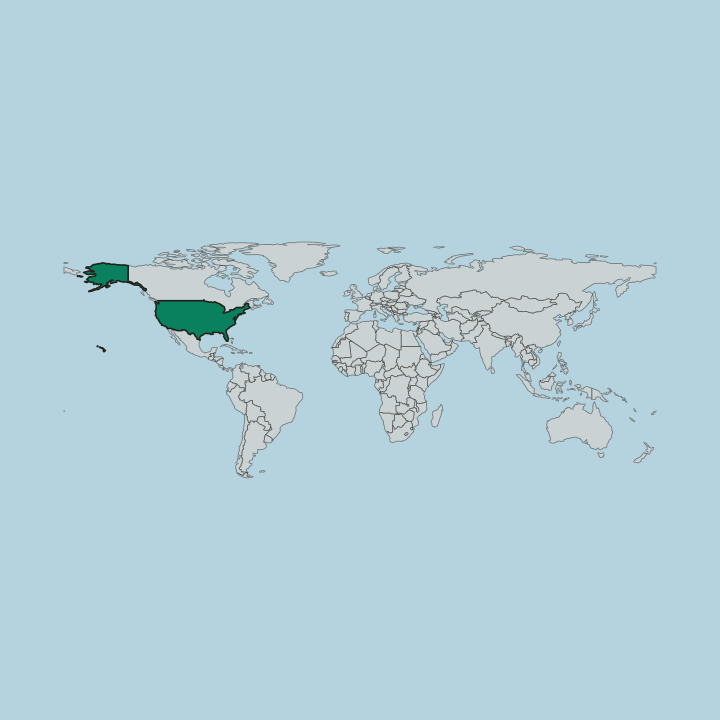
Where to stay in Rancho Cucamonga
Where visitors usually base themselves, and why.
The city runs wide across the flats. Rancho Cucamonga covers a large area under the San Gabriel Mountains, so a base here is chosen by which landmark or which side of the built-up ground matters to you rather than by any single centre. The Cucamonga Service Station and the John Rains House mark the older road and ranch ground, and the Etiwanda Depot marks the railway side of the same history.
Sprawl sets the terms here. Anything on foot is a short list, so the practical question is where the car sits at night rather than which street the room opens onto. The mountain side is the other option.
Ground rising toward the San Gabriel Mountains puts Angeles National Forest within reach of a morning, which suits you if the plan involves the foothills rather than the retail flats below. The Sam and Alfreda Maloof Compound, the Chinatown House, and the Tapia Adobe are marked at separate points on the map, so seeing all three means driving between them. Downtown Los Angeles lies about 37 miles off to the west.
San Bernardino County carries the rest, and Morongo Field is another of the named points out on the flat ground.
Find hotels in Rancho Cucamonga
Direct booking searches for these neighbourhoods.
The road frontage by the Cucamonga Service Station
The Cucamonga Service Station is one of the few roadside survivals in a city whose flats were rebuilt around highway traffic.Find hotels in The road frontage by the Cucamonga Service StationQuieter ground near the Etiwanda Depot and the Chinatown HouseThe Etiwanda Depot side
The Etiwanda Depot keeps a name from the railway years, and the Chinatown House belongs to the same older layer of Rancho Cucamonga. Beds are limited here, so book early.Find hotels in The Etiwanda Depot sideMornings spent climbing into Angeles National Forest above the cityUnder the San Gabriel foothills
Rooms thin as the ground rises toward the San Gabriel Mountains, but Angeles National Forest begins where the foothills end. Lodging is scarce in this area; reserve in advance.Find hotels in Under the San Gabriel foothillsHotel links are affiliate links: booking through them may earn us a commission, at no extra cost to you. It never affects how places are ranked. How this works
About Rancho Cucamonga
Grapes are on the city seal.
What is Rancho Cucamonga known for?
That emblem points back to an agricultural history that included wine-making, and the older survivals scattered through the city, the Tapia Adobe, the John Rains House, the Chinatown House, belong to the same long stretch of years. The San Gabriel Mountains stand over the whole of it, with Angeles National Forest covering the higher ground behind the foothills. Business filled the flats.
What are the main landmarks in Rancho Cucamonga?
Seven names are marked. The John Rains House, the Tapia Adobe, and the Chinatown House are the older survivals, while the Sam and Alfreda Maloof Compound belongs to a more recent chapter. Transport left two.
The Cucamonga Service Station stands from the road years and the Etiwanda Depot from the railway, while Morongo Field marks flat open ground within a city that has otherwise been built across.
What is the history of Rancho Cucamonga?
Grapes came first. The city's seal centres on a cluster of grapes, an emblem for an agricultural history that included wine-making on the ground below the San Gabriel Mountains. The Tapia Adobe and the John Rains House survive from that older order, and the Chinatown House stands among the same early fabric.
Rail and road followed. The Etiwanda Depot belongs to the railway years and the Cucamonga Service Station to the motor age that came after, two small buildings that between them explain how the flats below the foothills were opened up. Downtown Los Angeles lies about 37 miles to the west, close enough that this corner of San Bernardino County counts as part of the wider metropolitan region.
Highways changed the economics. Proximity to transport hubs, airports, and highways drew large corporations to the city, and Coca-Cola, Frito-Lay, Big Lots, Mercury Insurance Group, and Amphastar Pharmaceuticals all took space in it. The vineyards went.
What remains of that older Rancho Cucamonga is scattered among the newer ground, from the Tapia Adobe to the Sam and Alfreda Maloof Compound, with the San Gabriel Mountains and Angeles National Forest closing the view above the foothills.
Where is Rancho Cucamonga?
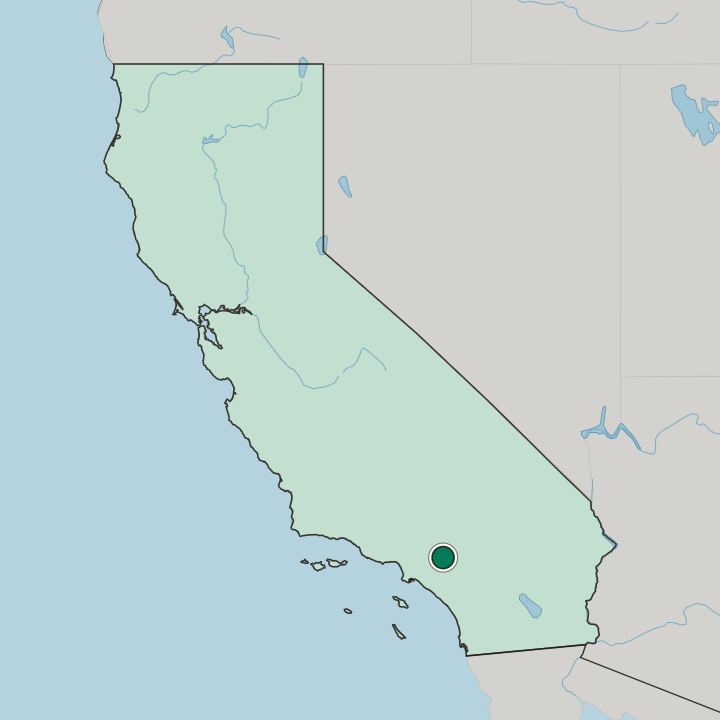
Rancho Cucamonga lies just below the foothills of the San Gabriel Mountains, on the flat ground that runs out from them into San Bernardino County. Angeles National Forest covers the slopes above. Downtown Los Angeles is about 37 miles to the west, so the city sits between the mountain wall on one side and the reach of the metropolitan area on the other.
Morongo Field lies out on those flats.
What is the climate of Rancho Cucamonga?
The San Gabriel Mountains stand directly above the city, and the wall they make holds the weather of the flats apart from the cooler, wetter air kept on the slopes inside Angeles National Forest. Summers run hot and dry. Rain concentrates in the cool part of the year on this subtropical ground, which is what allowed the vineyards behind the city's seal to work here in the first place.
Cold weather never lasts long here.
How do you get to Rancho Cucamonga?
Most arrivals come off the highway. The city's proximity to major transport hubs, airports, and highways is part of why business settled here, and it is also what makes arriving straightforward from Downtown Los Angeles about 37 miles to the west. The Etiwanda Depot recalls an older way in.
Once inside the city limits a car is the practical answer, since the Cucamonga Service Station, Morongo Field, and the Sam and Alfreda Maloof Compound are set far apart across ground that stretches from the San Bernardino County flats to the foothills.
Common questions
What is the best area to stay in Rancho Cucamonga?
The road frontage by the Cucamonga Service Station: Drivers making a point of the Cucamonga Service Station. The Etiwanda Depot side: Quieter ground near the Etiwanda Depot and the Chinatown House. Under the San Gabriel foothills: Mornings spent climbing into Angeles National Forest above the city.
Good for
More cities in California
Updated October 2026