United States · California
Where to Stay in Torrance, California
Torrance was founded in 1912, a South Bay city in Los Angeles County whose register runs from aviation and cars to school architecture.
Hotel links are affiliate links: booking through them may earn us a commission, at no extra cost to you. It never affects how places are ranked. How this works


Where to stay in Torrance
Where visitors usually base themselves, and why.
Torrance is a suburb with several centres. The city covers roughly 53 square kilometres of Los Angeles County, and the practical consequence for a visitor is that the Western Museum of Flight, the Torrance Art Museum and the Pacific Electric Railroad Bridge do not sit within walking distance of one another. Choose the errand first.
A room picked for the Toyota USA Automobile Museum will not serve a trip built around the coast at Redondo Beach. The school side is the historic one. Torrance High School carries the city's earliest civic fabric in its Auditorium and Home Economics Building, and Fern Elementary School belongs to the same layer of construction.
Beds there suit you if the visit is about how the city was laid out. Torrance shares a border in nearly every direction. Gardena, Lawndale, Lomita and Alondra Park meet Torrance inland, while Redondo Beach, Palos Verdes Estates and Rolling Hills Estates take the seaward and hill edges, and Harbor City and Harbor Gateway close the gap towards Los Angeles. You trade proximity for calm streets.
Torrance draws fewer visitors than the rest of Los Angeles County, and that is the argument for sleeping in the South Bay rather than nearer the centre, with Japanese and Korean communities giving the city a range of everyday food that most suburbs of this size do not carry.
Find hotels in Torrance
Direct booking searches for these neighbourhoods.
Around the Torrance High School campus
The oldest civic grain of Torrance, where the Auditorium and the Home Economics Building are listed separately from the campus that surrounds them. Few places to stay nearby — book ahead.Find hotels in Around the Torrance High School campusVisits built around the Western Museum of Flight and the Toyota USA Automobile MuseumThe Western Museum of Flight side
The machine-collection end of Torrance, where the Western Museum of Flight is a short run rather than a crossing of the whole South Bay.Find hotels in The Western Museum of Flight sideBeds on the seaward side towards Redondo Beach and Palos Verdes EstatesThe Redondo Beach edge
The coastal margin of Torrance, where Redondo Beach and Palos Verdes Estates are the near neighbours instead of Gardena and Lawndale.Find hotels in The Redondo Beach edgeHotel links are affiliate links: booking through them may earn us a commission, at no extra cost to you. It never affects how places are ranked. How this works
About Torrance
Flight and cars share the billing.
What is Torrance known for?
The Western Museum of Flight and the Toyota USA Automobile Museum sit in the same South Bay city, and between them they explain why Torrance reads as an industrial suburb with collections rather than a beach town. Art has a room too. The Torrance Art Museum works a different register, and the Pacific Electric Railroad Bridge stands as the one piece of railroad engineering on a list otherwise made of museums and school buildings.
What are the main landmarks in Torrance?
Eight entries carry the register. The Western Museum of Flight and the Toyota USA Automobile Museum are the two collections built around machines, and the Torrance Art Museum is the third museum on a list that is otherwise architectural. Schools account for the rest.
Torrance High School contributes its Auditorium, its Home Economics Building and the wider campus, Fern Elementary School stands beside them, and the Pacific Electric Railroad Bridge is the single piece of infrastructure among them.
What is the history of Torrance?
The founding year is 1912. Torrance took shape in the South Bay region of Los Angeles County, with Redondo Beach, Gardena, Lomita, Lawndale and Alondra Park as immediate neighbours and Harbor City and Harbor Gateway marking the boundary with Los Angeles itself. Rail came with it.
The Pacific Electric Railroad Bridge is the only piece of transport engineering on the city's landmark register. Public building followed the tracks. Torrance High School accumulated a campus whose Auditorium and Home Economics Building are listed separately from the campus itself, which is unusual for a school and says something about how much of the early city was invested in it.
Fern Elementary School belongs to the same wave. Between them the two schools account for half the register. Immigration reshaped the later city.
A large Japanese community earned Torrance the nickname Japan's 48th Prefecture, and Korean and other immigrant communities have given a Los Angeles suburb of this size an unusually wide range of everyday food and commerce. Industry left its own museums. The Toyota USA Automobile Museum and the Western Museum of Flight both record manufacturing histories rather than civic ones, and the Torrance Art Museum sits apart from both.
Where is Torrance?
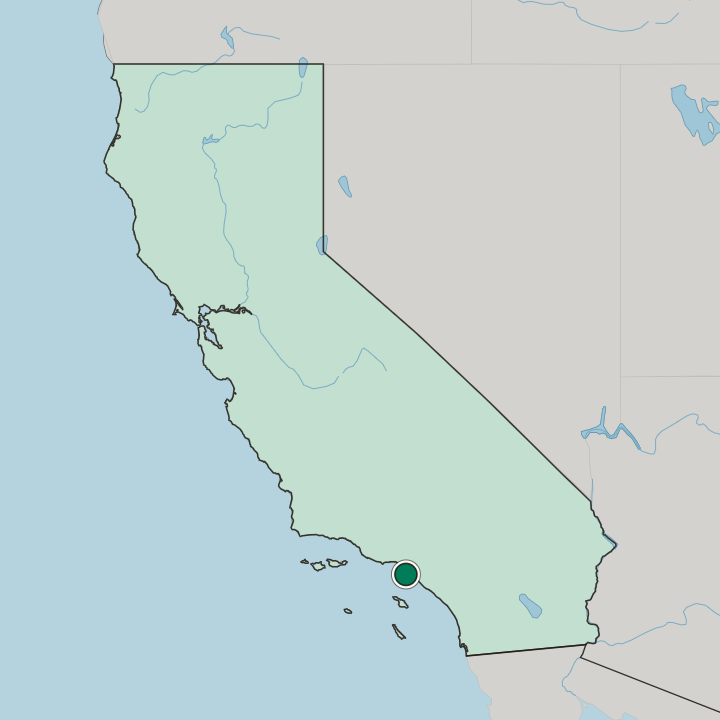
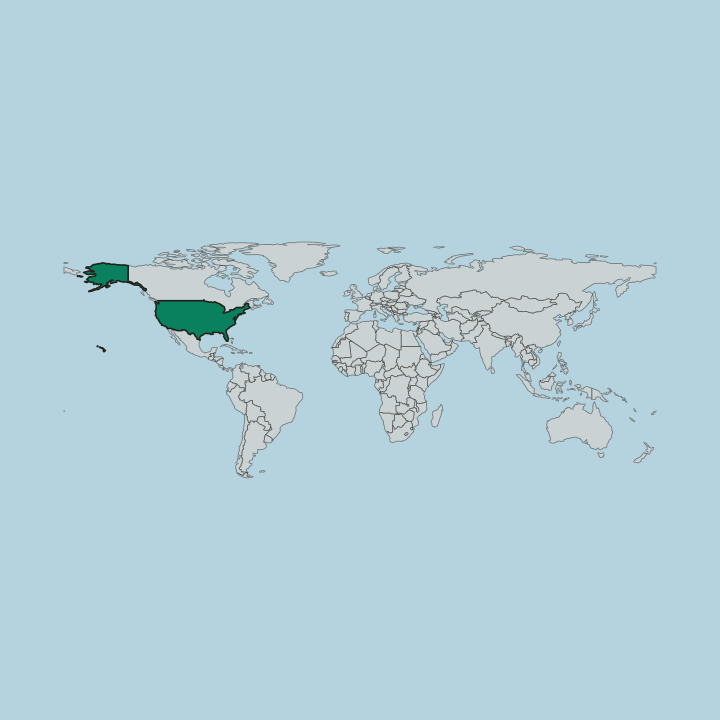
Flat ground, and plenty of it. Torrance covers roughly 53 square kilometres of the South Bay region, meeting Redondo Beach, Palos Verdes Estates, Rolling Hills Estates, Lomita, Gardena, Lawndale and Alondra Park at its edges, and running up against the Los Angeles neighbourhoods of Harbor City and Harbor Gateway. The sea lies close by.
Los Angeles County wraps everything beyond that boundary.
What is the climate of Torrance?
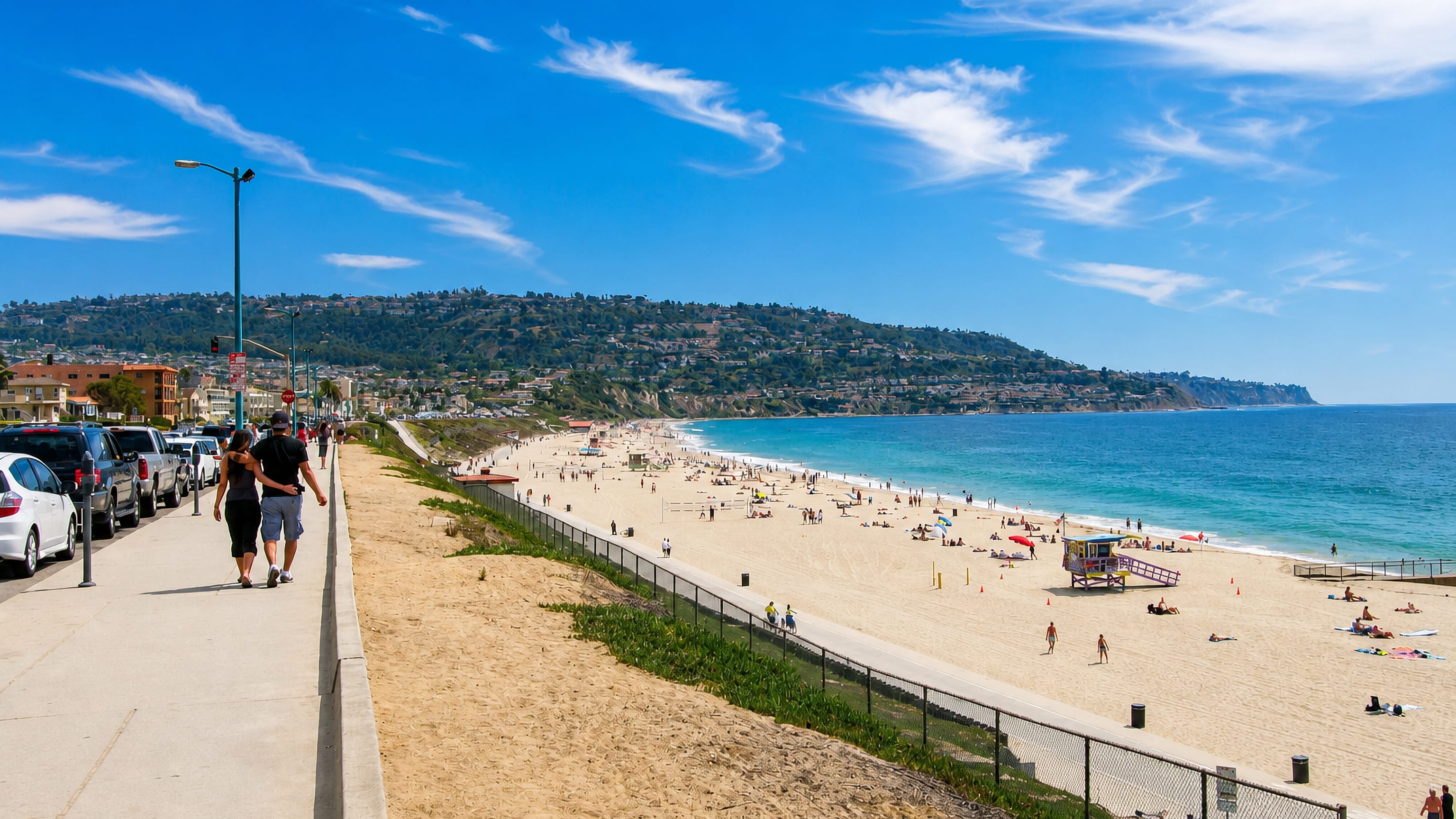
The coast does the moderating here. Torrance sits in the subtropical band with open water a short way past Redondo Beach, and that water is what keeps the city's summers off the extremes that the inland side of Los Angeles County reaches. Nothing here turns severe.
Museum hours are flexible in a city where the Western Museum of Flight, the Toyota USA Automobile Museum and the Torrance Art Museum are all indoor propositions on a hot afternoon.
How do you get to Torrance?
Every approach to Torrance is a drive. Torrance sits inside the Los Angeles metropolitan area without a single centre to aim for, so the approach runs in through Gardena, Lawndale, Lomita or Redondo Beach depending on where the journey starts. Harbor Gateway is the seam.
The city boundary meets Los Angeles proper at Harbor City and Harbor Gateway, while Alondra Park, Palos Verdes Estates and Rolling Hills Estates close the remaining edges.
Common questions
What is the best area to stay in Torrance?
Around the Torrance High School campus: Stays near the Torrance High School Auditorium and Home Economics Building. The Western Museum of Flight side: Visits built around the Western Museum of Flight and the Toyota USA Automobile Museum. The Redondo Beach edge: Beds on the seaward side towards Redondo Beach and Palos Verdes Estates.
Good for
More cities in California
Updated October 2026