United States · Illinois
Where to Stay in Skokie, Illinois
Fifteen miles north of Chicago's downtown Loop, the Cook County village of Skokie takes its name from a Potawatomi word for marsh.
Hotel links are affiliate links: booking through them may earn us a commission, at no extra cost to you. It never affects how places are ranked. How this works


Where to stay in Skokie
The practical side of choosing where to sleep.
Skokie works as a base for Chicago. The Chicago Transit Authority runs both bus and rail into the village, so a room here puts the Loop within a straightforward ride and keeps a visitor clear of downtown traffic on a busy weekend. That trade is the whole argument.
Streets around the Illinois Holocaust Museum and Education Center suit anyone whose visit centres on the museum itself, with the Gichigamiin Indigenous Nations Museum near enough to pair into the same day. The residential grid does the rest. Skokie's streets continue the Chicago street grid, which means the layout reads clearly from the first morning and the walk between a house block and a shopping street is rarely long, whatever corner of the village a bed happens to sit in.
Twenty-six square kilometres is not much. If you want quiet, the blocks away from the transit stops deliver it, though Saint Nicholas Church and the Second Church of Christ, Scientist are the kind of markers worth keeping in view once the streets begin to repeat themselves. Cook County surrounds all of it.
Find hotels in Skokie
Direct booking searches for these neighbourhoods.
By the Holocaust museum
The museum and the Gichigamiin Indigenous Nations Museum pair into one day from hereFind hotels in By the Holocaust museumCar-free trips into Chicago's Loop by railNear the transit stops
Chicago Transit Authority bus and rail routes both terminate within the villageFind hotels in Near the transit stopsQuiet blocks on the continued Chicago street gridThe residential grid
Saint Nicholas Church and the Second Church of Christ, Scientist mark these streetsFind hotels in The residential gridHotel links are affiliate links: booking through them may earn us a commission, at no extra cost to you. It never affects how places are ranked. How this works
About Skokie
What is Skokie known for?
Two museums carry the village's reputation. The Illinois Holocaust Museum and Education Center draws visitors from across Chicagoland, and the Gichigamiin Indigenous Nations Museum sets out a second record on the same ground, one reaching back to the Potawatomi word the name Skokie came from. The old slogan claimed the world's largest village.
Saint Nicholas Church and the Second Church of Christ, Scientist add the built landmarks, while the Chicago Transit Authority ties these streets to the city by bus and rail.
What are the main landmarks in Skokie?
The Illinois Holocaust Museum and Education Center is why most people come. Its exhibits give the village a profile reaching well past Cook County, and the Gichigamiin Indigenous Nations Museum stands alongside it with a record of the nations whose language gave Skokie its name. Two churches complete the short list.
Saint Nicholas Church and the Second Church of Christ, Scientist hold the built landmarks between them.
What is the history of Skokie?
The name came before the village. Skokie renders a Potawatomi word for marsh, a description of the ground that the settlement founded in 1833 inherited along with the site itself, and the name stayed. Marsh gave way to grid.
Streets here continue the Chicago street grid rather than starting a pattern of their own, and that choice tied the village to the city long before any transit line confirmed the link. Size became the boast. For many years the village promoted itself as the world's largest village, a phrase that says as much about how the suburb understood its own growth as it does about any count of streets or blocks.
Service arrived from the city. The Chicago Transit Authority reached Skokie by bus and by rail, cementing a connection the continued grid had already implied. Two museums followed.
The Illinois Holocaust Museum and Education Center gave the village a purpose visitors travel for, and the Gichigamiin Indigenous Nations Museum returned attention to the Potawatomi presence the name records, while Saint Nicholas Church and the Second Church of Christ, Scientist held their congregations through all of it.
Where is Skokie?
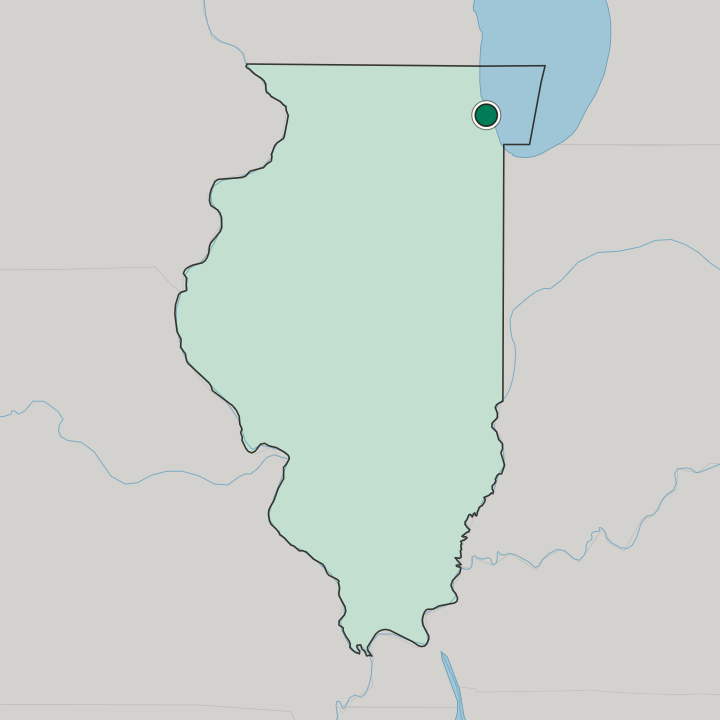
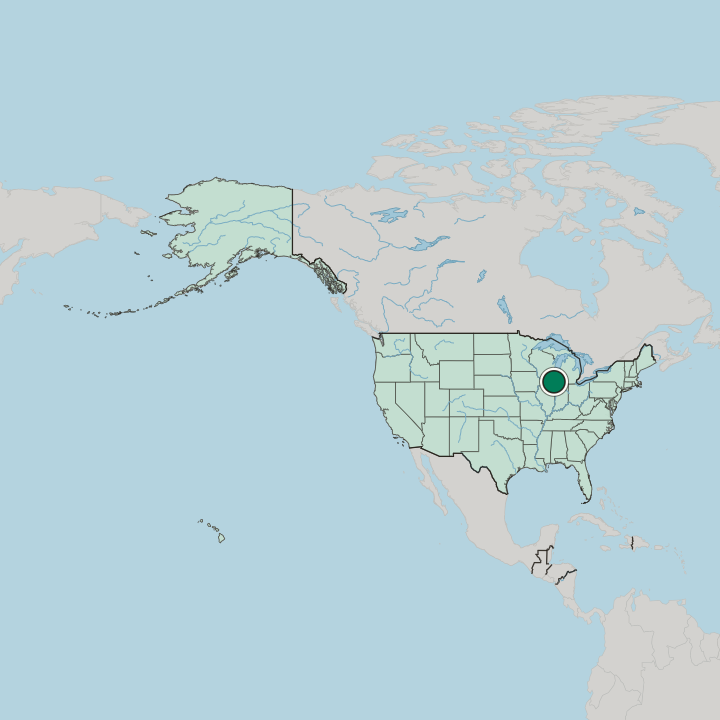
Twenty-six square kilometres of grid. Skokie lies about fifteen miles north of Chicago's downtown Loop, inside Cook County, on ground that a Potawatomi word once described as marsh. The Chicago street grid continues here.
That continuity is the clearest geographic fact about the village, since the boundary with the city shows on paper far more plainly than it shows on the ground.
What is the climate of Skokie?
The marsh is in the name for a reason. Skokie sits in the temperate band north of Chicago's Loop, where the year divides into a cold half and a warm one, and the ground a Potawatomi word once called marsh takes the full swing of both. Seasons here are pronounced.
The Illinois Holocaust Museum and Education Center makes an obvious cold-weather day, while the warm months belong to the streets themselves.
How do you get to Skokie?
The Chicago Transit Authority does the work. Both bus and rail routes run out to Skokie from the city, which makes the village one of the simpler Chicagoland suburbs to reach without a car, and the fifteen miles between here and the Loop pass entirely inside the built-up grid. Driving works too.
Cook County roads carry the rest of the traffic, and the Illinois Holocaust Museum and Education Center gives an arriving visitor an obvious first stop.
Common questions
What is the best area to stay in Skokie?
By the Holocaust museum: Visits built around the Illinois Holocaust Museum and Education Center. Near the transit stops: Car-free trips into Chicago's Loop by rail. The residential grid: Quiet blocks on the continued Chicago street grid.
Good for
More cities in Illinois
Updated October 2026