United States · Indiana
Where to Stay in Bloomington, Indiana
Bloomington is the seat of Monroe County in southern Indiana, a university city shaped by the flagship Indiana University campus at its centre.
Hotel links are affiliate links: booking through them may earn us a commission, at no extra cost to you. It never affects how places are ranked. How this works


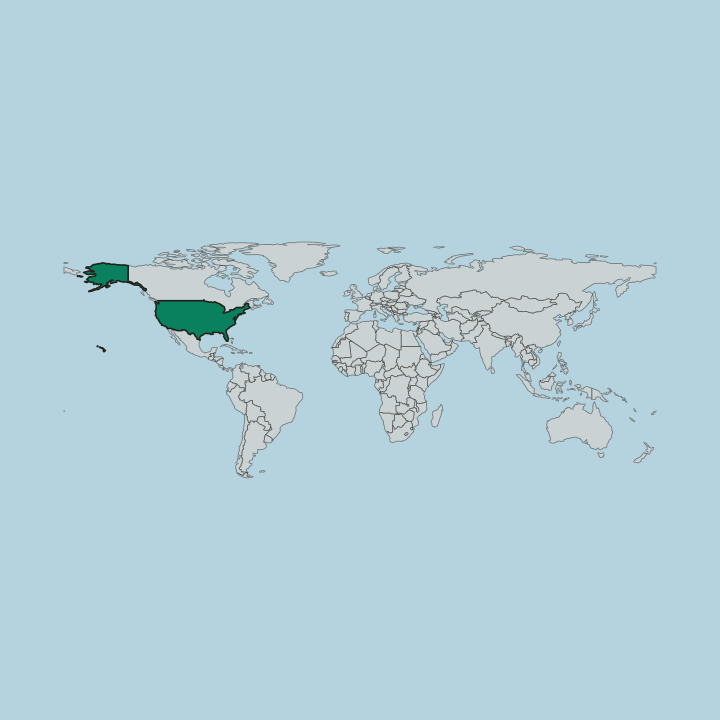
Where to stay in Bloomington
Where the beds are, and what that means for the visit.
The choice in Bloomington runs between the Indiana University campus and the downtown blocks around WonderLab. Rooms near the campus put the Eskenazi Museum of Art, the Mathers Museum of World Cultures, and the Wylie House Museum within an easy walk, which suits a visit built around the university's collections or a run of IU Hoosiers fixtures at Bart Kaufman Field. Two poles, then.
Downtown streets carry the restaurants and the shops that serve several adjacent counties, and WonderLab makes that end of Bloomington the obvious base for anyone travelling with children. Beyond those two, Bloomington spreads into quieter residential ground where the older houses stand, among them the John L. Nichols House, the Blair-Dunning House, and the Elias Abel House. Few rooms sit among those blocks.
Graduation weeks and home fixtures tighten the whole city at once, so Indianapolis becomes a real fallback for travellers willing to trade the walk to campus for a wider choice of rooms. The Legg House and the Millen-Chase-McCalla House mark the same older grain of the Monroe County seat. Sembower Field and the Billy Hayes Track sit on the same campus side, which keeps sport-driven stays close to the museums rather than out on the town's residential rim.
Find hotels in Bloomington
Direct booking searches for these neighbourhoods.
Indiana University campus edge
The streets along the Indiana University campus, with the Mathers Museum of World Cultures and the Wylie House Museum inside a short walk.Find hotels in Indiana University campus edgeFamilies making a day of WonderLabDowntown Bloomington
The eating and shopping end of Bloomington, where WonderLab stands and several adjacent counties come in to trade.Find hotels in Downtown BloomingtonNineteenth-century houses such as the Blair-Dunning HouseOlder residential streets
Quiet blocks holding the John L. Nichols House, the Legg House, and the Elias Abel House, thin on rooms and short on traffic. Rooms are few around here — worth securing early.Find hotels in Older residential streetsWider room choice outside Monroe CountyIndianapolis
Bloomington sits outside the Indianapolis metropolitan area, and the larger city carries the beds when graduation weeks fill Monroe County.Find hotels in IndianapolisHotel links are affiliate links: booking through them may earn us a commission, at no extra cost to you. It never affects how places are ranked. How this works
Things to do in Bloomington
Ranked by global recognition; descriptions from Wikidata (CC0).
Museums & Galleries
3- WonderLab
- Mathers Museum of World Cultures
- Wylie House Museum
Castles & Historic Sites
1- Captain Janeway monument
Stadiums & Sports
3- Bart Kaufman Field
- Sembower Field
- Billy Hayes Track
Landmarks & Notable Places
6- Legg House Heritage
- Millen House Heritage
- Elias Abel House Heritage
- John L. Nichols House Heritage
- Blair-Dunning House Heritage
Show 1 more →
- Millen-Chase-McCalla House Heritage
worth knowingacross 4 categories in Bloomington
About Bloomington
The university sets the tone.
What is Bloomington known for?
Indiana University Bloomington, the flagship campus of the Indiana University system, was established in 1820 and gives the city its students, its sports teams, and much of its cultural apparatus. The Eskenazi Museum of Art and the Mathers Museum of World Cultures both sit on that campus. IU Hoosiers teams play at Bart Kaufman Field and Sembower Field.
WonderLab draws families into the centre, and the Black Film Center & Archive keeps a specialist collection few cities of this size can match.
What are the main landmarks in Bloomington?
Art comes first, then ethnography. The Eskenazi Museum of Art holds the university's collection, and the Mathers Museum of World Cultures sits nearby with an ethnographic one, while the Indiana University Libraries Moving Image Archive keeps film in the same academic orbit. WonderLab is the hands-on counterweight.
Sport takes Bart Kaufman Field, Sembower Field, and the Billy Hayes Track. Among the older houses, the Wylie House Museum, the John L. Nichols House, and the Millen House survive, and a Captain Janeway monument stands as the oddest fixture in Bloomington.
What is the history of Bloomington?
Bloomington dates from 1818. Indiana University followed two years later, established in 1820, and the pairing of a young county seat with a state university determined nearly everything about how the place afterwards grew. Monroe County business gave the town its first purpose.
The Wylie House Museum preserves one of the earliest surviving homes from that founding decade. The houses are the visible record. Names attach to most of them, including the John L. Nichols House, the Millen House, the Millen-Chase-McCalla House, the Blair-Dunning House, the Elias Abel House, and the Legg House, each a fragment of the town's nineteenth-century fabric.
Campus institutions accumulated later: the Eskenazi Museum of Art, the Mathers Museum of World Cultures, the Black Film Center & Archive, and the Indiana University Libraries Moving Image Archive all gather material that no town of Bloomington's size would otherwise hold. Athletics grew into the same ground, leaving Sembower Field, Bart Kaufman Field, and the Billy Hayes Track. Trade followed the students.
As the largest city in southern Indiana, Bloomington took on the employment and shopping role for several adjacent counties, a function it holds independently of the Indianapolis metropolitan area.
Where is Bloomington?
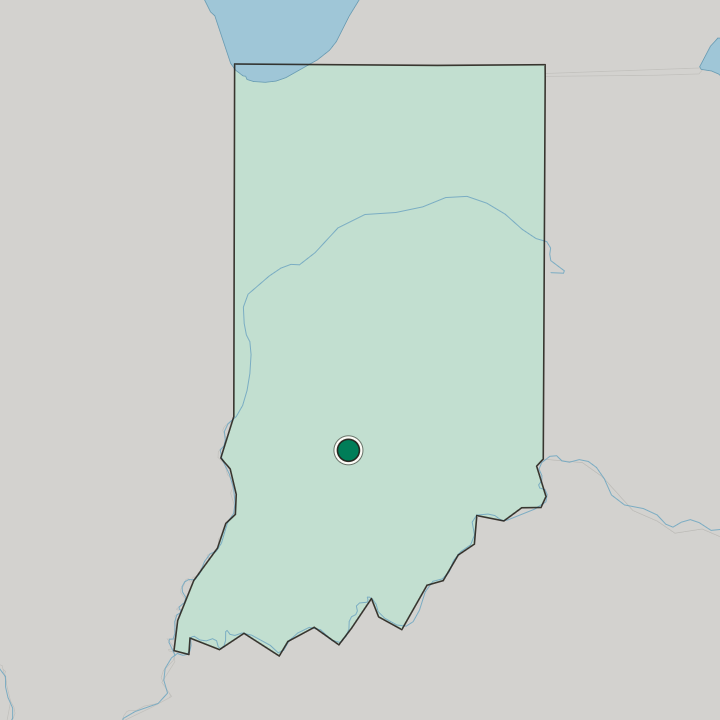
Southern Indiana is the setting. Bloomington is the seat of Monroe County and the largest city of its region, which makes it the working centre for several adjacent counties that have no comparable town of their own. The Indiana University campus takes up a large share of the built area.
WonderLab, the Eskenazi Museum of Art, and Bart Kaufman Field all fall within a compact city. Indianapolis and its metropolitan area lie outside it.
What is the climate of Bloomington?
Four seasons, fully drawn. Bloomington sits in the temperate band and well inland from any coast, so summer heat builds without a sea breeze to cut it and winter cold settles in without maritime softening. Snow reaches Monroe County most winters.
Humidity is the summer complaint. Rain falls across southern Indiana through the year rather than in one wet season, so no month can be counted on to stay dry for a walk between the campus museums.
How do you get to Bloomington?
Arrivals come by road. Traffic reaches Bloomington from Indianapolis and from the adjacent counties that treat the city as their employment and shopping centre, which makes the approach a matter of highways rather than of terminals. Monroe County roads carry the rest.
On the Indiana University side, Bart Kaufman Field, Sembower Field, and the Billy Hayes Track draw the heaviest game-day arrivals, and WonderLab pulls families toward the downtown end instead.
Common questions
What is the best area to stay in Bloomington?
Indiana University campus edge: Collection days at the Eskenazi Museum of Art. Downtown Bloomington: Families making a day of WonderLab. Older residential streets: Nineteenth-century houses such as the Blair-Dunning House. Indianapolis: Wider room choice outside Monroe County.
Good for
More cities in Indiana
Updated September 2026