United States · Indiana
Where to Stay in Fort Wayne, Indiana
Fort Wayne is a city of northeastern Indiana in the United States, an old frontier fort grown into a river city where three rivers join.
Hotel links are affiliate links: booking through them may earn us a commission, at no extra cost to you. It never affects how places are ranked. How this works


Where to stay in Fort Wayne
How the choice of base plays out on the ground.
Where you stay in Fort Wayne turns on downtown or the rivers. The streets around the centre keep the museums, the ballpark, and the riverfront within a walk, and staying downtown suits anyone here for the city. The rivers run through downtown.
Parks line the banks. Out along the greenways and the suburbs, the town gives way to the leafy neighbourhoods, the river trails, and the farm country. A room by the rivers trades downtown for the green riverbanks, the zoo, and the quiet parks.
The flat land runs to the fields. Stay downtown for the museums, or by the rivers for the trails. Downtown Fort Wayne lies barely a few minutes back from the riverbank trails.
Find hotels in Fort Wayne
Direct booking searches for these neighbourhoods.
Downtown
Around the centre above the MaumeeFind hotels in DowntownStays wanting the greenways and zooThe rivers
Along the riverbanksFind hotels in The riversHotel links are affiliate links: booking through them may earn us a commission, at no extra cost to you. It never affects how places are ranked. How this works
Things to do in Fort Wayne
Ranked by global recognition; descriptions from Wikidata (CC0).
Museums & Galleries
2- Fort Wayne Museum of Art
- Macedonian Tribune Museum
Churches & Religious Sites
3- Saint Paul's Evangelical Lutheran Church Heritage
- Trinity Episcopal Church Heritage
- St. Peter's Square Heritage
Landmarks & Notable Places
2- John H. Bass Mansion Heritage
- John Claus Peters House Heritage
worth knowingacross 3 categories in Fort Wayne
About Fort Wayne
Fort Wayne is the city of three rivers.
What is Fort Wayne known for?
In the northeast of Indiana, where the Saint Marys and the Saint Joseph join to form the Maumee, it grew from an old frontier fort into the second city of the state, and it keeps the rivers and greenways that thread its heart, an old canal-town past, a much-loved children's zoo, and the grand houses and churches of its railroad days. The three rivers braid downtown. The flat farmland spreads around.
What are the main landmarks in Fort Wayne?
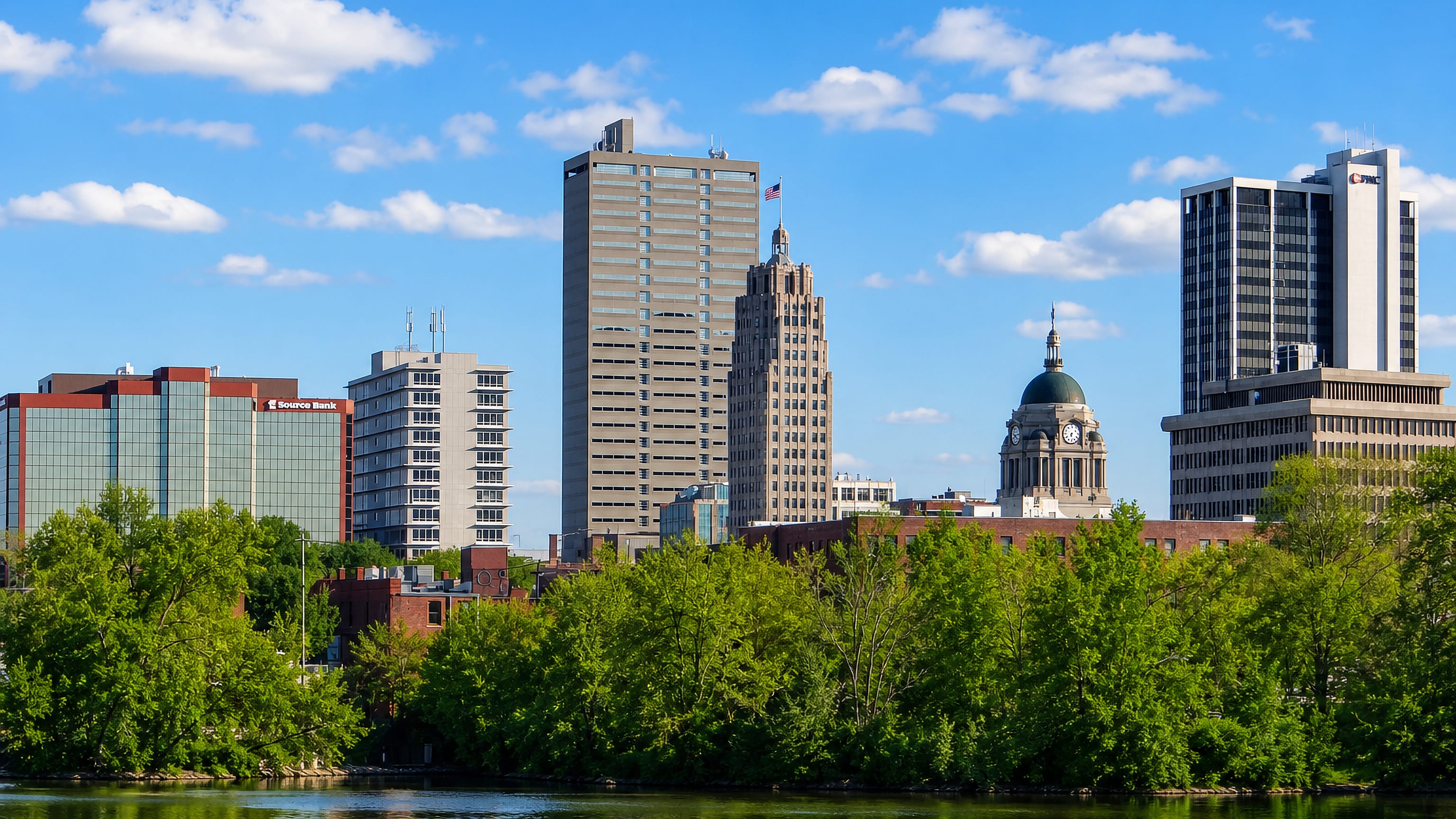
The three rivers are the mark of Fort Wayne. The Saint Marys and Saint Joseph, joining downtown to form the broad Maumee, run green through the heart of the city, lined with parks and paths, the emblem of the town, at its centre. A zoo draws the families.
The much-loved children's zoo spreads along the river nearby, while the art museum, the old Bass mansion, and the canal-house mark the country around Fort Wayne.
What is the history of Fort Wayne?
The rivers made this a gathering-place of old. Where the three rivers came together, the Miami people had their great town of Kekionga, and the portage between the waters carried trade across the country long before any fort. Armies fought for the spot.
The French, the British, and the young United States each raised a fort at the rivers, and the town took its name from the general who built the last of them. Canals and rails built the city. The Wabash and Erie Canal climbed to its summit here, and when the railroads came, Fort Wayne grew into a busy town of workshops and depots on the plains.
Industry made it thrive. Factories rose along the rivers turning out wire and machines, and the city spread over the flat land as the second city of Indiana, keeping its rivers, its parks, and its old churches. The three rivers still join downtown.
Fort Wayne keeps its rivers and its greenways in the north of Indiana.
Where is Fort Wayne?
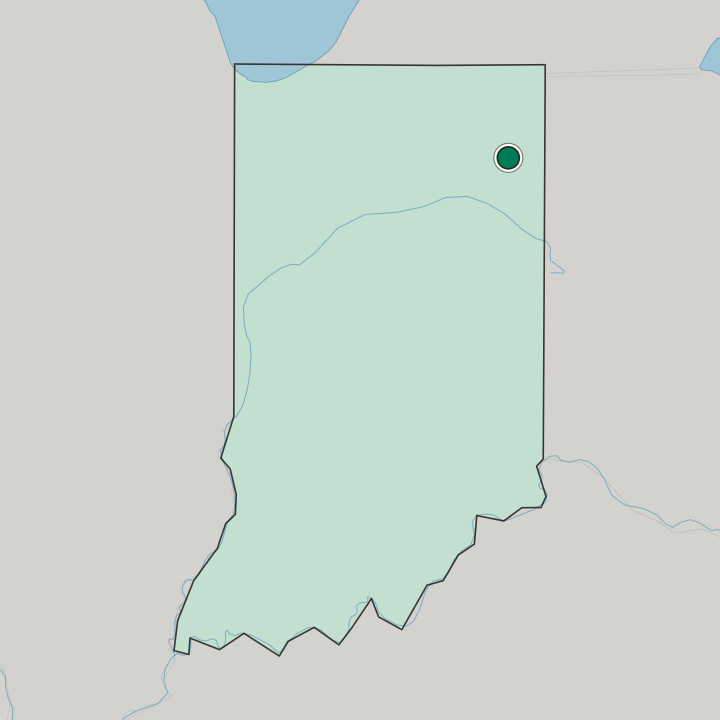
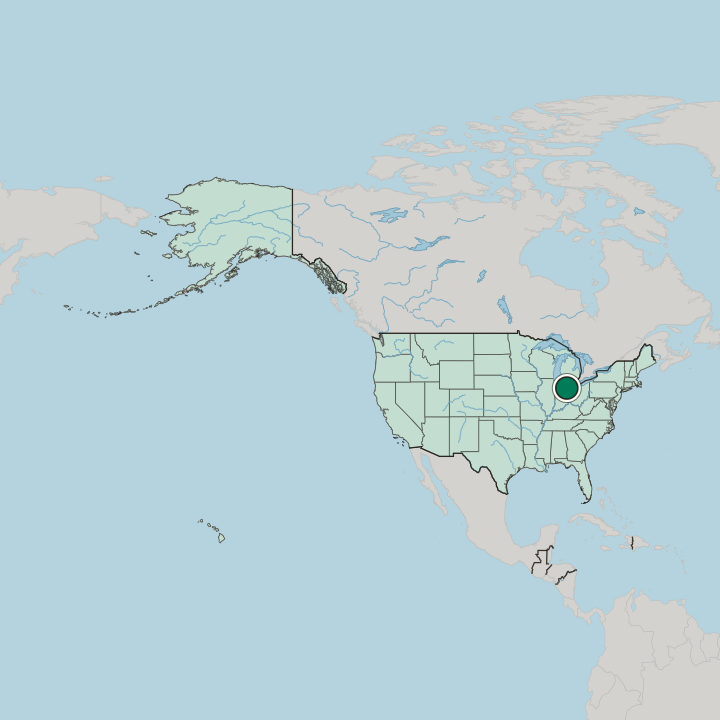
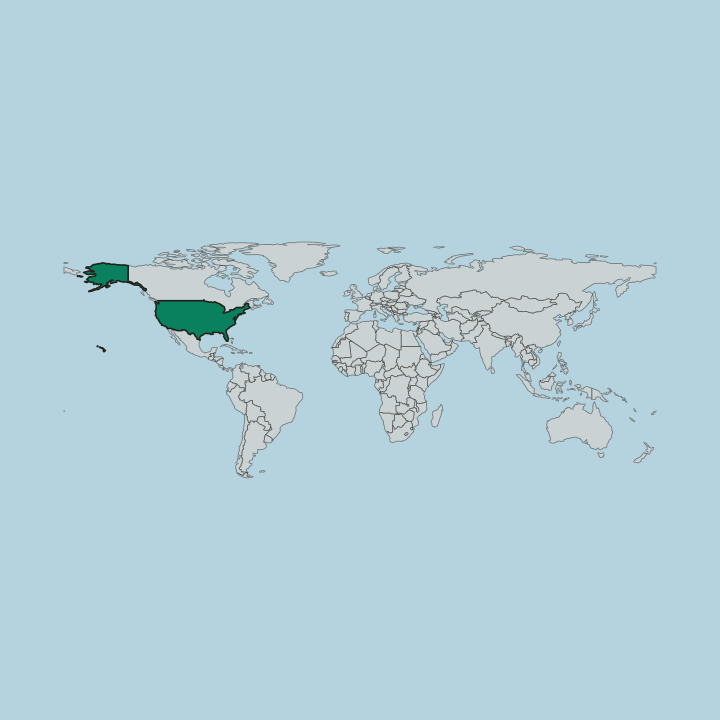
Fort Wayne lies in the northeast of Indiana, on the flat till plains of the American Midwest. The city sits where the Saint Marys and Saint Joseph rivers join and run on as the Maumee toward Lake Erie, on low ground of old glacial flats, with farm country stretching level all around. The rivers wind through town.
Flat fields reach the sky.
What is the climate of Fort Wayne?
Fort Wayne has a four-season continental climate. Warm humid summers and cold snowy winters cross the Midwest, with thunderstorms in the summer heat and hard frost and snow in winter. The summers turn hot and green.
Winter brings deep snow.
How do you get to Fort Wayne?
Fort Wayne lies in northeastern Indiana, on the plains near the Ohio line. Highways and freight lines run to the city from Indianapolis and the Great Lakes, and a small airport brings flights in. Roads cross the flat country.
Indianapolis lies southwest by road.
Common questions
What is the best area to stay in Fort Wayne?
Downtown: Visitors here for the museums and riverfront. The rivers: Stays wanting the greenways and zoo.
Good for
More cities in Indiana
Updated September 2026