United States · Iowa
Where to Stay in Cedar Rapids, Iowa
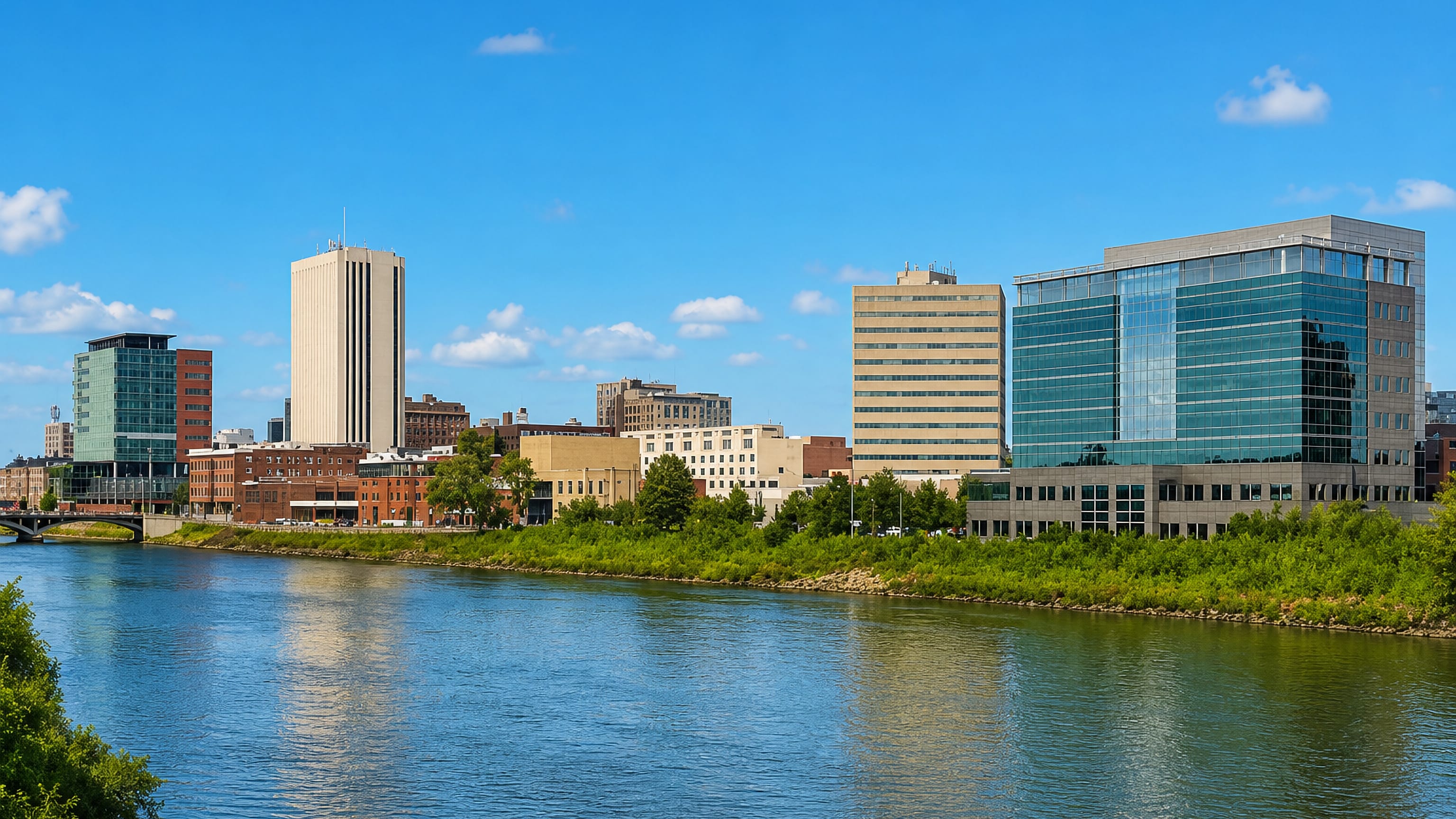
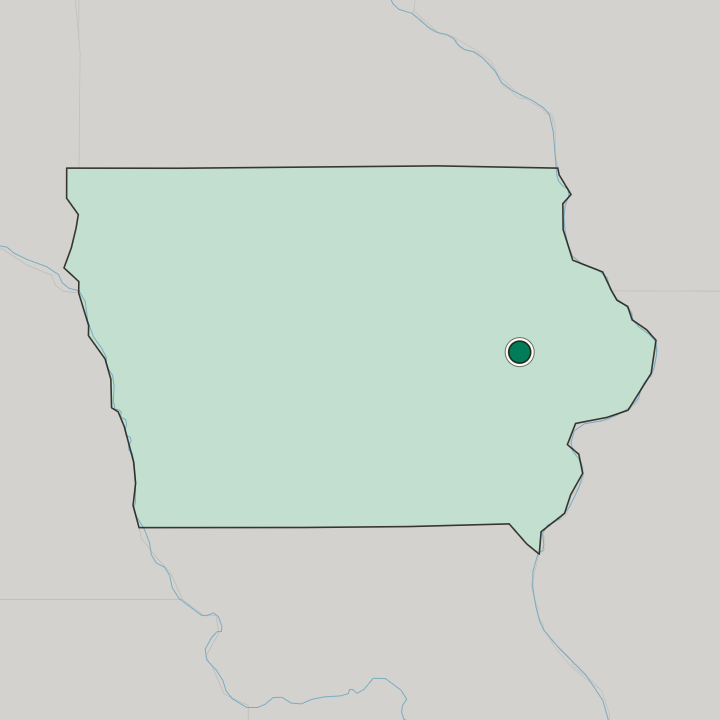
Cedar Rapids is the seat of Linn County, Iowa, a working city on both banks of the Cedar River, 20 miles north of Iowa City.
Hotel links are affiliate links: booking through them may earn us a commission, at no extra cost to you. It never affects how places are ranked. How this works


Where to stay in Cedar Rapids
How the choice of base plays out on the ground.
Cedar Rapids lies on both banks of the Cedar River, and which bank a room sits on is the first thing to settle. The National Czech & Slovak Museum & Library, the African American Museum of Iowa, and the Museum of Art Cedar Rapids are the three collections most visitors come for, and a base within reach of them saves the day's driving. Linn County spreads wide.
The city covers a lot of ground, so a car makes the difference between an easy visit and a slow one. The Cedar Rapids Ice Arena brings its own crowd on match nights, and rooms nearest it fill first when a fixture is on. Iowa City is 20 miles off.
If you would rather sleep in a college city and drive up for the day, that works, and Des Moines lies 128 miles away for anyone crossing the state. Cedar Rapids sits off the main travel routes, which keeps demand steadier than in places on the tourist circuit. The First Universalist Church of Cedar Rapids and the George B. Douglas House stand among the older streets, if the built record is what draws you.
Find hotels in Cedar Rapids
Direct booking searches for these neighbourhoods.
Cedar River banks
Cedar Rapids stands on both banks of the Cedar River, and the ground either side of it is the city's centre of gravity.Find hotels in Cedar River banksThe National Czech & Slovak Museum & Library and the art collectionMuseum side
Within reach of the National Czech & Slovak Museum & Library and the Museum of Art Cedar Rapids, the two collections most visits are built on.Find hotels in Museum sideMatch nights at the Cedar Rapids Ice ArenaCedar Rapids Ice Arena side
The part of the city holding the Cedar Rapids Ice Arena, worth choosing when a fixture there sets the dates. Rooms are few around here — worth securing early.Find hotels in Cedar Rapids Ice Arena sideA college-city base twenty miles from Linn CountyIowa City
Iowa City lies 20 miles from Cedar Rapids and serves as the alternative when Linn County rooms are taken.Find hotels in Iowa CityHotel links are affiliate links: booking through them may earn us a commission, at no extra cost to you. It never affects how places are ranked. How this works
Things to do in Cedar Rapids
Ranked by global recognition; descriptions from Wikidata (CC0).
Museums & Galleries
3- National Czech & Slovak Museum & Library
- Museum of Art Cedar Rapids
- African American Museum of Iowa
Churches & Religious Sites
2- First Church of Christ, Scientist Heritage
- First Universalist Church of Cedar Rapids Heritage
Stadiums & Sports
1- Cedar Rapids Ice Arena
Landmarks & Notable Places
5- A. T. Averill House Heritage
- George B. Douglas House Heritage
- Glenn M. and Edith Averill House Heritage
- William and Sue Damour House Heritage
- Philip A. Wolff House and Carriage House Heritage
worth knowingacross 4 categories in Cedar Rapids
About Cedar Rapids
Industry built the city.
What is Cedar Rapids known for?
Cedar Rapids is known as an industrial, working-class place, and service work has since widened the range of jobs on offer. The National Czech & Slovak Museum & Library is the standout. The African American Museum of Iowa and the Museum of Art Cedar Rapids fill out the list, while the Cedar River runs between the banks the city occupies.
It is the seat of Linn County.
What are the main landmarks in Cedar Rapids?
Cedar Rapids is a city best seen through its collections. The National Czech & Slovak Museum & Library, the African American Museum of Iowa, and the Museum of Art Cedar Rapids give the city three collections of quite different character. Cedar Rapids Ice Arena covers the sport.
The A. T. Averill House, the Glenn M. and Edith Averill House, the George B. Douglas House, the William and Sue Damour House, and the Philip A. Wolff House and Carriage House make up the domestic roll. Two churches are listed as well, the First Universalist Church of Cedar Rapids and the First Church of Christ, Scientist.
What is the history of Cedar Rapids?
Cedar Rapids was founded in 1849. The settlement took hold on the Cedar River, and the city that grew from it spread onto both banks, which is still the plainest fact about its shape. Industry followed the water.
Manufacturing gave the place its character as a working city, and that identity has outlasted the arrival of service work alongside it. Linn County made it the county seat. Migration wrote the rest.
The National Czech & Slovak Museum & Library records the Czech and Slovak communities that settled in the city, and the African American Museum of Iowa holds the state's wider account of Black life and work. Houses from the moneyed decades survive in numbers, among them the William and Sue Damour House, the Philip A. Wolff House and Carriage House, and the Glenn M. and Edith Averill House. Two churches, the First Universalist Church of Cedar Rapids and the First Church of Christ, Scientist, mark the congregations of the same period.
Iowa City lies 20 miles away and Des Moines 128, which has left Cedar Rapids off the main routes and largely to itself.
Where is Cedar Rapids?
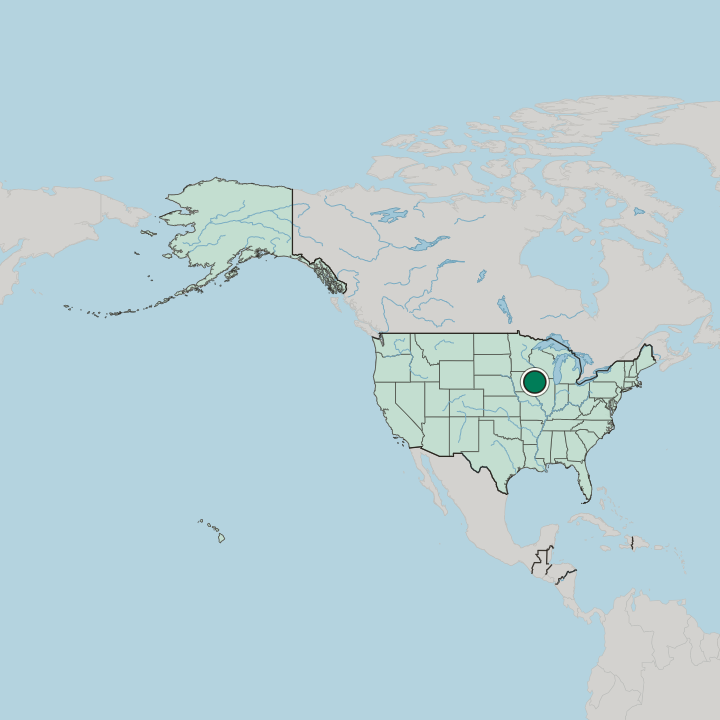
The Cedar River splits the city. Cedar Rapids stands on both banks, 20 miles north of Iowa City and 128 miles northeast of Des Moines, the state capital. Linn County surrounds it.
The municipal area is large, spreading well back from the water on either side, and the ground beyond the built-up edges belongs to the Linn County countryside.
What is the climate of Cedar Rapids?
The interior gives the extremes. Cedar Rapids sits far from any coast, so summers arrive hot and humid over the Cedar River while winters bring long cold spells and snow across Linn County. Storms belong to spring.
Rain falls heaviest in the warm months, and the seasons swing hard between the two ends of the year.
How do you get to Cedar Rapids?
Cedar Rapids sits off the main routes. Iowa City is 20 miles away and Des Moines 128, and most arrivals come by road across Linn County rather than as part of a longer circuit. Few travellers pass through by accident.
Once inside, the Cedar River is the reference point that every set of directions turns on.
Common questions
What is the best area to stay in Cedar Rapids?
Cedar River banks: Crossing between the two banks of the Cedar River. Museum side: The National Czech & Slovak Museum & Library and the art collection. Cedar Rapids Ice Arena side: Match nights at the Cedar Rapids Ice Arena. Iowa City: A college-city base twenty miles from Linn County.
Good for
More cities in Iowa
Updated September 2026