United States · Iowa
Where to Stay in Waterloo, Iowa
Waterloo, seat of Black Hawk County in Iowa, is split into east and west sides by the Cedar River and joined to Cedar Falls as a twin city.
Hotel links are affiliate links: booking through them may earn us a commission, at no extra cost to you. It never affects how places are ranked. How this works


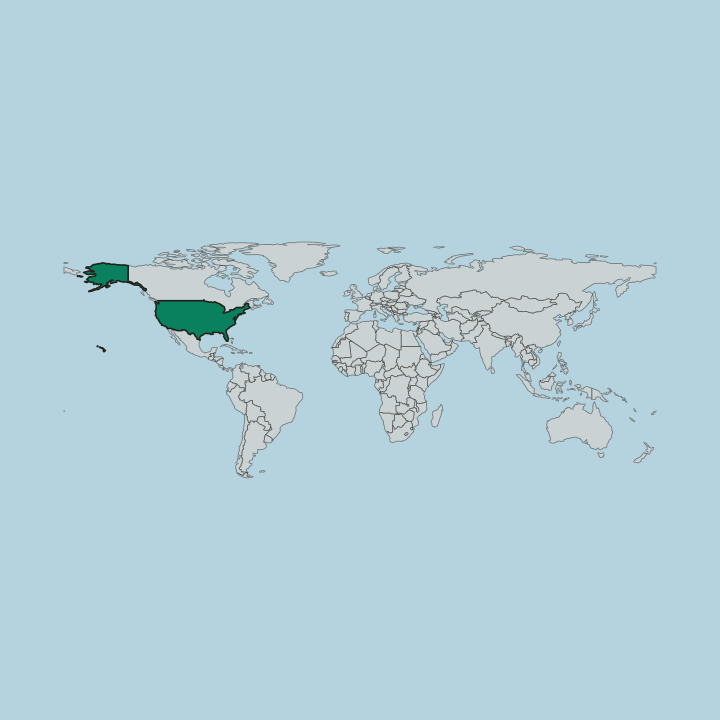
Where to stay in Waterloo
The practical side of choosing where to sleep.
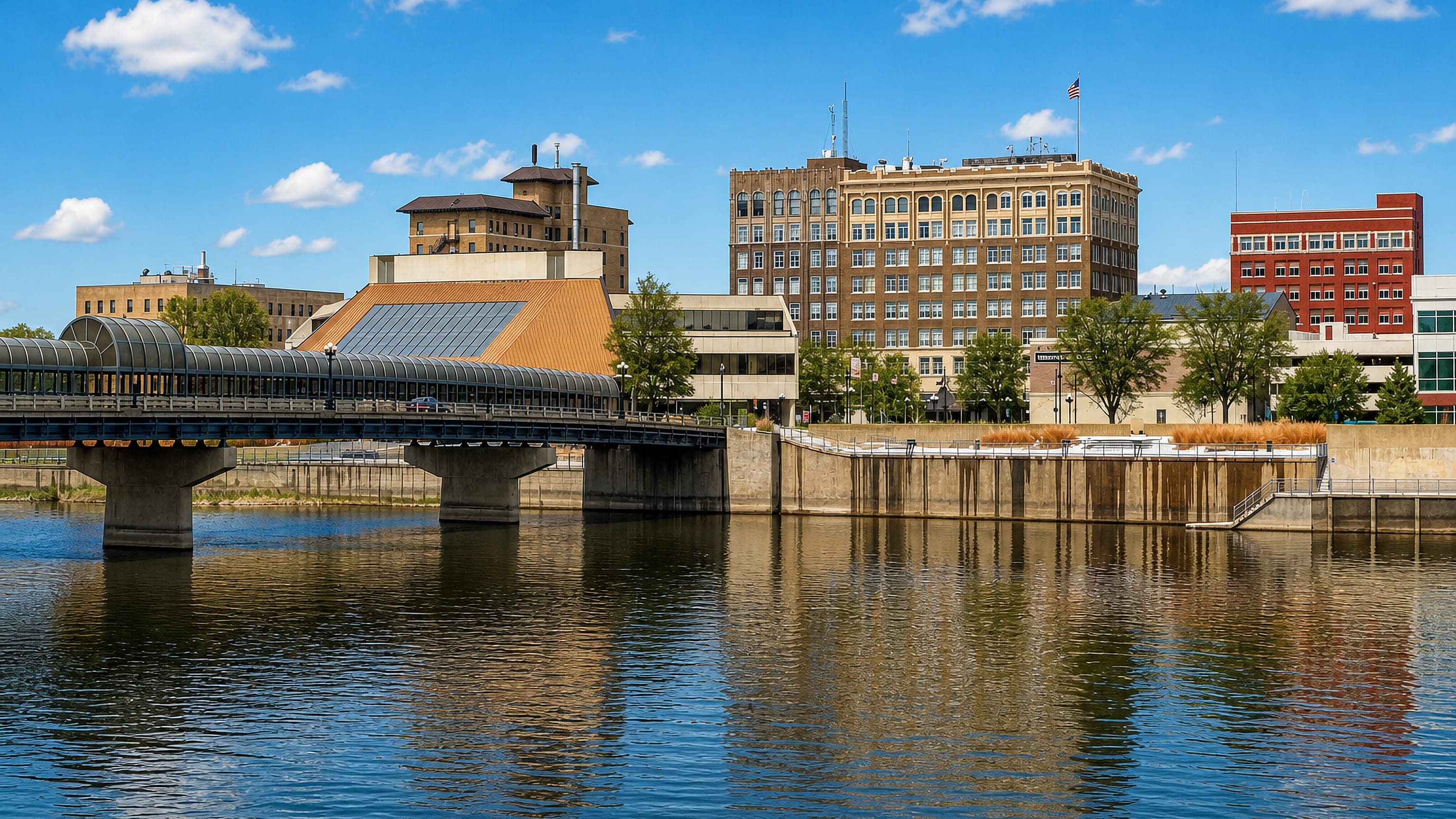
The Cedar River decides which half you sleep in. On the west bank the Waterloo West Commercial Historic District carries the older downtown along with the Hotel Russell-Lamson and the Hotel President, two buildings that between them fixed the city's idea of a hotel long before anything modern arrived. The east bank answers with its own.
The Waterloo East Commercial Historic District and the Waterloo Public Library-East Side Branch anchor that side, and the crossing between the two takes minutes. Residential districts sit back from both. The Highland Historic District and the Walnut Street Historic District hold the streets where the Rensselaer Russell House, the Henry Weis House, and the Dunsmore House survive, and the appeal there is the walking rather than the room supply.
Grace Methodist Episcopal Church stands among them. The museums split the difference, with the Grout Museum and the Sullivan Brothers Iowa Veterans Museum near the west-side blocks. If you are travelling with children, the Lost Island Theme Park pulls the whole calculation out toward the edge of Black Hawk County, and Cedar Falls provides a second base inside the same conurbation.
Find hotels in Waterloo
Direct booking searches for these neighbourhoods.
East side
The east bank of the Cedar River, holding the Waterloo East Commercial Historic District and the Waterloo Public Library-East Side Branch. Beds are limited here, so book early.Find hotels in East sideOld hotel blocks around the Hotel Russell-LamsonWest side downtown
The west bank core, where the Waterloo West Commercial Historic District, the Hotel Russell-Lamson, and the Hotel President stand within a block or two.Find hotels in West side downtownQuiet residential streets in the Highland Historic DistrictHighland
The Highland Historic District and the Walnut Street Historic District, set back from both commercial cores and built for living rather than lodging. Beds are limited here, so book early.Find hotels in HighlandSharing a stay with the smaller half of the twin conurbationCedar Falls
Cedar Falls adjoins Waterloo and forms the other half of the pair, an alternative base for anyone working across both cities.Find hotels in Cedar FallsHotel links are affiliate links: booking through them may earn us a commission, at no extra cost to you. It never affects how places are ranked. How this works
Things to do in Waterloo
Ranked by global recognition; descriptions from Wikidata (CC0).
Museums & Galleries
2- Grout Museum
- Sullivan Brothers Iowa Veterans Museum
Churches & Religious Sites
1- Grace Methodist Episcopal Church Heritage
Castles & Historic Sites
4- Highland Historic District Heritage
- Walnut Street Historic District Heritage
- Waterloo East Commercial Historic District Heritage
- Waterloo West Commercial Historic District Heritage
Parks & Gardens
1- Lost Island Theme Park
Landmarks & Notable Places
1- Hotel President Heritage
worth knowingacross 5 categories in Waterloo
About Waterloo
The Cedar River cuts the city in two.
What is Waterloo known for?
Waterloo runs east and west of the water, with the Waterloo East Commercial Historic District on one bank and the Waterloo West Commercial Historic District on the other, and that split shows in almost everything the place does. Tours run at the tractor plant. A John Deere factory works in Waterloo, while the Grout Museum and the Sullivan Brothers Iowa Veterans Museum hold the local record for Black Hawk County.
What are the main landmarks in Waterloo?
Four historic districts carry most of it. The Waterloo East Commercial Historic District, the Waterloo West Commercial Historic District, the Highland Historic District, and the Walnut Street Historic District cover the older fabric, while the Grout Museum and the Sullivan Brothers Iowa Veterans Museum handle the collections. Hotels count as monuments here.
The Hotel Russell-Lamson and the Hotel President survive alongside the Rensselaer Russell House, the Dunsmore House, and the Master Service Station, with the Black Hawk County Soldiers Memorial Hall on the civic list.
What is the history of Waterloo?
The Cedar River came first. Waterloo grew on both banks of it in Black Hawk County, and the two commercial cores that resulted, the Waterloo East Commercial Historic District and the Waterloo West Commercial Historic District, still record a city that never settled on one centre. Money followed machinery.
A John Deere tractor factory anchored the industrial side, and the Rensselaer Russell House and the Henry Weis House survive from the decades when that prosperity was going into brick. Waterloo then built for itself. The Waterloo Public Library went up on one bank and the Waterloo Public Library-East Side Branch on the other, matching the pattern the river had already set, while the Black Hawk County Soldiers Memorial Hall took on the commemorative work for the county.
Grace Methodist Episcopal Church served the congregations. Hotels arrived with the trade, and the Hotel Russell-Lamson and the Hotel President remain the two that mattered most, while the Master Service Station survives from the motoring years that came after and the Dunsmore House from the residential ones. The Grout Museum and the Sullivan Brothers Iowa Veterans Museum gather what the city keeps of its own past.
Later came the Lost Island Theme Park. Cedar Falls grew alongside into the twin conurbation the two cities form together.
Where is Waterloo?
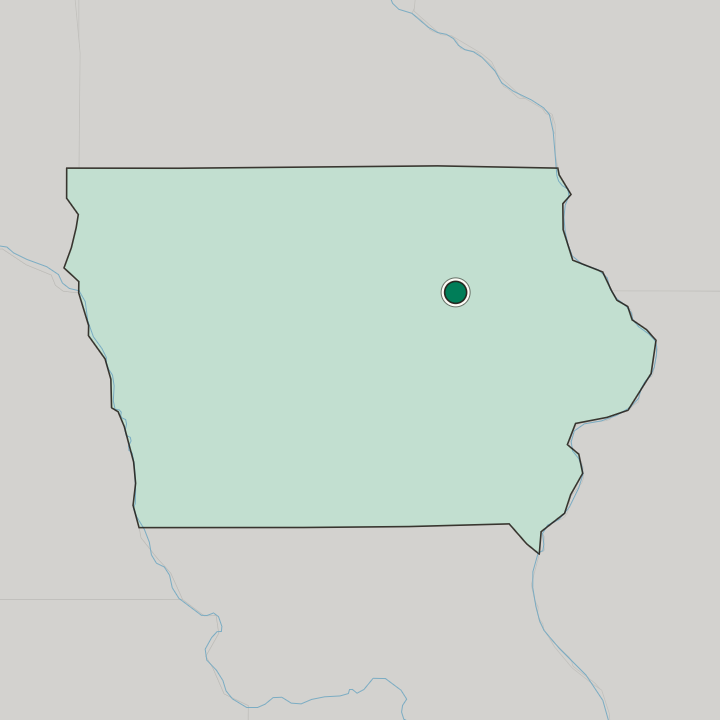
The Cedar River flows southeastward through the middle. Waterloo lies on both banks of it in Black Hawk County, divided into an east side and a west side that each keep a commercial district of their own, and the country around is farmland with very little relief to it. Cedar Falls adjoins the city.
The two run together as one built-up area, with the larger share of it on the Waterloo side.
What is the climate of Waterloo?
Nothing blocks the wind here. Waterloo sits in the continental interior, where the Cedar River valley holds humidity through a hot summer and winter comes down over Black Hawk County with the whole length of the plains behind it. Snow lies for weeks.
Spring thaw puts water into the river, and the flat farmland around drains into it slowly.
How do you get to Waterloo?
Waterloo and Cedar Falls share every approach. Roads into Black Hawk County serve both halves of the conurbation, and the Cedar River crossings do the rest of the work, since the east and west sides each hold a commercial core that traffic has to reach. Some visitors come for the factory tours.
The John Deere plant takes them in, and the Lost Island Theme Park draws its own traffic out toward the edge of the city.
Common questions
What is the best area to stay in Waterloo?
East side: Streets around the Waterloo East Commercial Historic District. West side downtown: Old hotel blocks around the Hotel Russell-Lamson. Highland: Quiet residential streets in the Highland Historic District. Cedar Falls: Sharing a stay with the smaller half of the twin conurbation.
Good for
More cities in Iowa
Updated September 2026