United States · Kansas
Where to Stay in Lawrence, Kansas
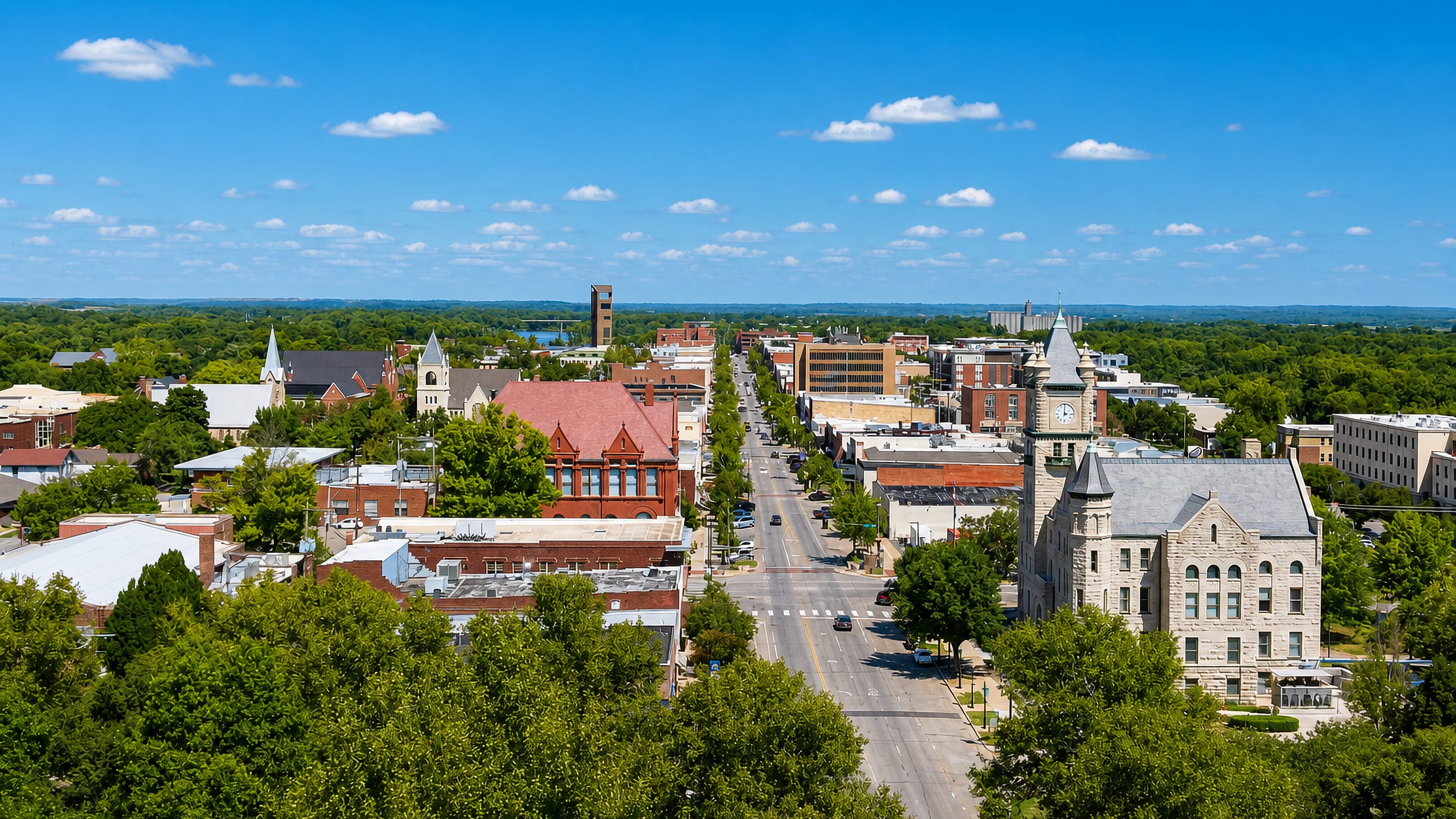
Lawrence sits between the Kansas River and the Wakarusa River, a Douglas County university town founded in 1854.
Hotel links are affiliate links: booking through them may earn us a commission, at no extra cost to you. It never affects how places are ranked. How this works


Where to stay in Lawrence
Where visitors usually base themselves, and why.
Rooms near the University of Kansas put the Spencer Museum of Art and the University of Kansas Natural History Museum within a walk, which suits anyone here for the campuses rather than the town. The old streets pull the other way. Plymouth Congregational Church and the United Presbyterian Center stand among the nineteenth-century blocks, and the George and Annie Bell House, the Chewning House and the Fernand-Strong House mark the residential grid beside them.
Haskell Indian Nations University holds the second campus. Beds are thin close to it, and most visitors with business on that side still base themselves nearer the centre or along the Interstate 70 approach. Lawrence covers about 35 square miles.
Interstate 70 runs past the city, and the motels strung along that approach trade the walk to the Spencer Museum of Art for parking and a quick exit toward Kansas City. The rivers frame the rest. Ground toward the Kansas River and the Wakarusa River is quieter than either the campus or the old commercial streets, and a car makes more sense out there than anywhere nearer the middle.
Douglas County spreads beyond. Anyone here for a game at Hoglund Ballpark or an afternoon in the Wilcox Classical Museum will find the campus side the shortest walk, and the town side the better evening.
Find hotels in Lawrence
Direct booking searches for these neighbourhoods.
The University of Kansas campus edge
The academic quarter where the museums and Hoglund Ballpark sit within the same few blocksFind hotels in The University of Kansas campus edgeEvenings in the nineteenth-century streets of LawrenceThe Plymouth Congregational Church blocks
The old grid around the United Presbyterian Center and the George and Annie Bell HouseFind hotels in The Plymouth Congregational Church blocksDrivers running through toward Kansas CityThe Interstate 70 approach
Parking and a quick exit where Interstate 70 passes Lawrence, well away from the campus walkFind hotels in The Interstate 70 approachQuiet nights away from the campus and the old commercial streetsToward the Wakarusa River
Open ground between the Kansas River and the Wakarusa River where a car is the sensible choice. Rooms are few around here — worth securing early.Find hotels in Toward the Wakarusa RiverHotel links are affiliate links: booking through them may earn us a commission, at no extra cost to you. It never affects how places are ranked. How this works
Things to do in Lawrence
Ranked by global recognition; descriptions from Wikidata (CC0).
Museums & Galleries
3- Elizabeth M. Watkins Community Museum Heritage
- Spencer Museum of Art
- Wilcox Classical Museum
Churches & Religious Sites
3- Plymouth Congregational Church Heritage
- St. Luke African Methodist Episcopal Church Heritage
- United Presbyterian Center Heritage
Stadiums & Sports
1- Hoglund Ballpark
Landmarks & Notable Places
8- George and Annie Bell House Heritage
- S.T. Zimmerman House Heritage
- Chewning House Heritage
- Charles & Elizabeth Haskell French House Heritage
- Col. James Blood House Heritage
Show 3 more →
- Double Hyperbolic Paraboloid House Heritage
- John N. Roberts House Heritage
- Edward House House Heritage
worth knowingacross 4 categories in Lawrence
About Lawrence
What is Lawrence known for?
The University of Kansas gives the city its shape, and Haskell Indian Nations University adds a second campus, so term time sets the rhythm of the streets more than anything else does. Museums follow the campuses. The Spencer Museum of Art, the University of Kansas Natural History Museum and the Wilcox Classical Museum sit within the same academic quarter, with Hoglund Ballpark on the sporting side.
Douglas County keeps its seat here.
What are the main landmarks in Lawrence?
The Spencer Museum of Art carries the art collection, while the University of Kansas Natural History Museum and the Wilcox Classical Museum hold the science and the antiquities, the last of them keeping the Plaster Cast Collection at Wilcox Classical Museum. Churches mark the older grid. Plymouth Congregational Church and the United Presbyterian Center stand near the centre, with the Double Hyperbolic Paraboloid House among the more unusual survivals on the domestic side.
Hoglund Ballpark handles the sport.
What is the history of Lawrence?
Lawrence was founded in 1854. The town took its ground between the Kansas River and the Wakarusa River, and the grid laid out in those first years still carries the churches and houses that the record keeps. Douglas County made it the seat.
Plymouth Congregational Church belongs to that early civic layer, and the George and Annie Bell House, the Chewning House and the Mugan-Olmstead House survive from the residential streets that grew around it. Two universities changed the town. The University of Kansas and Haskell Indian Nations University between them gave Lawrence a student body large enough to define its character, and the museums followed the campuses rather than the commerce.
The Spencer Museum of Art and the University of Kansas Natural History Museum grew out of that, and the Wilcox Classical Museum with its Plaster Cast Collection came from the same academic root. Interstate 70 arrived later. The road put Lawrence within a short run of Kansas City, some 35 miles to the east, and tied the county seat into the traffic of the wider region.
Only five Kansas cities are larger.
Where is Lawrence?
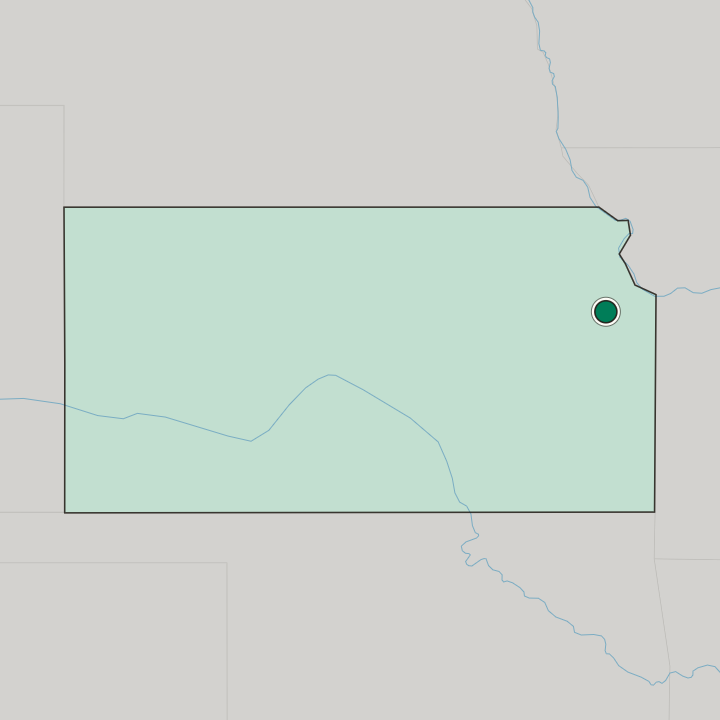
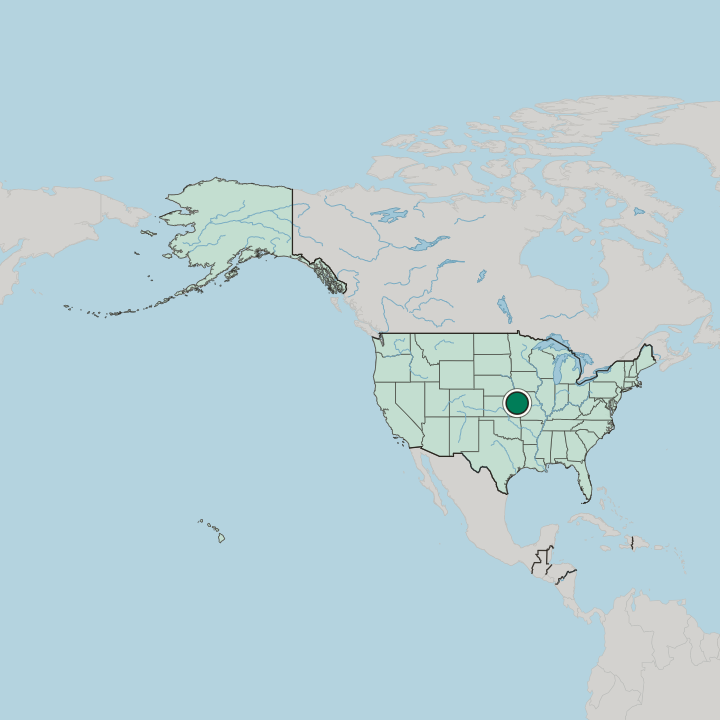
The Kansas River and the Wakarusa River set the limits of the site, and Lawrence fills about 35 square miles of Douglas County between the two of them. Interstate 70 cuts across. Kansas City lies about 35 miles to the east, close enough that the road between them carries a steady share of the traffic through Douglas County.
Two campuses share the ground.
What is the climate of Lawrence?
The Kansas River and the Wakarusa River mark a low corridor through Douglas County, and Lawrence takes the full swing of an inland year on either side of it. Winters bite. Summers turn hot and heavy over the two river bottoms, while spring and autumn are short and quick to change.
Nothing here is moderated by a sea.
How do you get to Lawrence?
Interstate 70 runs past Lawrence, and most arrivals come along it from Kansas City about 35 miles to the east or from the rest of Kansas the other way. Douglas County roads take over from there. The University of Kansas and the museum quarter around the Spencer Museum of Art sit close enough together to walk, once a visitor has left the car somewhere.
Haskell Indian Nations University holds the second campus, and Hoglund Ballpark sits with the university ground rather than the town. The rivers are the other boundary.
Common questions
What is the best area to stay in Lawrence?
The University of Kansas campus edge: Walks to the Spencer Museum of Art and the University of Kansas Natural History Museum. The Plymouth Congregational Church blocks: Evenings in the nineteenth-century streets of Lawrence. The Interstate 70 approach: Drivers running through toward Kansas City. Toward the Wakarusa River: Quiet nights away from the campus and the old commercial streets.
Good for
More cities in Kansas
Updated September 2026